
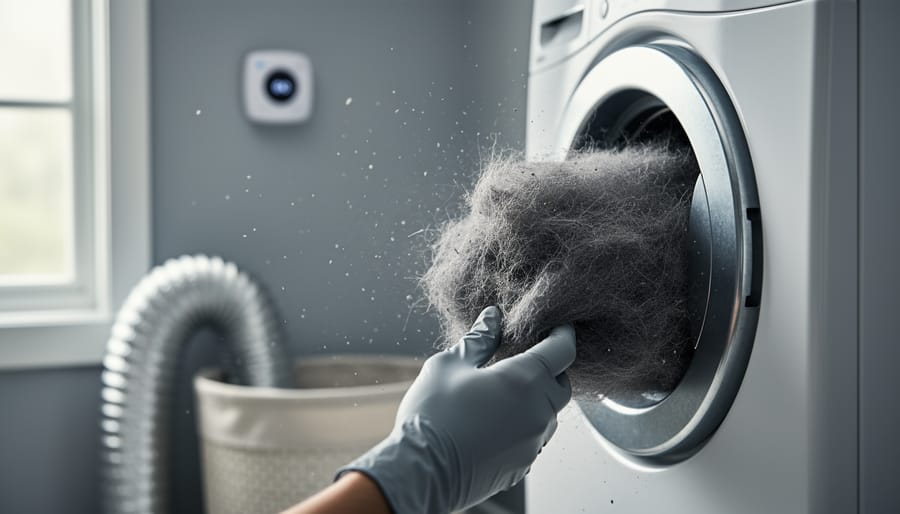
Your dryer vent connects directly to your home’s air quality and safety in ways most homeowners never consider. When lint accumulates in these hidden passages, it creates a breeding ground for mold, traps harmful particles, and restricts airflow that can lead to carbon monoxide buildup. Dryer Vent Clean Experts report that over 15,000 house fires occur annually in North America due to clogged dryer vents, but the chronic health impacts often go unnoticed until respiratory symptoms develop.
The invisible threat lurking in your laundry room extends beyond fire hazards. Blocked vents circulate allergens, dust mites, and mold spores throughout your living spaces with every drying cycle. These contaminants trigger asthma attacks, aggravate allergies, and compromise immune function, particularly in children and elderly family members. Gas dryers pose an additional risk when vents become obstructed, allowing carbon monoxide to seep back into your home rather than venting safely outside.
Understanding these health connections empowers you to take preventive action. Clean dryer vents improve indoor air quality, reduce respiratory irritants, and eliminate dangerous gas exposure. This maintenance task delivers measurable benefits for your family’s wellbeing while extending appliance lifespan and reducing energy costs. The following evidence-based information will help you recognize warning signs, understand specific health advantages, and establish a maintenance schedule that protects both your household and your investment.
The Hidden Health Hazards Lurking in Your Dryer Vent
Your dryer vent might seem like a simple exhaust system, but it can quietly become a reservoir for materials that affect your family’s health. Every time you dry a load of laundry, tiny fibers break away from your clothing and create lint. While your dryer’s lint trap catches some of this material, a significant amount travels through the vent system where it accumulates over time.
Beyond lint, your dryer vent collects a surprising variety of substances. Dust particles from your home environment, pet dander, pollen, and other airborne allergens get pulled into the system during the drying cycle. These allergens become trapped in the moist, warm environment of your vent, creating an ideal breeding ground for problems.
Moisture is another hidden concern. Each drying cycle releases water vapor from your clothes, and when your vent isn’t functioning properly, this moisture can’t escape efficiently. The combination of dampness and organic material creates perfect conditions for mold and mildew growth within your vent system. These fungi release spores into the air that circulates near your dryer and potentially throughout your home.
Research shows that poor indoor air quality contributes to various respiratory issues, and a clogged dryer vent directly impacts the air you breathe. The warm, confined space of a blocked vent also provides an attractive habitat for dust mites, microscopic creatures whose waste products are common allergen triggers.
For Canadian families, especially during our long winters when homes are sealed tight against the cold, these accumulated materials pose a genuine concern. Understanding what builds up in your dryer vent is the first step toward protecting your household’s health and creating a cleaner indoor environment year-round.
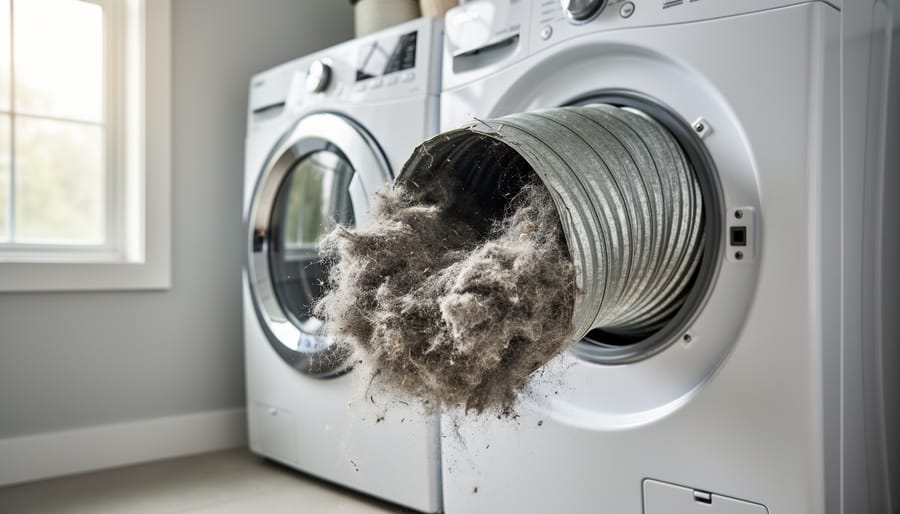
How a Clogged Dryer Vent Affects Your Respiratory Health
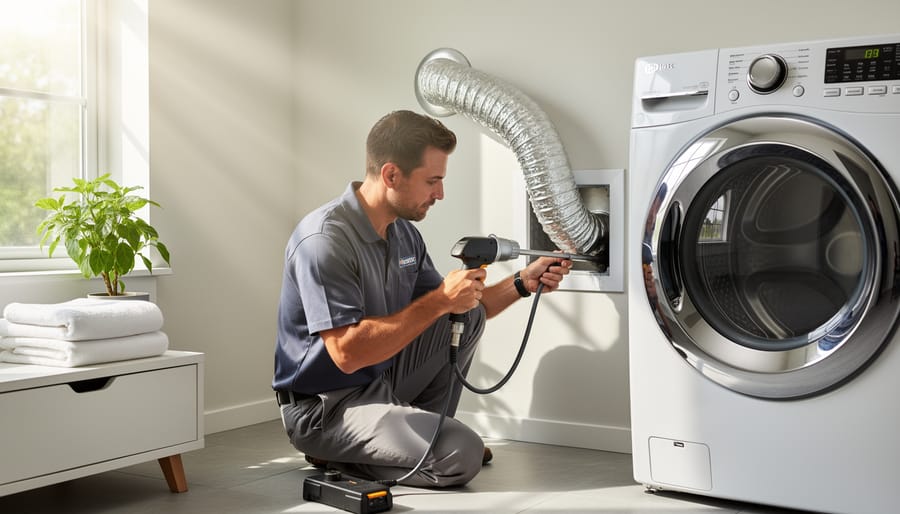
Reducing Airborne Allergens and Irritants
Your dryer vent plays a more significant role in your home’s indoor air quality than you might realize. When vents become clogged with lint and debris, these particles don’t just stay trapped—they can recirculate through your laundry room and adjacent living spaces, compromising the air you breathe daily.
A blocked dryer vent creates a perfect environment for accumulating dust mites, pet dander, pollen, and other common allergens. Each time you run your dryer, these irritants can be pushed back into your home, triggering respiratory symptoms like sneezing, coughing, and congestion. For Canadians with asthma, allergies, or other respiratory sensitivities, this exposure can lead to increased symptom severity and more frequent flare-ups.
Regular dryer vent cleaning removes this buildup effectively, creating a cleaner airflow pathway. This simple maintenance step helps prevent lint particles from becoming airborne and settling on surfaces throughout your home. By keeping your dryer vent clean, you’re taking a proactive approach to reducing allergen exposure and creating a healthier living environment for your entire household.
Protection Against Mold and Mildew Exposure
When your dryer vent becomes clogged, trapped moisture from wet clothes creates the perfect breeding ground for mold and mildew. This hidden contamination can seriously impact your health, particularly if you or your family members have existing respiratory sensitivities.
Mold spores released from contaminated vents circulate through your home every time you run the dryer. These microscopic particles can trigger a range of health problems, including persistent coughing, wheezing, throat irritation, and nasal congestion. For Canadians with asthma or allergies, exposure can worsen existing symptoms and lead to more frequent attacks.
Research shows that prolonged mold exposure may cause chronic respiratory conditions, even in previously healthy individuals. Common reactions include skin rashes, watery eyes, and headaches. Those with compromised immune systems face higher risks of developing serious fungal infections.
Like other environmental stressors in your home, mold from dryer vents operates silently until health symptoms appear. Regular vent cleaning eliminates moisture buildup before mold can establish itself, protecting your household from these preventable health risks. Professional inspections can identify existing contamination and ensure thorough removal, giving you peace of mind about your indoor air quality.
Carbon Monoxide Risks: A Silent Threat from Gas Dryers
If you own a gas dryer, blocked or poorly maintained vents create a serious risk of carbon monoxide (CO) poisoning. Unlike electric dryers, gas dryers produce carbon monoxide as a combustion byproduct. When vents become clogged with lint and debris, this toxic gas cannot properly escape outside and may back up into your living space.
Carbon monoxide is particularly dangerous because it’s completely invisible and odorless, earning its reputation as a silent killer. When inhaled, CO prevents your blood from carrying oxygen to vital organs and tissues. Even low-level exposure over time can harm your health, while high concentrations can be life-threatening.
Early symptoms of carbon monoxide poisoning often mimic common illnesses, making them easy to dismiss. Watch for headaches, dizziness, weakness, nausea, vomiting, chest pain, and confusion. These symptoms typically worsen in enclosed spaces and may improve when you go outside. If multiple family members experience similar flu-like symptoms simultaneously, especially during dryer use, this could indicate a CO problem requiring immediate attention.
Health Canada reports that carbon monoxide poisoning sends hundreds of Canadians to emergency rooms annually, with some cases proving fatal. Many of these incidents are preventable through proper appliance maintenance.
Protecting your household requires a two-pronged approach. First, install carbon monoxide detectors on every level of your home, particularly near bedrooms and laundry areas. Test them monthly and replace batteries as needed. Second, schedule professional dryer vent cleaning at least annually, or more frequently if you do laundry daily or notice your dryer taking longer to dry clothes.
Regular vent maintenance ensures combustion gases exit safely outside, protecting you and your loved ones from this preventable health threat. Your family’s safety is worth this simple preventive measure.
Mental Health Benefits: Peace of Mind and Reduced Stress
A clean dryer vent contributes significantly to your mental wellness in ways you might not immediately recognize. When you know your home systems are functioning safely and efficiently, you experience a genuine sense of peace that impacts your daily stress levels.
Fire safety concerns are a major source of anxiety for many Canadian homeowners. According to fire safety experts, clogged dryer vents are responsible for thousands of residential fires annually. When you maintain clean vents, you eliminate this worry from your mental load. This reduction in background anxiety allows you to feel more relaxed in your own home, creating a safer psychological environment for you and your family.
The stress of dealing with inefficient home systems adds up quickly. A clogged dryer vent means longer drying times, higher energy bills, and the frustration of damp laundry that needs multiple cycles. These small irritations compound over time, contributing to daily stress. Regular vent cleaning eliminates these hassles, giving you one less thing to worry about in your busy life.
Living in a healthier home environment also supports better mental health outcomes. When you know you’re protecting your family from carbon monoxide risks and poor indoor air quality, you experience a greater sense of control over your household wellness. This empowerment is essential for maintaining positive mental health, as it reinforces that you’re taking active steps to create a safe, healthy living space.
By addressing this often-overlooked maintenance task, you’re investing not just in physical safety, but in your overall peace of mind and emotional well-being.
Better Sleep Quality Through Improved Indoor Air
Your bedroom environment plays a crucial role in sleep quality, and the air you breathe throughout the night directly impacts how well you rest. When dryer vents become clogged, lint particles, moisture, and potential mold spores can circulate through your home’s air system, affecting the air quality in your sleeping space.
Clean dryer vents help maintain optimal humidity levels in your home, preventing the excess moisture that contributes to mold growth and musty odors. This cleaner, drier air reduces nighttime congestion, minimizes throat irritation, and decreases the likelihood of waking up with stuffiness or breathing difficulties. Many Canadians report experiencing better sleep quality after addressing indoor air quality issues.
When your respiratory system isn’t working overtime to filter out airborne particles while you sleep, your body can focus on the restorative processes that occur during deep sleep cycles. This means waking up feeling more refreshed and energized. Regular dryer vent maintenance is a simple yet effective step toward creating a healthier sleep environment that supports your overall wellness and daytime performance.
How Often Should Canadians Clean Their Dryer Vents?
Most Canadian households should have their dryer vents professionally cleaned at least once per year as part of their routine preventive health measures. However, your specific needs may vary based on several factors unique to your situation.
If you have a larger family doing four or more loads of laundry weekly, consider scheduling professional cleaning every six months. Canadian winters often mean heavier fabrics like sweaters, blankets, and jackets that produce more lint, increasing buildup in your vent system. Pet owners should also lean toward more frequent professional service, as pet hair significantly accelerates lint accumulation.
Between professional cleanings, you can maintain your dryer’s efficiency with simple DIY tasks. Clean the lint screen after every load without exception. Monthly, vacuum around the dryer and check the exterior vent opening for visible blockages. Quarterly, inspect the vent hose behind your dryer for kinks or excessive lint buildup.
Warning signs that you need immediate professional attention include clothes taking longer than usual to dry, a burning smell during operation, the dryer becoming excessively hot to touch, or visible lint around the outside vent opening.
Professional cleaners have specialized tools to thoroughly remove lint from the entire vent length, including hard-to-reach areas within walls or roofs that DIY methods cannot access. This comprehensive approach ensures optimal air quality in your home and reduces health risks associated with poor indoor air circulation and potential carbon monoxide exposure from gas dryers.

Practical Steps to Maintain Your Dryer Vent Health
Maintaining your dryer vent between professional cleanings doesn’t require extensive effort, but it does demand consistent attention. Start by cleaning your lint trap after every single load of laundry. This simple habit takes just seconds but significantly reduces lint buildup throughout the entire vent system. Additionally, once a month, remove the lint screen and clean the trap housing with a vacuum attachment to capture lint that escapes past the screen.
Watch for warning signs that indicate your dryer vent needs immediate attention. If your clothes take longer than one cycle to dry completely, if the dryer feels unusually hot to the touch, or if you notice a burning smell during operation, these are clear signals of restricted airflow. You might also observe excess lint around the dryer door or notice that your laundry room feels more humid than usual. These symptoms suggest dangerous buildup that requires professional cleaning.
Inspect the exterior vent hood regularly, ideally once per season. Ensure the flap opens freely when the dryer runs and closes completely when not in use. Remove any visible lint, leaves, or debris from the opening, and check that small animals haven’t created nests inside. This outdoor component plays a crucial role in proper ventilation.
Consider scheduling professional dryer vent cleaning annually, or every six months if you have a large household or do laundry frequently. Professional technicians use specialized equipment to remove lint from areas you cannot reach, ensuring complete system cleanliness.
Finally, avoid overloading your dryer and use appropriate heat settings for different fabric types. These practices reduce strain on your dryer and minimize excessive lint production, supporting both your appliance’s longevity and your family’s respiratory health.
Taking care of your dryer vent is a simple yet powerful way to protect your family’s health and well-being. Regular cleaning reduces your exposure to harmful indoor air pollutants, prevents dangerous carbon monoxide buildup, and creates a safer home environment for everyone. Beyond the immediate physical benefits, maintaining clean dryer vents contributes to better sleep quality, reduced stress, and greater peace of mind knowing your home is protected from preventable hazards.
For most Canadian households, scheduling professional dryer vent cleaning once or twice yearly is a reasonable investment in your family’s health. If you notice longer drying times, excess lint, or musty odors, don’t wait for your regular maintenance schedule. These warning signs deserve immediate attention.
Making dryer vent maintenance part of your home health routine is as important as changing furnace filters or testing smoke detectors. By prioritizing this often-overlooked task, you’re taking a proactive step toward creating a healthier living space. Your respiratory system, your family’s safety, and your overall wellness will benefit from this simple preventive measure.