
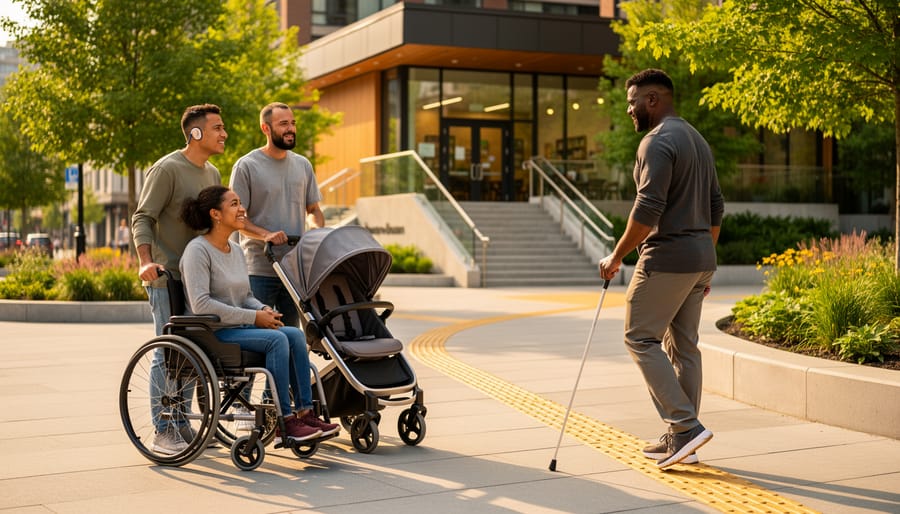
Disability inclusion means actively removing barriers so people with disabilities participate fully in every aspect of community life, from workplaces and schools to recreation and social gatherings. When one in five Canadians lives with a disability, creating inclusive environments isn’t just about fairness—it directly impacts the mental health and wellbeing of entire communities.
Recognize that disability inclusion strengthens community connections, which research shows reduces anxiety and depression for everyone involved. People with disabilities who experience genuine inclusion report significantly better mental health outcomes, while communities that embrace diversity demonstrate higher overall social cohesion and collective wellness. This reciprocal relationship means that inclusion efforts benefit all community members, not just those with disabilities.
Understand that physical and mental health improvements emerge from inclusive practices. When environments become accessible through ramps, clear signage, flexible communication methods, and adaptive programs, people with disabilities engage more frequently in physical activity, social events, and preventive health services. This increased participation helps prevent chronic diseases linked to social isolation, including cardiovascular conditions and diabetes.
Start with simple, immediate actions in your own sphere. Learn to use person-first language (“person with a disability” rather than “disabled person”), ask individuals about their specific needs rather than making assumptions, and advocate for accessibility features in spaces you frequent. Challenge your workplace or community group to conduct accessibility audits and implement changes based on feedback from people with lived experience.
The foundation of disability inclusion rests on understanding that health extends beyond individual bodies to encompass social environments. When communities actively welcome and accommodate everyone, they create conditions where all members can thrive mentally, physically, and socially.
Understanding Disability Inclusion in Canadian Communities
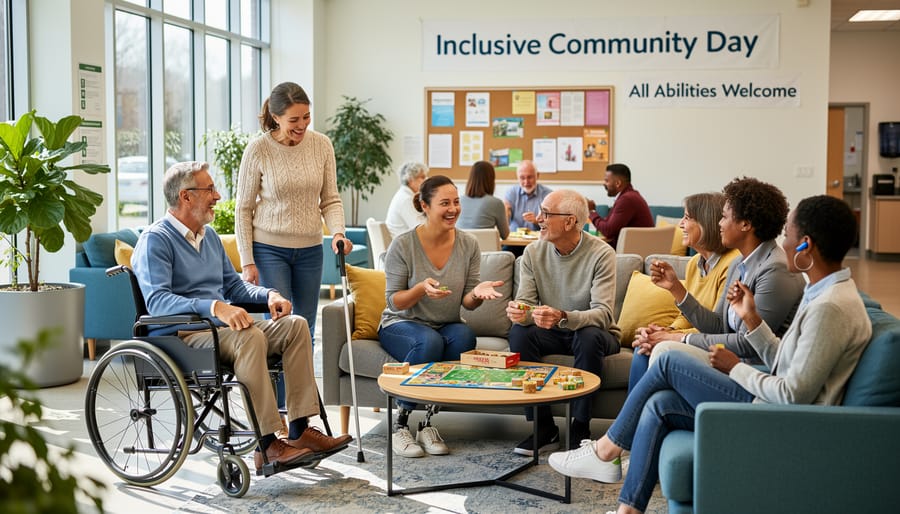
The Link Between Inclusion and Community Health
Disability inclusion creates profound benefits that extend far beyond accommodating individual needs—it strengthens the health of entire communities. When people with disabilities participate fully in social, educational, and employment opportunities, everyone experiences improved wellbeing.
Research consistently shows that social connections shape health outcomes, and this holds especially true for people with disabilities. Inclusive environments reduce social isolation, a significant risk factor for depression, anxiety, and cardiovascular disease. When communities remove barriers to participation, people with disabilities report better mental health, increased self-esteem, and stronger support networks—all essential components of overall wellness.
The health benefits aren’t limited to those with disabilities. Inclusive communities foster empathy, reduce stigma, and build social cohesion that protects everyone’s mental health. Children who grow up in inclusive schools develop stronger emotional intelligence and problem-solving skills. Workplaces that embrace disability inclusion report higher employee satisfaction and lower stress levels across all staff members.
Canadian studies indicate that communities with stronger disability inclusion practices also demonstrate better health indicators overall, including lower rates of chronic disease and improved access to preventive care. This happens because inclusive thinking encourages universal design—creating spaces, services, and programs that work better for everyone, regardless of ability.
By prioritizing inclusion, communities invest in prevention rather than intervention, creating environments where all residents can thrive physically, mentally, and socially.
Common Barriers to Inclusion
Despite growing awareness, people with disabilities continue to face significant obstacles that limit their ability to participate fully in Canadian communities. Understanding these barriers is the first step toward creating more inclusive environments that support everyone’s health and wellbeing.
Several common barriers prevent meaningful inclusion:
- Physical barriers such as buildings without ramps, narrow doorways, and inaccessible public transportation
- Attitudinal barriers including stigma, stereotypes, and low expectations about people with disabilities
- Communication barriers like websites without screen reader compatibility or meetings without sign language interpretation
- Systemic barriers such as gaps in accessible healthcare, employment support services, and affordable housing
- Social barriers that lead to isolation and exclusion from community activities and social networks
These barriers don’t just create inconvenience. Research shows they directly impact mental health and overall wellness. When people face constant obstacles to accessing services, workplaces, or social spaces, it can lead to increased stress, anxiety, and feelings of isolation. According to Canadian health experts, these experiences of exclusion contribute to higher rates of depression and chronic health conditions among people with disabilities.
Importantly, many of these barriers are preventable. They often result from design choices, policies, and attitudes that can be changed. Recognizing these obstacles helps communities take practical steps to remove them, creating environments where everyone can thrive and contribute. When we address these barriers systematically, we improve not just accessibility but the social health of entire communities.
The Mental Health Impact of Disability Inclusion
Social Isolation and Mental Health Risks
When people with disabilities face exclusion from social activities, workplaces, and community spaces, the mental health consequences can be severe. Research shows that social isolation significantly increases the risk of depression and anxiety among individuals with disabilities. According to a Canadian mental health inequalities report, people with disabilities experience mental health challenges at rates nearly double those of the general population, with loneliness being a major contributing factor.
This isolation creates a cycle that extends beyond the individual. When someone with a disability withdraws from social connections due to barriers or exclusion, their overall wellbeing deteriorates. They may miss opportunities for physical activity, meaningful relationships, and the sense of purpose that comes from community participation. These losses compound existing health challenges and can lead to chronic stress and reduced quality of life.
The mental health impacts also ripple outward to families. Studies indicate that family caregivers experience depressed mood and increased anxiety when their loved ones face social exclusion. The emotional burden of witnessing discrimination and limited opportunities affects the entire family unit’s mental wellness.
Communities also feel these effects. When individuals with disabilities cannot fully participate, communities lose valuable perspectives and contributions. Building inclusive environments helps break this cycle by creating connections that support mental health for everyone involved.
Building Belonging Through Inclusion
When communities embrace inclusive practices, they create environments where everyone feels valued and connected—a foundation essential for mental and physical wellbeing. Disability inclusion goes beyond simple accommodation; it actively builds belonging by ensuring people of all abilities can participate fully in community life, from recreational programs to social gatherings and civic engagement.
Research consistently shows that belonging significantly impacts mental health. When individuals with disabilities experience genuine inclusion, they report reduced feelings of isolation, lower rates of depression, and improved self-esteem. These benefits extend throughout the entire community. Inclusive environments normalize diversity, reduce stigma, and create opportunities for meaningful connections across different experiences and abilities.
Canadian communities that prioritize accessibility in their programming—whether through adaptive sports leagues, barrier-free public spaces, or inclusive mental health activities—see stronger social cohesion overall. When community centers offer programs designed with universal access in mind, participation increases across all demographics. Parents of children with disabilities connect with other families, volunteers develop deeper empathy and understanding, and everyone benefits from the diverse perspectives that inclusion brings.
Purpose is another critical component of wellbeing that inclusion nurtures. When workplaces, volunteer organizations, and community groups actively recruit and support people with disabilities, they provide opportunities for contribution and achievement that strengthen mental health. Feeling needed and capable fosters resilience and life satisfaction for everyone involved.
The ripple effects are measurable. Communities with strong inclusion practices report better population health outcomes, increased civic participation, and greater social capital. By creating spaces where everyone belongs, we build healthier, more connected communities that support the mental and physical wellness of all Canadians.
Practical Ways to Support Disability Inclusion in Your Community
In Recreation and Fitness Programs
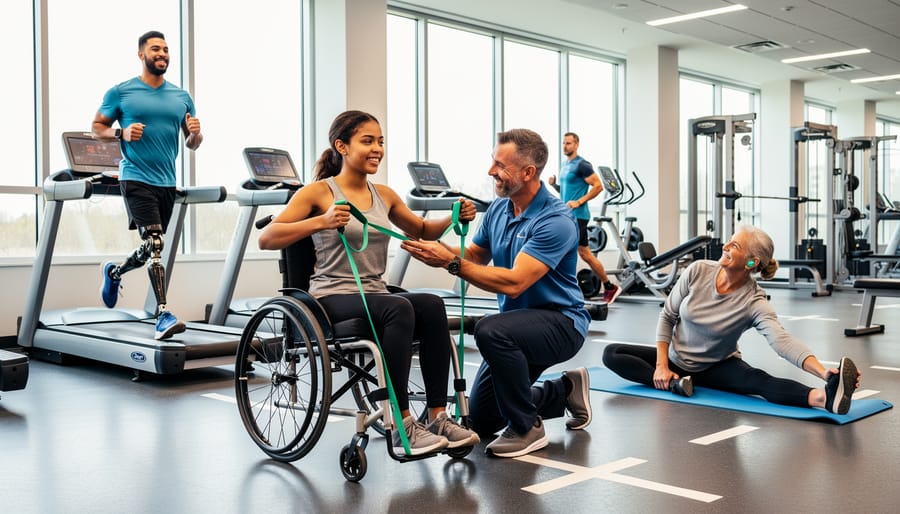
Recreation and fitness facilities can become truly inclusive spaces with thoughtful planning and awareness. Start by ensuring physical accessibility: wheelchair-accessible entrances, wide pathways between equipment, adjustable machines, and accessible change rooms with adequate space and grab bars. Many Canadian gyms are integrating these features into their community wellness programs with excellent results.
Staff training is essential. Fitness instructors and recreation staff should understand how to communicate with people who have various disabilities, modify exercises appropriately, and create a welcoming atmosphere. Avoid making assumptions about what someone can or cannot do based on their disability—instead, ask individuals about their goals and any accommodations they might need.
Offer diverse programming options. Adaptive sports leagues, seated exercise classes, sensory-friendly swim times with reduced noise and lighting, and programs specifically designed for people with intellectual disabilities can make participation more comfortable. However, also ensure mainstream programs are accessible so people can choose based on their interests rather than being limited to specialized options.
Visual supports like illustrated exercise guides and clear signage help everyone navigate facilities more easily. Consider offering flexible membership options, including shorter trial periods, to reduce financial barriers.
Simple communication practices matter too: speak directly to the person with a disability rather than through a companion, and be patient when someone needs extra time to process information or complete tasks. These evidence-based approaches create environments where everyone can pursue their fitness goals comfortably and confidently.
In Social Gatherings and Events
Creating welcoming social gatherings and community events requires thoughtful planning that considers diverse abilities. Start by choosing accessible venues with level entrances, ramps, and accessible washrooms. When sending invitations, ask attendees about their accommodation needs well in advance, including mobility requirements, dietary restrictions, and sensory sensitivities.
Consider the sensory environment of your event. Provide quiet spaces for people who may feel overwhelmed by noise or crowds. Use good lighting and ensure microphones or assistive listening devices are available for speakers. Arrange seating with clear pathways and options for wheelchair users or those who need to sit close to exits.
Make information accessible by offering materials in multiple formats, such as large print, digital versions, or plain language summaries. When planning activities, ensure they can be adapted for different abilities. Research from the Public Health Agency of Canada shows that inclusive social participation significantly improves mental health outcomes for people with disabilities.
Train volunteers and staff on disability etiquette and accommodation practices. Simple actions like making eye contact, speaking directly to individuals rather than their companions, and asking before providing assistance create a respectful atmosphere. Remember that inclusion benefits everyone by fostering stronger, more connected communities where all members can participate fully and build meaningful relationships.
In Communication and Information Sharing
Accessible communication ensures everyone can access vital health information regardless of their abilities. Using plain language is a cornerstone of inclusive communication—explain concepts clearly without unnecessary medical jargon, and define technical terms when they’re essential. This approach benefits everyone, not just people with cognitive or learning disabilities.
Offer information in multiple formats to accommodate different needs and preferences. This includes large print documents, audio recordings, easy-to-read versions with visual supports, and digital content compatible with screen readers. Canadians with visual, hearing, or reading disabilities can then choose the format that works best for them.
Visual materials should include alternative text descriptions for images and captions for videos. When hosting community health sessions or workshops, provide materials in advance so participants can review them at their own pace, and consider offering sign language interpretation or real-time captioning.
Check that your communication channels are truly accessible. Websites should meet accessibility standards, and social media posts should use descriptive hashtags and image descriptions. When sharing health information through email newsletters or community bulletins, use clear subject lines and organize content with simple headings that help everyone navigate easily. By prioritizing accessible communication, you create pathways for all community members to engage with health information and make informed decisions about their wellbeing.
How Disability Inclusion Improves Health Outcomes for Everyone
Universal Design Benefits All Ages and Abilities
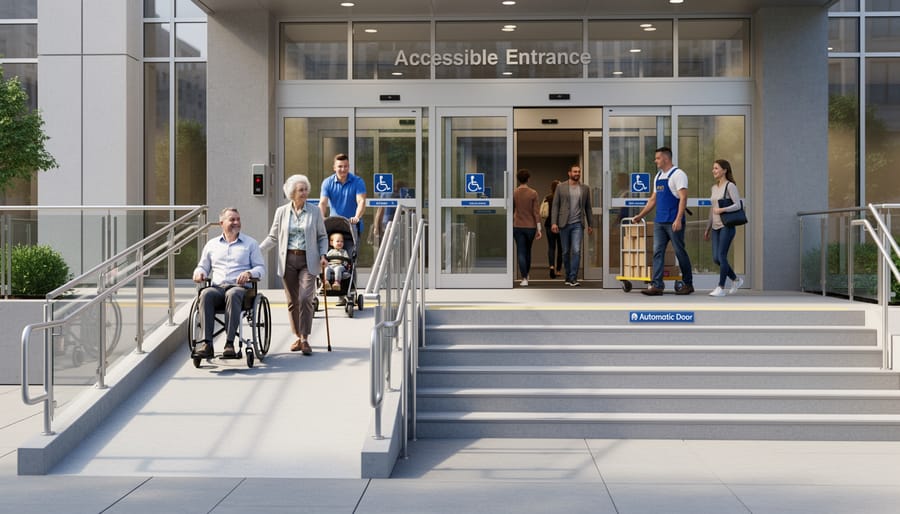
When communities invest in accessibility features for people with disabilities, everyone benefits from these thoughtful design improvements. Universal design for all abilities creates safer, more navigable spaces that serve the entire population across different life stages and circumstances.
Consider ramps and curb cuts, originally designed for wheelchair users. These features also help parents pushing strollers, travelers pulling luggage, cyclists, and delivery workers moving goods. Clear, easy-to-read signage benefits people with visual impairments while simultaneously helping newcomers to Canada navigate unfamiliar environments, seniors with declining vision, and anyone searching for directions in an emergency.
Automatic door openers assist wheelchair users and people with limited hand strength, but they’re equally valuable when you’re carrying groceries, recovering from a shoulder injury, or managing mobility aids like crutches. Ergonomic design elements such as lever-style door handles and adjustable countertops reduce strain for people with arthritis while preventing repetitive stress injuries in younger populations.
These accessibility improvements enhance community safety by reducing trip hazards and fall risks, which is especially important for Canada’s aging population. Wide hallways and doorways accommodate mobility devices while making movement easier during medical emergencies. When we design with disability inclusion in mind, we create environments that adapt to changing abilities throughout life, supporting independence and participation for everyone regardless of age, fitness level, or temporary limitations.
Inclusive Nutrition and Wellness Programs
Making nutrition education and wellness programs accessible to people with disabilities isn’t just about fairness—it’s essential for improving health outcomes across all Canadian communities. When these programs are designed with inclusion in mind, they reach more people and help prevent chronic diseases more effectively.
Accessible community nutrition programs consider diverse needs from the start. This means providing materials in multiple formats like large print, braille, or audio recordings, ensuring physical spaces accommodate wheelchairs and mobility devices, and offering virtual participation options for those who face transportation barriers. Cooking classes that include adaptive kitchen tools and techniques empower everyone to prepare healthy meals independently, building confidence alongside nutrition knowledge.
Wellness programs that incorporate sign language interpreters, accessible exercise equipment, and modified activities ensure people with disabilities can participate fully in disease prevention efforts. Research shows that when programs are truly inclusive, participants report better understanding of healthy eating principles and greater motivation to maintain positive lifestyle changes.
Health literacy improves significantly when information is presented in clear, simple language and reinforced through multiple learning methods—visual demonstrations, hands-on practice, and verbal explanations. This approach benefits not only people with disabilities but also seniors, newcomers to Canada, and anyone facing literacy challenges.
By removing barriers to nutrition and wellness education, communities create opportunities for all residents to gain the knowledge and skills needed to prevent diabetes, heart disease, and other chronic conditions. This inclusive approach strengthens public health while honoring the diverse abilities within our communities.

Resources and Support for Promoting Disability Inclusion
Canadians looking to advance disability inclusion have access to numerous resources and support systems designed to build more welcoming communities. The Government of Canada’s Enabling Accessibility Fund provides grants to organizations for projects that improve accessibility and remove barriers in workplaces and communities. This funding supports infrastructure modifications, technology improvements, and program development that directly benefit people with disabilities.
The Canadian Disabilities Benefits Act, implemented in 2024, offers financial assistance to help reduce poverty among working-age Canadians with disabilities, supporting their full participation in community life. Additionally, the Accessible Canada Act established standards and frameworks that organizations can use to create more inclusive environments.
Provincial and territorial governments offer complementary programs. For example, many provinces provide accessibility grants for community groups, workplace accommodation funding, and training resources for employers and service providers. Local community health centres often coordinate disability awareness workshops and community support programs.
Organizations like the Canadian Association for Community Living and the Council of Canadians with Disabilities provide educational materials, toolkits, and consultation services. These groups offer evidence-based guidance on implementing inclusive practices and connecting with disability advocates.
Many municipalities have accessibility advisory committees that welcome community participation and provide resources for local inclusion initiatives. Public libraries across Canada typically maintain accessible collections and host programs promoting disability awareness.
For workplace-specific support, the Canadian Centre on Disability Studies offers practical resources and research-based strategies. The Rick Hansen Foundation provides accessibility certification programs and consulting services.
These resources empower Canadians to take meaningful action, creating healthier, more connected communities where everyone can participate fully in social, economic, and recreational activities.
Building truly inclusive communities transforms how we all experience health and connection. Disability inclusion isn’t simply about accommodating differences—it’s about creating environments where everyone can participate fully, contribute meaningfully, and thrive together. Research consistently shows that inclusive communities experience stronger social bonds, reduced isolation, and improved mental health outcomes for all members, not just those with disabilities.
The good news is that meaningful change starts with small, concrete actions. Consider one step you can take this week: invite a colleague with a disability to collaborate on a project, advocate for accessible event spaces in your community group, or simply ask someone what accommodations would help them participate more fully. These individual efforts ripple outward, shifting norms and expectations.
Every barrier we remove and every voice we amplify strengthens the fabric of our communities. When we prioritize inclusion, we create spaces where diverse perspectives flourish, loneliness decreases, and collective wellbeing increases. Your action matters—whether you’re a parent, employer, volunteer, or neighbour. By choosing inclusion today, you’re investing in healthier, more vibrant communities for everyone tomorrow.