

Cardiometabolic nutrition for disease prevention means eating in a way that protects both your heart and your metabolism, reducing the risk of cardiovascular disease, type 2 diabetes, and metabolic syndrome through specific dietary choices proven to improve blood sugar control, cholesterol levels, and blood pressure. This approach doesn’t require extreme dieting or eliminating entire food groups. Instead, it focuses on strategic patterns like emphasizing fiber-rich whole grains, healthy fats from sources like olive oil and nuts, lean proteins, and abundant vegetables while limiting refined sugars, processed foods, and excess saturated fats.
The evidence is compelling. Studies consistently show that people who follow cardiometabolic nutrition principles can reduce their risk of heart attack by up to 30 percent and lower their chances of developing type 2 diabetes by nearly 60 percent. These aren’t abstract statistics. They represent real protection against conditions that affect millions of Canadians and significantly impact quality of life.
Understanding cardiometabolic health means recognizing how closely your cardiovascular system and metabolism work together. When you eat foods that spike blood sugar repeatedly, you create inflammation and stress that damages blood vessels and disrupts insulin function. When you choose nutrient-dense options that stabilize blood sugar and support healthy cholesterol, you’re building resilience against multiple diseases at once.
This guide provides the specific information you need to make confident food choices, understand which nutrients matter most, and adopt eating patterns backed by decades of research. For more comprehensive wellness strategies, visit Excellente Santé to explore additional evidence-based health guidance tailored for Canadians.
What Is Cardiometabolic Health?
Cardiometabolic health describes how well your cardiovascular system and metabolism work together. Think of it as the partnership between your heart, blood vessels, and the way your body processes energy from food. When this partnership functions smoothly, you’re protected against some of the most common chronic diseases facing Canadians today.
Your cardiovascular system keeps blood flowing to every cell, delivering oxygen and nutrients. Your metabolism controls how your body converts food into energy, stores nutrients, and regulates blood sugar. These two systems constantly communicate through hormones, inflammatory signals, and other chemical messengers. When one system struggles, it typically affects the other.
Health professionals track several markers to assess cardiometabolic health. Blood pressure measures the force of blood against your artery walls. High readings strain your heart and damage blood vessels over time. Cholesterol levels, particularly the balance between LDL and HDL cholesterol, indicate your risk for plaque buildup in arteries. Blood sugar and insulin levels reveal how effectively your cells use glucose for energy, with persistently high levels signaling diabetes risk or existing disease.
Inflammation ties everything together. While acute inflammation helps you heal from injuries, chronic low-grade inflammation quietly damages blood vessels and interferes with insulin function. This creates a cascade where metabolic problems fuel cardiovascular issues and vice versa.
The practical implication? Conditions like heart disease, type 2 diabetes, stroke, and metabolic syndrome rarely develop in isolation. They share common roots in how your body handles sugar, fat, and inflammation. This interconnection is actually good news: the same nutritional choices that protect your heart also support healthy blood sugar, making prevention more straightforward than managing separate problems. When you eat to support cardiometabolic health, you’re addressing multiple disease risks simultaneously.
The Core Nutrients That Support Cardiometabolic Health
Fiber: Your Metabolism’s Best Friend
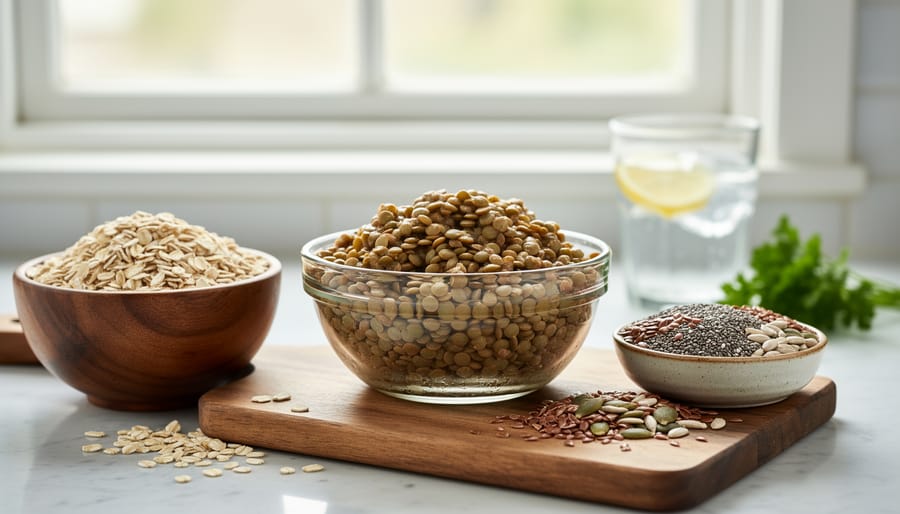
Fiber does double duty for your metabolism: it slows sugar absorption and feeds beneficial gut bacteria that influence inflammation and insulin sensitivity. Soluble fiber, found in oats, beans, apples, and barley, forms a gel in your digestive tract that blunts blood sugar spikes after meals and helps lower LDL cholesterol by binding bile acids. This is why regular intake of soluble fiber is linked to better blood sugar control and reduced heart disease risk. Insoluble fiber, from whole grains, vegetables, and nuts, speeds digestion and promotes regularity, which supports a healthier gut environment overall. Most Canadians get less than half the recommended 25 to 38 grams daily. Closing that gap doesn’t require drastic changes: swapping white rice for brown, choosing whole fruit over juice, and adding a handful of lentils to soup all add fiber without overhauling your meals. The metabolic benefits accumulate with consistency, not perfection.
Healthy Fats for Heart Protection
Your body needs fat, but choosing the right types makes the difference between protecting your heart and increasing your risk.
Omega-3 fatty acids, found in fatty fish like salmon, mackerel, and sardines, actively reduce inflammation throughout your cardiovascular system. They lower triglycerides, help stabilize heart rhythm, and may reduce blood clot formation. Two servings of fatty fish per week provides meaningful protection, though plant sources like ground flaxseed, chia seeds, and walnuts offer a different form of omega-3s that your body can partially convert.
Monounsaturated fats, abundant in olive oil, avocados, and nuts, improve your cholesterol profile by raising HDL (the helpful kind) while lowering LDL cholesterol. The Mediterranean diet reduces risk of cardiovascular disease partly because olive oil serves as the primary fat source, replacing butter and other saturated fats in everyday cooking.
The swap matters more than elimination. Using olive oil instead of butter for sautéing, choosing salmon over fried chicken, or snacking on almonds rather than chips shifts your fat intake toward types that support rather than damage your blood vessels. You don’t need to avoid all saturated fat, but making these healthier fats your default choice strengthens your heart’s foundation.
Antioxidants and Phytonutrients
Plant compounds called phytonutrients work quietly behind the scenes to protect your cardiovascular and metabolic systems from damage. When your cells use oxygen for energy, they create unstable molecules called free radicals. Too many of these can damage blood vessel walls and interfere with how your body uses insulin. Antioxidants from food neutralize these free radicals before they cause harm.
Different colored fruits and vegetables offer distinct protective compounds. Berries contain anthocyanins that reduce inflammation and improve blood vessel function. The lycopene in tomatoes protects LDL cholesterol from oxidative damage. Leafy greens provide lutein and zeaxanthin, which support healthy blood pressure. Citrus fruits deliver flavonoids that help blood vessels relax and dilate properly.
These compounds also enhance how your body metabolizes glucose and manages inflammation, two critical factors in preventing metabolic syndrome and diabetes. The more variety you include, the broader your protection. Aim for a rainbow of plant foods throughout your day, deep greens, bright oranges, rich purples, and vibrant reds. Fresh, frozen, and even canned options all retain beneficial phytonutrients, making it easier to get what you need year-round.
Eating Patterns That Reduce Cardiometabolic Risk
The Mediterranean-Style Approach
The Mediterranean approach centers on whole, minimally processed foods rather than rigid rules. This pattern emphasizes abundant vegetables, fruits, whole grains, legumes, nuts, and seeds as dietary staples. Olive oil serves as the primary fat source, while fish and seafood appear regularly, typically twice weekly. Poultry, eggs, and dairy products like yogurt and cheese are consumed in moderation, and red meat plays only an occasional role.
What makes this approach particularly powerful for cardiometabolic health is the synergy between its components. The high fiber intake from plant foods helps stabilize blood sugar and reduce cholesterol. Omega-3s from fish combat inflammation throughout the cardiovascular system. Polyphenols from olive oil and red wine (in moderation) protect blood vessels from oxidative damage. Meanwhile, the limited processed foods keep added sugars and unhealthy fats naturally low.
Research consistently shows that people following Mediterranean-style eating patterns have lower rates of heart disease, type 2 diabetes, and stroke compared to those eating typical Western diets. The beauty of this approach is its flexibility, it adapts easily to different cuisines and preferences while maintaining its protective benefits.
The DASH Diet for Blood Pressure and Beyond
The DASH diet was specifically designed to lower blood pressure, but decades of research have revealed benefits that extend far beyond hypertension. This eating pattern emphasizes fruits, vegetables, whole grains, lean proteins, and low-fat dairy while limiting sodium, saturated fat, and added sugars.
Studies show DASH reduces systolic blood pressure by an average of 11 points in people with hypertension, comparable to some medications. It also improves cholesterol profiles by lowering LDL cholesterol and triglycerides while maintaining or raising beneficial HDL cholesterol. People following DASH show better insulin sensitivity and reduced risk of developing type 2 diabetes.
The pattern works through multiple mechanisms: potassium, magnesium, and calcium from plant foods help regulate blood pressure, while the high fiber content supports healthy blood sugar control and weight management. The emphasis on whole foods naturally reduces inflammation throughout the body.
What makes DASH particularly practical is its flexibility. You don’t need special foods or complicated recipes. Focus on getting seven to nine servings of fruits and vegetables daily, choose whole grains over refined, include lean proteins, and gradually reduce sodium to 2,300 milligrams or less per day.
Plant-Forward Eating
A plant-forward approach centers your meals around vegetables, fruits, whole grains, legumes, nuts, and seeds while treating animal products as smaller portions or occasional choices rather than main features. This flexible pattern consistently shows benefits for cardiometabolic health in research studies.
The advantage lies in nutrient density. Plant foods deliver fiber, antioxidants, and beneficial compounds with minimal saturated fat and no dietary cholesterol. You don’t need to eliminate meat, dairy, or eggs entirely. Many people find success making plants the star of their plate and using animal proteins as flavoring or sides, adding grilled chicken to a large vegetable stir-fry, for example, or sprinkling cheese over bean-based chili instead of building the meal around a steak.
Foods to Emphasize for Disease Prevention
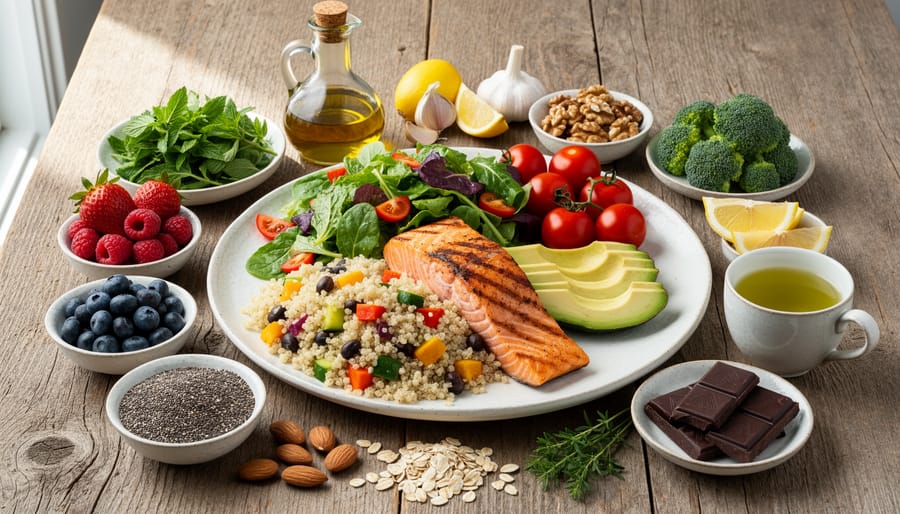
The strongest protection against cardiometabolic disease comes from foods that deliver multiple benefits at once. These aren’t exotic superfoods requiring a special budget; they’re practical staples you can find at any grocery store.
Fatty Fish
Salmon, mackerel, sardines, and trout provide omega-3 fatty acids that directly reduce inflammation and triglyceride levels. Two servings per week significantly lower heart disease risk. Canned varieties work just as well as fresh and cost less. Try mixing canned salmon into salads or pasta, or keep frozen fillets on hand for quick weeknight dinners.
Leafy Greens and Cruciferous Vegetables
Spinach, kale, Swiss chard, broccoli, and Brussels sprouts deliver nitrates that help blood vessels relax, plus fiber and potassium that support healthy blood pressure. Research shows people who eat these vegetables daily have markedly lower stroke risk. Steam them, sauté with garlic, or blend spinach into smoothies where you won’t taste it.
Berries
Blueberries, strawberries, and raspberries contain anthocyanins, compounds that improve insulin sensitivity and protect blood vessel function. A daily serving correlates with better blood sugar control. Frozen berries retain their nutrients and work perfectly in oatmeal, yogurt, or as a simple snack.
Whole Grains
Steel-cut oats, quinoa, brown rice, and whole wheat provide fiber that slows glucose absorption and feeds beneficial gut bacteria. Swapping refined grains for whole versions reduces type 2 diabetes risk by roughly 30 percent. Start your day with oatmeal topped with nuts and berries, or batch-cook quinoa for easy meal prep.
Nuts and Seeds
Almonds, walnuts, chia seeds, and ground flaxseed deliver healthy fats, plant protein, and magnesium. Studies show people who eat a small handful of nuts daily have lower rates of heart disease. Keep pre-portioned bags in your car or desk drawer for convenient snacking.
Legumes
Lentils, chickpeas, black beans, and kidney beans combine protein, fiber, and resistant starch that benefits both blood sugar and cholesterol. Adding beans to meals four times weekly improves multiple cardiometabolic markers. Canned versions need just a quick rinse before tossing into soups, salads, or grain bowls.
The goal isn’t perfection. Adding even two or three of these foods to your regular rotation creates meaningful protection.
Foods to Limit for Better Cardiometabolic Health
Understanding which foods to reduce doesn’t mean you can never enjoy them again. It’s about awareness and making strategic swaps that protect your heart and metabolism without feeling deprived.
The foods most strongly linked to cardiometabolic problems share common traits: they spike blood sugar rapidly, promote inflammation, or contribute to unhealthy cholesterol patterns. Research consistently shows that even modest reductions in these foods can measurably improve your health markers within weeks.
| Food Category to Limit | Why It Matters | Healthier Alternative |
|---|---|---|
| Sugar-sweetened beverages | Rapid blood sugar spikes, increased insulin resistance, linked to type 2 diabetes | Water with fruit slices, unsweetened tea, sparkling water |
| Ultra-processed snacks and meals | High in refined carbs, sodium, and unhealthy fats; disrupt metabolic signaling | Whole food snacks like nuts, fruit, vegetables with hummus |
| Refined grains (white bread, white rice) | Stripped of fiber and nutrients, cause sharp glucose fluctuations | Whole grains like quinoa, brown rice, whole wheat bread, oats |
| Processed meats (bacon, deli meats, sausages) | High sodium and saturated fat, linked to cardiovascular disease | Lean poultry, fish, beans, tofu, or occasional unprocessed meat |
| Foods high in added sugars (pastries, candy, sweetened yogurt) | Contribute to insulin resistance, inflammation, and unhealthy weight gain | Fresh fruit, Greek yogurt with berries, dark chocolate (70%+ cacao) |
Focus on progress, not perfection. If you currently drink three sodas daily, cutting back to one makes a real difference. Swap half your white rice for brown, or choose baked chicken instead of fried. These incremental changes add up to significant cardiometabolic benefits over time.
Pay attention to sodium, too. Most excess sodium comes from packaged and restaurant foods rather than your salt shaker. Reading labels helps you identify surprisingly salty products like bread, condiments, and canned soups. Choosing lower-sodium versions or cooking more meals at home gives you control without sacrificing flavor through herbs and spices.
The goal isn’t elimination but balance. An occasional treat won’t derail your health, but making these foods your dietary foundation will. Building meals around the protective foods covered earlier naturally crowds out the problematic ones.
Practical Tips for Building a Cardiometabolic-Friendly Plate
Building a plate that supports your heart and metabolism doesn’t require complicated meal planning or exotic ingredients. The key is creating a simple framework you can adapt to your preferences and lifestyle.
Start with the plate method: fill half your plate with vegetables and fruits, one-quarter with whole grains or starchy vegetables, and one-quarter with lean protein. This visual approach naturally balances the nutrients your cardiovascular and metabolic systems need without measuring or tracking.
Choose fiber-rich carbohydrates over refined ones. Swap white rice for brown rice or quinoa, regular pasta for whole wheat versions, and white bread for whole grain options. These switches increase your fiber intake while maintaining the comfort foods you enjoy. If whole grains feel too different at first, try mixing half white rice with half brown until your taste adjusts.
Add healthy fats strategically. Drizzle olive oil on vegetables, toss nuts into salads, or spread avocado on toast. A tablespoon of ground flaxseed in your morning smoothie or oatmeal boosts omega-3s without changing the flavor.
Prep vegetables in advance so they’re as convenient as less healthy options. Wash and chop vegetables on Sunday for quick weeknight cooking. Keep pre-washed salad greens and frozen vegetables on hand for days when fresh prep feels overwhelming.
Build flavor with herbs and spices instead of relying on salt. Garlic, ginger, turmeric, basil, and cumin add depth to meals while providing anti-inflammatory compounds. Experiment with one new spice each week to expand your repertoire gradually.
Consider timing your nutrition by front-loading calories earlier in the day when your metabolism is most active, and keeping evening meals lighter.
Batch cook proteins and grains on weekends. Grill several chicken breasts, cook a large pot of beans, or prepare a big batch of quinoa. Having these basics ready makes assembling cardiometabolic-friendly meals throughout the week much simpler.
Remember that perfection isn’t the goal. One balanced meal moves you toward better health, even if the next meal is less ideal. Consistency over time matters more than flawless execution at every eating occasion.

Beyond the Plate: Lifestyle Factors That Matter
Even the most carefully planned diet works best when supported by other healthy habits. Your food choices form the foundation of cardiometabolic health, but physical activity, sleep quality, and stress management amplify those benefits in ways nutrition alone cannot achieve.
Regular movement makes your body more responsive to insulin, lowers blood pressure, and improves how your heart pumps blood. You don’t need intense workouts, a 30-minute walk most days of the week delivers measurable cardiovascular and metabolic improvements. Strength training twice weekly adds another layer of protection by building muscle mass that helps regulate blood sugar.
The connection between heart and sleep runs deeper than most people realize. Poor sleep disrupts hormones that control hunger and blood sugar, raises inflammation, and increases blood pressure. Most adults need seven to nine hours nightly for optimal cardiometabolic function. Consistent sleep and wake times support this rhythm better than trying to catch up on weekends.
Chronic stress triggers hormonal changes that raise blood sugar, increase abdominal fat storage, and promote inflammation, all risk factors for heart disease and diabetes. Finding stress management techniques that fit your life, whether that’s meditation, time in nature, or connecting with friends, protects your metabolic health as meaningfully as choosing whole grains over refined ones.
These lifestyle factors work together. Exercise improves sleep quality. Better sleep makes healthy eating easier. Lower stress supports all of the above. Small improvements in each area create compounding benefits for your heart and metabolism.
Common Questions About Cardiometabolic Nutrition
Is eating for cardiometabolic health expensive?
Not necessarily. Focus on affordable staples like beans, lentils, oats, frozen vegetables, and seasonal produce. Buying whole foods in bulk and cooking at home typically costs less than relying on processed convenience foods.
Do I have to cook everything from scratch?
No. Smart convenience options like canned beans, frozen vegetables, pre-cut produce, and rotisserie chicken can support cardiometabolic health while saving time. The key is choosing minimally processed options and building simple meals around them.
What if I eat out frequently or travel for work?
Look for vegetable-forward options, choose grilled or baked proteins over fried, ask for dressings on the side, and don’t hesitate to request modifications. Most restaurants will accommodate requests to swap fries for vegetables or hold the cream sauce.
Is it too late to improve my cardiometabolic health if I’m older or already have risk factors?
Research consistently shows that improving your eating pattern benefits cardiovascular and metabolic health at any age, even if you already have elevated blood pressure, cholesterol, or blood sugar. Your body responds to better nutrition regardless of your starting point.
Many people worry that changing their eating habits requires perfection, but cardiometabolic nutrition is forgiving. You don’t need to eliminate entire food groups or follow rigid meal plans. What matters is the overall pattern, the cumulative effect of your choices over weeks and months. If you have a meal that doesn’t align with your goals, the next meal is an opportunity to course-correct.
Building health literacy helps you navigate conflicting nutrition information and make confident decisions. Understanding the basic principles behind cardiometabolic nutrition means you can adapt recommendations to your preferences, cultural traditions, and real-life circumstances rather than feeling locked into someone else’s meal plan.
Start by identifying one or two changes that feel manageable rather than overhauling everything at once. Maybe that’s adding a serving of vegetables to dinner, swapping refined grains for whole grains at breakfast, or including fatty fish once a week. Small, sustainable shifts create momentum and prove to yourself that improving your cardiometabolic health through food is entirely within reach.
You have more control over your cardiometabolic health than you might think. Every meal is an opportunity to support your heart, stabilize your blood sugar, and reduce inflammation. The food choices you make today shape your health tomorrow, next year, and decades from now.
The beauty of cardiometabolic nutrition is that you don’t need a complete overhaul. Adding a serving of vegetables to dinner, swapping refined grains for whole grains, or choosing fish once a week creates meaningful change. These small adjustments compound over time, gradually improving your blood pressure, cholesterol, and metabolic markers.
Your journey doesn’t require perfection. What matters is consistency and direction. Maybe you start by bringing more color to your plate through fruits and vegetables. Perhaps you experiment with beans in place of meat twice a week. Or you simply cook at home more often, giving yourself control over ingredients and portions.
The evidence is clear: what you eat directly affects your risk for heart disease, type 2 diabetes, and metabolic syndrome. But knowledge only becomes powerful when you act on it. Choose one change from this article that feels manageable for you right now. Implement it for two weeks and notice how it feels. Then build from there.
Your cardiometabolic health isn’t fixed by genetics or past habits. It responds to the patterns you create through daily choices. You’ve learned what works and why. Now it’s about taking that first step and trusting the process. Your heart and metabolism will thank you for it.