

When your child spits out their medication or refuses to swallow a pill, you’re facing more than just a behavioral challenge—you’re encountering a gap in how medicines are designed. Pediatric formulation addresses this critical issue by creating medications specifically tailored to children’s unique physiological needs, not simply scaled-down versions of adult drugs.
Children aren’t miniature adults. Their bodies absorb, process, and eliminate medications differently at every stage of development, from newborns to teenagers. A six-month-old’s liver metabolizes drugs at a different rate than a six-year-old’s, and both differ significantly from adult metabolism. Standard adult medications often contain dosages, ingredients, or delivery methods unsuitable or potentially harmful for younger patients.
This is where specialized pediatric formulations become essential. These medications are designed with children’s specific needs in mind: liquid forms for those who can’t swallow pills, pleasant flavors that encourage compliance, appropriate dosage strengths that allow precise administration, and excipients (inactive ingredients) that are safe for developing bodies. Some children also benefit from customized compounded medications when commercial options prove ineffective due to allergies, sensitivities, or unique dosing requirements.
Understanding pediatric formulation empowers you to have more informed conversations with your child’s healthcare provider. Whether you’re struggling with medication refusal, concerned about side effects, or questioning whether your child’s current prescription is truly appropriate for their age and size, knowing how pediatric medications should differ from adult versions helps you advocate effectively for your child’s health.
This guide will walk you through what makes pediatric formulations distinct, why these differences matter for treatment success and safety, and how to work with healthcare professionals to find the right medication solution for your child.
What Makes Pediatric Formulation Different

How Children’s Bodies Process Medicine Differently
Children’s bodies work quite differently from adults when processing medication, which is why specialized pediatric formulations are essential for safe and effective treatment. Understanding medical conditions in children requires recognizing these unique physiological differences.
One major difference involves stomach pH levels. Newborns and young children have higher stomach pH (less acidic) than adults, which affects how quickly medications dissolve and get absorbed into the bloodstream. This means a standard adult tablet might not break down properly in a child’s digestive system.
Kidney function also develops gradually through childhood. Since kidneys filter out many medications from the body, children with immature kidney function may process drugs more slowly, requiring different dosing schedules to prevent medication buildup. Healthcare providers must carefully adjust doses based on a child’s age and development stage.
The liver, responsible for breaking down most medications, produces different amounts of enzymes at various childhood stages. Some enzymes are less active in infants, while others work faster in young children than in adults. These physiologic differences between children and adults explain why the same medication might stay in a child’s system longer or shorter than expected.
Additionally, children have different body composition ratios, with more water and less fat than adults, affecting how medications distribute throughout their bodies. These factors combined demonstrate why pediatric formulations require specialized development rather than simply reducing adult doses.
Age-Specific Formulation Needs
Children’s bodies change dramatically from birth through adolescence, and their medication needs evolve just as rapidly. Understanding these age-specific requirements helps ensure your child receives the safest and most effective treatment at every stage.
Premature babies have underdeveloped organs and extremely sensitive systems, requiring highly specialized medications in very precise, tiny doses. Their livers and kidneys process medications differently than full-term infants, making standard dosing potentially dangerous.
Infants (birth to 12 months) cannot swallow pills and have limited ability to communicate discomfort. They need liquid formulations with carefully calculated dosing based on weight. Their developing digestive systems also absorb medications differently than older children, requiring adjustments to both dosage and timing.
Toddlers (1-3 years) are notoriously resistant to unpleasant-tasting medications. Formulations for this age group often include flavoring and may come in formats like dissolvable strips or chewable tablets. Safety features such as child-resistant packaging become essential as curiosity increases.
School-age children (4-12 years) begin developing the ability to swallow pills, though many still prefer liquids or chewables. At this stage, formulations can gradually transition toward more concentrated forms, reducing the volume of medication needed.
Teenagers face unique challenges as their bodies undergo rapid hormonal and physical changes. They may require adult-strength medications but still benefit from formulations that improve compliance, such as once-daily dosing that fits busy school schedules. Healthcare providers carefully monitor adolescents during this transition period to ensure medications remain both safe and effective.
Common Pediatric Conditions Requiring Specialized Formulations
Canadian children face a variety of health conditions that often require medications customized specifically for their age, size, and developmental stage. Understanding which conditions commonly benefit from specialized pediatric formulations helps parents recognize when to discuss customization options with their healthcare provider.
Respiratory conditions like asthma affect approximately one in five Canadian children and frequently require tailored formulations. Young children who cannot use standard inhalers effectively may need liquid medications or different delivery systems. Allergies and seasonal respiratory issues also commonly require age-appropriate antihistamines that consider a child’s weight and ability to swallow pills.
Chronic conditions such as epilepsy, attention deficit hyperactivity disorder (ADHD), and juvenile arthritis often necessitate long-term medication use in children. These common medical conditions benefit significantly from formulations that ensure accurate dosing, palatability, and appropriate delivery methods. A child who refuses bitter-tasting seizure medication, for example, may experience breakthrough seizures, making customized flavoring essential for treatment success.
Gastrointestinal issues including acid reflux, inflammatory bowel disease, and chronic constipation frequently affect pediatric patients. Children with these conditions often struggle with commercially available tablets or capsules, particularly when medications need to be taken multiple times daily. Compounded liquid suspensions or dissolvable formulations can improve compliance and therapeutic outcomes.
Infections requiring antibiotics remain common in childhood, from ear infections to strep throat. While many antibiotics come in pediatric formulations, some children have allergies to inactive ingredients like dyes or preservatives, necessitating customized versions. Additionally, children with multiple medication allergies may require specially compounded alternatives.
Specialized pediatric conditions such as cystic fibrosis, metabolic disorders, and immunodeficiencies often require medications that aren’t commercially available in appropriate pediatric strengths or forms. These situations particularly benefit from pharmacy compounding services.
Dermatological conditions like eczema, severe diaper rash, and psoriasis frequently need topical medications formulated at specific concentrations suitable for sensitive pediatric skin. Standard adult-strength preparations may be too potent or contain irritating ingredients inappropriate for children.
Mental health conditions, including anxiety and depression, increasingly affect Canadian youth. These conditions sometimes require medications started at lower doses than commercially available, then gradually adjusted based on response and tolerability.
If your child struggles with medication compliance, experiences side effects, or has a condition requiring precise dosing adjustments, discussing customized formulations with your healthcare provider can improve treatment effectiveness and your child’s overall wellbeing.
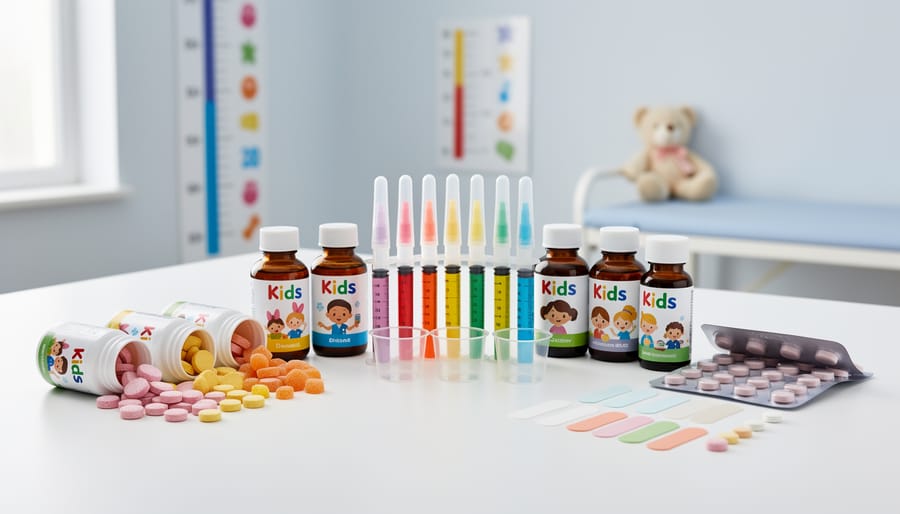
Types of Pediatric Formulations Available in Canada
Liquid Medications and Suspensions
Liquid medications and suspensions are the most widely used formulations for children, especially those under five who cannot safely swallow pills. These preparations allow healthcare providers to adjust doses precisely based on your child’s weight and age, ensuring they receive the right amount of medication every time.
When administering liquid medications, always use the measuring device provided with the prescription rather than household spoons, which can lead to inaccurate dosing. Shake suspension bottles well before each use, as the active ingredient can settle at the bottom. Many pharmacies in Canada offer flavouring options to improve taste acceptance, which can make medication time less stressful for both you and your child.
Proper storage is essential for maintaining medication effectiveness. Most liquid formulations should be stored at room temperature, though some antibiotics require refrigeration after opening. Always check the label for specific storage instructions and expiration dates. Once opened, many suspensions remain effective for only 7-14 days.
If your child consistently refuses their medication despite flavouring attempts, or if you notice unusual side effects, speak with your pharmacist or healthcare provider. They can explore alternative formulations or suggest practical strategies to help your child take their medication successfully.
Solid Formulations: Tablets, Capsules, and Chewables
Solid medications become appropriate once children can safely swallow without choking, typically around age 4 to 6, though this varies by child. Tablets and capsules offer precise dosing and longer shelf life compared to liquids, making them practical for families managing ongoing treatments.
Chewable tablets serve as an excellent transition option for children moving from liquid medicines. They’re formulated to break down easily and often include child-friendly flavours to improve acceptance. However, parents should ensure their child actually chews these tablets rather than swallowing them whole, as proper breakdown affects how the medication works.
When introducing solid formulations, start with smaller tablets or consider splitting larger ones if your pharmacist confirms it’s safe to do so. Some medications have special coatings that shouldn’t be broken. Never crush or split tablets without professional guidance, as this can alter how the medication releases in the body.
Practical tips include having your child practice with small food items like mini candies, taking medication with a favourite drink, and positioning their chin slightly down when swallowing. If your child struggles consistently, speak with your healthcare provider about alternative formulations rather than forcing solid forms, which could create negative associations or safety concerns.
Alternative Delivery Methods
When traditional pills or liquids don’t work for your child, several alternative delivery methods can make medication easier and more effective. These options are particularly helpful for children who have difficulty swallowing, experience nausea, or need consistent medication levels throughout the day.
Transdermal patches offer a needle-free way to deliver medication through the skin over extended periods. They’re especially useful for managing chronic conditions or preventing motion sickness, providing steady doses without multiple daily administrations.
Suppositories can be valuable when children are vomiting, unconscious, or unable to take anything by mouth. While they may seem uncomfortable, they’re sometimes the most practical option for delivering fever-reducing or anti-nausea medications.
Inhalers and nebulizers deliver medication directly to the lungs, making them essential for managing asthma and respiratory conditions. Modern devices come in child-friendly designs with spacers that make breathing in the medication easier for younger children.
Nasal sprays provide quick absorption for certain medications, including those for allergies, pain relief, and even some vitamins. They work faster than oral medications because they bypass the digestive system.
Your healthcare provider can help determine which delivery method best suits your child’s specific needs, age, and condition. Don’t hesitate to discuss concerns about administration difficulties—there’s often an alternative solution that works better for your family’s situation.
Customized Pediatric Treatments: When Standard Won’t Work
What Compounding Can Do for Your Child
Compounding pharmacies offer personalized solutions when standard medications don’t meet your child’s needs. This specialized service creates customized medications tailored specifically to your child’s requirements, making treatment easier and more effective.
If your child has allergies, compounding pharmacists can reformulate medications to remove problematic ingredients like dyes, lactose, gluten, or artificial sweeteners. This ensures your child receives necessary treatment without triggering allergic reactions or sensitivities that might occur with commercial formulations.
Taste is often the biggest obstacle to medication compliance in children. Compounding pharmacies can transform bitter or unpleasant medications into kid-friendly flavors like strawberry, bubblegum, or grape. This simple modification can turn medication time from a daily struggle into a stress-free routine for both you and your child.
When standard dosages don’t align with your child’s weight or condition, compounding allows precise strength adjustments. This is particularly valuable for infants, toddlers, or children with unique medical needs who require doses not commercially available treatment options.
Alternative delivery forms provide additional flexibility. If your child struggles with swallowing pills, compounding pharmacists can create liquids, gummies, lozenges, topical creams, or transdermal gels. Children with feeding tubes can receive medications in appropriate liquid formulations, while transdermal options work well for children with digestive sensitivities.
These customizations ensure your child receives optimal therapeutic benefits while minimizing stress and maximizing medication adherence, ultimately supporting better health outcomes.
Finding Compounding Pharmacies in Canada
Finding a qualified compounding pharmacy in Canada requires some research, but several resources can help. Start by asking your pediatrician for recommendations, as they often work with trusted compounding pharmacies in your area. The Neighbourhood Pharmacy Association of Canada maintains directories of member pharmacies that offer compounding services.
When you contact a compounding pharmacy, ask about their experience with pediatric formulations specifically. Inquire whether they have specialized training in preparing children’s medications and if they follow quality standards set by provincial pharmacy regulatory bodies. It’s important to confirm they can create the specific formulation your child needs, whether it’s a flavoured liquid, topical cream, or another custom form.
Before your appointment, prepare a list of your child’s allergies, current medications, and any past medication difficulties like taste aversions or swallowing problems. Discuss dosing schedules that work with your family’s routine and ask about proper storage instructions. Your compounding pharmacist should work closely with your pediatrician to ensure the customized medication is safe, effective, and appropriate for your child’s age and condition. Don’t hesitate to ask questions about ingredients, potential side effects, or alternative flavouring options to find the best solution for your child.
The Taste Factor: Why Palatability Matters
If you’ve ever struggled to convince your child to take their medicine, you’re not alone. One of the biggest challenges parents face is medication refusal, and taste is often the culprit. Research shows that palatability influences medication compliance, making it a critical factor in pediatric formulation design.
Children have more taste buds than adults and are particularly sensitive to bitter flavours, which many medications naturally possess. When a medicine tastes unpleasant, children may spit it out, resist taking future doses, or develop anxiety around medication time. This can lead to incomplete treatment and potentially serious health consequences.
Modern pediatric formulations address taste challenges through several innovative approaches. Pharmaceutical companies now use flavour masking techniques that coat bitter active ingredients, preventing them from touching the tongue’s taste receptors. Popular flavours like strawberry, grape, and bubblegum make medicine more appealing while maintaining therapeutic effectiveness. Some formulations also incorporate sweeteners specifically approved for pediatric use and adjust the texture to be more palatable for young patients.
When taste remains an issue despite these advances, parents can try several evidence-based strategies to help:
- Mix liquid medications with a small amount of applesauce or yogurt if your pharmacist confirms this won’t affect absorption
- Offer a favourite drink immediately after medication to wash away any lingering taste
- Use a medicine dispenser that delivers liquid to the back of the cheek, bypassing many taste buds
- Keep medications refrigerated when permitted, as cold temperatures can reduce taste intensity
- Create a positive routine with praise or small rewards after successful medication administration
Never disguise medication in a full meal or bottle, as your child may not consume everything and miss part of their dose. Always check with your pharmacist before mixing medications with food or beverages, as some combinations can reduce effectiveness. If taste issues persist, speak with your healthcare provider about alternative formulations or flavouring options that might work better for your child.

Safety Considerations in Pediatric Formulations
When it comes to children’s medications, safety extends far beyond the active ingredient. Understanding what else goes into pediatric formulations can help you make informed decisions and watch for potential concerns.
Excipients are inactive ingredients that help deliver medication effectively. While generally safe, some can pose risks for children. For example, propylene glycol, commonly used as a solvent, can cause toxicity in newborns and young infants whose bodies cannot process it efficiently. Benzyl alcohol, once widely used as a preservative, has been linked to serious complications in premature babies. Canadian healthcare regulations carefully monitor these substances, but parents should still ask pharmacists about excipient content, especially for infants and children with known sensitivities.
Preservatives keep medications safe from bacterial contamination, particularly important in liquid formulations. However, some children may react to common preservatives like parabens or sodium benzoate. If your child experiences unexplained reactions to medication, the preservative rather than the active ingredient might be responsible. Your pharmacist can often recommend preservative-free alternatives when necessary.
Allergen awareness is crucial when selecting pediatric medications. Many formulations contain ingredients derived from common allergens including dairy, soy, gluten, or artificial dyes. Children with food allergies or celiac disease need special attention to these hidden ingredients. Always inform your healthcare provider about any allergies your child has, and carefully read medication labels. Pharmacists can help identify allergen-free options that meet your child’s needs.
Dosing accuracy represents one of the most critical safety considerations. Small measurement errors can lead to underdosing, which reduces effectiveness, or overdosing, which increases risk of side effects. Always use the measuring device provided with liquid medications rather than household spoons, which vary significantly in size. Oral syringes marked with clear measurements offer the most precision. If you’re unsure about the correct dose or how to measure it properly, ask your pharmacist for a demonstration.
Remember that children’s growing bodies respond differently to medications at various developmental stages. What’s safe for a school-aged child might not be appropriate for a toddler. Never share medications between siblings of different ages, and always follow the specific dosing instructions provided for your child’s age and weight. When in doubt, consult your healthcare provider before administering any medication.

Working With Your Healthcare Team
Your child’s healthcare team is your most valuable resource when navigating medication options. Building a collaborative relationship with your pediatrician, pharmacist, and any specialists ensures your child receives the most effective formulation for their specific needs.
Start by being open about any challenges you’re experiencing with your child’s current medication. Whether it’s difficulty swallowing pills, taste refusal, or concerns about pediatric health concerns, sharing these details helps your healthcare team identify better solutions. Don’t hesitate to ask questions about why a particular formulation was chosen and whether alternatives exist.
When discussing medication options with your healthcare providers, follow these steps to advocate effectively for your child:
- Describe your child’s specific needs, including age, weight, ability to swallow, taste preferences, and any allergies or sensitivities.
- Ask about all available formulation options such as liquids, chewable tablets, dissolvable strips, or compounded medications.
- Inquire about the medication’s taste, texture, and whether it can be mixed with food or beverages.
- Request information on proper storage, administration techniques, and what to do if a dose is missed or rejected.
- Clarify potential side effects and warning signs that require immediate medical attention.
Your pharmacist can be particularly helpful in finding practical solutions. They may suggest flavoring options for liquid medications or demonstrate measurement techniques to ensure accurate dosing.
Keep a medication journal noting your child’s responses, any difficulties encountered, and questions that arise between appointments. This information helps your healthcare team make informed adjustments. Remember, finding the right formulation sometimes requires trial and adjustment, and your observations are essential to this process. Working together as partners in your child’s care leads to the best outcomes.
Ensuring your child receives medication in the right form can make all the difference in their treatment success and overall health outcomes. Proper pediatric formulations aren’t just about convenience—they’re essential for delivering the correct dosage, minimizing side effects, and helping your child actually take their medicine as prescribed. When children consistently refuse medication or experience problems with standard formulations, their conditions may go untreated or poorly managed, affecting their development and quality of life.
The good news is that you have options. If your child struggles with pills, dislikes the taste of their medication, or experiences unwanted side effects, you don’t have to simply accept these challenges. Compounding pharmacies across Canada can create customized solutions tailored specifically to your child’s needs—whether that’s a pleasant-tasting liquid, a topical cream, or a different strength that matches their exact requirements.
As a parent or caregiver, you are your child’s best advocate. Don’t hesitate to ask your pharmacist or healthcare provider about alternative formulations if something isn’t working. Questions about flavoring options, different delivery methods, or dosage adjustments are always welcome and important. Healthcare professionals understand that children aren’t small adults, and they’re equipped to help you find solutions that work.
Remember, specialized pediatric formulations are both available and accessible throughout Canada. By working collaboratively with your healthcare team and speaking up when challenges arise, you can ensure your child receives safe, effective treatment that supports their healthy growth and development.