
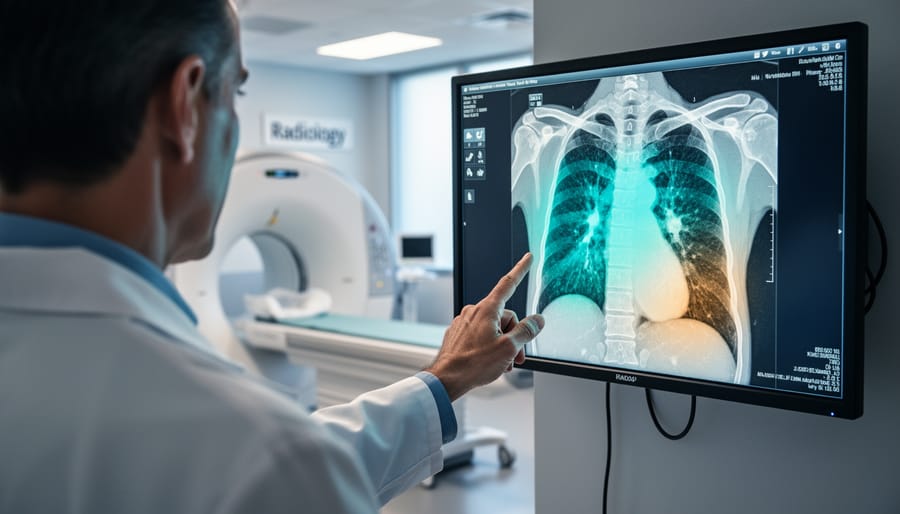
Imagine receiving a diagnosis in minutes instead of months, with artificial intelligence analyzing your medical images, symptoms, and test results more accurately than ever before. AI-powered diagnostic tools are revolutionizing how Canadians detect diseases, combining machine learning algorithms with medical expertise to identify conditions from cancer to heart disease at their earliest, most treatable stages.
These advanced systems work by analyzing vast amounts of medical data—thousands of X-rays, MRIs, patient records, and research studies—to recognize patterns that human eyes might miss. When your doctor orders a scan, AI software can flag suspicious areas, compare your results against millions of similar cases, and provide probability assessments within seconds. This doesn’t replace your healthcare provider’s judgment; instead, it acts as a powerful second opinion that enhances diagnostic accuracy and speeds up the process.
The technology transforming Canadian healthcare is already making real-world impacts. AI diagnostic tools are helping radiologists detect breast cancer up to two years earlier, identifying diabetic retinopathy before vision loss occurs, and predicting heart attacks by analyzing subtle changes in cardiac imaging. Provincial healthcare systems across Canada are integrating these tools into hospitals and clinics, making cutting-edge diagnostic support increasingly accessible.
However, understanding both the capabilities and limitations of AI diagnostics matters for your health decisions. These tools excel at pattern recognition and data analysis but require human oversight for context, patient history, and treatment planning. As you navigate your healthcare journey, knowing how AI diagnostic tools work, when they’re most beneficial, and what questions to ask your doctor will help you make informed choices about incorporating these innovations into your care. This guide provides the evidence-based information you need to understand and confidently use AI-powered diagnostics.
What Are AI-Powered Diagnostic Tools?
The Technology Behind the Tools
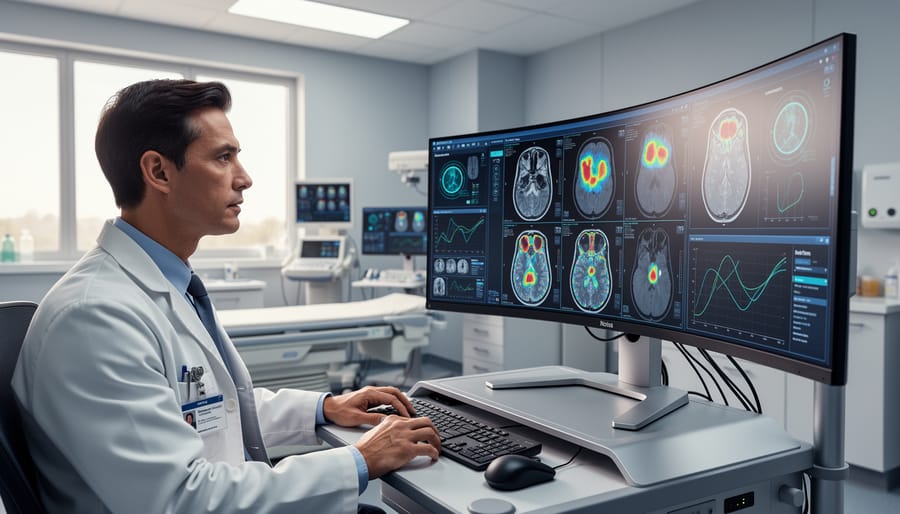
Think of AI diagnostic tools like a medical student who’s studied thousands upon thousands of case files, but with a photographic memory. While a human doctor might see a few hundred cases of a specific condition throughout their career, AI systems can analyze millions of medical images, lab results, and patient records to spot patterns that would be nearly impossible for any single person to detect.
Here’s how it works: Machine learning algorithms are trained on vast databases of diagnosed cases. For example, an AI designed to detect skin cancer reviews countless images of both cancerous and benign moles, learning the subtle differences between them. It’s similar to how you learned to recognize your friend’s face in a crowd – by seeing it many times and noting what makes it unique.
The AI doesn’t just memorize; it identifies patterns. It might notice that certain combinations of symptoms, lab values, or image characteristics consistently appear together in specific diseases. This pattern recognition happens at a speed and scale beyond human capability.
Canadian healthcare researchers validate these tools rigorously before clinical use. The AI’s recommendations are cross-checked against expert diagnoses to ensure accuracy. It’s important to understand that these tools work alongside your healthcare provider, not instead of them. They flag potential concerns and highlight details that warrant closer attention, helping doctors make more informed decisions about your care. The technology serves as a supportive second opinion, combining AI’s pattern-recognition strength with your doctor’s clinical expertise and understanding of your unique health situation.
Types of AI Diagnostic Tools Available Today
AI diagnostic tools are transforming how healthcare providers identify and monitor health conditions. Today, several categories are helping both doctors and patients make more informed decisions about care.
Imaging analysis tools use AI to examine X-rays, MRIs, and CT scans, detecting abnormalities like tumors or fractures with remarkable precision. These systems can spot patterns that might be missed by the human eye, supporting radiologists in their work.
Symptom checkers help you understand what might be causing your health concerns. By answering questions about your symptoms, these tools provide possible explanations and guidance on whether you should seek medical attention.
Predictive risk assessment tools analyze your health data, including information from wearable health technology, to estimate your risk for conditions like diabetes, heart disease, or stroke. This early warning system helps you take preventive action.
Laboratory result interpreters review blood tests and other lab work, flagging concerning values and helping healthcare providers prioritize patient care. These tools work alongside medical professionals to ensure nothing important gets overlooked in your health monitoring.
Conditions AI Can Help Detect Early
Cancer Detection and Screening
AI-powered diagnostic tools are showing remarkable promise in detecting cancer at earlier, more treatable stages. In Canada, where lung, breast, colorectal, and prostate cancers are among the most common, these technologies are making a significant difference in patient outcomes.
Advanced AI algorithms can analyze medical imaging scans, including mammograms, CT scans, and MRIs, to identify suspicious patterns that might be missed by the human eye. Studies have shown that AI systems can detect breast cancer in mammograms with accuracy rates comparable to or exceeding experienced radiologists. For lung cancer screening, AI tools are helping identify tiny nodules in chest scans that may indicate early-stage disease.
What makes these systems particularly valuable is their consistency. AI doesn’t experience fatigue or distraction, analyzing each image with the same level of attention. This helps reduce false negatives while also minimizing unnecessary follow-up procedures from false positives.
Several Canadian cancer centres are already integrating AI screening tools into their diagnostic workflows. These systems work alongside radiologists and oncologists, serving as a second set of eyes to enhance accuracy rather than replacing medical professionals. Early detection through AI-assisted screening means more treatment options and significantly improved survival rates for many cancer patients across the country.
Heart Disease and Cardiovascular Risk
AI-powered tools are transforming how doctors detect and manage heart disease, one of the leading health concerns for Canadians. These advanced systems analyze electrocardiograms (ECGs or heart rhythm recordings) with remarkable precision, often identifying irregular patterns that might signal atrial fibrillation, heart attacks, or other cardiac conditions before symptoms become severe.
What makes these tools particularly valuable is their ability to combine multiple data sources. AI algorithms can assess your heart rhythm alongside factors like blood pressure readings, cholesterol levels, family history, and lifestyle habits to create a comprehensive cardiovascular risk profile. This helps your healthcare provider predict your likelihood of experiencing a cardiac event in the coming years.
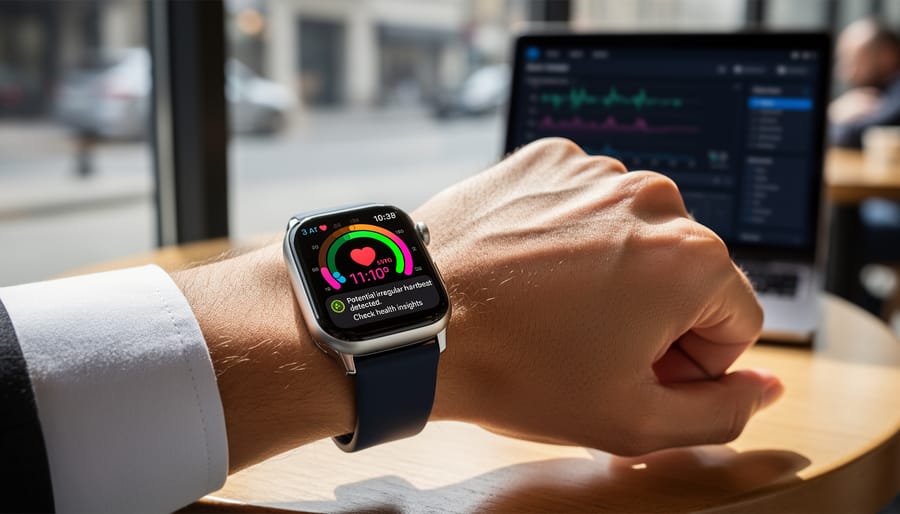
Some AI systems can now detect heart problems through smartwatch data, alerting users to seek medical attention when abnormal rhythms occur. While these consumer devices show promise, they work best as early warning systems rather than replacements for professional medical assessment.
Canadian cardiologists increasingly use AI to prioritize which patients need urgent intervention and to personalize treatment plans. The technology helps identify subtle warning signs in routine tests that human eyes might miss, potentially catching heart disease at more treatable stages. Always discuss any AI-generated findings with your doctor to understand what they mean for your specific situation.
Mental Health Assessment Tools
AI is making significant advances in mental health diagnostics by analyzing patterns that might be difficult for humans to detect consistently. These tools examine speech patterns, including tone, pace, and word choice, to identify potential signs of depression, anxiety, or other conditions. Some systems analyze smartphone usage patterns, sleep data, and activity levels to flag concerning behavioral changes that may warrant professional attention.
Several Canadian healthcare providers are piloting AI-powered mental health screening tools that combine self-reported symptoms with objective data analysis. These platforms can help identify individuals who might benefit from early intervention and provide clinicians with detailed insights to support their assessments.
It’s important to understand that these AI tools are designed to support, not replace, mental health professionals. They can improve screening efficiency and help bridge gaps in access to care, particularly in remote communities. However, a comprehensive mental health diagnosis still requires evaluation by a qualified clinician who can consider your full context, personal history, and individual circumstances. If you’re concerned about your mental health, speak with your healthcare provider about available assessment options.
Diabetes and Metabolic Conditions
AI is making significant strides in predicting and managing diabetes and metabolic conditions. These tools analyze multiple health indicators—including blood glucose patterns, body composition, physical activity levels, and family history—to assess your risk of developing type 2 diabetes years before symptoms appear. For Canadians already managing diabetes, AI-powered continuous glucose monitors can predict blood sugar fluctuations and send alerts to help prevent dangerous highs and lows. Some platforms connect metabolic data with nutrition and fitness tracking, providing personalized recommendations for meal timing, exercise intensity, and lifestyle adjustments. Research shows these AI systems can identify pre-diabetes with over 80% accuracy, giving you valuable time to make preventive changes. While these tools offer helpful insights, they work best alongside regular check-ups with your healthcare provider who can interpret results within your complete health picture and adjust your care plan accordingly.
The Benefits for Canadian Patients
Earlier Detection Means Better Outcomes
When it comes to serious health conditions, timing matters tremendously. Medical research consistently shows that detecting diseases in their earliest stages leads to significantly better treatment outcomes and improved quality of life.
For many cancers, early detection can mean the difference between a five-year survival rate of over 90 percent versus less than 30 percent for late-stage diagnosis. Breast cancer caught at stage one, for example, has a 99 percent five-year survival rate compared to 27 percent when detected at stage four. Similarly, catching heart disease before a major cardiac event allows doctors to implement lifestyle changes and medications that can prevent heart attacks entirely.
Early diagnosis also means less aggressive treatment. Patients diagnosed early often avoid extensive surgeries, intensive chemotherapy, or prolonged hospital stays. This translates to fewer side effects, lower healthcare costs, and better preservation of daily functioning.
AI-powered diagnostic tools excel at identifying subtle patterns that might indicate disease before symptoms appear or become severe. By analyzing medical images, lab results, and patient data with remarkable precision, these technologies are helping Canadian healthcare providers catch conditions earlier than ever before, giving patients the best possible chance for successful treatment and recovery.
Reducing Wait Times and Improving Access
Canada’s lengthy healthcare wait times are well-documented, with many patients waiting weeks or months for diagnostic imaging and specialist consultations. AI-powered diagnostic tools offer promising solutions by analyzing medical images and test results in minutes rather than days, helping prioritize urgent cases and streamline workflows. These technologies can pre-screen imaging studies, flagging critical findings that need immediate attention while routine cases follow standard timelines.
For rural and remote communities, AI diagnostics are particularly valuable. Many smaller facilities lack on-site specialists, forcing patients to travel long distances or wait for visiting physicians. AI tools enable local healthcare providers to access specialist-level analysis remotely, supporting faster decision-making without requiring patient travel. This technology complements telemedicine initiatives, improving access in rural areas where healthcare resources are limited.
Several Canadian hospitals have already reported reduced wait times for diagnostic results after implementing AI systems. While these tools don’t replace human expertise, they help maximize existing healthcare resources, ensuring Canadians receive timely care regardless of location. As these technologies expand, they represent an important step toward more equitable healthcare access across the country.
More Personalized Care Decisions
AI-powered diagnostic tools are transforming healthcare from a one-size-fits-all approach to truly personalized medicine. These advanced systems analyze your complete health picture—including your medical history, current symptoms, lifestyle habits, family history, and even genetic information when available—to provide recommendations tailored specifically to you.
Rather than comparing you to general population averages, AI algorithms can identify patterns unique to your situation. For example, the same symptom might indicate different conditions in two people based on their age, lifestyle, and health background. AI processes these individual factors simultaneously, helping your healthcare provider develop treatment plans that account for how your body specifically responds to medications, what prevention strategies suit your daily routine, and which health risks you should prioritize.
This personalized approach is particularly valuable for Canadians managing chronic conditions or seeking preventive care. The technology considers factors like your activity level, dietary preferences, stress patterns, and environmental exposures to recommend interventions that fit realistically into your life, increasing the likelihood you’ll follow through and achieve better health outcomes.
What to Expect When Using AI Diagnostic Tools
In Your Doctor’s Office
During your next medical appointment, you may notice your doctor using AI tools to support their clinical decisions. These technologies typically work alongside your physician, analyzing medical images, reviewing lab results, or identifying patterns in your symptoms that might warrant further investigation.
Many Canadian clinics now use AI algorithms to help interpret chest X-rays, skin lesions, or eye scans, providing a second analysis that your doctor considers alongside their own expertise. You might also see AI-powered systems flagging potential drug interactions or suggesting screening tests based on your medical history and risk factors.
It’s important to understand that AI serves as a decision-support tool, not a replacement for your doctor’s judgment. Your physician remains responsible for your diagnosis and treatment plan, using AI insights as one piece of information among many. Feel comfortable asking questions about any AI tools involved in your care. Your doctor should be able to explain how these systems work and why they’re being used.
Most patients won’t notice dramatic changes to their appointments. The technology operates behind the scenes, potentially making consultations more thorough and efficient. Your role remains the same: provide accurate information about your symptoms, ask questions, and work collaboratively with your healthcare team to make informed decisions about your health.
Consumer Health Apps and Devices
AI technology has moved beyond hospitals and clinics, putting powerful health monitoring tools directly in your hands. Today’s consumer health apps and devices use artificial intelligence to track vital signs, detect irregular heart rhythms, monitor sleep patterns, and even screen for certain skin conditions through your smartphone camera.
Popular options include smartwatches that alert users to abnormal heart rates, apps that analyze cough sounds for respiratory concerns, and devices that monitor blood glucose trends. While these tools offer convenient health insights, it’s important to choose wisely. Look for products approved by Health Canada or that have undergone clinical validation studies. Check if the company shares its data sources and accuracy rates transparently.
Remember that consumer AI tools work best as supplements to, not replacements for, professional medical care. They’re excellent for tracking trends and catching potential concerns early, but any worrisome findings should always be discussed with your healthcare provider. Consider starting with one device or app that addresses your specific health goals, and give yourself time to understand its features before expanding your digital health toolkit.
Understanding the Limitations
AI as a Support Tool, Not a Replacement
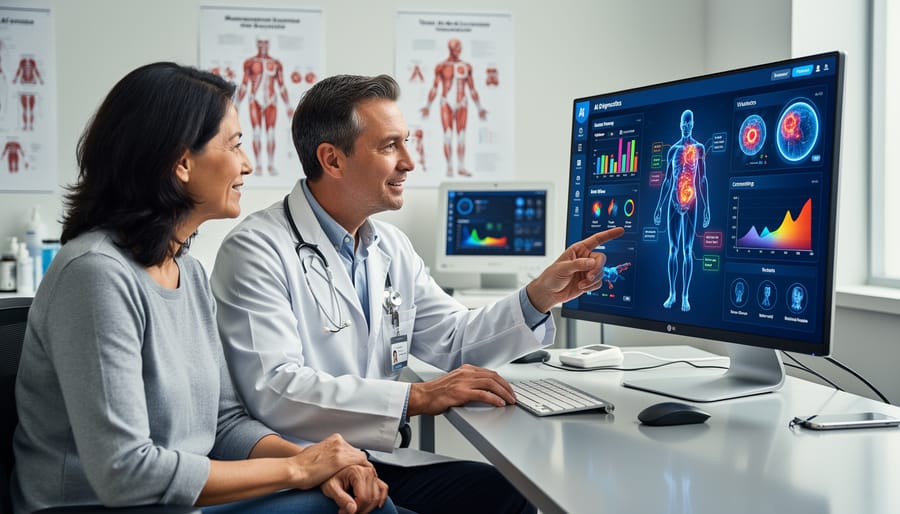
It’s important to understand that AI-powered diagnostic tools are designed to support your healthcare team, not replace them. These technologies work best when they complement the expertise, experience, and compassion that your doctor brings to your care.
AI excels at analyzing large amounts of data quickly and identifying patterns that might be easy to miss. However, your physician brings essential context to every diagnosis—understanding your unique medical history, lifestyle factors, family circumstances, and personal health goals. This human judgment remains irreplaceable in making treatment decisions that are right for you as an individual.
The physician-patient relationship also provides something AI cannot offer: empathy, reassurance, and the ability to address your concerns in a personalized way. Your doctor can explain complex medical information in terms you understand, answer your questions, and adjust recommendations based on your feedback.
Think of AI as a highly sophisticated assistant that helps your healthcare provider make more informed decisions faster. When your doctor uses these tools, they’re combining cutting-edge technology with years of medical training and their understanding of you as a person. This partnership between human expertise and artificial intelligence creates the strongest foundation for accurate diagnosis and effective treatment planning.
Privacy and Data Security Considerations
When using AI-powered diagnostic tools, health data privacy is a valid concern for many Canadians. Your medical information is highly sensitive, and understanding how it’s protected is essential.
In Canada, healthcare data is governed by strong privacy legislation. The Personal Information Protection and Electronic Documents Act (PIPEDA) and provincial privacy laws regulate how organizations collect, use, and store your health information. These laws require your explicit consent before sharing data and mandate that companies implement security measures to protect against breaches.
When considering AI diagnostic tools, look for those that are transparent about data practices. Reputable platforms encrypt your information, store data on secure Canadian servers, and clearly explain their privacy policies. Many tools also anonymize data used for AI training, removing identifying details.
Before using any AI health tool, verify that it complies with Canadian privacy standards. Check whether the company is certified by relevant health authorities and read their privacy policy carefully. You have the right to know how your data will be used, who can access it, and how long it will be retained. Remember, legitimate healthcare providers will never pressure you to share information without proper safeguards in place.
Making AI Diagnostics Work for Your Health
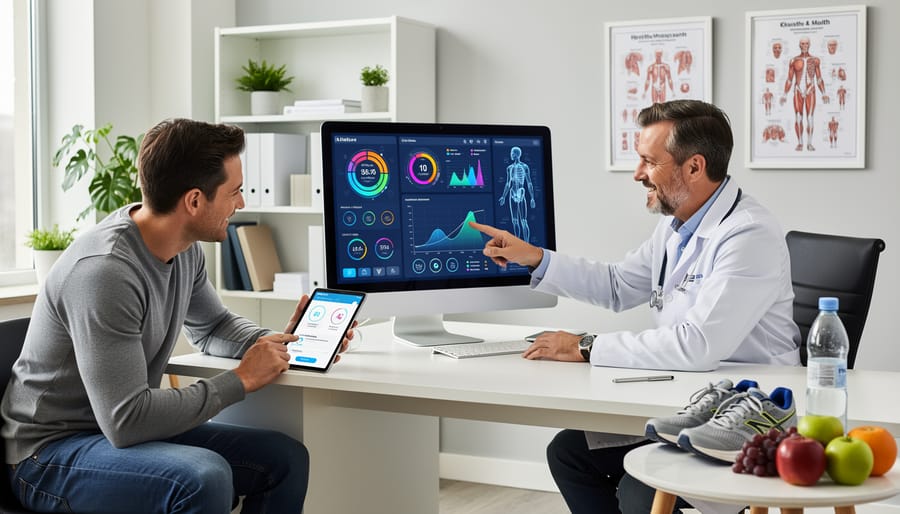
Questions to Ask Your Healthcare Provider
Being informed about AI diagnostic tools helps you participate actively in your healthcare decisions. Consider asking your healthcare provider these important questions during your next appointment:
Are you using any AI-powered diagnostic tools to assess my condition? Understanding which technologies support your diagnosis helps you know what’s influencing your care decisions.
How does this AI tool improve accuracy compared to traditional methods? This reveals the specific benefits the technology provides in your situation.
What data does the AI analyze, and where does that information come from? Knowing the sources helps you understand how the tool reaches its conclusions.
Will a healthcare professional review the AI’s findings before making treatment recommendations? Confirmation of human oversight ensures balanced, personalized care.
Are there any limitations I should know about with this technology? Every tool has boundaries, and understanding them helps set realistic expectations.
How will my privacy be protected when using AI diagnostic tools? This addresses important concerns about data security and confidentiality.
These conversations demonstrate your engagement in your health journey while building trust with your healthcare team.
Combining AI Insights with Lifestyle Changes
AI diagnostic tools provide valuable data, but their real power emerges when you translate insights into meaningful lifestyle changes. If an AI screening identifies elevated cardiovascular risk, for example, you can work with your healthcare provider to develop a targeted nutrition plan focusing on heart-healthy foods and appropriate exercise routines. Similarly, AI mental health assessments can highlight patterns in your mood or stress levels, guiding you toward evidence-based stress management techniques or prompting conversations with a mental health professional.
Think of AI diagnostics as your personalized roadmap rather than a final destination. The information these tools generate becomes most valuable when combined with professional guidance and sustainable lifestyle modifications. Whether addressing fitness goals, nutritional needs, or mental wellness concerns, use AI insights as a starting point for constructive conversations with your healthcare team. This collaborative approach ensures you’re making informed decisions grounded in both cutting-edge technology and expert medical knowledge, ultimately supporting your journey toward better health outcomes.
AI-powered diagnostic tools represent an exciting step forward in healthcare, offering earlier detection, personalized insights, and more accessible health monitoring. As these technologies continue to evolve and become integrated into Canadian healthcare settings, they have the potential to help you catch health concerns sooner and make more informed decisions about your well-being.
Remember that these tools work best as part of a comprehensive approach to health. They complement, rather than replace, the expertise of your healthcare providers. Think of AI diagnostics as an additional layer of support in your health journey—one that can help identify patterns, flag potential concerns, and provide valuable data for you and your doctor to review together.
As you encounter these technologies, stay curious and engaged. Don’t hesitate to ask your healthcare provider questions about how AI tools are being used in your care, what the results mean, and how accurate they are for your specific situation. Understanding the technology empowers you to use it effectively.
Your health is ultimately in your hands, and you now have more tools than ever to support it. By combining the insights from AI-powered diagnostics with evidence-based lifestyle choices—nutritious eating, regular physical activity, quality sleep, and stress management—you can take meaningful steps toward preventing chronic disease and enhancing your overall wellness. Stay informed, stay proactive, and trust yourself to make the best decisions for your health with the support of both technology and trusted medical guidance.