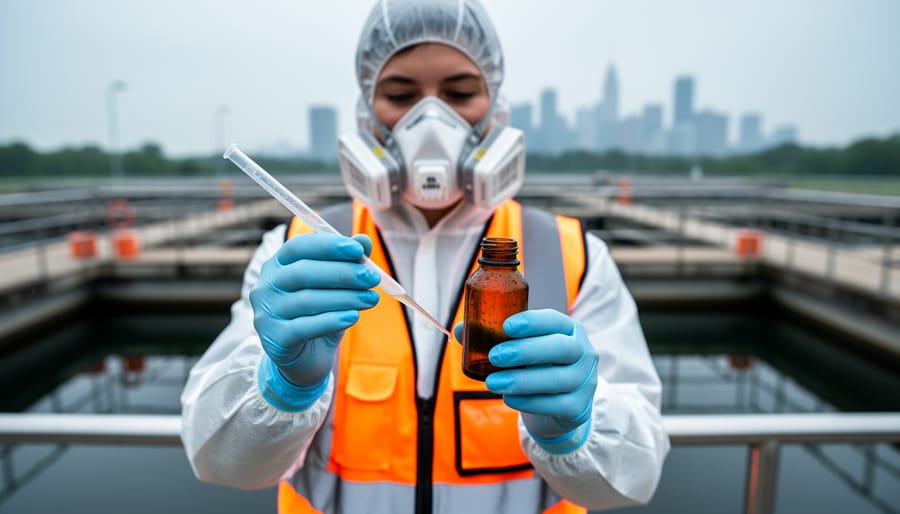
Check your local wastewater COVID-19 levels through the CDC’s National Wastewater Surveillance System (NWSS) dashboard at cdc.gov/nwss, which tracks virus concentrations in sewage across participating U.S. communities. Enter your zip code to access real-time data that reveals community infection trends 4-7 days before clinical cases appear.
Compare current wastewater viral levels to previous weeks rather than focusing on absolute numbers. A rising trend indicates increasing community transmission, signaling the need to resume preventive measures like masking in crowded indoor spaces and avoiding high-risk gatherings. Declining or stable levels suggest lower transmission risk.
Use wastewater data alongside local hospitalization rates to make informed decisions about your daily activities. When both indicators trend upward, consider postponing non-essential gatherings with vulnerable individuals, enhancing indoor ventilation, and updating your COVID-19 vaccination status.
Recognize that wastewater surveillance offers a more accurate community picture than case counts, since it captures infections in people who don’t seek testing. This sewage monitoring technology detects viral genetic material shed by infected individuals, providing public health officials with an early warning system that transcends individual testing behaviors.
For Canadians, similar wastewater monitoring exists through provincial health departments and the Public Health Agency of Canada, though implementation varies by region. Understanding COVID-19 transmission patterns through wastewater data empowers you to protect your health proactively while maintaining the mental wellness that comes from feeling informed and in control during ongoing public health challenges.
What is COVID Wastewater Surveillance and Why Should You Care?
The Science Made Simple
When someone infected with COVID-19 uses the bathroom, tiny virus particles are naturally shed in their stool, even before they develop symptoms or if they never feel sick at all. Think of it like how your body sheds skin cells throughout the day without you noticing. These microscopic viral fragments travel through your home’s plumbing into community sewer systems, mixing with wastewater from thousands of households.
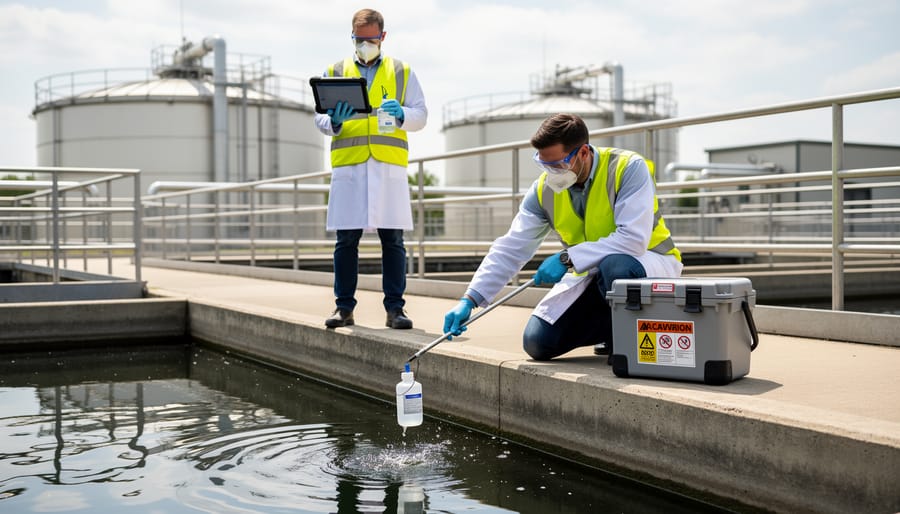
Scientists collect samples from wastewater treatment plants and use specialized laboratory techniques to detect and measure the genetic material from the virus. Imagine it like searching for specific letters in an enormous alphabet soup – researchers use molecular tools that can identify COVID-19’s unique genetic signature among all the other materials in wastewater.
This testing method works remarkably well because it captures information from entire communities at once, including people who don’t realize they’re infected. The amount of virus detected in wastewater typically increases several days before hospitals see more patients, making it an early warning system. Public health experts have validated this approach as a reliable way to track disease trends, giving communities valuable time to prepare and individuals the information needed to adjust their protective measures accordingly.
Early Warning System for Your Community
Wastewater monitoring serves as your community’s early radar system for COVID-19 activity. When infected individuals shed viral particles through bodily waste, these traces appear in sewage systems before many people develop symptoms or seek testing. Research shows wastewater data can signal rising infection trends 4-7 days before hospitals and clinics report increased case numbers.
This advance notice gives you valuable time to adjust your precautions. When your local wastewater shows elevated viral levels, you might choose to wear masks in crowded spaces, postpone large gatherings, or take extra care if you’re visiting vulnerable loved ones. Similar to wastewater surveillance for flu, this monitoring approach tracks community-wide trends rather than individual infections.
The beauty of this system is its objectivity. Unlike clinical testing that depends on people seeking care, wastewater surveillance captures data from entire communities continuously. This means you’re getting a reliable snapshot of actual viral activity in your area, helping you make informed decisions that protect both your physical health and peace of mind during uncertain times.
How the US and Canada Use Wastewater Data to Protect Public Health
The US National Wastewater Surveillance System
The CDC launched the National Wastewater Surveillance System (NWSS) to monitor COVID-19 trends across communities through wastewater testing. This initiative expanded significantly through partnerships like WastewaterSCAN, a collaboration with universities and public health agencies that now covers hundreds of treatment facilities nationwide.
The system monitors wastewater from approximately 40% of the US population across all 50 states, Puerto Rico, and tribal nations. Treatment plants collect samples regularly, which laboratories then analyze for SARS-CoV-2 genetic material. This network provides early warning signals about rising infection rates, often detecting increases 4-10 days before cases appear in clinical testing.
Beyond tracking overall infection trends, the NWSS identifies which COVID-19 variants are circulating in different communities. This variant surveillance helps public health officials understand whether new strains might affect transmissibility or vaccine effectiveness, giving you valuable information for making informed health decisions.
The CDC publishes this data on their COVID Data Tracker, updating it weekly with color-coded maps showing viral activity levels by region. Understanding these trends can help you time preventive measures like masking in crowded spaces or adjusting social activities during periods of high transmission. While the system focuses on population-level data rather than individual risk, it provides reassuring transparency about community health conditions that can guide your personal wellness choices.
Canada’s Wastewater Monitoring Efforts
Canada has developed a robust national wastewater surveillance program to track COVID-19 and other infectious diseases across the country. The Public Health Agency of Canada coordinates efforts with provincial and territorial partners, monitoring wastewater from over 70 communities representing more than half the Canadian population.
Most provinces operate their own surveillance programs with publicly accessible data dashboards. British Columbia, Ontario, Quebec, and Alberta offer detailed regional tracking, allowing residents to view trends in their specific communities. These programs detect virus levels before symptoms appear in the population, providing early warning signals that help public health officials make informed decisions.
To access your local wastewater data, visit your provincial health department’s website or check the federal government’s COVID-19 wastewater surveillance portal. Many provinces update their dashboards weekly, showing trends through easy-to-read graphs and colour-coded alerts.
Understanding this information empowers you to make proactive health choices. When wastewater levels rise in your area, consider taking extra precautions like improving indoor ventilation, avoiding crowded spaces, and ensuring your vaccinations are current. This data-driven approach reduces anxiety by replacing uncertainty with actionable insights. By staying informed about community transmission levels, you can protect both your physical health and peace of mind while maintaining your regular activities with appropriate awareness.
Understanding COVID Variants Through Wastewater
How Scientists Identify Variants in Sewage
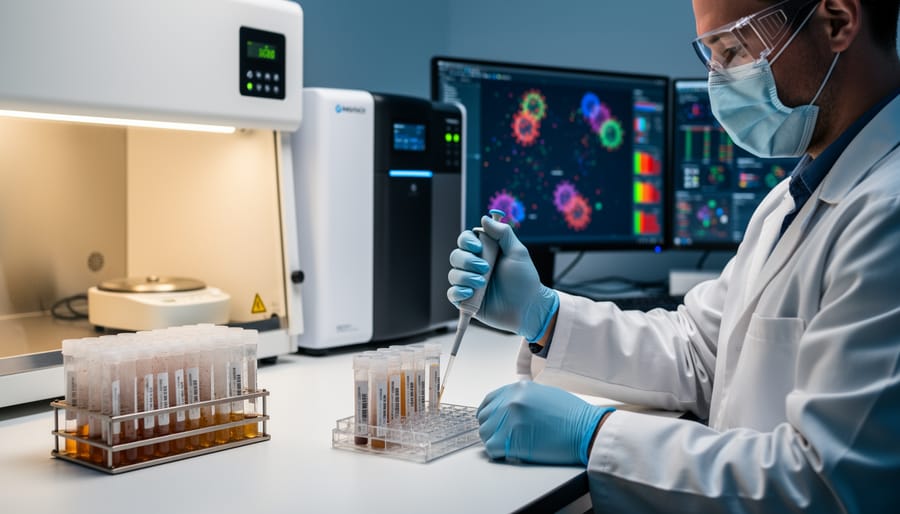
Scientists track COVID-19 variants in wastewater through a process called genomic surveillance. When people shed the virus through their waste, researchers collect samples from sewage treatment plants that serve entire communities. These samples contain genetic material from the virus, which scientists extract and analyze in laboratories.
The process works similarly to how doctors test individual patients, but on a much larger scale. Lab technicians use specialized technology to identify the virus’s genetic code and look for specific changes or mutations that define different variants. By comparing these patterns over time, researchers can detect when new variants emerge in a community, often days or weeks before they appear in clinical testing.
This early warning system helps public health officials understand which variants are circulating and how quickly they’re spreading. The data provides a community-level picture without requiring individual testing, making it a cost-effective tool for monitoring trends. Because the process analyzes waste from thousands of people simultaneously, it captures information from both symptomatic and asymptomatic individuals, offering a more complete view of viral activity in your area.
What Variant Data Means for You
Understanding variant data helps you make informed decisions about your health protection strategies. When wastewater surveillance shows increasing levels of specific variants, it signals a good time to reassess your precautions, especially if you’re at higher risk for severe illness or live with vulnerable individuals.
If new or more transmissible variants are detected in your community’s wastewater, consider temporarily increasing protective measures like wearing high-quality masks in crowded indoor spaces, improving ventilation at home, and staying current with vaccinations. This doesn’t mean reverting to complete isolation, but rather adjusting your approach based on current conditions.
Remember that variant data provides community-level information, not personal risk. Your individual risk depends on factors including vaccination status, overall health, age, and exposure levels. Use variant trends as one tool among many for making decisions about gatherings, travel, and daily activities. This evidence-based approach helps you balance protection with maintaining the social connections essential for mental and emotional wellness, allowing you to stay engaged with life while being appropriately cautious.
How to Use Wastewater Data to Protect Yourself and Your Family
Where to Find Wastewater Data in Your Area
For Canadians seeking local COVID-19 wastewater data, several reliable resources are available. Health Canada’s official website provides updates on national wastewater surveillance efforts and links to provincial programs. Many provinces maintain their own dashboards with regional data—check your provincial health authority’s website for specific information about your community.
The Public Health Agency of Canada offers a centralized portal where you can access wastewater trends across different regions, helping you understand virus activity in your area. Additionally, some municipalities, including major cities like Toronto, Vancouver, and Montreal, publish their own wastewater monitoring results through local public health websites.
University research programs also contribute valuable data. Several Canadian universities conducting wastewater studies share their findings publicly, often with user-friendly visualizations showing trends over time. To find the most relevant information for your location, start with your provincial health department’s website, then explore municipal resources. Bookmark these sites to regularly check updates, allowing you to make informed decisions about personal precautions and health protection measures in your daily life.
Reading the Signs: When to Take Extra Precautions
Understanding wastewater trends empowers you to make informed decisions about your health protection. When wastewater data shows rising COVID-19 levels in your area, consider this your early warning system to take extra precautions before case numbers climb.
During upward trends, wearing a high-quality mask in crowded indoor spaces like grocery stores or public transit provides excellent protection. If possible, schedule non-urgent medical appointments or elective procedures when trends are declining, reducing exposure risk in healthcare settings. Limiting time in crowded venues and improving indoor ventilation at home through open windows or air purifiers adds extra safety layers.
Conversely, falling wastewater levels suggest lower community transmission, though basic precautions remain wise year-round. Stay current with vaccinations and keep rapid tests on hand for symptom checks.
Remember, these data-driven adjustments aren’t about fear—they’re practical tools for protecting your wellbeing while maintaining the activities you enjoy. Small, timely adjustments based on wastewater surveillance help you stay healthy and confident in your daily routines.
Supporting Your Immune Health During High-Risk Periods
When wastewater data indicates rising COVID-19 levels in your community, focus on supporting immune function through practical lifestyle choices. Prioritize 7-9 hours of quality sleep nightly, as sleep deprivation can weaken your immune response. Nourish your body with colorful fruits and vegetables rich in vitamins C and D, along with zinc-containing foods like nuts and legumes. Regular moderate exercise, such as 30-minute daily walks, enhances immune cell circulation without overtaxing your system. Manage stress through mindfulness practices, deep breathing, or activities you enjoy, since chronic stress can compromise immunity. Stay well-hydrated and limit alcohol consumption. These evidence-based strategies create a strong foundation for your body’s natural defenses during high-risk periods, complementing other protective measures like masking and vaccination.
The Mental Health Benefits of Better Pandemic Preparedness
Living through waves of COVID-19 has taken a toll on our collective well-being, with uncertainty about virus trends contributing to significant pandemic-related anxiety. Wastewater surveillance offers a powerful tool for reducing this stress by providing objective, real-time information about virus activity in your community.
When you have access to concrete data, you can make informed decisions rather than acting on fear or speculation. This sense of control can significantly reduce anxiety levels. For example, knowing that wastewater levels are rising in your area allows you to proactively adjust your precautions, schedule vaccinations, or prepare mentally for potential illness, rather than being caught off guard.
Experts note that predictable information helps combat pandemic fatigue. Instead of constantly wondering whether it’s safe to attend gatherings or when the next wave might hit, wastewater data provides a reliable indicator you can check regularly. This routine monitoring can become part of your health management strategy, similar to checking weather forecasts before planning outdoor activities.
Additionally, having transparent data available builds community trust and reduces the spread of misinformation, which often fuels unnecessary worry. When public health decisions align with observable trends in wastewater surveillance, people feel more confident in guidance from health authorities, reducing the mental burden of navigating conflicting information during challenging times.

Wastewater surveillance has proven itself as a valuable public health tool, offering early warnings about COVID-19 trends before they appear in individual testing. This innovative approach empowers communities with actionable information that helps protect everyone’s health. By monitoring viral levels in your local wastewater data, you can make informed decisions about timing medical appointments, adjusting social activities during surges, or taking extra precautions when trends indicate rising transmission.
The good news is that this system continues to improve and expand, giving us better insights into community health patterns. While wastewater data primarily tracks US trends, Canadians can still benefit from understanding how cross-border transmission occurs and by checking if similar programs exist in their provinces.
Knowledge truly is power when it comes to your health. Staying informed through reliable wastewater surveillance data, combined with other public health resources, enables you to take proactive steps that align with your wellness goals. Remember that community resilience grows stronger when we all have access to clear, evidence-based information. By understanding these trends and responding thoughtfully, you’re not just protecting yourself but contributing to the collective health of those around you.