

Shift your perspective on aging from managing decline to actively building vitality across every dimension of your life. Rather than waiting for health problems to emerge, take charge now by strengthening your physical fitness through daily movement—even 20 minutes of walking reduces your risk of chronic disease while maintaining independence. Nourish your mental wellness by learning new skills, whether picking up a musical instrument or exploring a language, which builds cognitive reserve against age-related decline. Cultivate meaningful social connections through community groups, volunteer work, or regular family gatherings, as research shows social isolation poses health risks comparable to smoking 15 cigarettes daily.
This whole-person wellness approach recognizes that healthy aging extends far beyond the absence of disease. It encompasses your physical strength, emotional resilience, intellectual engagement, social relationships, and sense of purpose working together as interconnected elements of your wellbeing. Canadian seniors who adopt this proactive model report higher quality of life, greater independence, and reduced healthcare costs compared to those following traditional reactive care.
The wellness-based model empowers you to become an active participant in your aging journey rather than a passive recipient of medical interventions. It acknowledges your unique circumstances, values, and goals while providing evidence-based strategies you can customize to fit your lifestyle. Whether you’re 55 and planning ahead or 75 and seeking renewed energy, this framework offers practical pathways to not just add years to your life, but life to your years. The following guide breaks down each wellness dimension with actionable steps tailored for Canadian resources and realities.
What Makes the Wellness-Based Model Different

From Reactive Care to Proactive Living
Traditional healthcare often focuses on treating illness after it occurs—a reactive approach that waits for symptoms to appear before taking action. While essential for acute conditions, this model doesn’t fully support healthy aging. The wellness-based model offers a fundamentally different path forward, emphasizing prevention, early intervention, and maintaining vitality throughout later life.
Rather than accepting decline as inevitable, this proactive framework recognizes that many age-related health challenges can be prevented or delayed through consistent lifestyle choices. It incorporates integrative health approaches that address physical fitness, nutrition, mental wellbeing, and social connection simultaneously.
Research consistently shows that Canadians who adopt preventive strategies experience better health outcomes, greater independence, and improved quality of life as they age. By focusing on what keeps you well rather than simply treating what makes you ill, the wellness model empowers you to take charge of your health journey. This shift means regular physical activity, balanced nutrition, stress management, and meaningful relationships become your primary health interventions—building resilience and vitality for the years ahead.
The Six Pillars of Wellness for Seniors
A wellness-based model for healthy aging recognizes that well-being extends far beyond the absence of disease. It encompasses six interconnected pillars that together create a foundation for thriving in your senior years.
Physical wellness forms the cornerstone, focusing on maintaining mobility, strength, and cardiovascular health through regular activity and preventive care. Mental wellness involves keeping your mind sharp through learning, cognitive exercises, and effective stress management techniques. Emotional wellness emphasizes understanding and managing your feelings, building resilience, and maintaining a positive outlook on life.
Social wellness highlights the importance of meaningful connections with family, friends, and community. Research consistently shows that seniors with strong social networks experience better health outcomes and greater life satisfaction. Spiritual wellness, which may or may not include religious practices, involves finding purpose, meaning, and connection to something larger than yourself. Finally, environmental wellness addresses creating safe, comfortable living spaces that support independence and well-being.
These six pillars work together synergistically. For example, mind-body wellness care demonstrates how physical activity improves both mental clarity and emotional balance. When you nurture all six dimensions, you create a comprehensive approach to aging that enhances quality of life and promotes longevity. The key is recognizing that small, consistent actions across each pillar yield significant long-term benefits for your overall health and happiness.
Physical Wellness: Moving Your Body at Any Age
Strength and Balance Exercises That Prevent Falls
Regular strength and balance exercises are among the most effective ways to prevent falls and maintain independence as you age. Research shows that incorporating these activities into your routine can reduce fall risk by up to 40 percent while improving overall quality of life.
Start with low-impact exercises that build a foundation of stability. Chair squats are excellent for beginners—simply stand up from a seated position and sit back down slowly, repeating 10-12 times. Wall push-ups strengthen your upper body without straining joints. Stand arm’s length from a wall, place your palms flat against it, and gently push your body toward and away from the wall.
Balance work can begin with simple activities. Practice standing on one foot while holding a countertop for support, gradually reducing how much you rely on that support. Heel-to-toe walking, where you place one foot directly in front of the other as if walking a tightrope, challenges your balance safely indoors.
Resistance training doesn’t require a gym membership. Light hand weights, resistance bands, or even soup cans work well for bicep curls and shoulder raises. Aim for two to three sessions weekly, allowing rest days between workouts.
Consider joining community programs specifically designed for older adults. Many Canadian recreation centres and community health organizations offer evidence-based programs like “Steady As You Go” or tai chi classes. These group settings provide expert guidance, social connection, and accountability to keep you motivated on your wellness journey.
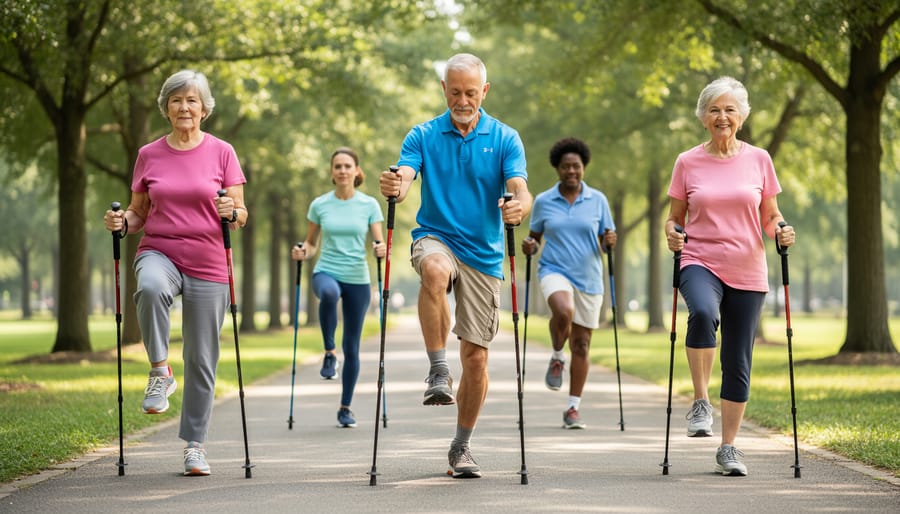
Finding Movement You Actually Enjoy
The key to lasting physical activity isn’t finding the most intense workout—it’s discovering movement that fits naturally into your life and brings you joy. Research consistently shows that enjoyment is one of the strongest predictors of exercise adherence, making it essential for healthy aging.
Walking groups offer a perfect combination of gentle cardiovascular exercise and social connection. Many Canadian communities organize free walking clubs through recreation centres or community organizations, providing accountability and companionship. Swimming and aquafit classes are particularly beneficial for those with joint concerns, as water provides natural resistance while supporting your body weight.
Tai chi has gained recognition for improving balance, flexibility, and mental clarity. This gentle martial art reduces fall risk—a major concern for older adults—while promoting mindfulness and stress reduction. Many community centres and seniors’ organizations across Canada now offer affordable tai chi programs.
Don’t overlook everyday activities like gardening, which combines light physical activity with outdoor time and purposeful work. Tending plants provides meaningful movement, strengthens muscles through natural motions, and supports mental wellbeing through connection with nature.
The goal is consistency over intensity. Start with activities that appeal to you, even if they seem modest. Twenty minutes of enjoyable daily movement beats sporadic intense exercise that you dread and eventually abandon.
Nutritional Wellness: Fueling Your Body for Longevity
What Changes in Your Nutritional Needs After 65
Your body’s nutritional needs evolve as you age, making dietary adjustments an essential component of healthy aging. Understanding these changes helps you maintain energy, strength, and overall wellness.
Protein becomes increasingly important after 65. Your body requires more protein to preserve muscle mass and prevent age-related muscle loss. Aim for 1 to 1.2 grams of protein per kilogram of body weight daily through lean meats, fish, eggs, legumes, dairy products, and plant-based alternatives. Spreading protein intake throughout the day optimizes absorption and supports muscle maintenance.
Calcium and vitamin D work together to maintain bone health and reduce fracture risk. Canadian seniors should consume 1,200 mg of calcium daily through dairy products, fortified plant-based beverages, leafy greens, and canned fish with bones. Vitamin D supplementation is particularly important in Canada due to limited sun exposure, especially during winter months. Health Canada recommends 800 to 2,000 IU daily for adults over 50.
Staying properly hydrated becomes more challenging as thirst sensation diminishes with age. Aim for six to eight glasses of fluid daily, including water, herbal teas, and soups. Adequate hydration supports kidney function, digestion, and cognitive performance.
If you’re managing chronic conditions like diabetes, heart disease, or high blood pressure, work with a registered dietitian to create a personalized eating plan. They can help you balance nutritional needs with disease management while ensuring meals remain enjoyable and culturally appropriate.

Simple Meal Planning for One or Two
Meal planning doesn’t need to be complicated when cooking for one or two. Start with batch cooking on days when you have more energy. Prepare larger portions of soups, stews, or casseroles and freeze them in single-serving containers for quick, nutritious meals throughout the week.
Keep grocery shopping manageable by creating a simple weekly list organized by store sections. Many Canadian grocery stores now offer online ordering with delivery or curbside pickup, reducing the physical demands of shopping. Consider shopping during quieter hours for a less stressful experience.
Take advantage of community resources designed to support senior nutrition. Many municipalities across Canada offer programs like Meals on Wheels, community dining programs at seniors’ centres, or subsidized meal services. Local food banks and community kitchens can also provide support when needed.
Stock your pantry with healthy staples like whole grains, canned fish, frozen vegetables, and legumes that have long shelf lives and require minimal preparation. These basics make it easier to create balanced meals even when fresh ingredients run low. Remember, eating well is a key component of maintaining your independence and overall wellness as you age.
Mental and Cognitive Wellness: Keeping Your Mind Sharp
Brain-Boosting Activities That Work
Keeping your brain active is essential for maintaining cognitive health as you age. Research shows that challenging your mind regularly can help build cognitive reserve and may reduce the risk of age-related mental decline.
Learning new skills is one of the most effective ways to boost brain health. Consider taking up a musical instrument, learning a new language, or trying your hand at painting or pottery. These activities create new neural pathways and keep your mind engaged. Many Canadian community centers and libraries offer affordable classes specifically designed for older adults.
Puzzles and games provide excellent mental workouts. Crosswords, sudoku, jigsaw puzzles, and strategy games like chess or bridge all require problem-solving and critical thinking. Digital brain-training apps can also be beneficial, though traditional activities work just as well.
Reading remains a powerful cognitive exercise. Whether you prefer novels, biographies, or newspapers, regular reading improves vocabulary, comprehension, and memory. Join a book club to add a social element to this activity.
Don’t shy away from technology. Learning to use smartphones, tablets, or computers keeps you connected and mentally stimulated. Video calls with family, online courses, and educational podcasts offer endless opportunities for engagement and learning. The key is consistency—aim for at least 15-30 minutes of mentally stimulating activities daily.
Managing Stress and Sleep Quality
Quality sleep and effective stress management become increasingly important as we age, directly impacting physical health, cognitive function, and emotional well-being. Seniors often face unique challenges including medication-related sleep disruptions, chronic pain, and life transitions that can affect rest and relaxation.
Establish a consistent sleep routine by going to bed and waking at the same time daily, even on weekends. Create a sleep-friendly environment that’s cool, dark, and quiet. Limit screen time at least one hour before bed, as blue light can interfere with natural sleep cycles. If you experience persistent sleep difficulties, consult your healthcare provider to rule out underlying conditions like sleep apnea.
For stress management, incorporate proven stress relief techniques into your daily routine. Deep breathing exercises, gentle stretching, and progressive muscle relaxation can lower cortisol levels and promote calmness. Mindfulness meditation, even for just 10 minutes daily, has shown significant benefits for seniors managing anxiety and improving sleep quality. Consider joining community programs that offer gentle yoga or tai chi, which combine movement with relaxation. Remember, managing stress isn’t about eliminating it entirely but developing healthy coping strategies that work for your lifestyle.
Emotional and Social Wellness: Staying Connected
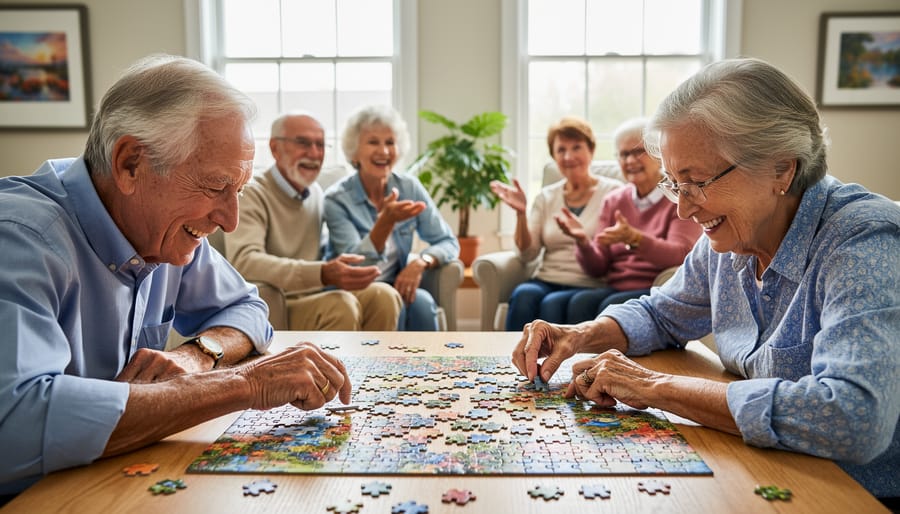
Building and Maintaining Meaningful Relationships
Social connection is a cornerstone of healthy aging, with research showing strong relationships contribute to better physical health, cognitive function, and longevity. Staying engaged doesn’t require a large social circle—quality matters more than quantity.
Start by exploring community programs at local recreation centers, libraries, or seniors’ centers. Many Canadian municipalities offer affordable activities like fitness classes, art workshops, or discussion groups designed for older adults. These structured settings make meeting like-minded people easier.
Volunteering provides purpose while building connections. Organizations like food banks, hospitals, museums, and literacy programs welcome experienced volunteers. Contributing your skills benefits others while keeping you mentally and socially active.
Consider joining clubs that match your interests—book clubs, gardening groups, walking clubs, or hobby-based organizations. Online communities also offer valuable connections, especially for those with mobility challenges.
Maintain family relationships through regular phone calls, video chats, or shared meals. Intergenerational connections with grandchildren or younger relatives can be particularly enriching. Remember, implementing emotional well-being strategies strengthens your ability to build meaningful relationships and cope with transitions like retirement or loss.
When to Seek Mental Health Support
Mental health is as important as physical health in aging well, yet many seniors face barriers to seeking support. It’s normal to experience emotional changes during life transitions, but persistent feelings of sadness, hopelessness, excessive worry, changes in sleep or appetite, loss of interest in activities, or difficulty coping with grief may indicate depression or anxiety. These conditions are not a natural part of aging and are treatable.
Canadian seniors have access to numerous mental health resources. Start by speaking with your family doctor, who can provide referrals to geriatric psychiatrists, psychologists, or counselors. Many provinces offer seniors’ mental health programs through local health authorities. The Wellness Together Canada portal provides free mental health support, including counseling and self-guided resources. Crisis lines like the Canada Suicide Prevention Service (1-833-456-4566) offer 24/7 support.
Reducing stigma starts with understanding that seeking help demonstrates strength, not weakness. Many seniors find relief through therapy, support groups, or medication when appropriate. Community centers and seniors’ organizations often host peer support programs where you can connect with others facing similar challenges. Remember, taking care of your mental health protects your overall wellness and quality of life as you age.
Creating Your Personal Wellness Plan
Starting Small and Building Momentum
Beginning your wellness journey doesn’t require overhauling your entire lifestyle overnight. Research shows that focusing on just one or two areas at a time leads to more sustainable long-term change. Start by identifying which wellness dimension would have the greatest impact on your daily life right now. Perhaps improving sleep quality or adding a 15-minute daily walk feels most achievable and relevant to your current situation.
Set specific, measurable goals that feel comfortable rather than overwhelming. Instead of “exercise more,” try “walk around the block three times this week” or “attend one yoga class.” This approach builds confidence through small wins that accumulate over time.
Track your progress using simple methods that work for you, whether that’s a calendar checkmark system, a wellness journal, or a smartphone app. The Canadian Society for Exercise Physiology recommends celebrating small milestones along the way to maintain motivation.
Remember, building momentum is about consistency, not perfection. If you miss a day or encounter setbacks, simply return to your routine without self-judgment. As you gain confidence in one area, you’ll naturally feel ready to expand your focus to other wellness dimensions, creating a sustainable foundation for healthy aging.
Getting Family and Healthcare Providers on Board
Sharing your wellness goals with family members and healthcare providers creates a support network essential for successful healthy aging. Start by having an open conversation with loved ones about your specific objectives, whether that’s increasing physical activity, improving nutrition, or maintaining social connections. Be clear about how they can help, such as joining you for walks, trying new healthy recipes together, or checking in regularly on your progress.
When discussing your wellness plan with your doctor or other healthcare professionals, bring a written summary of your goals and current activities. This helps them provide tailored advice and monitor your progress during appointments. Ask them to recommend appropriate exercise intensities, dietary adjustments, or community programs suited to your health status. Many Canadian healthcare providers now embrace preventive wellness approaches and can connect you with resources like physiotherapists, dietitians, or mental health counselors.
Regular check-ins with both family and healthcare teams create accountability while allowing for plan adjustments as your needs evolve. This collaborative approach ensures everyone works together toward your wellness goals.
Canadian Resources and Community Support
Canada offers extensive resources to support your wellness-based aging journey. Health Canada’s Healthy Aging and Wellness Framework provides evidence-based guidelines and information about maintaining independence and quality of life as you age.
Each province maintains dedicated programs through their respective health ministries. The Public Health Agency of Canada coordinates national initiatives focused on fall prevention, chronic disease management, and mental health support for older adults. Many services are free or low-cost, ensuring accessibility regardless of income level.
Community support includes local seniors’ centres offering fitness classes, social activities, and educational workshops. The Canadian Association on Gerontology connects you with current research and best practices in healthy aging. Provincial programs like Ontario’s Seniors Active Living Centres and British Columbia’s Better at Home initiative provide practical assistance with daily activities and social engagement opportunities.
For mental health support, the Wellness Together Canada portal offers free confidential counseling and resources specifically designed for seniors. ParticipACTION provides age-appropriate physical activity guidelines and community programs encouraging active lifestyles.
Medicare covers many preventive health services including regular check-ups and screenings essential for early disease detection. Community health centres across all provinces offer multidisciplinary wellness programs combining medical care, nutrition counseling, and social support. Local libraries frequently host free health education seminars and wellness workshops.
The Canadian Red Cross and community organizations provide transportation services, meal programs, and volunteer support networks helping you maintain independence while staying connected to your community. Contact your local municipal office or provincial health authority to discover programs available in your area.
The journey toward healthy aging through a wellness-based approach is within reach for everyone, regardless of where you are today. Whether you’re just beginning to think about aging well or looking to enhance your current habits, the most important thing is to start. Research consistently shows that positive changes to your health and wellbeing can be made at any age, and the benefits accumulate over time.
Remember that wellness-based aging isn’t about perfection or dramatic transformations overnight. It’s about making small, sustainable changes that align with your personal goals and circumstances. Perhaps you start with a 10-minute daily walk, add one more serving of vegetables to your meals, or reach out to reconnect with an old friend. These seemingly modest steps create momentum and lay the foundation for lasting change.
The beauty of the wellness model is its flexibility and personalization. You have the power to choose which areas to focus on first, whether that’s improving sleep quality, building strength, managing stress, or strengthening social connections. Each positive change you make supports the others, creating a ripple effect throughout your life.
Canadians have access to excellent resources, from community wellness programs to healthcare professionals who can guide your journey. Don’t hesitate to seek support when needed and celebrate your progress along the way. Your future self will thank you for the investment you make today in your health and wellbeing. Take that first step now.