

Check your local air quality index daily through weather apps or Environment Canada’s Air Quality Health Index, especially during wildfire season and winter temperature inversions when pollution levels spike. When readings exceed moderate levels, limit outdoor exercise and keep windows closed while running air purifiers indoors.
You’ve likely noticed feeling more anxious, foggy, or down on smoggy days—and your instincts are correct. Growing Canadian research reveals that environmental stressors affect health in profound ways, with air pollution emerging as a significant but often overlooked factor in mental wellbeing. From wildfire smoke blanketing our cities to winter air stagnation in urban centres, Canadians face unique air quality challenges that silently influence our mood, cognition, and long-term mental health.
The connection runs deeper than temporary discomfort. Fine particulate matter and pollutants don’t just irritate lungs—they cross the blood-brain barrier, triggering inflammation in brain regions that regulate emotion and stress response. Studies now link sustained exposure to elevated rates of depression, anxiety, and cognitive decline, with effects appearing even at pollution levels previously considered safe.
Understanding this relationship empowers you to protect both your physical and mental health. Whether you live in a major city dealing with traffic emissions, a rural area impacted by seasonal wildfires, or anywhere experiencing winter air quality dips, recognizing how air pollution affects your brain is the first step. This knowledge validates your experiences during poor air quality days while opening pathways to meaningful protective action.
The good news? Small, practical changes in how you monitor air quality and adjust daily routines can significantly reduce exposure and safeguard your mental wellbeing, even when outdoor conditions remain beyond your control.
How Air Pollution Affects Your Brain Chemistry
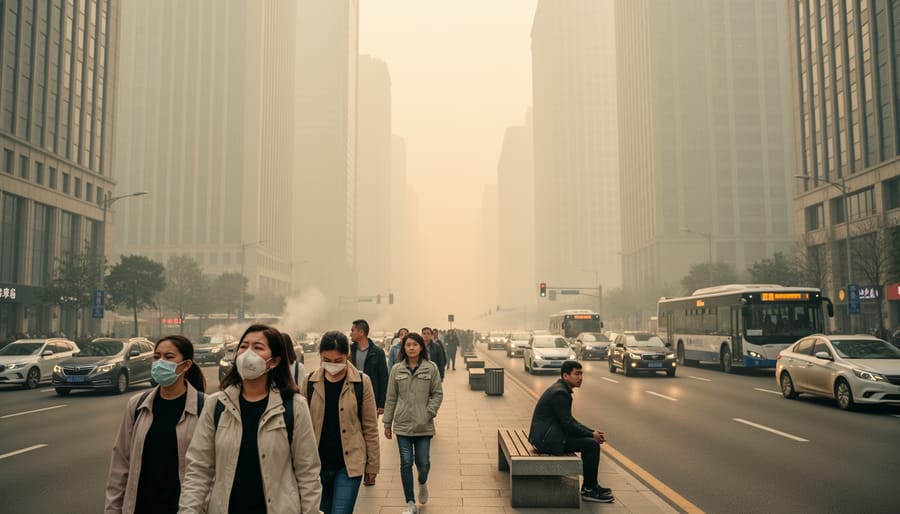
The Science Behind Pollutants and Brain Function
When you breathe polluted air, tiny particles and gases don’t just stay in your lungs—they can reach your brain and affect how it functions. Understanding this process can help you make informed decisions about protecting your mental wellbeing.
Particulate matter, especially the smallest particles called PM2.5, can enter your bloodstream through your lungs and travel directly to your brain. Once there, these particles trigger inflammation, which is your brain’s response to perceived threats. While inflammation helps fight infections, chronic inflammation from ongoing pollution exposure can damage brain cells and disrupt the delicate balance of chemicals that regulate your mood and thinking.
Nitrogen dioxide, commonly released from vehicle exhaust and industrial emissions, affects your brain differently. This gas can reduce oxygen delivery to brain tissue and interfere with neurotransmitters—the chemical messengers that help brain cells communicate. When these pathways don’t work smoothly, you may experience changes in mood, concentration, and stress responses.
Research shows that pollution also increases oxidative stress in the brain, a process where harmful molecules called free radicals damage cells faster than your body can repair them. This damage particularly affects areas of the brain involved in emotional regulation and memory, including the hippocampus and prefrontal cortex.
The good news is that your brain has remarkable resilience. Reducing your exposure to pollutants, even temporarily, allows your brain to begin recovering and your natural repair processes to work more effectively.
Why Your Mood Changes on Smoggy Days
You’ve probably noticed it yourself: on days when wildfire smoke blankets your city or smog warnings are issued, you might feel more irritable, anxious, or mentally foggy. This isn’t just coincidence. Research shows that elevated air pollution triggers rapid changes in your brain chemistry and stress response.
When you breathe polluted air, tiny particles enter your bloodstream and trigger inflammation throughout your body, including your brain. Within hours, this inflammatory response can affect neurotransmitter function, particularly serotonin and dopamine—the chemicals that regulate mood and motivation. Studies have found that even short-term exposure to poor air quality correlates with increased anxiety, difficulty concentrating, and feelings of low energy.
During Canada’s wildfire seasons or winter temperature inversions that trap pollution, many people report feeling more stressed or down without understanding why. Your body is responding to real environmental stressors. The environment shapes mental health in tangible ways, and air quality is a significant factor.
You might also notice sleep disruptions on high-pollution days. Poor air quality can interfere with sleep patterns, which further affects mood regulation. Additionally, when air quality is poor, you’re likely spending less time outdoors and getting less physical activity—both important for mental wellbeing.
Recognizing these patterns helps validate your experiences and empowers you to take protective steps when pollution levels rise.
Mental Health Conditions Linked to Poor Air Quality

Depression and Anxiety
Growing evidence reveals a troubling connection between air pollution and mental health conditions like depression and anxiety. Research shows that exposure to fine particulate matter (PM2.5) and other pollutants can increase the risk of developing these conditions by up to 50 percent in some populations.
When we breathe polluted air, tiny particles enter our bloodstream and can cross the blood-brain barrier, triggering inflammation in brain regions that regulate mood and stress responses. This biological process helps explain why people living in areas with higher pollution levels consistently report more symptoms of depression and anxiety.
Canadian research adds important context to this global concern. A study examining data from Ontario residents found that long-term exposure to nitrogen dioxide (a common traffic-related pollutant) was associated with higher rates of diagnosed depression. During wildfire seasons, which are becoming more frequent across Canada, mental health crisis line calls have been observed to increase alongside worsening air quality.
The impact appears particularly significant for vulnerable groups, including children, older adults, and individuals with existing mental health conditions. Young people exposed to higher pollution levels during critical developmental periods show increased anxiety symptoms and changes in brain structure related to emotional regulation.
Understanding this connection is empowering rather than alarming. By recognizing that your mood or anxiety levels may worsen during poor air quality days, you can take proactive steps to protect both your physical and mental wellbeing.
Cognitive Decline and Memory Issues
Long-term exposure to air pollution can significantly impact your cognitive abilities at any age. Research shows that breathing polluted air over extended periods affects memory formation, attention span, and decision-making skills. For children and adolescents, this exposure during critical brain development stages may influence learning capacity and academic performance. Adults working in areas with poor air quality often experience reduced concentration and slower information processing, affecting productivity and daily functioning.
The effects become particularly concerning for older adults, as studies link chronic pollution exposure to accelerated cognitive decline and increased dementia risk. Fine particulate matter can trigger inflammation in the brain, damaging neural pathways responsible for memory and thinking. Even relatively low pollution levels, when experienced consistently, accumulate harmful effects over time.
Canadian research conducted during wildfire seasons has documented temporary cognitive impairment in affected populations, including difficulty focusing and short-term memory lapses. The good news is that reducing your exposure can help protect your brain health. Simple strategies like monitoring air quality indices, using indoor air purifiers, and timing outdoor activities when pollution levels are lower can make a meaningful difference in preserving your cognitive function across your lifespan.
Stress Response and Sleep Disruption
Poor air quality triggers your body’s stress response system, prompting the release of cortisol and other stress hormones. Research shows that exposure to air pollutants can elevate these hormone levels, creating a state of chronic physiological stress even when you’re not consciously aware of it. This ongoing stress response takes a toll on your mental wellbeing, contributing to feelings of anxiety and emotional fatigue.
Air pollution also disrupts sleep quality in several ways. Pollutants can irritate your airways and respiratory system, making breathing more difficult during sleep. Studies have found that people living in areas with higher pollution levels experience more frequent sleep disturbances, shorter sleep duration, and reduced sleep efficiency. When particulate matter enters your bloodstream, it can affect brain regions that regulate sleep-wake cycles.
The connection between poor sleep and mental health is well-established. When air quality interferes with restorative sleep, you may notice increased irritability, difficulty concentrating, and heightened emotional reactivity. This creates a challenging cycle where pollution affects sleep, poor sleep worsens mental health, and elevated stress makes you more vulnerable to pollution’s effects. Understanding this connection empowers you to take protective steps, particularly during high pollution days when both sleep and stress management become especially important.
Air Quality Concerns Specific to Canadian Communities
Wildfire Smoke and Seasonal Mental Health
Wildfire smoke has become an increasingly urgent concern across Canada, with provinces from British Columbia to Quebec experiencing prolonged periods of hazardous air quality during fire seasons. These events create dramatic spikes in air pollution that can profoundly impact mental health within days or even hours of exposure.
Research shows that wildfire smoke exposure is associated with increased emergency department visits for anxiety, depression, and stress-related conditions. The fine particulate matter in smoke can trigger inflammatory responses that affect brain function, while the visible haze and disrupted routines create psychological stress. Many Canadians report feeling trapped indoors, experiencing sleep disturbances, and struggling with heightened worry about their health and safety during smoke events.
The mental health burden extends beyond direct smoke exposure. Communities facing evacuation orders experience trauma and displacement, while those watching their environment burn may develop eco-anxiety as environmental changes affect mental health in complex ways. Indigenous communities, often disproportionately affected by wildfires, face compounded mental health challenges tied to cultural connections with the land.
Understanding these seasonal patterns helps Canadians prepare mentally and practically for smoke events, recognizing that psychological responses to deteriorating air quality are both valid and manageable with appropriate support and preventive strategies.
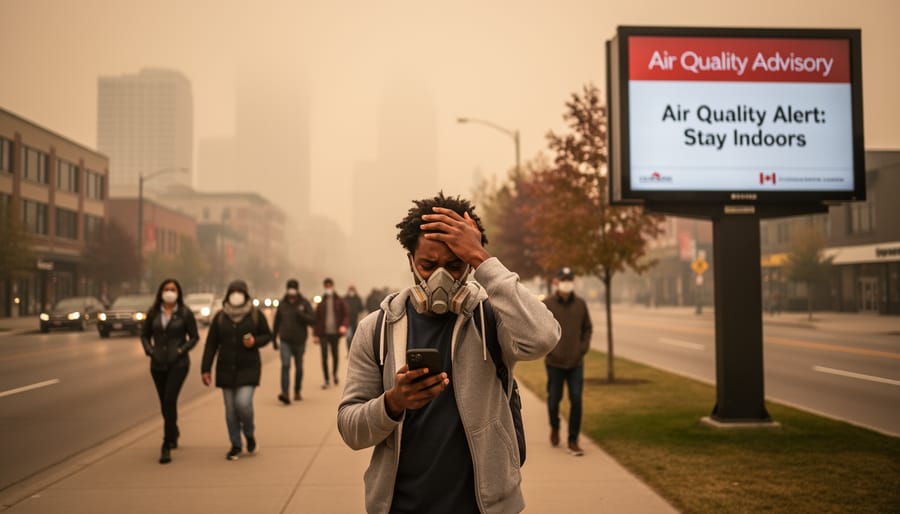
Winter Indoor Air Quality
Canadian winters present a unique challenge for indoor air quality. As temperatures drop, we seal our homes tightly to conserve heat, significantly reducing natural ventilation. This creates an environment where indoor air pollutants can accumulate to levels that may affect your mental wellbeing.
Common winter indoor pollutants include volatile organic compounds from household products, combustion byproducts from gas stoves and fireplaces, and increased dust and allergens from forced-air heating systems. When these pollutants build up in poorly ventilated spaces, they can contribute to cognitive fog, mood changes, and increased stress responses.
Research suggests that Canadians spend up to 90% of their time indoors during winter months, making indoor air quality particularly important for mental health during this season. You can take several practical steps to improve your winter indoor environment. Open windows briefly each day when outdoor air quality permits, even for just 5-10 minutes to exchange stale air. Use exhaust fans while cooking and bathing to remove moisture and pollutants. Consider running a quality air purifier with HEPA filtration in main living areas. Maintain your heating system with regular filter changes, and avoid using scented candles or air fresheners that release additional chemicals into your sealed environment.
Practical Ways to Protect Your Mental Health from Air Pollution
Monitor and Plan Around Air Quality
Staying informed about daily air quality conditions empowers you to make choices that protect your mental wellbeing. In Canada, the Air Quality Health Index (AQHI) provides a simple scale from 1 to 10+ that indicates health risk levels. You can check current AQHI readings through Environment and Climate Canada’s website or download helpful apps like WeatherCan, AirVisual, or BreezoMeter, which provide real-time air quality updates and personalized alerts for your location.
When air quality is poor (AQHI 7+), consider moving outdoor exercise indoors, postponing yard work, or rescheduling outdoor social activities. If you must be outside, limit intense physical activity and duration. On moderate days (AQHI 4-6), you may notice subtle effects on mood or energy, so pay attention to how you feel and adjust accordingly.
Planning ahead makes a significant difference. Check the forecast each morning, especially during wildfire season or high-pollution periods. Set up air quality alerts on your smartphone to receive notifications when conditions worsen. This proactive approach helps you maintain your routines while minimizing exposure, ensuring you can continue enjoying outdoor activities when conditions are safer and protecting your mental health when they’re not.
Improve Your Indoor Air Quality
Taking steps to improve your indoor air quality can significantly support your mental wellbeing, especially during Canadian winters when we spend more time indoors or during wildfire season when outdoor air quality deteriorates.
Start by addressing common pollution sources in your home. Avoid smoking indoors, minimize the use of scented candles and air fresheners, and ensure proper ventilation when cooking or using cleaning products. Choose low-VOC paints and furnishings when possible, and remove shoes at the door to reduce tracked-in pollutants.
Ventilation is crucial for maintaining healthy indoor air. Open windows for at least 15-20 minutes daily when outdoor air quality permits, even during winter. Use exhaust fans in kitchens and bathrooms to remove moisture and pollutants. Consider installing a heat recovery ventilator if you live in an area with frequent air quality concerns.
Air purifiers with HEPA filters can effectively remove particulate matter and allergens from your living space. Place them in rooms where you spend the most time, particularly bedrooms. Remember to replace filters according to manufacturer recommendations for optimal performance.
Houseplants add more than aesthetic value. While their air-purifying abilities are modest, plants like spider plants, snake plants, and pothos can contribute to improved air quality while providing psychological benefits through connection with nature.
Monitor indoor humidity levels, keeping them between 30-50% to prevent mold growth and dust mites. Use a dehumidifier if necessary, particularly in basements or during humid months. These practical steps create a healthier indoor environment that supports both physical and mental health.

Lifestyle Habits That Build Resilience
While you can’t control the air outside, you can strengthen your body’s resilience to pollution’s effects through proven lifestyle habits. Regular physical activity stands out as particularly protective. Exercise boosts your brain’s antioxidant defenses and promotes neuroplasticity, helping counteract inflammation caused by air pollutants. Aim for at least 150 minutes of moderate activity weekly, but check air quality forecasts and exercise indoors when pollution levels are high.
Your diet also plays a crucial role. Foods rich in omega-3 fatty acids, like salmon and walnuts, along with antioxidant-packed fruits and vegetables, help combat oxidative stress from pollution exposure. Berries, leafy greens, and colourful vegetables provide powerful anti-inflammatory compounds that support brain health.
Managing stress through mindfulness, adequate sleep, and social connections builds mental resilience too. Since air pollution and chronic stress can compound each other’s effects on mental health, addressing both simultaneously offers the best protection. Consider practices like meditation, deep breathing exercises, or spending time in nature on clean air days. These evidence-based strategies won’t eliminate pollution’s impact, but they can significantly reduce your vulnerability and support your overall mental wellbeing.
When to Seek Professional Support
If you experience persistent mood changes, anxiety, or depression during periods of poor air quality, it’s important to consult a healthcare provider. Seek help if symptoms interfere with daily activities, relationships, or work, or if you have thoughts of self-harm.
In Canada, contact your family doctor or mental health professional for assessment. Free resources include the Wellness Together Canada portal (1-866-585-0445), which offers immediate support and counseling. Crisis Services Canada provides 24/7 assistance at 1-833-456-4566 or via text at 45645.
Those with pre-existing mental health conditions should monitor symptoms closely during wildfire season or high pollution days and maintain regular contact with their care team. Building community support for mental health also strengthens resilience during environmental challenges. Remember, seeking help is a sign of strength, not weakness.
The connection between air quality and mental health represents an important yet often overlooked health determinant. As research continues to reveal the profound ways that air pollution affects our brains and emotional wellbeing, understanding this relationship empowers you to take meaningful action to protect yourself and your loved ones.
The good news is that you have more control than you might think. While we can’t eliminate air pollution entirely, we can significantly reduce our exposure through informed choices and protective strategies. By monitoring daily air quality levels, adjusting outdoor activities during high pollution periods, and creating cleaner indoor environments, you’re taking concrete steps to safeguard both your physical and mental health.
Small changes can make a real difference. Installing quality air filters, choosing walking routes away from heavy traffic, and staying informed about wildfire smoke advisories are all manageable actions that add up to meaningful protection. When you notice changes in your mood or mental clarity during poor air quality days, remember that your experience is valid and backed by science.
Start today by checking your local Air Quality Health Index and identifying one or two strategies you can implement right away. Whether it’s creating a cleaner space in your home, planning indoor activities during smoky days, or simply becoming more aware of pollution levels in your area, you’re investing in your mental wellbeing. Taking control of your environment is taking control of your health, and that’s something worth breathing easier about.