

The hours you spend sitting each day may be doing more than affecting your posture—they’re likely influencing your mood, anxiety levels, and overall mental wellness. Research shows that adults who sit for more than six hours daily face a 30% higher risk of depression compared to those who sit for three hours or less, a connection that extends beyond simply reducing exercise time.
Your brain chemistry changes when you remain sedentary for extended periods. Physical inactivity reduces the production of endorphins and serotonin, the neurotransmitters responsible for regulating mood and emotional balance. Simultaneously, prolonged sitting triggers inflammatory responses throughout your body, including your brain, which researchers have linked to increased anxiety and depression symptoms. Blood flow to the brain decreases, potentially impairing cognitive function and contributing to mental fog and difficulty concentrating.
The modern Canadian lifestyle makes sedentary behaviour almost unavoidable. Between desk jobs, commuting, and screen-based entertainment, the average adult now sits between 9 and 11 hours daily. This shift represents a dramatic change from even two decades ago, and mental health statistics have moved in parallel—rates of anxiety and depression have climbed steadily as our daily movement has declined.
Understanding this connection empowers you to make meaningful changes. The relationship between sitting and mental health isn’t permanent or irreversible. Small adjustments to how you structure your day can produce measurable improvements in your emotional wellness, often within weeks. Evidence-based strategies exist that fit into busy schedules without requiring gym memberships or dramatic lifestyle overhauls.
The Sedentary Reality: How Much Canadians Actually Sit
If you’re reading this, chances are you spend more time sitting than you realize. Recent Canadian health data reveals that adults sit an average of 9.6 hours per day, and for many office workers, that number climbs even higher. When you break down where all this sitting happens, the picture becomes remarkably clear.
The typical Canadian workday begins with a 25 to 50-minute commute, depending on whether you live in a major urban center. Once at the office, most desk-based employees spend 6 to 8 hours in their chairs, interrupted only by brief walks to meetings or the coffee machine. The evening commute adds more sitting time, and once home, another 3 to 4 hours of screen time through dinner, television, and scrolling through devices becomes the norm.
Consider Sarah, a marketing professional from Toronto. She drives 40 minutes to work, sits at her desk until lunch, grabs takeout to eat while catching up on emails, then sits through afternoon meetings before driving home. After dinner, she unwinds on the couch watching Netflix. By bedtime, Sarah has been sedentary for over 11 hours, yet her day feels completely ordinary.
Statistics Canada reports that only 16 percent of adults meet the recommended physical activity guidelines, while screen time continues to increase year over year. During winter months, when darkness arrives early and temperatures drop, these numbers often worsen as Canadians naturally spend more time indoors.
The COVID-19 pandemic further amplified this pattern. With remote work eliminating even short walks between meeting rooms and commute-related movement, many Canadians found themselves sitting for unprecedented lengths of time. Even as workplaces reopen, hybrid work models mean many continue spending most waking hours seated.
Understanding how much we actually sit represents the first step toward making meaningful changes that support both physical and mental wellbeing.

What Happens to Your Brain When You Sit All Day
The Blood Flow Connection
When you spend extended periods sitting, your heart doesn’t need to work as hard, which means less oxygen-rich blood circulates throughout your body—including to your brain. This reduced blood flow has real consequences for your mental wellbeing.
Your brain is an incredibly energy-demanding organ, using about 20% of your body’s oxygen supply despite making up only 2% of your body weight. When circulation slows during prolonged sitting, your brain receives less of the oxygen and nutrients it needs to function optimally. Research shows this decreased blood flow can impair cognitive function, affecting your ability to concentrate, make decisions, and regulate emotions effectively.
The connection to mood is particularly important. Reduced cerebral blood flow affects areas of the brain responsible for emotional regulation, including the prefrontal cortex and hippocampus. These regions help you manage stress, process emotions, and maintain a positive outlook. When they’re not receiving adequate blood supply, you may experience increased feelings of anxiety, low mood, and mental fatigue.
The good news is that this process is reversible. Even brief movement breaks can quickly boost circulation and restore healthy blood flow to your brain, improving both your cognitive performance and emotional state within minutes.
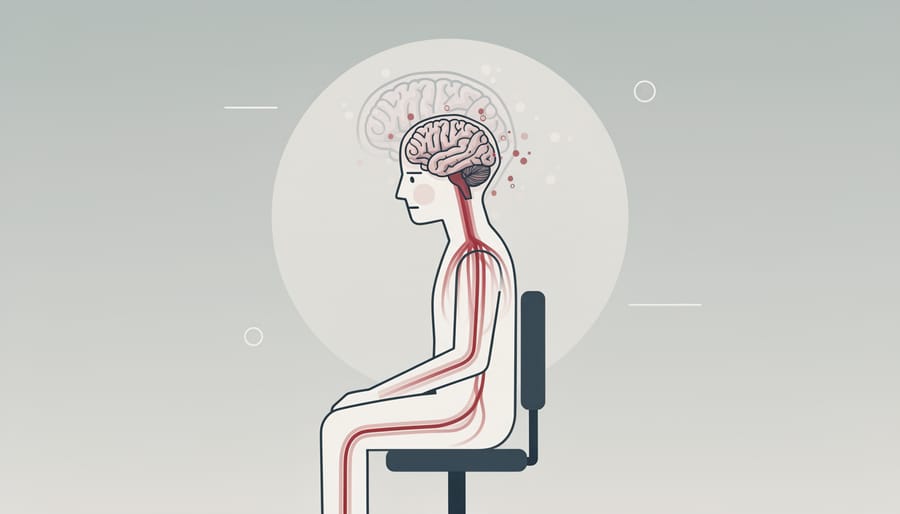
Your Body’s Chemical Response to Inactivity
When you spend prolonged periods sitting or lying down, your body experiences significant chemical shifts that directly impact your mood and mental wellbeing. Understanding these changes can help you recognize why movement matters for your mental health.
Your brain relies on neurotransmitters—chemical messengers—to regulate emotions and cognitive function. Physical inactivity disrupts this delicate balance. Serotonin, often called the “feel-good” neurotransmitter, decreases when you remain sedentary for extended periods. This reduction can contribute to feelings of sadness, anxiety, and low motivation. Similarly, dopamine levels, which influence pleasure and reward responses, decline without regular movement, potentially leaving you feeling unmotivated and disconnected from activities you once enjoyed.
The impact on cortisol, your body’s primary stress hormone, is equally concerning. While some cortisol is necessary for healthy functioning, prolonged inactivity can dysregulate your body’s stress response system, leading to chronically elevated cortisol levels. This elevation contributes to increased anxiety, difficulty concentrating, and disrupted sleep patterns.
Research consistently shows that exercise benefits mental health by naturally boosting serotonin and dopamine while helping regulate cortisol. Even modest increases in daily movement can begin reversing these chemical imbalances, improving your mood and resilience to stress.
The Mental Health Consequences You Need to Know
Depression and Low Mood
Research consistently shows that spending long hours sitting can significantly increase your risk of developing depression and worsen existing symptoms. A comprehensive study published in the American Journal of Preventive Medicine found that people who sit for more than seven hours daily are 47% more likely to experience depression compared to those who sit for four hours or less.
The connection works through several pathways. Physical inactivity reduces the production of endorphins and serotonin, your brain’s natural mood regulators. Prolonged sitting also decreases blood flow to the brain, limiting oxygen and nutrient delivery that support emotional well-being. Additionally, sedentary behaviour often comes with social isolation and reduced exposure to natural light, both important factors for maintaining positive mental health.
The good news is that even small changes can make a difference. Breaking up sitting time with short walking breaks, standing while talking on the phone, or taking the stairs can help interrupt these negative patterns. Movement doesn’t need to be intense to benefit your mood—gentle activities like stretching or a brief stroll can boost your emotional state and provide protective effects against depression.
Anxiety and Stress Levels
Research shows a clear connection between prolonged sitting and increased anxiety symptoms. When you remain inactive for extended periods, your body experiences physiological changes that can trigger or worsen anxious feelings. Physical inactivity reduces the production of endorphins and other mood-regulating chemicals, leaving you more vulnerable to stress and worry.
Studies indicate that Canadians who spend more than six hours daily in sedentary activities report significantly higher anxiety levels compared to those who move regularly throughout their day. The lack of physical movement prevents your body from processing stress hormones effectively, causing them to accumulate and intensify feelings of unease.
Additionally, sedentary behaviour often occurs alongside other anxiety-promoting habits like excessive screen time and social isolation. When you sit for long stretches, you miss opportunities for stress relief that movement naturally provides. Simple activities like walking or stretching help your nervous system reset and can significantly reduce tension.
The good news is that incorporating regular movement into your routine supports building resilience against anxiety. Even brief activity breaks throughout your day can help regulate your stress response and promote a calmer, more balanced mental state.
Cognitive Function and Memory
Prolonged sitting doesn’t just affect your body—it impacts how your brain functions too. Research shows that sedentary behaviour is linked to reduced blood flow to the brain, which can impair concentration and mental clarity. When you remain inactive for extended periods, your brain receives less oxygen and fewer nutrients, making it harder to focus on tasks and process information efficiently.
Studies have found that adults who sit for more than eight hours daily experience noticeable declines in memory formation and cognitive processing speed. Physical activity stimulates the production of brain-derived neurotrophic factor (BDNF), a protein essential for creating new neural connections and maintaining existing ones. Without regular movement, BDNF levels drop, potentially affecting your ability to learn new information and recall memories.
The good news? Even short movement breaks throughout your day can make a difference. Standing up, stretching, or taking a brief walk every 30 minutes helps restore blood flow to your brain and supports better cognitive function.
Sleep Quality Disruption
Spending long hours sitting can significantly disrupt your body’s natural sleep-wake cycle. When you’re inactive throughout the day, your body doesn’t experience the physical fatigue that promotes deep, restorative sleep. Research shows that people with sedentary lifestyles often struggle to fall asleep and experience lighter, more fragmented sleep patterns.
The connection works both ways: sitting too much reduces sleep quality, and poor sleep makes you feel too tired to be active the next day, creating a challenging cycle. Extended screen time, which often accompanies sedentary behavior, exposes you to blue light that suppresses melatonin production, making it harder to feel sleepy at bedtime. Additionally, lack of movement can lead to increased stress and anxiety, which further interferes with your ability to relax and sleep well. Breaking up sitting time with regular movement helps regulate your circadian rhythm and promotes better sleep quality.
Breaking the Cycle: Practical Movement Strategies for Mental Wellness
The Two-Minute Movement Rule
You don’t need a gym membership or an hour-long workout to combat the mental health effects of sitting. Research shows that brief movement breaks as short as two minutes can significantly impact your mood and cognitive function throughout the day.
The two-minute movement rule is simple: every 30 to 60 minutes, stand up and move your body for at least two minutes. This could be stretching at your desk, walking to refill your water bottle, doing a few squats, or simply standing while checking your phone. These micro-breaks interrupt prolonged sitting and trigger immediate physiological responses that benefit your brain.
When you move, even briefly, your body increases blood flow to the brain, releases mood-boosting endorphins, and reduces stress hormones like cortisol. Canadian workplace studies have found that employees who take regular movement breaks report better focus, reduced anxiety, and improved overall well-being compared to those who remain seated for hours at a time.
Set a timer on your phone or computer as a gentle reminder. The key is consistency rather than intensity. These small movements accumulate throughout your day, creating meaningful mental health benefits without requiring major schedule changes or physical exertion. Start today by standing up right now and taking a brief walk around your space.

Desk Job Solutions That Actually Work
If you spend most of your day at a desk, small adjustments can make a significant difference to both your physical activity levels and mental wellbeing. Start by incorporating a standing desk or desk converter into your workspace. Research shows that alternating between sitting and standing throughout the day can reduce fatigue and improve mood while increasing energy expenditure.
Transform traditional meetings into walking meetings whenever possible. A 15-minute walking discussion outdoors provides both movement and fresh air, which studies link to reduced anxiety and improved cognitive function. For virtual meetings where you’re not presenting, consider standing or pacing while you listen and participate.
Set up movement reminders on your phone or computer every 30-60 minutes. Use these prompts to stand, stretch, or take a brief walk around your workspace. Even two minutes of movement each hour accumulates to meaningful physical activity by day’s end.
Optimize your workspace ergonomics to encourage natural movement. Position your printer or water station away from your desk so you need to stand and walk regularly. Keep resistance bands or a small set of weights nearby for quick movement breaks.
Consider integrating these changes alongside broader workplace mental health strategies for maximum benefit. Remember, consistency matters more than intensity. Small, sustainable changes compound over time to create lasting improvements in both physical activity and mental health.
Building Active Habits Into Your Routine
You don’t need a gym membership or specialized equipment to break free from sedentary patterns. The key is finding natural movement opportunities already present in your daily life and making them work for you.
Start with simple substitutions. Take the stairs instead of the elevator, even for just a few floors. Park farther from building entrances to add extra walking steps. During phone calls, stand up and move around rather than sitting. These small changes accumulate throughout the day, creating significant activity increases without requiring dedicated workout time.
Transform your commute into active time. If you use public transit, get off one stop early and walk the remaining distance. For those who drive, consider biking for nearby errands when weather permits. Many Canadian cities have improved cycling infrastructure, making this increasingly accessible.
Build movement into your work routine by setting hourly reminders to stand and stretch for two minutes. Walking meetings offer another practical option, allowing you to discuss business while staying active. Keep a refillable water bottle at your desk, which naturally creates bathroom breaks that get you moving.
At home, do simple exercises during TV commercial breaks or between streaming episodes. Activities like folding laundry while standing, gardening, or playing actively with children all count as valuable movement. The goal is consistency, not intensity. Even light activity performed regularly delivers meaningful mental health benefits, helping to reduce anxiety and improve mood.
The Best Types of Movement for Mental Health
The good news is that you don’t need intense workouts to experience mental health benefits. Research shows that various types of movement can effectively reduce anxiety and depression while boosting mood.
Walking ranks among the most accessible and effective activities that boost mental health. Even a 10-minute walk can lower stress hormones and increase endorphins. Aim for outdoor walks when possible, as nature exposure provides additional mental health advantages.
Gentle stretching and yoga combine physical movement with mindfulness, helping calm your nervous system while improving flexibility. These practices are particularly beneficial if you experience tension from prolonged sitting.
Strength training offers unique benefits by building confidence alongside muscle. Studies indicate that resistance exercises twice weekly can significantly reduce symptoms of depression and anxiety.
The key is choosing activities you genuinely enjoy. Dancing, gardening, swimming, or cycling all provide similar mental health benefits. Start with just five minutes daily and gradually increase as movement becomes a natural part of your routine. Consistency matters more than intensity when supporting your mental wellness.
How Much Movement Do You Actually Need?
The good news is that you don’t need to become a marathon runner or spend hours at the gym to experience mental health benefits from movement. According to the Canadian Society for Exercise Physiology, adults should aim for at least 150 minutes of moderate-to-vigorous physical activity per week. That breaks down to just 30 minutes, five days a week, or even shorter 10-minute sessions spread throughout your day.
What does moderate activity actually look like? Think brisk walking where you can still talk but not sing, cycling on flat terrain, or raking leaves. Vigorous activity includes jogging, swimming laps, or dancing energetically. The key is finding your breathing slightly elevated and your heart rate increased.
If 150 minutes feels overwhelming, here’s the most important thing to remember: some movement is always better than none. Research shows that even small increases in activity can improve mood and reduce anxiety. A 10-minute walk around your block counts. Taking the stairs instead of the elevator matters. Standing while folding laundry makes a difference.
Common barriers like time constraints, weather, or gym intimidation are valid, but they’re also manageable. You don’t need special equipment or a gym membership. Walking is free and effective. You don’t need large blocks of time either. Three 10-minute movement breaks throughout your day provide similar benefits to one 30-minute session.
Progress over perfection is the mindset that creates lasting change. Start where you are, even if that’s just five minutes daily, and gradually build from there. Your mental health will thank you for any movement you add to your routine.
When to Seek Professional Support
While increasing physical activity can significantly improve mental well-being, it’s important to recognize when professional mental health support is needed. Lifestyle changes work best alongside professional care, not as a replacement.
Consider reaching out to a healthcare provider if you experience persistent sadness or anxiety lasting more than two weeks, loss of interest in activities you once enjoyed, significant changes in sleep or appetite, difficulty concentrating, or thoughts of self-harm. These symptoms may indicate conditions like depression or anxiety disorders that benefit from professional treatment.
In Canada, several resources can help you get started. Your family doctor can provide referrals to mental health specialists. The Canadian Mental Health Association offers province-specific support services and crisis lines. Many provinces also provide free counseling services through programs like Ontario’s Mental Health Support Line (1-866-531-2600) or British Columbia’s 310-Mental Health (call 310-6789).
Remember, seeking help demonstrates strength and self-awareness. A mental health professional can work with you to develop a comprehensive treatment plan that may include therapy, medication if appropriate, and lifestyle modifications like increasing physical activity. Together, these approaches create the most effective path toward improved mental health and overall well-being.
The connection between sedentary behaviour and mental health is clear, but here’s the encouraging truth: you have the power to make meaningful changes starting today. You don’t need to transform your entire life overnight or commit to marathon training sessions. Small, consistent adjustments in how much you move throughout your day can create significant improvements in your mood, anxiety levels, and overall mental wellbeing.
Remember that every step counts. Whether it’s taking a five-minute walking break each hour, stretching during phone calls, or choosing stairs over elevators, these modest actions accumulate into powerful benefits for your brain and body. The research consistently shows that even light physical activity can boost mental health when done regularly.
If you’re feeling overwhelmed or struggling with your mental health, know that support is available. Speak with your healthcare provider about developing a personalized plan that considers both your physical activity levels and mental wellness. Many Canadians have successfully reduced their sitting time and experienced remarkable improvements in how they think and feel. Change is absolutely possible, and it starts with being gentle with yourself while taking that first small step forward. Your mental health matters, and movement is one accessible tool you can use to protect and enhance it.