

Your heart beats approximately 100,000 times every day, and the quality of your sleep directly influences every single one of those beats. Insufficient or poor-quality sleep doesn’t just leave you tired—it actively damages your cardiovascular system through measurable, physiological pathways that increase your risk of heart disease, stroke, and hypertension.
When you consistently sleep fewer than seven hours nightly, your body experiences elevated inflammation markers, disrupted blood pressure regulation, and impaired glucose metabolism. Your sympathetic nervous system remains in overdrive, preventing your heart rate and blood pressure from dropping to their necessary nighttime lows. This chronic stress on your cardiovascular system accelerates atherosclerosis, the buildup of plaque in your arteries, while simultaneously affecting your body’s ability to regulate blood sugar and insulin—creating a dangerous intersection of cardiometabolic risks.
The evidence is substantial: adults who regularly sleep less than six hours face a 20% higher risk of heart attack compared to those sleeping seven to eight hours. Sleep disorders like obstructive sleep apnea compound these risks dramatically, causing oxygen deprivation and blood pressure spikes throughout the night.
Understanding this sleep-heart connection empowers you to take protective action. The relationship between rest and cardiac health is bidirectional and modifiable, meaning the steps you take tonight can begin reducing your cardiovascular risk immediately. This article examines the specific mechanisms linking sleep to heart health and provides evidence-based strategies to protect your cardiovascular system through better sleep practices.

The Sleep-Heart Connection: What Happens While You Rest
How Sleep Regulates Your Blood Pressure
During sleep, your body enters a natural period of rest that allows your blood pressure to drop by 10-20% compared to daytime levels. This nighttime dip, called nocturnal dipping, gives your cardiovascular system essential recovery time and helps reduce strain on your heart and blood vessels.
When you don’t get enough quality sleep, this protective dip may not occur properly. People who experience poor sleep often become non-dippers, meaning their blood pressure remains elevated throughout the night. This continuous strain forces your heart to work harder around the clock, increasing your risk of hypertension, heart attack, and stroke over time.
Research shows that even one night of disrupted sleep can affect your blood pressure the following day. Sleep disorders like sleep apnea are particularly concerning, as they cause repeated breathing interruptions that trigger stress responses and spike blood pressure multiple times per night. The good news is that improving your sleep quality can help restore healthy blood pressure patterns. Consistent sleep schedules, creating a relaxing bedtime routine, and addressing any underlying sleep disorders are practical steps that support your cardiovascular health and allow your body to experience the restorative benefits of proper nocturnal dipping.
The Inflammation-Sleep Cycle
When you miss out on quality sleep, your body responds by releasing inflammatory chemicals into your bloodstream. These substances, called inflammatory markers, include C-reactive protein and interleukin-6, which can damage the delicate lining of your blood vessels over time.
Research shows that people who regularly sleep less than six hours per night have significantly higher levels of these inflammatory markers compared to those who get adequate rest. This chronic inflammation acts like sandpaper on your arteries, creating rough spots where cholesterol and other substances can accumulate, forming dangerous plaques that restrict blood flow.
The relationship works both ways, creating a harmful cycle. Poor sleep triggers inflammation, but inflammation can also disrupt your sleep by affecting brain chemistry and body temperature regulation. This means that one restless night can set off a cascade that makes sleeping well the next night even harder.
The good news is that improving your sleep quality can help break this cycle. Studies have found that when people extend their sleep duration and improve sleep quality, their inflammatory marker levels decrease within weeks. Even small improvements matter – adding just 30 minutes of quality sleep to your nightly routine can make a measurable difference in reducing inflammation.
Understanding this connection empowers you to take action. By prioritizing sleep as a key part of your heart health strategy, you’re actively working to reduce the inflammatory burden on your cardiovascular system.
What Poor Sleep Does to Your Heart Over Time
Short Sleep Duration and Heart Disease Risk
Getting less than six to seven hours of sleep each night consistently puts significant stress on your heart and blood vessels. Research shows that adults who regularly sleep fewer than six hours face a 20% higher risk of heart attack compared to those getting seven to eight hours nightly. This increased risk isn’t just about feeling tired—short sleep duration triggers real physiological changes in your body.
When you don’t get enough sleep, your body produces more stress hormones like cortisol and adrenaline, which can raise your blood pressure and heart rate. Over time, this chronic activation keeps your cardiovascular system in overdrive, similar to running your car engine constantly at high speed. Short sleep also increases inflammation throughout your body, a key factor in the development of plaque buildup in your arteries.
Canadian researchers have found that insufficient sleep affects how your body processes glucose and regulates appetite hormones, creating a cascade of effects that strain your heart. Even losing just one to two hours of sleep per night, when it becomes a pattern, can measurably increase your cardiovascular disease risk. The good news is that improving your sleep habits can help reverse many of these negative effects and protect your heart health.
Sleep Disorders That Threaten Your Heart
Certain sleep disorders pose particularly serious risks to your cardiovascular system, making early recognition and treatment essential for protecting your heart health.
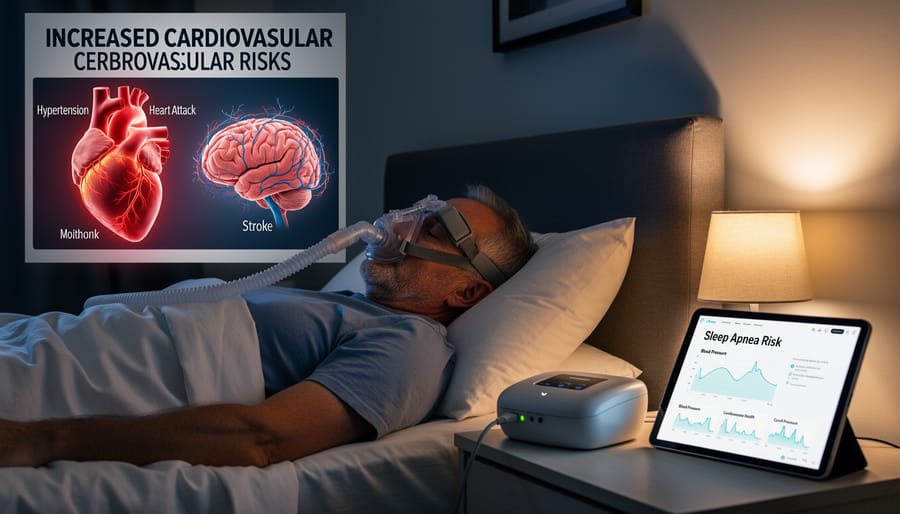
Sleep apnea stands as the most significant sleep-related threat to heart health. This condition causes repeated breathing interruptions throughout the night, starving your body of oxygen and triggering stress responses that strain your cardiovascular system. Each apnea episode forces your heart to work harder, raises blood pressure, and creates inflammation in blood vessels. Research shows that untreated sleep apnea increases your risk of high blood pressure by two to three times and significantly elevates the likelihood of heart attack, stroke, and irregular heart rhythms. Obstructive sleep apnea, the most common form, affects approximately 1 in 4 Canadian adults, though many remain undiagnosed.
Chronic insomnia also carries cardiovascular consequences. When you regularly struggle to fall asleep or stay asleep, your body produces excess stress hormones like cortisol and adrenaline. Over time, this hormonal imbalance contributes to high blood pressure, increased heart rate, and elevated inflammation markers. Studies indicate that people with persistent insomnia face a 45% higher risk of developing heart disease compared to good sleepers.
Restless leg syndrome and periodic limb movement disorder disrupt sleep quality and have been linked to elevated blood pressure and increased cardiovascular risk, particularly when symptoms occur frequently throughout the night. These conditions prevent you from reaching the deep, restorative sleep stages your heart needs for recovery and repair.
Understanding how sleep disorders impact health beyond just feeling tired helps motivate proper diagnosis and treatment. If you snore loudly, gasp during sleep, experience persistent insomnia, or feel unrested despite adequate time in bed, consult your healthcare provider about a sleep assessment.
The Cardiometabolic Chain Reaction
Sleep Deprivation, Weight Gain, and Your Heart
When you don’t get enough sleep, your body’s hunger hormones go haywire. Sleep deprivation increases levels of ghrelin, the hormone that signals hunger, while decreasing leptin, which tells you when you’re full. This hormonal imbalance makes you crave high-calorie, sugary foods and can lead to overeating throughout the day.
The connection between sleep and weight gain is well-established through research. Studies show that people who consistently sleep less than seven hours per night are significantly more likely to develop obesity compared to those who get adequate rest. This weight gain doesn’t just affect your appearance—it directly threatens your heart health.
Excess weight, particularly around the abdomen, increases your risk of high blood pressure, elevated cholesterol, and type 2 diabetes. These conditions strain your cardiovascular system and dramatically raise your chances of heart disease and stroke. By prioritizing quality sleep, you’re taking an important step toward maintaining a healthy weight and protecting your heart for the long term.
Blood Sugar Disruption and Insulin Resistance
When you don’t get enough quality sleep, your body struggles to manage blood sugar effectively. During sleep, your body regulates hormones that control glucose metabolism, including insulin. Poor sleep disrupts this delicate balance, making your cells less responsive to insulin—a condition called insulin resistance.
Research shows that even a few nights of inadequate sleep can reduce insulin sensitivity by up to 30 percent. When your body can’t use insulin properly, glucose builds up in your bloodstream, forcing your pancreas to produce more insulin. Over time, this pattern increases your risk of developing type 2 diabetes.
The connection to heart health is significant. Diabetes and insulin resistance promote inflammation, damage blood vessels, and accelerate the buildup of plaque in your arteries. People with both poor sleep habits and diabetes face a substantially higher risk of heart attack and stroke compared to those with just one of these conditions.
You can take action to protect yourself. Aim for seven to nine hours of sleep nightly, maintain consistent sleep and wake times, and create a relaxing bedtime routine. If you’re experiencing persistent sleep difficulties alongside concerns about blood sugar levels, speak with your healthcare provider about screening and personalized strategies to improve both your sleep quality and metabolic health.
The Stress Hormone Connection
When you don’t get enough sleep, your body produces elevated levels of cortisol, often called the stress hormone. This increase happens because sleep deprivation triggers your body’s stress response system, keeping cortisol levels higher than they should be throughout the day and night.
Chronically elevated cortisol creates a cascade of cardiovascular problems. It raises your blood pressure by causing blood vessels to constrict and making your heart work harder. High cortisol also promotes inflammation in your arteries, contributing to the buildup of plaque that can lead to heart disease and stroke. Additionally, this hormone imbalance affects how your body processes sugar and stores fat, increasing your risk of developing conditions like diabetes that further strain your heart.
Understanding how sleep affects hormone balance is essential for protecting your cardiovascular health. The good news is that improving your sleep quality can help normalize cortisol levels. Even getting one extra hour of quality sleep per night can begin to reduce these stress hormones, giving your heart and blood vessels a chance to recover and function more effectively.
How Much Sleep Does Your Heart Actually Need?
Research consistently shows that when it comes to protecting your heart, there’s a sweet spot for sleep duration. For most adults, that optimal range is 7 to 9 hours per night. Studies have found that people who regularly sleep within this window have the lowest risk of cardiovascular disease, heart attack, and stroke.
Interestingly, both sleeping too little and sleeping too much can be problematic for heart health. Getting less than 6 hours nightly has been linked to increased blood pressure, inflammation, and stress hormone levels, all of which strain your cardiovascular system. On the other hand, consistently sleeping more than 9 hours may also be associated with higher cardiovascular risk, though researchers believe this might reflect underlying health conditions rather than sleep itself being harmful.
Age does influence sleep needs somewhat. Older adults (65 and over) may function well on slightly less sleep, around 7 to 8 hours, while younger adults typically benefit from the full 7 to 9 hour range. However, individual variation exists. Some people naturally need closer to 7 hours while others require the full 9 to feel rested and maintain optimal health.
The key is consistency. Irregular sleep patterns, where you sleep very different amounts on weekdays versus weekends, can disrupt your body’s internal clock and negatively affect cardiovascular health even if your average sleep duration falls within the recommended range.
If you’re unsure whether you’re getting enough sleep, pay attention to how you feel. Do you wake up refreshed? Can you get through the day without excessive caffeine? Do you feel alert and focused? These are good indicators that you’re meeting your body’s sleep needs and supporting your heart health in the process.
Protecting Your Heart Through Better Sleep: Practical Strategies
Sleep Hygiene Essentials for Heart Health
Protecting your heart through better sleep starts with establishing consistent sleep hygiene essentials. Research shows that maintaining a regular sleep schedule, even on weekends, helps regulate your body’s internal clock and supports healthy blood pressure patterns.
Start by creating a sleep-friendly bedroom environment. Keep your room cool (around 18°C is ideal), dark, and quiet. Consider blackout curtains or an eye mask to block light, which can interfere with your body’s natural sleep signals and affect cardiovascular function.
Develop a calming pre-sleep routine 30 to 60 minutes before bed. This might include reading, gentle stretching, or relaxation breathing exercises. Avoid screens during this time, as blue light can disrupt melatonin production and delay sleep onset.
Limit caffeine after 2 p.m. and avoid large meals close to bedtime, as digestion can interfere with sleep quality. Regular physical activity supports both heart health and sleep, but try to finish vigorous exercise at least three hours before bed.
These practical steps work together to improve sleep quality, which in turn supports healthy heart rhythm, blood pressure regulation, and overall cardiovascular wellness.


Diet and Exercise Timing for Better Sleep
Your daily habits around food, caffeine, and physical activity significantly influence your sleep quality and, by extension, your heart health. Strategic timing of these activities can make a meaningful difference.
Finish your last substantial meal at least three hours before bedtime to allow proper digestion. Late-night eating, particularly heavy or spicy foods, can trigger acid reflux and disrupt sleep architecture. If you need an evening snack, choose something light like a small handful of nuts or fruit.
Set a caffeine cutoff time of 2 p.m. or earlier. Caffeine stays in your system for up to six hours, and even if you fall asleep, it reduces deep sleep stages that are crucial for cardiovascular recovery. This includes coffee, tea, energy drinks, and chocolate.
While alcohol might make you drowsy initially, it fragments sleep during the second half of the night and suppresses REM sleep. If you choose to drink, limit consumption to one or two drinks and finish at least three hours before bed.
Exercise provides powerful sleep benefits, but timing matters. Morning or early afternoon physical activity enhances nighttime sleep quality. Vigorous exercise within three hours of bedtime can be stimulating for some people, though gentle activities like stretching or yoga are generally fine. The key is finding what works for your body while maintaining consistent daily movement.
Managing Stress and Mental Health for Restorative Sleep
Stress and mental health challenges significantly impact both sleep quality and cardiovascular health. When you’re anxious or worried, your body releases stress hormones like cortisol that keep you alert and interfere with your natural sleep cycle. Breaking this cycle requires practical strategies you can implement daily.
Start by establishing a wind-down routine 30-60 minutes before bed. This might include deep breathing exercises, gentle stretching, or progressive muscle relaxation where you systematically tense and release muscle groups. These techniques activate your parasympathetic nervous system, signaling your body it’s safe to rest.
Journaling before bed can help manage racing thoughts. Spend five minutes writing down concerns or creating a to-do list for tomorrow, allowing you to mentally set them aside until morning. If anxiety persists, cognitive behavioral therapy for insomnia (CBT-I) has strong evidence for improving both sleep quality and daytime functioning.
Consider mindfulness meditation or guided imagery apps, which have been shown to reduce stress and improve sleep onset. Even 10 minutes daily can make a meaningful difference. If stress or anxiety feels overwhelming or persistently affects your sleep, speaking with a healthcare provider or mental health professional can provide additional support and evidence-based treatment options tailored to your needs.
When to Seek Professional Help
If you regularly snore loudly, experience pauses in breathing during sleep, or wake up gasping for air, seek medical attention promptly as these are warning signs of sleep apnea—a condition that significantly increases cardiovascular risk. Other red flags include persistent difficulty falling or staying asleep for more than three weeks, excessive daytime fatigue despite adequate time in bed, or waking with chest pain or heart palpitations. A professional sleep evaluation can identify underlying disorders requiring treatment. Don’t ignore these symptoms, especially if you have existing risk factors like high blood pressure, diabetes, or a family history of heart disease. Early intervention can protect your heart health and improve your overall quality of life.
The connection between quality sleep and heart health is undeniable. As the research clearly shows, getting consistent, restorative sleep isn’t a luxury—it’s a fundamental pillar of cardiovascular wellness. When you prioritize those seven to nine hours each night, you’re giving your heart the recovery time it needs to regulate blood pressure, reduce inflammation, and maintain healthy metabolic function.
The encouraging news is that improving your sleep doesn’t require drastic life changes. Even small, gradual adjustments to your sleep routine can yield meaningful benefits for your heart over time. Whether it’s establishing a consistent bedtime, creating a cooler sleep environment, or limiting screen time before bed, each positive step you take reduces your cardiometabolic risk and strengthens your cardiovascular system.
Remember that setbacks are normal, and perfection isn’t the goal. Some nights will be better than others, and that’s perfectly okay. What matters most is your overall pattern and your commitment to making sleep a priority in your life. Your heart works tirelessly for you every single day—giving it the rest it needs is one of the most important investments you can make in your long-term health.
Tonight presents an opportunity to start fresh. Take a few minutes to honestly assess your current sleep habits. Are you getting enough hours? Is your bedroom conducive to quality rest? Do you have a relaxing pre-sleep routine? Identify one area where you can make a simple improvement, and begin there. Your heart will thank you for it, and you’ll likely notice benefits extending far beyond cardiovascular health—including better energy, mood, and overall well-being. The power to protect your heart through better sleep starts with you, tonight.