

Your gut does more than digest food—it influences your energy levels, immune function, mental clarity, testosterone production, and even your ability to build muscle. When digestive issues strike, whether it’s bloating after meals, irregular bowel movements, or persistent discomfort, your body is signaling that something deeper needs attention.
A holistic approach means looking beyond symptom management to address the root causes affecting your gut health. This involves examining what you eat, how you manage stress, your sleep quality, physical activity patterns, and environmental exposures that all work together to either support or sabotage your digestive system.
For many Canadian men, gut problems stem from a combination of factors: high-stress careers that keep cortisol elevated, reliance on processed convenience foods, inadequate fiber intake, inconsistent sleep schedules, and overuse of medications like NSAIDs or antibiotics. These disruptors damage your gut lining, reduce beneficial bacteria, and trigger inflammation that extends far beyond your digestive tract.
The good news? Your gut has remarkable healing capacity when given the right support. By implementing strategic changes across multiple lifestyle areas—not just diet alone—you can restore digestive balance, reduce inflammation, and experience improvements in energy, mood, and overall performance. This comprehensive approach recognizes that your gut health is interconnected with every other system in your body, and addressing it properly creates positive ripple effects throughout your life.
The Gut-Body Connection: Why Men Should Pay Attention

How Your Gut Affects Testosterone and Muscle Growth
Your gut plays a surprisingly powerful role in muscle development and hormone balance. Research shows how your gut microbiome influences testosterone production through several pathways. Beneficial bacteria help metabolize compounds that support optimal testosterone levels, while also reducing inflammation that can interfere with hormone signaling.
The gut-muscle connection works both ways. A healthy microbiome improves nutrient absorption, ensuring your body efficiently uses the protein and other nutrients needed for muscle growth and recovery. Certain gut bacteria also produce short-chain fatty acids that reduce exercise-induced inflammation and support muscle repair after workouts.
When your gut balance is disrupted, it can trigger chronic inflammation that elevates cortisol, your stress hormone. Elevated cortisol directly suppresses testosterone production and promotes muscle breakdown rather than growth. Poor gut health also impairs your ability to absorb zinc, vitamin D, and magnesium, all essential minerals for maintaining healthy testosterone levels and supporting muscle function. By optimizing your gut health through proper nutrition, stress management, and lifestyle choices, you create the foundation for better hormone balance and stronger fitness results.
The Inflammation Factor
Your gut does more than digest food—it plays a central role in your body’s inflammatory response. When your gut lining becomes compromised through poor diet, stress, or other factors, it can trigger systemic inflammation that affects your entire body.
This chronic, low-grade inflammation is particularly problematic for active men. It slows muscle recovery after workouts, contributes to joint stiffness and pain, and can undermine your training progress. Research shows that an unhealthy gut microbiome releases inflammatory compounds into your bloodstream, creating a cascade effect that impacts everything from energy levels to immune function.
The connection between gut health and inflammation explains why some men struggle with persistent soreness, slower healing, or decreased athletic performance despite adequate rest and nutrition. Your gut bacteria actually produce compounds that either promote or reduce inflammation throughout your body.
The good news? Supporting your gut health can significantly reduce inflammation levels. A balanced microbiome produces anti-inflammatory short-chain fatty acids and helps maintain the integrity of your intestinal barrier, preventing inflammatory triggers from entering your bloodstream. This translates to better recovery, improved joint comfort, and enhanced overall performance in your daily activities and fitness pursuits.
Common Gut Health Disruptors in Men’s Lives
Diet and Nutrition Patterns
Your daily eating patterns play a significant role in shaping your gut microbiome and overall digestive health. Many Canadian men unknowingly compromise their gut health through common dietary habits that have become normalized in our busy lifestyles.
High-protein diets, while beneficial for muscle building, can become problematic when they crowd out fibre-rich foods your gut bacteria need to thrive. A balanced approach that includes adequate protein alongside diverse plant foods supports both your fitness goals and digestive wellness.
Processed foods present another challenge. These convenience options often contain additives, preservatives, and excess sodium that can disrupt your gut’s microbial balance and increase inflammation. While eliminating all processed foods isn’t realistic, reducing your reliance on packaged meals and choosing whole foods more often makes a measurable difference.
Irregular meal timing affects your gut’s natural rhythms. Your digestive system functions best with consistent eating patterns, allowing your microbiome to establish healthy cycles. Try eating at roughly the same times each day when possible.
Excessive alcohol consumption directly damages your intestinal lining and reduces beneficial bacteria populations. Moderating your intake to Canada’s Low-Risk Alcohol Drinking Guidelines supports better gut health and overall wellness. Small, sustainable changes in these areas create meaningful improvements over time.
Stress and Work Pressure
The gut-brain axis is a sophisticated communication highway connecting your digestive system and brain through nerves, hormones, and immune signals. When you experience workplace deadlines, financial pressures, or family responsibilities, your brain sends stress signals that directly impact gut function. This connection explains why you might feel stomach discomfort before important meetings or experience digestive issues during demanding periods.
Research shows that chronic stress damages digestive health by altering gut bacteria composition, increasing inflammation, and disrupting the intestinal barrier. Your body’s stress response diverts blood flow away from digestion, slows gut motility, and triggers the release of cortisol, which can harm beneficial bacteria.
For many Canadian men juggling career demands and personal obligations, this creates a cycle where stress worsens gut symptoms, and poor gut health intensifies stress responses. Managing stress through proven techniques like regular exercise, adequate sleep, mindfulness practices, and setting boundaries becomes essential for supporting both mental wellbeing and digestive function.
Medications and Supplements
While medications serve important purposes, some can significantly impact your gut microbiome. Nonsteroidal anti-inflammatory drugs (NSAIDs) like ibuprofen and naproxen, commonly used for pain and inflammation, can damage the intestinal lining and reduce beneficial bacteria when used regularly. Antibiotics, though sometimes necessary, don’t discriminate between harmful and helpful bacteria, wiping out diverse microbial populations that can take months to rebuild.
If you require antibiotics, consider taking probiotic supplements at least two hours apart from your medication, and continue them for several weeks afterward to support microbiome recovery. Always discuss your medication use with your healthcare provider, as they may suggest gut-protective alternatives or strategies.
Regarding supplements, quality matters. High-dose iron supplements and certain artificial additives can disrupt gut balance. Conversely, evidence-based supplements like omega-3 fatty acids, vitamin D, and zinc may support gut health when used appropriately. Choose supplements from reputable Canadian sources and consult with a healthcare professional to ensure they align with your specific needs.
Building Your Holistic Gut Health Foundation
When most people think about improving gut health, they immediately reach for probiotic supplements. While probiotics can play a role, true gut health requires a much broader perspective. Your digestive system doesn’t exist in isolation – it’s intimately connected to every aspect of your daily life, from what you eat and how you move to how well you sleep and manage stress.
Think of your gut as the foundation of a house. You wouldn’t just patch one crack and expect the entire structure to be sound. Similarly, taking a probiotic while maintaining poor eating habits, chronic stress, and irregular sleep patterns won’t give you the results you’re looking for. A holistic approach recognizes that your gut microbiome thrives when multiple factors work together harmoniously.
Research consistently shows that gut health influences far more than just digestion. The trillions of bacteria in your intestines communicate directly with your brain, immune system, and hormone production. This means the choices you make throughout your day – whether you take the stairs or the elevator, how you respond to workplace pressure, or whether you grab fast food or prepare a balanced meal – all send signals to your gut bacteria.
The good news is that you don’t need to overhaul your entire life overnight. Small, consistent changes across different areas create a synergistic effect. When you combine whole food nutrition with regular physical activity, adequate sleep, and effective stress management techniques, you create an environment where beneficial gut bacteria can flourish. This comprehensive foundation doesn’t just improve digestive symptoms; it enhances energy levels, mental clarity, immune function, and overall vitality – the outcomes that matter most for living your best life.
Nutrition Strategies for Optimal Gut Health
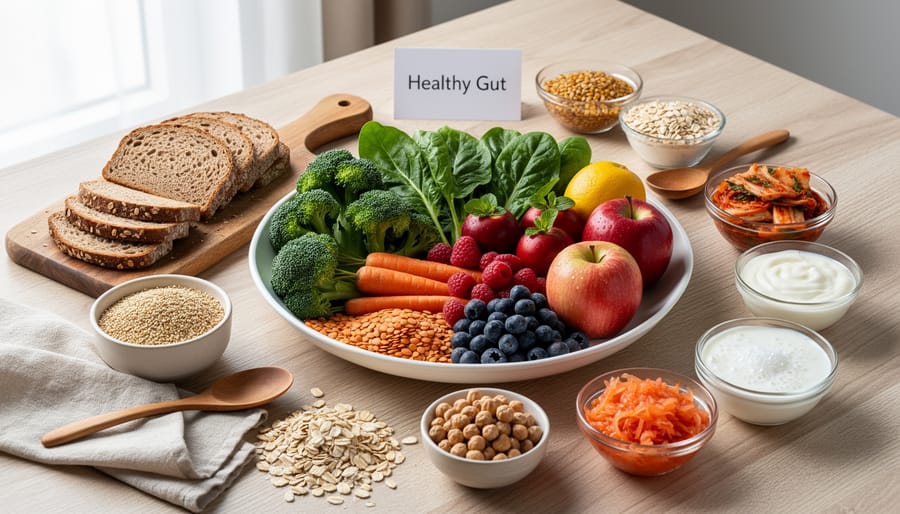
Fiber: Your Gut’s Best Friend
Fiber acts as fuel for your gut’s beneficial bacteria while keeping your digestive system running smoothly. Understanding the two types helps you make better food choices.
Soluble fiber dissolves in water, forming a gel that slows digestion and helps stabilize blood sugar. It feeds your gut bacteria, which produce beneficial compounds that support immunity and reduce inflammation. You’ll find soluble fiber in oats, barley, apples, beans, and lentils.
Insoluble fiber doesn’t dissolve in water and adds bulk to your stool, promoting regular bowel movements and preventing constipation. Whole wheat products, vegetables like broccoli and carrots, nuts, and seeds are excellent sources.
Canadian men should aim for 38 grams of total fiber daily, though most fall short at around 15-20 grams. Start gradually to avoid bloating and discomfort. Practical ways to increase fiber include choosing whole grain bread and pasta, adding ground flaxseed to smoothies or yogurt, snacking on almonds or apples with peanut butter, and filling half your plate with vegetables at meals. Beans and lentils are affordable, versatile Canadian staples that pack significant fiber per serving. Remember to increase water intake as you boost fiber consumption to help it work effectively.
Fermented Foods and Probiotics
Fermented foods are nature’s probiotics, containing beneficial bacteria that support digestive health and strengthen your immune system. Regular consumption of foods like yogurt, kefir, sauerkraut, kimchi, and kombucha can help restore balance to your gut microbiome, which is especially important after antibiotic use or during periods of high stress.
Start by incorporating one or two fermented foods into your daily routine. Greek yogurt with breakfast or a small serving of kimchi with lunch are simple ways to begin. Look for products labeled “live and active cultures” to ensure you’re getting beneficial bacteria. Aim for variety, as different fermented foods contain different bacterial strains.
While whole foods should be your primary source, probiotic supplements can be helpful in specific situations. Consider supplements if you’re recovering from antibiotics, managing digestive issues, or traveling. Choose products with at least 10 billion CFU (colony-forming units) and multiple bacterial strains. Refrigerated options tend to maintain better potency.
Remember that prebiotics, found in foods like garlic, onions, and bananas, feed the beneficial bacteria from fermented foods. Combining both creates the most effective approach to building a resilient, healthy gut microbiome that supports your overall wellness.
Protein and Gut Health Balance
Building muscle doesn’t have to compromise your digestive health. The key is selecting easily digestible protein sources and timing your intake strategically. Choose lean proteins like fish, eggs, and poultry, which are gentler on the gut than heavily processed options. If you’re maintaining a high protein intake, consider spreading meals throughout the day rather than consuming large amounts at once, giving your digestive system time to process efficiently. Incorporating fermented dairy like Greek yogurt or kefir provides both protein and beneficial probiotics. Plant-based proteins such as lentils and quinoa offer additional fiber to support digestive function. Stay well-hydrated, as protein metabolism requires adequate water intake. If you experience bloating or discomfort, digestive enzymes taken with meals can help break down proteins more effectively while you build strength and maintain gut balance.
Hydration and Timing
Proper hydration plays a foundational role in digestive health. Aim for 8-10 glasses of water daily, adjusting for activity level and climate. Water helps move food through your digestive tract, supports nutrient absorption, and maintains the mucosal lining of your intestines. Drink water between meals rather than during them to avoid diluting digestive enzymes.
Meal timing significantly impacts gut function. Eating at consistent times each day helps regulate your digestive system and supports beneficial gut bacteria. Try to space meals 4-5 hours apart, allowing your digestive system adequate time to process food. Consider a 12-hour overnight fast between dinner and breakfast to give your gut time to rest and repair.
Avoid eating within 2-3 hours of bedtime, as late-night eating can disrupt digestion and sleep quality. Eating mindfully without rushing allows proper chewing and enzyme activation, reducing digestive stress and promoting better nutrient absorption.
Lifestyle Practices That Support Your Gut

Exercise and Movement
Regular physical activity offers significant benefits for your gut microbiome and digestive function. Exercise increases microbial diversity in your intestines, which is associated with better overall health and immune function. Movement also stimulates digestive motility, helping food move through your system more efficiently and reducing issues like constipation and bloating.
Research shows that moderate exercise can positively influence the composition of beneficial bacteria in your gut, independent of diet. Activities that get your heart rate up for at least 30 minutes appear to be most effective for supporting gut health.
Practical recommendations for gut-friendly movement include:
Aim for 150 minutes of moderate-intensity aerobic activity weekly, such as brisk walking, cycling, or swimming. Even short 10-minute walks after meals can improve digestion and blood sugar regulation.
Incorporate strength training twice weekly. Building muscle mass supports metabolic health, which is closely linked to gut function.
Try yoga or gentle stretching. These practices reduce stress while promoting healthy digestion through specific poses that massage the abdominal area.
Listen to your body. Overtraining can actually harm gut health by increasing inflammation and stress hormones. Balance intense workouts with adequate recovery time to support both your fitness goals and digestive wellness.
Sleep Quality and Gut Recovery
Your gut and sleep communicate constantly through the gut-brain axis. Poor sleep disrupts your gut microbiome balance, while an unhealthy gut can interfere with quality rest. Research shows that inadequate sleep reduces beneficial bacteria and increases inflammation in your digestive system. Conversely, gut dysbiosis affects your production of sleep-regulating hormones like melatonin.
The connection between sleep and gut health means improving one supports the other. Aim for 7-9 hours nightly and maintain consistent sleep and wake times, even on weekends. Create a dark, cool bedroom environment and limit screen time at least one hour before bed. Avoid heavy meals within three hours of sleeping, as late-night eating disrupts both digestion and sleep quality. Consider a light magnesium-rich snack like pumpkin seeds if you’re genuinely hungry before bed. These simple changes help synchronize your circadian rhythm with gut function, supporting both digestive recovery and restorative sleep.
Stress Management Techniques
Chronic stress directly impacts your gut microbiome by increasing inflammation and disrupting the gut-brain axis. Research shows that implementing proven stress reduction strategies can significantly improve digestive health.
Start with simple breathing exercises: practice box breathing for five minutes daily by inhaling for four counts, holding for four, exhaling for four, and pausing for four. This activates your parasympathetic nervous system, supporting healthy digestion.
Consider meditation or mindfulness apps designed for beginners, dedicating just ten minutes each morning. Studies demonstrate that regular meditation reduces cortisol levels and promotes beneficial gut bacteria.
Take advantage of Canada’s natural landscapes by spending time outdoors. Even a twenty-minute walk in a local park or green space can lower stress hormones and support your microbiome. During winter months, snowshoeing or cross-country skiing offer excellent stress-relief opportunities while connecting with nature.
These evidence-based techniques work best when practiced consistently, helping restore the balance between your mind and gut.

Creating Your Personalized Gut Health Action Plan
Building a personalized gut health plan doesn’t need to be overwhelming. Start by assessing where you are right now. Keep a simple journal for one week, noting what you eat, your stress levels, sleep quality, bowel movements, and energy throughout the day. This baseline helps you identify patterns and problem areas specific to your situation.
Next, choose one area to focus on first. Trying to overhaul everything simultaneously often leads to burnout. If your diet needs the most attention, begin there. If stress is your biggest challenge, prioritize stress management techniques. The key is starting with what will make the most meaningful difference for you personally.
Create realistic, measurable goals. Instead of “eat better,” aim for “add one serving of fermented foods three times weekly” or “include vegetables at lunch and dinner.” Break larger goals into smaller weekly targets that build progressively. This approach prevents overwhelm and creates sustainable habits.
Build your support system. Share your goals with family or friends who can encourage you. Consider working with a registered dietitian who understands gut health, especially if you’re dealing with complex digestive issues or existing health conditions. Having professional guidance ensures you’re making evidence-based choices tailored to your needs.
Expect a timeline of 4-12 weeks to notice meaningful changes. Your gut microbiome didn’t develop overnight, and it won’t transform immediately either. Some improvements, like increased energy or better sleep, may appear within weeks. More significant changes to chronic digestive symptoms often require consistent effort over several months.
Track your progress but stay flexible. What works for someone else might not work for you, and that’s completely normal. If something isn’t helping after giving it a fair trial, adjust your approach. Your plan should evolve as you learn what your body responds to best.
Remember, sustainable change happens through consistent small actions, not perfection. Focus on progress, celebrate wins along the way, and be patient with yourself as you develop habits that support lasting gut health.
When to Seek Professional Help
While many gut issues can be managed through lifestyle changes, certain symptoms warrant professional medical attention. Seek immediate care if you experience persistent or severe abdominal pain, unexplained weight loss, blood in your stool, chronic diarrhea lasting more than two weeks, or difficulty swallowing. These may indicate conditions requiring medical diagnosis and treatment.
If you notice ongoing digestive discomfort that doesn’t improve with dietary adjustments, or if gut issues are significantly affecting your quality of life, work performance, or mental health, it’s time to consult a healthcare provider. Early intervention can prevent more serious complications and provide you with targeted solutions.
In Canada, your family physician can serve as your first point of contact, providing referrals to specialists when needed. Registered dietitians are valuable resources for personalized nutrition guidance and can help you develop sustainable eating patterns that support gut health. Many dietitians in Canada are covered through extended health benefits or employee assistance programs.
For complex digestive conditions, your doctor may refer you to a gastroenterologist who specializes in digestive system disorders. Wait times for specialists vary by province, so discuss options with your family doctor, including any provincial programs that might expedite access.
Provincial health services also offer mental health support, which can be important since stress and anxiety significantly impact gut health. Many communities provide access to registered psychologists or counselors who can help address the mind-gut connection. Remember, seeking professional help is a proactive step toward better health, not a sign of failure.
Improving your gut health doesn’t require a complete life overhaul. The key is understanding that small, consistent changes in how you eat, move, sleep, and manage stress work together to create meaningful results. Your gut microbiome is remarkably adaptable, responding positively to the choices you make each day.
Start by choosing just one or two actionable steps from what you’ve learned. Perhaps you’ll add more fermented foods to your meals this week, or commit to a 10-minute evening walk to support digestion and stress management. Maybe you’ll prioritize getting to bed 30 minutes earlier, knowing that quality sleep directly influences your gut bacteria. These seemingly simple adjustments, maintained over time, compound into significant improvements in your digestion, energy levels, mental clarity, and overall wellbeing.
Remember, this is your health journey, and you have more control than you might think. Every meal is an opportunity to nourish your gut, every night’s sleep supports its repair, and every stress management practice protects its balance. Be patient with yourself as you implement changes, and recognize that progress isn’t always linear. You’re investing in your long-term vitality, and that investment starts today with just one positive choice.