
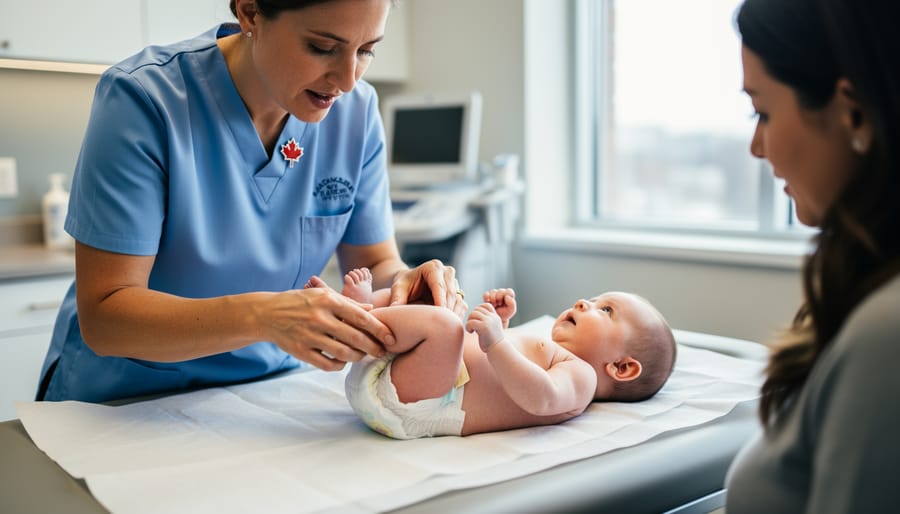
Recognize that joint hypermobility combined with unusually soft, doughy skin may signal Ehlers-Danlos Syndrome Type 7 (EDS Type 7), also called arthrochalasia type—a rare genetic connective tissue disorder affecting fewer than 1 in 1,000,000 people. Watch for joints that dislocate frequently and easily, particularly hips that dislocate at birth or shoulders and knees that slip out of place with minimal trauma, as these represent hallmark warning signs requiring immediate medical evaluation.
Note that infants with this condition typically display severe muscle weakness and low muscle tone (hypotonia) from birth, causing delayed motor milestones like sitting, crawling, and walking. Parents often describe their babies as feeling “floppy” when held, with joints that bend far beyond normal ranges.
Observe skin characteristics carefully: while the skin stretches more than typical, the defining feature is unusual fragility that tears easily from minor injuries and heals with distinctive wide, paper-thin scars. Unlike other EDS types, Type 7 specifically shows less dramatic skin elasticity but more pronounced joint problems.
Document all symptoms systematically before seeking specialist consultation, as early diagnosis prevents complications from repeated dislocations and enables appropriate physical therapy interventions. Canadian patients should request referral to geneticists or rheumatologists experienced in connective tissue disorders, as this rare condition requires expert confirmation through genetic testing identifying mutations in COL1A1 or COL1A2 genes that produce abnormal collagen structures.
What Makes EDS Type 7 Different from Other Types
The Genetic Component
EDS Type 7 happens because of changes in a specific gene called ADAMTS2. Think of genes as instruction manuals that tell your body how to build and maintain itself. In this case, the ADAMTS2 gene provides instructions for making an enzyme that helps process collagen—the protein that gives structure and strength to your skin, joints, and other tissues.
When this gene has a mutation, the enzyme doesn’t work properly, leading to the symptoms associated with EDS Type 7. This condition follows an autosomal recessive inheritance pattern, which means a child must inherit one changed copy of the gene from each parent to develop the condition. If both parents are carriers (having one changed gene copy), there’s a 25% chance with each pregnancy that their child will have EDS Type 7.
Understanding this genetic basis is important for families. If you have a child diagnosed with EDS Type 7, genetic counseling can help you understand the chances of having another affected child and provide guidance for family planning. Genetic testing can identify carriers within families, offering valuable information for relatives who may be planning to have children.
Why Early Recognition Matters
Recognizing EDS type 7 symptoms early can significantly improve your long-term health outcomes and daily quality of life. When this rare connective tissue disorder is identified promptly, you and your healthcare team can develop a personalized management plan that addresses your specific needs before complications develop.
Early diagnosis allows you to take proactive steps to protect your joints from dislocations and prevent potentially serious injuries. You can learn proper movement techniques, start appropriate physical therapy, and make informed lifestyle adjustments that reduce strain on your body. This preventive approach often means fewer emergency room visits and less time recovering from preventable injuries.
Understanding your condition early also provides emotional benefits. Many people with EDS type 7 spend years without answers, visiting multiple doctors and feeling dismissed. Getting a proper diagnosis validates your experiences and connects you with specialists who understand your condition. You’ll gain access to support networks and resources specifically designed for people living with connective tissue disorders.
For children with EDS type 7, early recognition is particularly important. It enables parents and educators to create safe environments that accommodate their needs while still encouraging healthy development and activity participation. With the right support system in place from the beginning, individuals with EDS type 7 can lead fulfilling, active lives.
Skin-Related Symptoms You Should Watch For
Extremely Fragile and Loose Skin
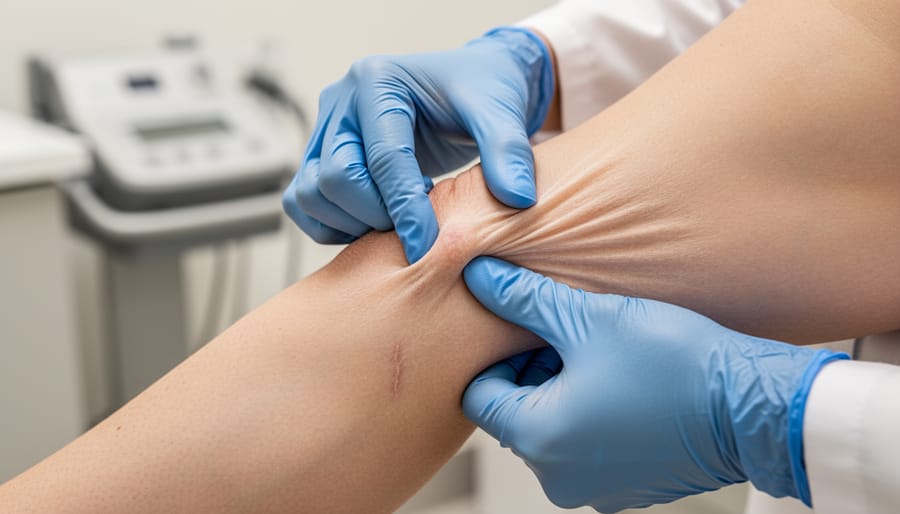
One of the most distinctive features of EDS type 7 is skin that feels and behaves very differently from typical skin. People with this condition often have skin that is exceptionally fragile, tearing or bruising easily from minor bumps or friction that wouldn’t typically cause injury. The skin may feel unusually soft and doughy to the touch, lacking the normal firmness and elasticity you’d expect.
Beyond fragility, the skin often appears loose or saggy, even in younger individuals. This isn’t the same as age-related skin changes—it’s present from childhood and can be quite pronounced. You might notice excessive skin folds, particularly around the hands, feet, and face. The skin may hang loosely rather than fitting snugly over the underlying tissues.
In daily life, this fragility creates unique challenges. Simple activities like removing adhesive bandages, wearing tight clothing, or even vigorous towel drying after showering can cause skin tears. Minor cuts may be deeper than expected and can take longer to heal. Bruising appears frequently and often seems disproportionate to the actual impact.
Parents may notice that their child’s skin seems unusually delicate during play, with scrapes and tears happening more easily than siblings or peers. Adults often need to take extra precautions during physical activities and may need to modify how they handle everyday tasks to protect their skin.
Understanding these skin characteristics is important for proper care and can help you recognize when specialist evaluation might be beneficial for you or your loved one.
Easy Bruising and Wound Healing Challenges
If you or a loved one has EDS type 7, you may notice that skin bruises remarkably easily, sometimes from seemingly minor contact or even without remembering any injury at all. These bruises often appear larger than expected and may take longer to fade compared to typical bruising patterns.
Wound healing presents unique challenges with this condition. Cuts and surgical incisions tend to heal more slowly than average, and the resulting scars often look different from what you might expect. You may develop thin, tissue-paper-like scars that appear stretched or widened over time. Some people also experience atrophic scarring, where the healed area appears sunken or depressed compared to surrounding skin.
It’s important to inform healthcare providers about these healing differences before any planned procedures or surgeries. Your medical team can take extra precautions during wound closure and may recommend specialized wound care techniques to optimize healing outcomes.
While these skin changes can feel concerning, understanding what to expect helps you plan appropriately. Keep a record of unusual bruising patterns or healing difficulties to share with your doctor. This information supports accurate diagnosis and helps your healthcare team develop a personalized care approach that addresses your specific needs and promotes the best possible healing outcomes.
Facial Features and Early Appearance
Children with EDS type 7 often display distinctive facial features that become noticeable during infancy or early childhood. These characteristics can help healthcare providers identify the condition early, supporting prompt diagnosis and care planning.
Common facial features include a rounder face shape with full cheeks, giving a somewhat cherubic appearance. The eyes may appear slightly wide-set, and some children have a small chin or underdeveloped jaw. Parents often notice their child’s skin appears unusually soft and delicate, with a quality that contributes to an overall youthful look.
One of the more striking features is what medical professionals describe as a premature aging appearance, which may seem contradictory. While the skin remains soft and velvety, certain facial characteristics can make young children appear simultaneously younger and older than their actual age. This includes prominent forehead veins, thin or translucent skin that shows underlying blood vessels, and early development of fine lines around the eyes.
These facial features vary in severity between individuals. Some children display subtle characteristics that are barely noticeable, while others have more pronounced features. If you observe these traits alongside other concerning symptoms like unusual joint flexibility or frequent bruising, discussing your observations with your family doctor is an important first step toward understanding your child’s health needs.
Joint and Mobility Symptoms
Joint Hypermobility and Instability
Joint hypermobility is one of the most recognizable features of EDS Type 7. This condition causes your joints to move beyond their normal range of motion, often described as being “double-jointed.” While some flexibility can seem advantageous, excessive joint mobility in EDS Type 7 creates significant challenges.
People with this condition frequently experience joint dislocations, where bones completely separate from their proper position, and subluxations, where joints partially slip out of place. Unlike typical dislocations that require significant force, these episodes can occur during routine activities like reaching for objects, turning over in bed, or even yawning. Common problem areas include shoulders, knees, fingers, hips, and jaw joints.
The impact on daily life can be substantial. Simple tasks like opening jars, carrying groceries, or typing may trigger joint instability. Many people develop compensatory movement patterns to protect vulnerable joints, which can lead to muscle fatigue and additional strain on other body parts. The chronic nature of joint instability often contributes to ongoing discomfort, making managing chronic pain an essential aspect of care.
Physical therapy focusing on muscle strengthening around unstable joints can provide better support and reduce dislocation frequency. Some individuals benefit from supportive braces or taping techniques during activities. Understanding your joint limits and learning safe movement strategies helps minimize injuries while maintaining independence in everyday activities.

Muscle Weakness and Tone Issues
Low muscle tone, medically known as hypotonia, is one of the most noticeable signs of EDS Type 7, especially in babies and young children. If you’ve observed that your infant seems “floppier” than other babies, has difficulty holding their head up, or reaches motor milestones like sitting or walking later than expected, this could indicate hypotonia.
In infants with EDS Type 7, this reduced muscle tone often becomes apparent within the first few months of life. Parents may notice their baby feels unusually soft or loose when held, struggles with feeding due to weak sucking reflexes, or has delays in developing strength for rolling over and crawling. These early signs can be concerning, but recognizing them helps ensure timely medical evaluation.
As children with EDS Type 7 grow, muscle weakness typically continues to present challenges. They may tire more easily during physical activities, have difficulty with tasks requiring sustained muscle effort like climbing stairs, or experience ongoing coordination issues. Some children develop an awkward gait or find sports and playground activities more challenging than their peers.
Adults with EDS Type 7 often report persistent muscular fatigue, reduced endurance, and ongoing difficulties with activities requiring sustained muscle engagement. This can impact daily functioning, from carrying groceries to maintaining certain postures for extended periods.
Physical therapy and targeted strengthening exercises can significantly help manage these muscular challenges throughout life. Working with healthcare providers experienced in connective tissue disorders ensures appropriate support strategies are implemented early, maximizing functional abilities and quality of life.
Other Physical Symptoms Canadians Should Know
Hernias and Organ Complications
The fragile connective tissue characteristic of EDS type 7 increases your risk of developing hernias, particularly umbilical and inguinal hernias. These occur when internal organs push through weakened areas in the abdominal wall. You might notice a visible bulge or experience discomfort in the affected area, especially when lifting objects or straining.
Internal organ complications can also arise due to tissue fragility. While less common, some individuals experience issues with organ function because the supportive connective tissues aren’t as strong as they should be. This can affect organs like the bladder, uterus, or intestines, potentially leading to complications such as organ prolapse.
If you notice any unusual bulging, persistent abdominal discomfort, or changes in organ function, it’s important to discuss these symptoms with your healthcare provider. Early detection allows for proper management strategies, which may include lifestyle modifications to reduce strain on vulnerable tissues, supportive devices, or in some cases, surgical intervention.
Regular monitoring by your medical team helps catch potential complications early. Being aware of these risks empowers you to take preventive measures, such as avoiding heavy lifting and maintaining good posture, which can help protect your body’s delicate connective tissues from unnecessary stress.
Posture and Skeletal Concerns
EDS Type 7 often affects the skeletal system in noticeable ways. Many individuals develop abnormal spinal curvatures, including scoliosis (sideways curvature) or kyphosis (forward rounding of the upper back). These changes can appear in childhood or progress over time, sometimes causing discomfort or affecting posture.
Flat feet, known medically as pes planus, are common due to weakened connective tissues that normally support the foot’s arch. This can lead to foot pain, difficulty with prolonged standing, or challenges finding comfortable footwear.
Other skeletal concerns may include an unusually shaped chest, joint misalignment, or differences in bone structure. Some people notice their shoulder blades protrude more than typical or experience hip problems.
If you notice persistent postural changes or skeletal issues, consult your family doctor. Physiotherapy and supportive footwear can help manage symptoms and maintain mobility. Early identification allows for better management strategies tailored to your specific needs.
Growth and Development in Children
Children with EDS Type 7 often experience noticeable differences in their growth and development that parents should monitor closely. Many children show delayed motor milestones, such as sitting, crawling, or walking later than expected. This occurs because joint hypermobility and low muscle tone make it harder to achieve physical stability and coordination.
Growth patterns may vary, with some children appearing smaller or more delicate than their peers. Bone development can be affected, sometimes leading to shorter stature or unusual bone formation. Parents might notice their child has difficulty with age-appropriate physical activities like climbing playground equipment or participating in sports.
Developmental concerns aren’t limited to physical abilities. Some children experience delays in fine motor skills, making tasks like holding utensils, buttoning clothes, or writing more challenging. However, cognitive development typically remains unaffected.
If you notice your child missing developmental milestones or showing unusual flexibility combined with frequent bruising or fragile skin, consult your family doctor. Early intervention with physiotherapy and occupational therapy can significantly improve outcomes, helping children build strength and learn protective movement strategies that support their long-term independence and quality of life.
When to Seek Medical Evaluation in Canada
Finding EDS Specialists in Canada
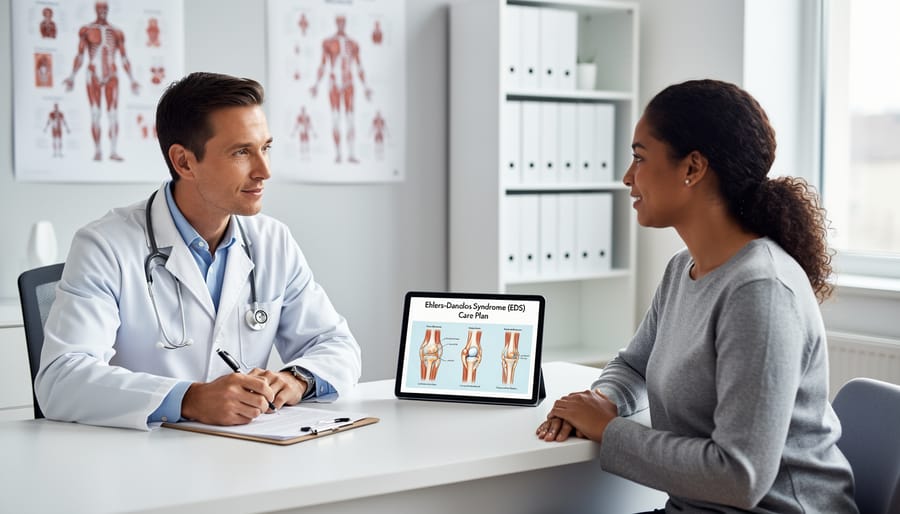
Finding specialized care for EDS Type 7 in Canada requires patience and persistence, but several pathways can help you connect with knowledgeable providers. Start by asking your family doctor for a referral to a geneticist or rheumatologist experienced in connective tissue disorders. Medical genetics clinics exist in most major Canadian cities, typically affiliated with university hospitals.
Provincial health systems offer different access points. In Ontario, contact genetics clinics through hospitals like Toronto’s SickKids or The Ottawa Hospital. British Columbia residents can access the Provincial Medical Genetics Program, while Quebec has genetics services at Montreal Children’s Hospital and CHU Sainte-Justine.
The Ehlers-Danlos Society Canada maintains a healthcare provider directory that lists EDS-aware specialists across provinces. This resource helps identify doctors who understand the condition’s complexities beyond standard medical training.
Consider joining Canadian EDS support groups through social media or patient advocacy organizations. Members often share valuable recommendations about specialists who’ve provided quality care. While wait times for genetics appointments can be lengthy—sometimes 6 to 12 months—documenting your symptoms thoroughly beforehand helps maximize consultation effectiveness.
Remember that building a healthcare team may include physiotherapists, occupational therapists, and pain specialists alongside your geneticist, creating comprehensive support for managing this complex condition.
What to Expect During Diagnosis
If you or your loved one shows signs of EDS Type 7, understanding the diagnostic process can help reduce anxiety and prepare you for what lies ahead. The EDS diagnosis journey typically begins with a thorough clinical evaluation by a medical geneticist or specialist familiar with connective tissue disorders.
Your healthcare provider will conduct a detailed physical examination, assess joint hypermobility using standardized scoring systems, and carefully review your medical and family history. They’ll examine your skin’s texture and elasticity, evaluate wound healing patterns, and document any skeletal abnormalities or previous dislocations.
Genetic testing provides definitive confirmation of EDS Type 7. A simple blood sample is analyzed to identify mutations in the ADAMTS2 gene. Results typically take four to eight weeks, though timelines vary depending on the laboratory and testing complexity.
The entire diagnostic process may span several months, especially if referrals to multiple specialists are needed. While waiting can feel challenging, gathering detailed medical records, photographs of symptoms, and keeping a symptom diary will support your diagnosis. Many patients find connecting with support communities helpful during this period, providing both emotional support and practical guidance through the healthcare system.
Living Well with EDS Type 7 Symptoms
Skin Protection Strategies
Protecting fragile skin in EDS type 7 requires consistent, preventive care. Adopt a gentle skin care routine using fragrance-free, hypoallergenic products that won’t irritate delicate tissue. Apply moisturizer regularly to maintain skin elasticity and barrier function.
Minimize injury risk by padding sharp furniture corners, wearing protective clothing during activities, and using soft fabrics against your skin. Keep fingernails trimmed short to prevent accidental scratching. When wounds occur, clean them gently with mild soap and water, then cover with non-adhesive bandages to avoid tearing during removal.
Sun protection is essential—use broad-spectrum SPF 30 or higher daily, as UV exposure can further weaken already fragile skin. Consider silicone-based scar sheets for wound healing support.
Work with your healthcare provider to develop a personalized wound care kit and treatment plan suited to your specific needs.

Safe Physical Activity and Fitness
Physical activity remains important for individuals with EDS Type 7, though careful exercise selection is essential to protect hypermobile joints. Low-impact activities that strengthen muscles without overstressing connective tissues work best. Swimming and water-based exercises are excellent options available at many Canadian community centres, as the water supports your body while building strength. Recumbent cycling, gentle walking on even surfaces, and modified yoga or tai chi can also benefit joint stability when performed with proper form.
Focus on exercises that strengthen the muscles surrounding vulnerable joints rather than pushing range of motion beyond comfortable limits. Working with a physiotherapist familiar with hypermobility disorders ensures you develop a personalized program that addresses your specific needs. Many Canadian physiotherapists now offer virtual consultations, making specialized care more accessible.
Avoid high-impact activities like running on hard surfaces, contact sports, or exercises involving repetitive joint stress. Listen to your body and stop if you experience unusual pain or joint instability. Using supportive braces during activity may help protect particularly vulnerable joints. Remember that consistency with gentle, appropriate exercise builds strength over time, reducing injury risk and supporting overall wellness despite connective tissue challenges.
Understanding the symptoms of EDS Type 7 is an important step toward getting the right care and support. This rare form of Ehlers-Danlos syndrome presents with distinctive signs including joint hypermobility, skin fragility, easy bruising, and skeletal complications that can significantly impact daily life. While these symptoms may seem overwhelming, recognizing them early makes a meaningful difference in managing the condition effectively.
If you or someone you care about shows signs of EDS Type 7, seeking medical evaluation is essential. A proper diagnosis from a healthcare professional familiar with connective tissue disorders opens the door to personalized treatment plans, physical therapy, and protective strategies that can prevent complications. In Canada, connecting with genetics specialists and rheumatologists ensures you receive expert-validated care tailored to your specific needs.
Remember that an EDS Type 7 diagnosis doesn’t define your future. With appropriate medical support, lifestyle adjustments, and a strong care team, individuals with this condition can lead fulfilling, active lives. Many people successfully manage their symptoms through targeted therapies, adaptive techniques, and community support networks.
You’re not alone on this journey. Healthcare providers, patient advocacy groups, and support communities across Canada are ready to help. By staying informed, advocating for your health needs, and working collaboratively with medical professionals, you can take control of your wellbeing. With the right resources and determination, maintaining a good quality of life is absolutely achievable.