
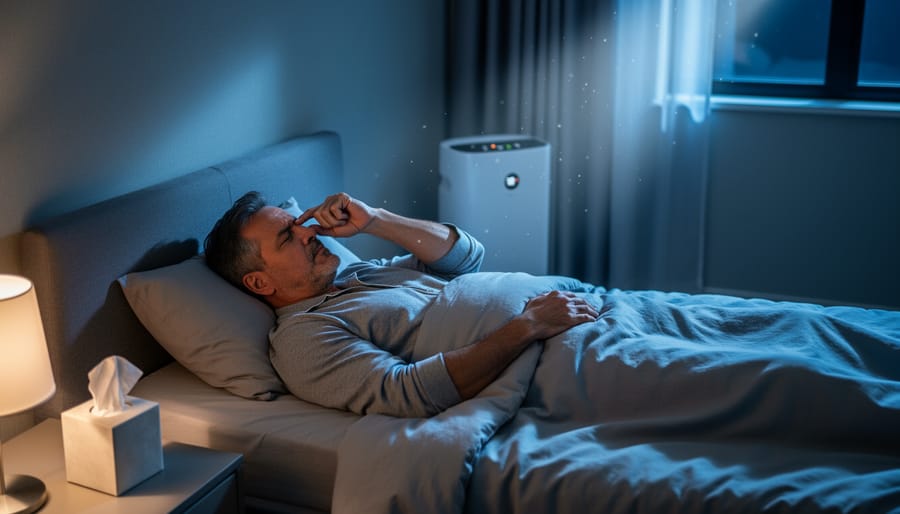
Check your allergy test results for measurements above 0.35 kU/L, which indicates a detectable allergic sensitivity that could be disrupting your sleep without you realizing it. This number represents the concentration of allergen-specific antibodies in your blood, and levels between 0.35-0.70 kU/L signal mild sensitivity while readings above 3.50 kU/L indicate moderate to severe allergies that often trigger nighttime symptoms like congestion, itching, and breathing difficulties.
Review your results alongside your sleep patterns by keeping a two-week diary tracking both allergy symptoms and sleep quality, noting whether you wake frequently, struggle to fall asleep, or feel unrested despite adequate time in bed. Research shows that elevated allergen antibodies correlate directly with reduced sleep quality, as your immune system remains activated throughout the night fighting perceived threats from dust mites, pet dander, pollen, or food allergens.
Understanding your kU/L readings empowers you to take targeted action rather than guessing which allergens affect you most. When you know your specific sensitivities and their severity levels, you can prioritize environmental changes, adjust your bedroom setup, and work with healthcare providers to develop personalized treatment plans that address both your allergies and sleep disruption simultaneously.
The connection between allergen exposure and sleep quality represents a solvable problem once you decode what your body is telling you through these measurements. Taking control starts with understanding the numbers on your test results and recognizing how even mild sensitivities can create cumulative effects that leave you exhausted despite spending eight hours in bed.
Understanding Allergen Measurement: What ku/l Really Means

How Allergy Tests Work in Canada
In Canada, healthcare providers use two main approaches to identify specific allergies. The most common method is the skin prick test, where small amounts of allergens are applied to your skin, usually on your forearm or back. If you’re allergic, a small raised bump appears within 15-20 minutes. This test is quick, relatively inexpensive, and available through most allergists across the country.
The second option is a blood test, which measures allergen-specific IgE antibodies in your bloodstream. This is where ku/l measurements come in. Your doctor takes a blood sample and sends it to a lab for analysis. Blood tests are particularly useful if you have skin conditions like eczema, take medications that interfere with skin testing, or have a history of severe allergic reactions. They’re also safer for young children and people who can’t stop taking antihistamines.
Both methods are covered by provincial health insurance when ordered by a physician, though wait times vary by region. Your doctor will recommend the most appropriate test based on your symptoms, medical history, and specific concerns about how allergies may be affecting your daily life, including sleep quality.
Reading Your Allergy Test Results
When you receive your allergy test results, the ku/l measurements will typically fall into specific ranges that indicate your sensitivity level. Here’s what the numbers mean for your daily life:
A reading below 0.35 ku/l is considered negative, meaning you’re unlikely to have a clinically significant allergy to that substance. Results between 0.35 and 0.70 ku/l show low sensitivity – you might notice mild symptoms occasionally, but they’re usually manageable without major lifestyle changes.
Moderate readings fall between 0.71 and 3.50 ku/l. At this level, you’ll likely experience noticeable symptoms when exposed to the allergen, and you may need to take preventive steps. High readings range from 3.51 to 17.50 ku/l, indicating significant sensitivity that often requires active management strategies. Very high results above 17.50 ku/l suggest strong allergic reactions that typically need medical intervention and careful avoidance of triggers.
Understanding these ranges helps you gauge how seriously your allergies might affect your daily activities and sleep quality. If your results show moderate to very high levels, it’s worth discussing targeted treatment options with your healthcare provider. They can recommend specific strategies to reduce your exposure and minimize symptoms, helping you sleep better and feel more energized throughout your day.
The Hidden Link Between Allergen Exposure and Sleep Disruption
How Allergens Attack Your Sleep
When allergens enter your body, they trigger a cascade of physical reactions that directly interfere with your ability to get restful sleep. Understanding these processes can help you recognize why you’re waking up tired despite spending enough hours in bed.
The most immediate impact comes from nasal congestion. When your immune system detects allergens like pollen, dust mites, or pet dander, it releases histamine and other chemicals that cause the tissues in your nasal passages to swell. This swelling restricts airflow, forcing you to breathe through your mouth. Mouth breathing during sleep reduces oxygen intake and can lead to snoring or sleep apnea symptoms, preventing you from reaching the deeper, more restorative stages of sleep.
Post-nasal drip creates another significant problem. Excess mucus produced by your irritated nasal passages drips down the back of your throat, triggering coughing fits that can jolt you awake repeatedly throughout the night. Even if you don’t fully wake up, these disturbances fragment your sleep cycles.
Perhaps most importantly, the inflammatory response itself disrupts your sleep architecture. The same chemicals your body releases to fight allergens can interfere with your natural sleep-wake cycle. Research shows that inflammation affects the production of sleep-regulating hormones like melatonin, making it harder to fall asleep initially and reducing the amount of time you spend in REM sleep, which is crucial for memory consolidation and emotional regulation.
Together, these physiological processes explain why even mild allergies can leave you feeling exhausted day after day.
The Sleep-Allergy Cycle
When you don’t get enough quality sleep, your immune system can’t function at its best. Research shows that sleep deprivation reduces your body’s production of protective proteins called cytokines, which help fight inflammation and allergic reactions. This means your already elevated allergen levels may trigger stronger symptoms like congestion, sneezing, and itchy eyes.
Here’s where the cycle begins: your allergy symptoms keep you awake at night, leading to poor sleep quality. That lack of rest then weakens your immune response, making you more sensitive to allergens the next day. This creates a frustrating loop where allergies disrupt sleep, and poor sleep worsens allergies.
The impact extends beyond just feeling tired. Chronic sleep deprivation combined with ongoing allergy symptoms can affect your mood, concentration, and energy levels. Understanding how sleep affects overall wellness is crucial for breaking this cycle.
The good news is that by addressing both your allergen exposure and sleep habits together, you can interrupt this pattern. Small improvements in one area often lead to benefits in the other, helping you feel better overall.
Common Bedroom Allergens That Sabotage Your Rest
Dust Mites: The Invisible Sleep Thief
Dust mites are microscopic creatures that thrive in your bedding, mattresses, and pillows, feeding on dead skin cells we naturally shed each night. These tiny organisms are one of the most common indoor allergens, and their waste products can trigger significant allergic reactions that disrupt your sleep quality.
Canadian homes create particularly ideal conditions for dust mites, especially during winter months. When we turn up the heat to stay warm, we often create the warm, humid environments that dust mites love. Homes heated to temperatures between 20-25°C with indoor humidity levels above 50% become breeding grounds for these invisible sleep thieves.
Your mattress can harbor millions of dust mites, and when you lie down each night, you’re in close contact with their allergens for hours. This prolonged exposure can lead to nighttime symptoms like nasal congestion, sneezing, itchy eyes, and breathing difficulties. If your ku/l test results show elevated levels of dust mite allergens, this nighttime exposure could be the primary reason you’re waking up feeling unrested.
The good news is that understanding this connection between dust mites and your sleep problems is the first step toward finding relief through targeted bedroom environment changes.

Pet Dander and Bedroom Boundaries
Many people believe that keeping pets out of the bedroom eliminates allergen exposure during sleep, but research shows this isn’t entirely effective. Pet dander consists of tiny, lightweight particles that easily become airborne and travel throughout your home via air currents, clothing, and everyday movement. These microscopic allergens can remain suspended in the air for extended periods and settle on bedding, pillows, and bedroom furniture even when your pet never enters the space.
Studies indicate that homes with cats or dogs have measurable allergen levels in every room, regardless of whether pets have access to those areas. Pet owners unknowingly transport dander on their clothing and hair, transferring it to bedroom surfaces. Additionally, shared HVAC systems circulate allergens between rooms, making complete separation nearly impossible.
If your ku/l test results show elevated pet allergen levels and you’re experiencing sleep disruption, establishing bedroom boundaries is still beneficial as one layer of protection. Consider using high-efficiency air purifiers with HEPA filters in your bedroom, washing bedding weekly in hot water, and changing into clean clothes before bed. While these steps won’t eliminate exposure entirely, they can significantly reduce allergen concentration where you spend roughly one-third of your day, potentially improving your sleep quality and overall allergy symptoms.
Practical Steps to Reduce Bedroom Allergens
Bedroom Environment Modifications
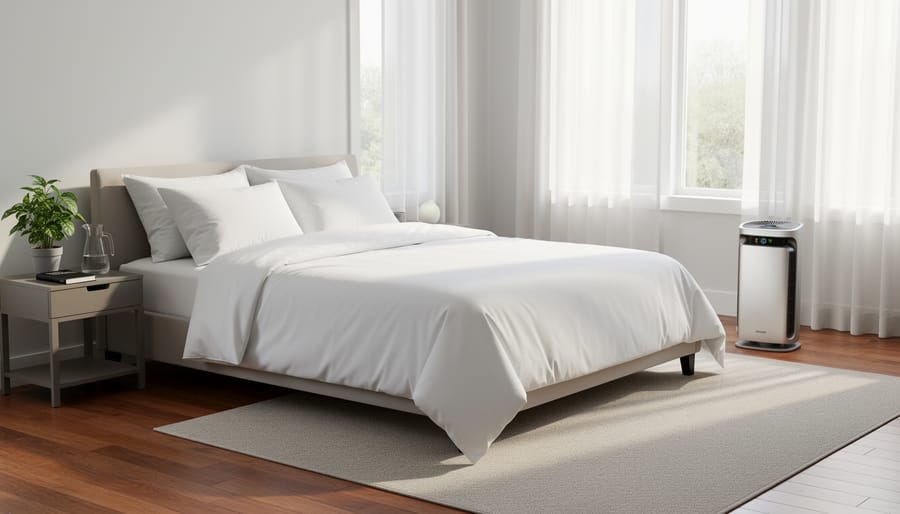
Transforming your bedroom into an allergen-free zone is one of the most effective ways to reduce your ku/l allergen exposure and improve sleep quality. Start with hypoallergenic bedding made from tightly woven fabrics that prevent dust mites from penetrating. Wash sheets weekly in hot water (at least 60°C) to eliminate allergens effectively.
Invest in certified allergen-proof encasements for your mattress, box spring, and pillows. These zippered covers create a barrier between you and common allergens like dust mites, which are measured in those ku/l units on your test results. Look for products certified by the Asthma and Allergy Foundation of America or similar organizations.
Humidity control is especially crucial in Canadian climates where indoor heating can dry out winter air, and summer humidity can promote mold growth. Maintaining optimal bedroom humidity levels between 30-50% helps prevent both dust mite proliferation and mold development. Use a hygrometer to monitor levels and adjust with a humidifier or dehumidifier as needed.
Consider adding a HEPA air purifier to filter airborne allergens continuously. Place it near your bed for maximum benefit during sleep hours. These devices capture 99.97% of particles, including pollen, pet dander, and dust mite debris.
Finally, remove carpeting if possible, as it traps allergens. Hard flooring with washable area rugs makes cleaning easier. These modifications work together in creating a sleep sanctuary that supports both respiratory health and restorative sleep.
Daily and Weekly Cleaning Routines
Establishing a consistent cleaning routine helps manage allergen levels in your home without adding stress to your busy schedule. Focus your daily efforts on high-traffic areas where allergens accumulate quickly. Spend just five minutes each evening wiping down surfaces in your bedroom with a damp microfiber cloth, which traps dust and pet dander more effectively than dry dusting. Make your bed immediately after getting up to prevent dust mites from settling in warm sheets.
For weekly tasks, vacuum carpets and upholstered furniture using a HEPA-filter vacuum, which captures 99.97% of airborne particles. Wash bedding in hot water (at least 60°C) to eliminate dust mites and pollen that cling to fabrics. Clean bathroom surfaces thoroughly to prevent mold growth, particularly important in humid Canadian climates.
Focus on one room per week for deeper cleaning rather than attempting everything at once. This manageable approach prevents burnout while maintaining allergen control. Pay special attention to often-overlooked areas like ceiling fan blades, window sills, and behind furniture where allergens settle. Keep cleaning supplies readily accessible to make these routines easier to maintain. Remember, consistency matters more than perfection when reducing allergen exposure and improving your sleep quality.
Lifestyle Adjustments for Better Sleep
Creating an evening routine can significantly reduce allergen exposure and improve your sleep quality. Start by showering before bed to wash away pollen, dust, and other allergens that accumulate on your skin and hair throughout the day. Change into fresh sleepwear that hasn’t been exposed to outdoor allergens, and consider storing these clothes in a closed dresser rather than open shelving.
If you have pets, establish boundaries by keeping them out of your bedroom at night, as pet dander is a common allergen that can disrupt sleep. Brush and bathe your pets regularly to minimize dander buildup. Additionally, remove outdoor clothing in a mudroom or entryway rather than your bedroom to prevent tracking allergens into your sleep space.
These simple adjustments work alongside other sleep hygiene practices to create a cleaner, allergen-reduced environment where your body can rest and recover more effectively throughout the night.
When to Seek Professional Help
If your allergy symptoms are significantly disrupting your sleep despite trying home management strategies, it’s time to consult a healthcare provider. Watch for warning signs like consistently waking up exhausted, experiencing breathing difficulties at night, or finding that over-the-counter antihistamines aren’t providing relief. Persistent nasal congestion, frequent nighttime awakenings, or morning headaches are also indicators that professional help could make a meaningful difference.
When you visit your doctor or allergist, come prepared to discuss your specific symptoms and their timing. Share your ku/l test results if you have them, explain which symptoms worsen at night, and describe your sleep environment in detail. It’s helpful to keep a sleep diary for one to two weeks beforehand, tracking when symptoms occur and how they impact your rest. Don’t hesitate to mention how these sleep disruptions affect your daily life, work performance, or mental wellbeing.
Canadian healthcare providers can offer several evidence-based treatment options. Prescription antihistamines may be more effective than over-the-counter versions for severe symptoms. Nasal corticosteroid sprays can reduce inflammation and improve breathing during sleep. For persistent allergies with high ku/l readings, your doctor might recommend allergen immunotherapy, which gradually trains your immune system to tolerate specific allergens. This treatment is available through allergists across Canada and is often covered by provincial health plans or private insurance.
If you experience severe reactions like difficulty breathing, chest tightness, or swelling, seek immediate medical attention. Remember, quality sleep is essential for your overall health, and addressing allergy-related sleep problems is an investment in your long-term wellness. Professional guidance can help you find the right solution for restful, restorative sleep.
Understanding your ku/l allergy measurements empowers you to take meaningful action toward better health. These numbers aren’t just laboratory results—they’re valuable insights into what’s triggering your symptoms and potentially disrupting your sleep. When you know which allergens are affecting you most, you can create targeted strategies to reduce your exposure and improve both your daytime comfort and nighttime rest.
The connection between allergen exposure and sleep quality is clear and well-documented. Poor sleep doesn’t just leave you tired; it weakens your immune system, affects your mental health, and reduces your overall quality of life. By addressing your allergies proactively, you’re investing in better sleep and, consequently, better overall wellness.
Start small. Review your test results with your healthcare provider, implement practical changes in your bedroom environment, and consider proven allergy management approaches. Whether it’s using allergen-proof bedding covers, improving air quality, or following recommended treatment plans, each step moves you closer to restful nights and energized days. Your health journey is unique, and understanding your ku/l measurements gives you the knowledge to make informed decisions that truly work for you.