

Recognize the warning signs when substance use and mental health challenges appear together—difficulty controlling use despite negative consequences, persistent anxiety or depression that worsens with drug or alcohol consumption, using substances to cope with emotional pain, or experiencing withdrawal symptoms alongside mood changes. These overlapping conditions, known as concurrent disorders or dual diagnosis, affect approximately 20% of Canadians with a mental health condition, yet fewer than half receive appropriate integrated treatment.
Understand that concurrent disorders create a complex cycle where each condition intensifies the other. Someone living with depression might turn to alcohol for temporary relief, but alcohol’s depressive effects ultimately worsen their mental health symptoms. Similarly, stimulant use can trigger or amplify anxiety disorders, while the anxiety drives continued substance use as a coping mechanism. This interconnection explains why treating only one condition rarely leads to lasting recovery.
Seek comprehensive, simultaneous treatment rather than addressing mental health and substance use separately. Research consistently shows that integrated treatment approaches—where both conditions receive attention from a coordinated care team—produce significantly better outcomes than sequential or parallel treatments. Canadian healthcare guidelines now recommend this integrated model as the gold standard.
Know that recovery is entirely possible with proper support. Evidence-based treatments including cognitive-behavioral therapy, medication-assisted treatment when appropriate, peer support programs, and lifestyle modifications like regular exercise and structured sleep schedules all contribute to healing. The key lies in recognizing that these conditions didn’t develop in isolation, and they won’t resolve in isolation either. Professional help combining mental health expertise with addiction medicine offers the strongest foundation for lasting wellness and renewed quality of life.
What Are Concurrent Disorders?

Understanding the Connection Between Mental Health and Substance Use
Mental health conditions and substance use frequently occur together, creating what healthcare professionals call concurrent disorders. Understanding this connection is essential for effective treatment and recovery.
One of the most common patterns is self-medication. When someone experiences symptoms of depression, anxiety, or trauma, they may turn to alcohol or drugs seeking temporary relief. While substances might provide short-term comfort, they ultimately worsen mental health symptoms and create a cycle that’s difficult to break. For example, someone with social anxiety might drink alcohol to feel more comfortable in social situations, but over time, this can lead to dependence and increased anxiety.
Research shows that mental health conditions and substance use also share several risk factors. Genetics play a role in both, meaning if mental health conditions or addiction run in your family, you may have increased vulnerability to both. Traumatic experiences, particularly during childhood, significantly increase the risk of developing both mental health challenges and problematic substance use. Environmental factors like chronic stress, social isolation, and lack of support also contribute to both conditions.
Additionally, substances directly affect brain chemistry, which can trigger or worsen mental health symptoms. Regular use of certain substances can alter neurotransmitter function, potentially leading to mood disorders even in people without previous mental health concerns.
The good news is that with proper support and integrated treatment addressing both conditions simultaneously, recovery is absolutely possible. Recognizing these connections is the first step toward healing.
Common Mental Health Conditions in Concurrent Disorders
When substance use and mental health challenges occur together, certain mental health conditions appear more frequently than others. Understanding these common combinations can help you recognize when professional support might be beneficial.
Depression is one of the most frequently occurring mental health conditions alongside substance use. People may turn to alcohol or drugs to cope with persistent sadness, low energy, or feelings of hopelessness, though substances often worsen these symptoms over time.
Anxiety disorders, including generalized anxiety, panic disorder, and social anxiety, also commonly co-occur with substance use. Some individuals use substances to manage overwhelming worry or fear, creating a challenging cycle where relief is temporary but dependence can develop.
Post-traumatic stress disorder (PTSD) has strong links to concurrent disorders. Many people who have experienced trauma use substances to numb difficult memories or emotions, though this approach typically prevents healing and can intensify symptoms.
Bipolar disorder, characterized by mood swings between depression and elevated states, frequently occurs alongside substance use challenges. The unpredictable nature of mood episodes may lead some to self-medicate, complicating both diagnosis and treatment.
Recognizing these patterns is the first step toward getting appropriate help. Evidence-based treatments address both conditions simultaneously, offering the best chance for lasting recovery and improved well-being.
The Reality of Concurrent Disorders in Canada
Who Is Affected?
Concurrent disorders affect Canadians from all backgrounds, ages, and communities. While anyone can develop these conditions, research shows that certain groups face higher risks. Young adults between 18 and 35 experience particularly high rates, often as mental health challenges and substance use patterns develop during these formative years. Indigenous communities experience disproportionately higher rates due to historical trauma, systemic barriers to healthcare, and ongoing socioeconomic challenges.
Veterans, individuals who have experienced trauma or adverse childhood experiences, and people facing homelessness or housing insecurity also show elevated rates of concurrent disorders. Those living with chronic pain or physical health conditions may be at increased risk, sometimes beginning substance use as a way to manage symptoms.
It’s important to recognize that concurrent disorders don’t discriminate based on income, education, or employment status. Professionals, parents, students, and retirees can all be affected. What matters most is understanding that these conditions are health issues, not moral failings. Recovery is possible with appropriate support and treatment. If you recognize these patterns in yourself or someone you care about, reaching out for help is a sign of strength and the first step toward wellness.
The Growing Concern of Polysubstance Use
Polysubstance use—the practice of using two or more substances together or within a short time period—is becoming increasingly common across Canada. Many people combine alcohol with cannabis, prescription medications with stimulants, or opioids with benzodiazepines, often without fully understanding the risks. This pattern significantly complicates concurrent disorders because each substance affects brain chemistry differently, making it harder to identify which symptoms stem from mental health conditions versus substance effects.
When multiple substances are involved, polysubstance use disorders create additional treatment challenges. Different substances may require distinct detoxification approaches, and withdrawal symptoms can overlap and intensify. The interactions between substances can also worsen mental health symptoms, creating a cycle that’s difficult to break. For example, using alcohol to manage anxiety while also using stimulants for energy can lead to unpredictable mood swings and increased health risks. Understanding these complex patterns is essential for effective treatment, as addressing only one substance or the mental health condition alone rarely leads to lasting recovery. Comprehensive, integrated care that considers all substances and mental health concerns together offers the best path forward.
Recognizing the Signs: What to Watch For
Mental Health Warning Signs
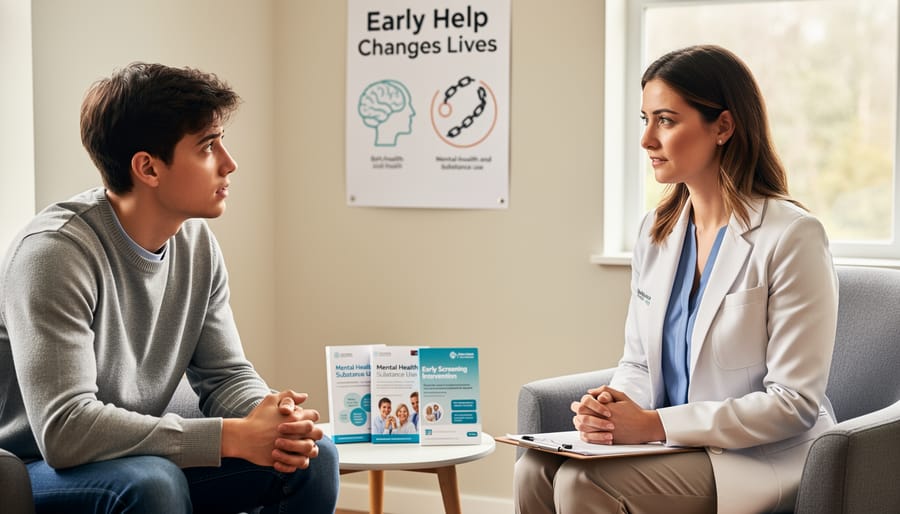
Recognizing mental health warning signs early can make a significant difference in getting appropriate support. Emotional indicators often include persistent feelings of sadness or hopelessness, extreme mood swings, excessive worry or fear, and feeling emotionally numb or disconnected from others. You might notice prolonged irritability, anger outbursts, or difficulty experiencing pleasure in activities you once enjoyed.
Behavioral changes are equally important to recognize. These may include withdrawing from friends, family, and social activities, significant changes in eating or sleeping patterns, declining performance at work or school, and difficulty concentrating or making decisions. Some people experience increased confusion, racing thoughts, or trouble managing daily responsibilities.
Physical symptoms can also signal mental health concerns, such as unexplained aches and pains, low energy levels, or using substances to cope with emotions. If you or someone you care about experiences several of these signs for more than two weeks, reaching out to a healthcare provider is an important step. Remember, seeking help is a sign of strength, not weakness, and effective treatments are available to support your mental wellness journey.
Substance Use Warning Signs
Recognizing substance use patterns early can help you or someone you care about access support sooner. Common warning signs include noticeable changes in daily routines, such as missing work or social commitments, and increased secrecy about activities or whereabouts. Physical indicators might include changes in sleep patterns, appetite fluctuations, or unexplained weight changes.
Behavioural shifts often appear as mood swings, irritability, or withdrawing from friends and family. You might notice financial difficulties emerging, such as borrowing money frequently or struggling to pay bills. Physical signs can include bloodshot eyes, tremors, or changes in coordination.
It’s important to remember that experiencing one or two of these signs doesn’t automatically indicate a problem, as many factors can affect behaviour and health. However, if several signs appear together and persist over time, it may be worth having a caring conversation or seeking guidance from a healthcare provider.
These indicators aren’t meant to label or judge anyone. Instead, they serve as a compassionate starting point for recognizing when additional support might be beneficial. Early recognition creates opportunities for positive change and improved wellbeing.
When Both Occur Together
When mental health conditions and substance use problems occur together, they often create a more complex picture than either condition alone. You might notice that symptoms become more intense or harder to predict. For example, anxiety may worsen during withdrawal periods, while substance use might temporarily mask depression symptoms, making it difficult to recognize the underlying mental health issue.
These concurrent disorders can feed into each other in challenging ways. Someone might use substances to cope with mental health symptoms, which then worsens their mental health over time, creating a difficult cycle. Physical health may also decline more rapidly, affecting sleep patterns, energy levels, and overall wellness.
The good news is that with proper support, both conditions can be treated together. Integrated treatment approaches that address mental health and substance use simultaneously tend to be most effective. Recovery is possible, and many Canadians successfully manage concurrent disorders with the right combination of professional care, lifestyle changes, and community support.
Why Concurrent Disorders Are Challenging to Treat
The Chicken-or-Egg Problem
When someone struggles with both a mental health condition and substance use disorder, it’s often unclear which came first. Did anxiety lead to alcohol use as a coping mechanism, or did heavy drinking trigger anxiety symptoms? This chicken-or-egg dilemma is common with concurrent disorders, and the answer isn’t always straightforward.
What matters most isn’t determining which condition appeared first, but recognizing that both conditions now influence and worsen each other. Someone might start using substances to self-medicate depression, but over time, the substance use can deepen that depression and create additional health problems. This creates a cycle where treating just one condition rarely leads to lasting recovery.
That’s why integrated treatment approaches are essential. Healthcare providers trained in concurrent disorders understand that both conditions need attention simultaneously. Treating mental health without addressing substance use, or vice versa, leaves half the problem unsolved. Integrated care considers the whole person, addressing how these conditions interact and providing coordinated support that leads to better, more sustainable outcomes for recovery and overall wellness.
Barriers to Effective Treatment in Canada
Despite growing awareness of concurrent disorders, many Canadians face significant obstacles in accessing appropriate care. Our healthcare system often treats mental health and substance use separately, creating a fragmented approach that fails people dealing with both conditions simultaneously. This siloed structure means individuals may receive conflicting advice or incomplete treatment plans that don’t address their full needs.
Stigma remains a powerful barrier, preventing many from seeking help or disclosing the full extent of their struggles to healthcare providers. People with concurrent disorders often face judgment from both medical professionals and society, which can lead to delayed treatment and worsening symptoms.
Geographic location compounds these challenges, with rural and remote communities experiencing severe access issues. Long wait times for mental health services, limited availability of specialized concurrent disorder programs, and inadequate insurance coverage for comprehensive treatment further restrict care options.
The good news is that awareness is growing. Healthcare providers increasingly recognize the need for integrated treatment approaches, and advocacy efforts continue pushing for system improvements. Seeking help, even within an imperfect system, remains the most important step toward recovery.
Effective Treatment Approaches for Concurrent Disorders
Integrated Treatment: Addressing Both Conditions Simultaneously
When mental health conditions and substance use disorders occur together, treating them simultaneously offers significantly better outcomes than addressing them one at a time. This integrated approach recognizes that these conditions often fuel each other—for example, untreated anxiety may lead to increased substance use, while substance use can worsen anxiety symptoms. Separating treatment can leave one condition untreated, potentially undermining progress in the other.
Integrated treatment brings together mental health and addiction specialists who work as a coordinated team. This means you receive evidence-based treatment options for both conditions in one setting, eliminating the confusion of navigating multiple systems separately. Your treatment team develops a unified plan that addresses how your conditions interact, rather than treating them as isolated issues.
Research consistently shows that people receiving integrated care experience better recovery rates, reduced hospitalizations, and improved quality of life compared to sequential treatment. This approach also reduces the risk of relapse, as both conditions receive the attention they need from the start. Most importantly, integrated treatment recognizes your experience as a whole person, not just a collection of separate diagnoses.
Therapy and Counseling Options
Treating concurrent disorders requires specialized approaches that address both mental health and substance use issues simultaneously. In Canada, several evidence-based therapies have proven effective for people navigating these complex challenges.
Cognitive Behavioral Therapy (CBT) helps individuals identify and change negative thought patterns that contribute to both mental health symptoms and substance use. This approach teaches practical coping skills and strategies to manage triggers, making it particularly valuable for concurrent disorders.
Dialectical Behavior Therapy (DBT) combines individual therapy with group skills training, focusing on emotional regulation, distress tolerance, and interpersonal effectiveness. Originally developed for borderline personality disorder, DBT has shown strong results for people dealing with substance use alongside intense emotional struggles.
Trauma-informed care recognizes that many individuals with concurrent disorders have experienced trauma. This compassionate approach creates safe therapeutic environments and addresses how past experiences may influence current behaviors and mental health.
Motivational interviewing is another cornerstone therapy that helps people explore their ambivalence about change without judgment. It supports individuals in finding their own reasons for recovery, which strengthens commitment to treatment.
These therapies work best when delivered by professionals trained in concurrent disorder treatment, who understand the interconnected nature of mental health and substance use challenges.
Medication and Medical Support
Medication plays an important role in treating concurrent disorders, working alongside counseling and lifestyle changes to support your recovery. Healthcare providers may prescribe medications to help manage both mental health symptoms and substance use challenges at the same time.
For mental health conditions like depression, anxiety, or bipolar disorder, antidepressants, mood stabilizers, or anti-anxiety medications can help stabilize your mood and reduce symptoms that might trigger substance use. Some medications, such as methadone or buprenorphine for opioid use disorder, help reduce cravings and withdrawal symptoms, making it easier to focus on your recovery.
In Canada, treatment approaches are personalized to your specific needs. Your healthcare team will consider how medications interact with each other and adjust doses carefully to ensure safety and effectiveness. It’s essential to be honest with your doctor about all substances you’re using so they can prescribe the safest options for you.
Remember that medication is most effective when combined with therapy and healthy lifestyle practices. Never stop taking prescribed medications suddenly without consulting your healthcare provider, as this can worsen symptoms. Regular follow-up appointments help ensure your treatment plan continues working well for you.
Practical Lifestyle Strategies for Managing Concurrent Disorders
Building a Strong Support Network
Recovery from concurrent disorders is stronger with support from understanding people who care about your wellbeing. Start by identifying trusted friends or family members who can offer encouragement without judgment. Be honest about your needs and the challenges you’re facing.
Professional support groups provide invaluable connection with others experiencing similar struggles. Many Canadian communities offer peer-led groups specifically for concurrent disorders, where you can share experiences and learn coping strategies in a safe environment. Organizations like the Canadian Mental Health Association and the Centre for Addiction and Mental Health provide directories of local support groups across the country.
Online communities can also offer support, especially if in-person options aren’t accessible in your area. Look for moderated forums and virtual support groups led by qualified facilitators.
Don’t hesitate to reach out to community resources such as community health centres, Indigenous wellness programs, and faith-based organizations that align with your values. Many offer free or low-cost counseling, educational workshops, and social activities that combat isolation while promoting recovery. Building your network takes time, but each supportive connection strengthens your foundation for lasting wellness.

The Role of Physical Activity and Fitness
Regular physical activity offers powerful benefits for people managing concurrent disorders. Exercise naturally improves mood by releasing endorphins, reduces anxiety, and helps regulate sleep patterns—all essential for mental health recovery. Research shows that physical activity can decrease cravings and lower relapse rates in substance use treatment by providing healthy coping mechanisms and structure to daily routines.
Even moderate activities like walking, cycling, or swimming for 30 minutes most days can make a meaningful difference. Exercise also builds self-confidence and creates opportunities for positive social connections, which strengthen recovery efforts. For Canadians living with concurrent disorders, incorporating regular movement into treatment plans supports both mental wellness and substance use recovery simultaneously.
Start slowly with activities you enjoy, and consider working with healthcare providers to develop a safe, personalized fitness plan that complements your overall treatment approach.
Nutrition for Mental Health and Recovery
What you eat directly affects your brain chemistry and mental health. When recovering from concurrent disorders, proper nutrition supports both your physical healing and emotional well-being.
Focus on regular, balanced meals throughout the day to stabilize blood sugar and mood. Include omega-3 fatty acids from fish, walnuts, and flax seeds, which support brain function and may help reduce symptoms of depression and anxiety. Complex carbohydrates like whole grains, vegetables, and legumes provide steady energy and help produce serotonin, your brain’s natural mood stabilizer.
Protein at each meal supplies amino acids needed for neurotransmitter production. Good sources include lean meats, eggs, beans, and Greek yogurt. Stay hydrated with water, as even mild dehydration can affect concentration and mood.
Limit caffeine and sugar, which can trigger anxiety and create energy crashes. Consider a daily multivitamin, as nutrient deficiencies are common during recovery and can worsen mental health symptoms. Many Canadians also benefit from vitamin D supplementation, especially during winter months.
Remember, changing eating habits takes time. Start with small, manageable improvements rather than overhauling your entire diet at once.
Stress Management and Coping Skills
Learning to manage stress without turning to substances is essential for recovery. When you’re dealing with both mental health challenges and substance use, everyday stressors can feel overwhelming and may trigger cravings or worsen symptoms.
Start with grounding techniques when you feel anxious or triggered. The 5-4-3-2-1 method helps: identify five things you see, four you can touch, three you hear, two you smell, and one you taste. This simple practice brings your focus back to the present moment.
Deep breathing exercises activate your body’s relaxation response. Try breathing in slowly for four counts, holding for four, then exhaling for six. Practice this several times daily, especially during difficult moments.
Physical movement is a powerful stress reliever. Even a brief walk outside can shift your mood and reduce tension. Regular exercise also improves sleep quality and emotional regulation.
Develop a personal coping toolkit with activities that work for you, such as journaling, listening to music, calling a supportive friend, or engaging in creative hobbies. Having multiple healthy options makes it easier to respond constructively when challenges arise.
Remember that building these skills takes practice. Be patient with yourself as you learn new ways of managing difficult emotions.
Finding Help in Canada: Resources and Next Steps
Where to Start: Getting an Assessment
If you’re concerned about concurrent disorders, the first step is connecting with your family doctor or primary care provider. They can conduct an initial assessment and provide referrals to specialized services. Be honest about both your substance use and mental health symptoms—this information helps them offer appropriate support without judgment.
In Canada, many provinces offer concurrent disorder programs through regional mental health and addiction services. You can access these through your doctor’s referral or by contacting your local health authority directly. Some communities have centralized intake systems that streamline the assessment process.
Walk-in clinics and urgent care centers can also be starting points, especially if you don’t have a family doctor. Many regions now offer virtual care options, making assessments more accessible from home.
Community health centers often provide integrated services and can conduct comprehensive assessments that examine both mental health and substance use patterns. These centers typically use a collaborative approach, connecting you with counselors, social workers, and medical professionals as needed.
If you’re in crisis, don’t wait for an appointment. Contact your local crisis line, visit an emergency department, or call 988 for the suicide and crisis helpline. Early intervention significantly improves outcomes for concurrent disorders.
Canadian Resources and Support Services
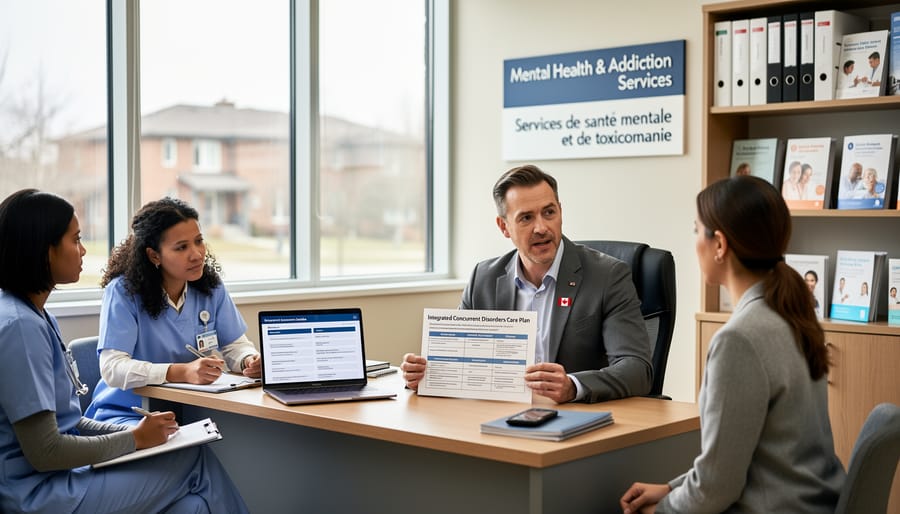
Canadians living with concurrent disorders have access to various support services across the country. Understanding what resources are available can make a significant difference in recovery outcomes.
The Canadian Mental Health Association (CMHA) operates branches in every province and territory, offering information, referrals, and support programs specifically designed for concurrent disorders. Their helpline connects individuals with local services tailored to their needs.
Canada’s national crisis line, Talk Suicide Canada (1-833-456-4566), provides 24/7 confidential support for anyone experiencing mental health challenges, including those struggling with substance use. For immediate substance use support, the Parent Action on Drugs helpline (1-866-366-3667) offers guidance and referrals.
Many provinces have established specialized concurrent disorder clinics within their healthcare systems. These clinics provide integrated assessment and treatment under one roof. Contact your provincial health services directory to locate programs in your area.
Harm reduction services are available across Canada, offering practical support including naloxone distribution, safe consumption sites, and counseling without requiring abstinence as a precondition for care.
The Substance Abuse and Mental Health Services Administration maintains an online treatment locator helping Canadians find certified treatment facilities nearby. Additionally, many communities offer peer support groups where individuals with lived experience share their recovery journeys.
Indigenous peoples can access culturally appropriate services through the National Native Alcohol and Drug Abuse Program and local friendship centres, which integrate traditional healing practices with evidence-based treatments.
Living with concurrent disorders can feel overwhelming, but there’s genuine reason for hope. Recovery is not only possible—it happens every day across Canada. The most important thing to understand is that concurrent disorders are treatable conditions, not character flaws or personal failures.
Research consistently shows that integrated treatment approaches, where mental health and substance use concerns are addressed together by a coordinated care team, lead to significantly better outcomes than treating each condition separately. This means you don’t have to choose between getting help for your mental health or your substance use—effective care addresses both simultaneously.
The journey to recovery looks different for everyone, and that’s completely normal. Some people find relief through counselling and peer support, while others benefit from medication-assisted treatment combined with lifestyle changes. What matters most is finding the right combination of supports that work for you. Small steps forward are still progress, and setbacks don’t erase the ground you’ve covered.
If you or someone you care about is struggling with concurrent disorders, reaching out for help is a sign of strength, not weakness. You deserve compassionate, evidence-based care that treats you as a whole person. Canadian healthcare providers, community organizations, and peer support networks are ready to support you without judgment.
Remember: healing is possible, you’re not alone in this experience, and taking that first step toward getting help is already a courageous act worth celebrating.