
Distance should never determine your chances of recovery. If you’re facing substance use challenges in a rural Canadian community, you’re navigating obstacles that urban residents rarely encounter: limited treatment facilities within driving distance, fewer specialized counselors, reduced anonymity in small towns, and gaps in public transportation. These barriers are real, but they’re not insurmountable.
Virtual care has revolutionized access to evidence-based addiction treatment across Canada’s remote regions. Video counseling, telephone support lines, and online peer recovery groups now connect rural residents with qualified therapists and support networks regardless of postal code. Services like the Canadian Mental Health Association and provincial health authorities offer telehealth options specifically designed for substance use recovery, many covered by provincial health plans.
Community-based solutions complement digital resources. Rural nurse practitioners increasingly provide medication-assisted treatment for opioid use disorder, eliminating hours-long trips to urban clinics. Mobile treatment units bring services directly to remote communities, while some family doctors now offer specialized addiction medicine through additional training programs.
The isolation that makes rural recovery challenging can also become your strength. Tight-knit communities often rally around members seeking help, providing rides to appointments, childcare during treatment sessions, and accountability that sustains long-term recovery. Indigenous communities across Canada have demonstrated particularly powerful healing approaches that blend traditional practices with modern treatment methods.
Recovery is not only possible in rural areas; it happens every day. Canadians in farming communities, northern towns, and coastal villages build meaningful, substance-free lives by combining available resources creatively, advocating for their needs persistently, and refusing to let geography define their outcomes. Your location is a challenge to overcome, not a verdict on your future.
The State of Substance Use in Rural and Remote Canada
Rural and remote communities across Canada face distinct challenges when it comes to substance use, with patterns and contributing factors that differ significantly from urban centers. Understanding these unique circumstances is essential for developing effective support systems and ensuring all Canadians have access to recovery resources.
Recent data from Health Canada shows that rural communities experience higher rates of substance-related harms compared to urban areas. Opioid-related deaths occur at disproportionately higher rates in rural regions, with some provinces reporting mortality rates nearly double those of metropolitan areas. Alcohol use also tends to be more prevalent in rural communities, alongside increased rates of methamphetamine and cannabis use. The prevalence of polysubstance use disorders further complicates the treatment landscape in these areas.
Several interconnected factors contribute to these elevated rates. Geographic isolation creates significant barriers to accessing healthcare services, with many rural residents living hours away from the nearest treatment facility. This distance can make regular counseling appointments, support group meetings, and medication-assisted treatment nearly impossible to maintain without substantial time and financial investment.
Economic challenges play a substantial role as well. Rural communities often face higher unemployment rates, seasonal work instability, and fewer economic opportunities compared to urban centers. These financial pressures can contribute to stress, mental health challenges, and increased substance use as coping mechanisms. The decline of traditional industries in some regions has left economic gaps that deeply affect community well-being.
Limited healthcare infrastructure presents another critical barrier. Rural areas typically have fewer addiction specialists, mental health professionals, and treatment centers. Many communities lack access to evidence-based recovery options for opioid use, including medication-assisted treatment programs. Emergency medical services may also be stretched thin, creating delays in responding to overdose situations.
Social factors, including stigma and lack of anonymity in tight-knit communities, can prevent individuals from seeking help. The fear of judgment or having personal struggles become common knowledge may discourage people from accessing available services.
Despite these challenges, understanding these specific barriers is the first step toward creating meaningful solutions that address the unique needs of rural Canadians seeking recovery.
Barriers That Keep Rural Canadians From Getting Help
Geographic Distance and Transportation Challenges
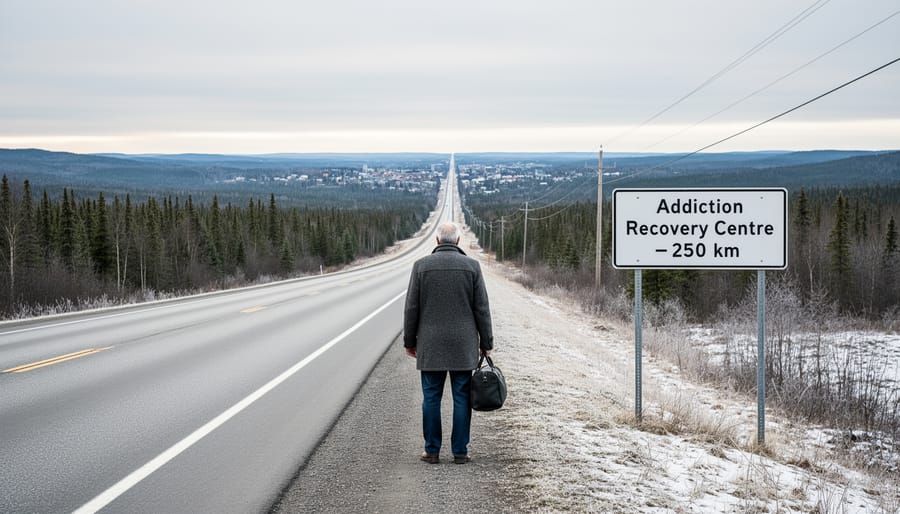
For many rural Canadians struggling with substance use, the physical distance to treatment centers represents one of the most significant obstacles to recovery. While urban residents might travel 10-15 minutes to reach specialized care, rural individuals often face journeys of several hours each way. This geographic barrier becomes especially challenging when treatment requires multiple weekly visits for counseling sessions, medication management, or support groups.
The absence of reliable public transportation in most rural communities compounds this challenge. Unlike cities with bus routes and subway systems, rural areas rarely offer public transit options, making personal vehicles essential for accessing care. For those without a driver’s license, reliable vehicle, or who cannot drive due to their condition, treatment becomes nearly impossible to access, even when they’re motivated to seek help.
Transportation costs can quickly become prohibitive. Regular trips covering hundreds of kilometers accumulate significant expenses for fuel, vehicle maintenance, and potentially overnight accommodation near treatment facilities. For individuals already facing financial strain, these additional costs create an insurmountable barrier between needing help and receiving it.
Winter weather adds another layer of difficulty across much of Canada. Snow, ice, and poor road conditions can make travel dangerous or impossible for extended periods, interrupting treatment continuity when consistency matters most. These combined transportation challenges often force rural residents to delay or abandon their recovery journey, despite genuine desire and determination to heal.
Limited Local Resources and Long Wait Times
Rural communities across Canada face significant barriers when it comes to accessing addiction treatment and support. The shortage of specialized healthcare providers is particularly acute in these areas, with addiction counselors, psychiatrists, and treatment facilities concentrated primarily in urban centers. Many rural regions have no addiction specialists within hundreds of kilometers, forcing individuals to travel long distances for care or go without treatment entirely.
The limited number of available treatment facilities means that waitlists can stretch for months, creating dangerous delays for people ready to seek help. Research shows that motivation for treatment can be time-sensitive, and lengthy wait times often result in individuals giving up on recovery before they even begin. In some rural Canadian communities, the wait for residential treatment programs can exceed six months, during which time individuals remain at risk.
Support programs like group therapy sessions, peer support meetings, and aftercare services are also scarce in rural settings. While urban areas might have multiple recovery meetings happening daily, rural residents may only have access to one or two monthly gatherings, if any exist at all. This isolation makes maintaining long-term recovery particularly challenging.
The combination of limited resources and extended wait times creates a critical gap in care delivery. However, understanding these challenges is the first step toward finding solutions. Increasingly, virtual care options and mobile outreach programs are helping to bridge this gap, offering hope to rural Canadians seeking recovery support despite geographic limitations.
Stigma and Privacy Concerns in Small Communities
In rural and remote communities across Canada, the close-knit nature of small towns can create significant barriers to seeking help for substance use challenges. When everyone knows everyone, the fear of judgment and social consequences often prevents people from reaching out for support they desperately need.
Unlike larger urban centers where individuals can access services with relative anonymity, rural residents may worry about being recognized at treatment centers, support group meetings, or even when picking up medications at the local pharmacy. This lack of privacy extends beyond the individual seeking help, potentially affecting their entire family’s social standing and relationships within the community.
The impact of stigma in small communities is particularly pronounced. Concerns about gossip, damage to professional reputation, or changes in how neighbors and friends perceive them can feel overwhelming. Many rural Canadians report delaying treatment for months or years due to these privacy concerns, allowing substance use issues to worsen before finally seeking help.
It’s important to understand that seeking help is a sign of strength, not weakness. Recovery is possible, and many Canadians in rural areas have successfully navigated these challenges. Several strategies can help protect privacy while accessing support, including virtual counseling services, confidential telephone helplines, and out-of-town treatment options. Healthcare providers are also bound by strict confidentiality laws, regardless of community size, ensuring that your personal health information remains protected.
Innovative Solutions Bringing Recovery to Rural Communities
Virtual Care and Telemedicine Options
Technology is transforming access to addiction treatment for Canadians living in rural communities. Virtual care and telemedicine options now make it possible to receive professional support without traveling long distances or facing local stigma.
Online counseling connects individuals with licensed addiction counselors and therapists through secure video platforms. Services like AbilitiCBT, developed in Alberta, offer evidence-based cognitive behavioral therapy programs accessible from any location with internet access. Many provincial health plans now cover virtual counseling sessions, making them an affordable option for rural residents.
Virtual support groups provide community connection without geographic limitations. Organizations like Alcoholics Anonymous Canada and SMART Recovery host online meetings throughout the day, allowing participants to join from their homes. These digital gatherings offer the same peer support as in-person meetings while maintaining anonymity and flexibility.
Telehealth prescribing has become particularly valuable for medication-assisted treatment. Virtual Hallway, operating in Ontario, connects family doctors in rural areas with addiction specialists who can guide treatment decisions. Some provinces now allow physicians to prescribe medications for opioid use disorder through video consultations, eliminating the need for frequent in-person visits. For those safely discontinuing medications, remote monitoring provides essential medical oversight.
To access these services, start by contacting your provincial health line or visiting Canada’s Wellness Together portal, which offers free mental health and substance use support. Many services require only a smartphone or computer with internet access. Rural Canadians can also ask their family doctor about virtual specialist consultations through provincial telehealth programs, expanding their treatment options significantly without leaving their communities.

Mobile Outreach and Harm Reduction Services
Mobile outreach programs are transforming access to addiction support in rural Canadian communities where traditional treatment facilities may be hours away. These innovative services bring essential resources directly to people who need them, removing transportation and distance barriers that often prevent rural residents from accessing care.
Mobile units staffed by nurses, counselors, and peer support workers travel to remote areas on regular schedules, providing confidential assessment, counseling, and connections to treatment options. These teams distribute naloxone kits with proper training on how to reverse opioid overdoses, potentially saving lives in communities where emergency services may take considerable time to arrive. Many mobile programs also offer testing for infectious diseases, wound care, and referrals to primary healthcare providers.
Community health workers play a vital role in these harm reduction services, often living in the communities they serve. Their local knowledge and established trust help connect people with support while reducing stigma around seeking help. These workers provide follow-up care, accompany individuals to appointments in larger centers when needed, and serve as bridges between rural residents and urban treatment facilities.
Several provinces have expanded mobile outreach funding, recognizing its cost-effectiveness and success in reaching underserved populations. Some programs coordinate with local pharmacies, community centers, and health clinics to establish regular drop-in times, making services predictable and accessible. This approach ensures that rural Canadians have consistent access to life-saving resources and compassionate support, regardless of their postal code.
Community-Led Recovery Initiatives
Rural communities across Canada are discovering powerful solutions to substance use challenges through locally-led initiatives that honor their unique cultures and values. These community-driven approaches recognize that recovery flourishes when it reflects the people and places it serves.
Peer support networks have become vital lifelines in many rural areas. These programs connect individuals with lived experience of substance use who understand the specific challenges of rural life, from transportation barriers to small-town privacy concerns. Trained peer supporters offer guidance, hope, and practical strategies through one-on-one meetings, telephone support, or informal community gatherings. Research shows that peer support significantly improves recovery outcomes, as shared experiences create trust and reduce isolation.
Indigenous healing approaches are transforming recovery for First Nations, Métis, and Inuit communities. These programs integrate traditional practices like talking circles, land-based healing, and ceremonies with evidence-based treatments. Elders and knowledge keepers play central roles, helping participants reconnect with cultural identity and spiritual wellness. Many communities have established healing lodges and culturally adapted programs that address the intergenerational trauma underlying substance use while fostering community connection and cultural pride.
Grassroots recovery programs designed by rural residents themselves are addressing gaps in traditional services. Community centers host drop-in support groups, agricultural therapy programs use farming activities to support healing, and faith communities provide safe gathering spaces. Local champions, from farmers to teachers, are stepping forward to coordinate resources and reduce stigma.
These community-led initiatives demonstrate that rural Canadians don’t need to wait for external solutions. By combining local knowledge with peer support and cultural practices, communities are creating sustainable recovery pathways that strengthen both individuals and the broader community fabric.
Practical Steps for Rural Canadians Seeking Recovery Support
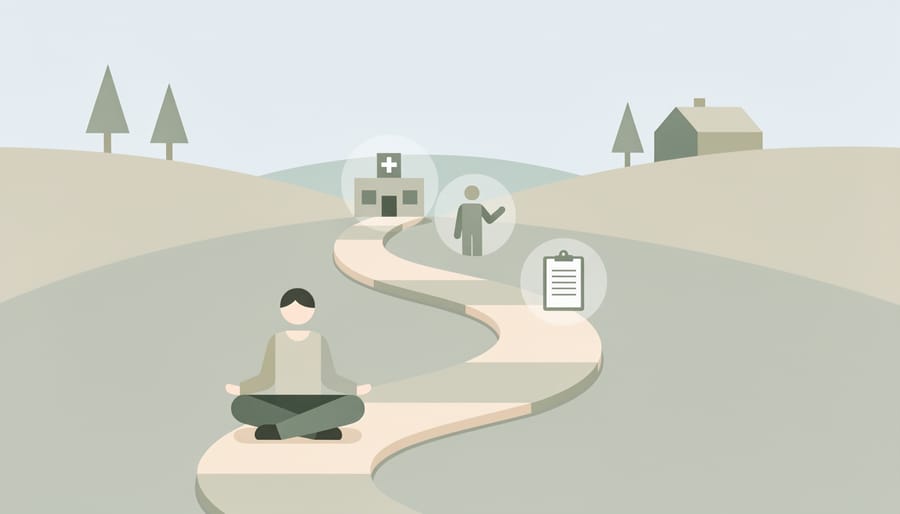
Finding help for substance use challenges in rural areas requires determination, but recovery is absolutely achievable with the right approach and resources. Whether you’re seeking support for yourself or a loved one, these practical steps can guide your journey.
Start by reaching out to national helplines that provide confidential support regardless of your location. The Hope for Wellness Helpline (1-855-242-3310) offers immediate counseling and crisis intervention available 24/7. The Canada Suicide Prevention Service (1-833-456-4566) provides support through phone, text, or chat. These services connect you with trained counselors who understand the unique barriers rural Canadians face and can help you explore treatment options available in your region.
Virtual care has transformed access to recovery support. Many addiction treatment programs now offer telehealth services, including individual counseling, group therapy, and medication-assisted treatment consultations. Contact your provincial health authority to learn about covered virtual services. Download video conferencing apps like Zoom or Microsoft Teams before your first appointment, and find a private space in your home where you can speak confidentially.
Building local support networks strengthens your recovery foundation. Look for community resources through your local health unit, family doctor, or community health center. Churches, recreational centers, and libraries often host support groups or can help you start one. If in-person meetings aren’t available nearby, online recovery communities like SMART Recovery Online and virtual 12-step meetings provide connection and accountability.
Prepare for your recovery journey by keeping a list of emergency contacts, documenting your symptoms and triggers, and identifying trusted friends or family members who can support you. Consider creating a safety plan with your healthcare provider that includes crisis contact numbers and coping strategies.
Transportation challenges can be addressed through community health centers that sometimes offer travel assistance, carpooling with others attending similar appointments, or asking family members to help coordinate rides. Some treatment programs provide funding for travel expenses when necessary.
Remember that seeking help demonstrates strength, not weakness. Every small step forward matters, and recovery looks different for everyone. Be patient with yourself as you navigate available resources and build your support system.
How Mental Health and Wellness Support Recovery
Mental health challenges and substance use often go hand-in-hand, making it essential to address both for successful recovery. Research shows that nearly half of people with substance use disorders also experience mental health conditions like depression, anxiety, or trauma-related symptoms. This connection means that treating addiction alone isn’t enough – taking a holistic approach that includes mental wellness significantly improves long-term recovery outcomes.
For rural residents, accessing mental health support may feel challenging, but building wellness practices into daily life can make a meaningful difference. Start with small, manageable steps that fit your lifestyle and environment. Regular physical activity doesn’t require a gym membership – walking, gardening, chopping wood, or working on the land all count as exercise and provide mood-boosting benefits. Even 20-30 minutes of movement most days can reduce stress, improve sleep, and support emotional balance.
Nutrition plays a powerful role in recovery as well. Substance use often depletes essential nutrients, affecting brain chemistry and mood. Focus on whole foods when possible – locally sourced vegetables, proteins, whole grains, and healthy fats help repair your body and stabilize energy levels. In rural areas where fresh produce may be limited seasonally, frozen vegetables, canned fish, and dried legumes offer nutritious alternatives.
Quality sleep supports both mental health and recovery. Establish a consistent bedtime routine, limit screen time before bed, and create a dark, cool sleeping environment. If racing thoughts keep you awake, try writing them down before bed or practicing simple breathing exercises.
Building social connections is equally important. Rural communities often have strong bonds – lean on trusted friends, family, or community groups. Many rural areas have peer support groups or faith communities that provide belonging and accountability.
Remember that recovery is a journey, not a destination. Combining mental health support with practical wellness habits creates a strong foundation for lasting change. Be patient with yourself as you develop new routines that support your wellbeing.
Recovery from substance use challenges is absolutely possible, no matter where you live in Canada. While rural communities face distinct barriers—including limited treatment facilities, transportation challenges, and concerns about privacy—these obstacles are increasingly being addressed through innovative solutions and expanded services.
The landscape of rural recovery support has evolved significantly. Virtual care options now bring counselling, peer support groups, and medical assistance directly to your home through secure video connections. National helplines provide immediate, confidential support 24/7, and many treatment programs have adapted their services specifically for rural residents. Community health centres continue expanding their mental health and addiction services, recognizing that quality care shouldn’t depend on your postal code.
Remember that seeking help is a sign of strength, not weakness. There is no shame in reaching out, and you deserve support regardless of where you call home. Whether you’re concerned about yourself or someone you care about, taking that first step—making a phone call, sending an email, or attending a virtual meeting—can set meaningful change in motion.
Recovery looks different for everyone, and there’s no single “right” path. What matters most is finding the approach and resources that work for your unique situation. Start small if needed: connect with your family doctor, call a helpline for information, or explore online resources at your own pace.
Progress is happening across rural Canada as awareness grows and services expand. You’re not alone in this journey, and help is available. Your location doesn’t define your potential for healing and positive change. Take that courageous step forward today—your future self will thank you.