
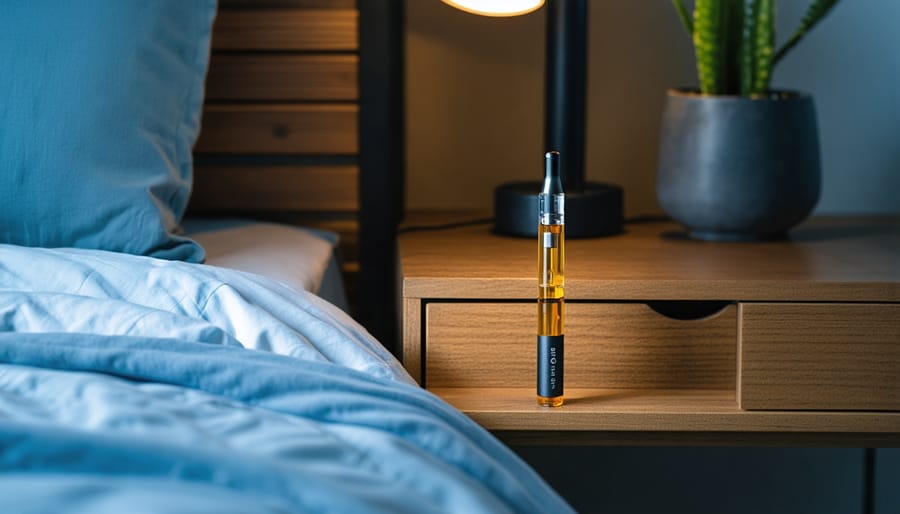
Struggling to fall asleep? Consider starting with low-dose Delta-9 THC vaping 1-2 hours before bedtime, using products like the best THCA vapesthat contain third-party lab testing certificates and clear cannabinoid profiles. Begin with just one 2-3 second inhale to assess your tolerance, as vaping delivers effects within 5-15 minutes—much faster than edibles—allowing you to adjust your dose before committing to sleep.
Track your sleep quality, morning grogginess, and optimal dosage in a simple journal for at least two weeks to identify patterns that work specifically for your body. Research suggests THC may reduce sleep onset time and increase deep sleep phases, though tolerance can develop with nightly use.
Combine vaping with established sleep hygiene practices: dim lights 30 minutes before dosing, maintain a cool bedroom temperature (65-68°F), and avoid screens after vaping to maximize THC’s sedative effects. This multi-pronged approach addresses sleep issues more effectively than relying on Delta-9 THC alone.
Consult your healthcare provider before starting, especially if you take medications, have respiratory conditions, or experience anxiety—THC affects individuals differently, and higher doses may paradoxically increase alertness or anxiety in some users. Quality matters significantly; choose products with clean extraction methods, no cutting agents, and transparent sourcing to minimize health risks while supporting better sleep naturally.
What Makes Delta-9 THC Different for Sleep
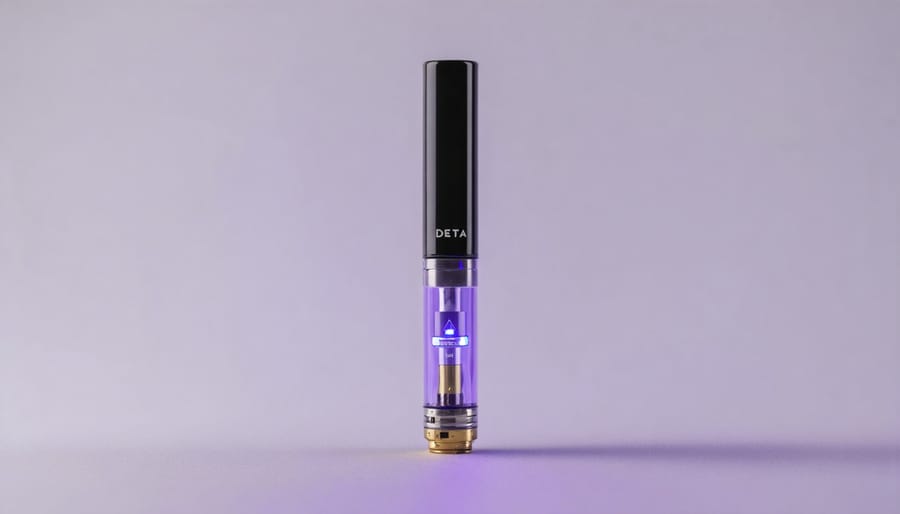
How Delta-9 THC Affects Your Sleep Cycle
Delta-9 THC interacts with your body’s endocannabinoid system, a network of receptors that helps regulate various functions, including sleep. When you vape THC, it binds to cannabinoid receptors in your brain and nervous system, particularly CB1 receptors, which play a role in controlling your sleep-wake cycle. This interaction can influence how quickly you fall asleep and how your body moves through different sleep stages throughout the night.
Research shows that Delta-9 THC can help you fall asleep faster—often within 15-30 minutes of vaping. This makes it particularly appealing if you struggle with sleep onset. However, the effects on sleep quality are more complex. Studies indicate that THC tends to increase deep sleep (also called slow-wave sleep) during the first part of the night, which is when your body does most of its physical restoration and repair.
The trade-off comes with REM sleep, the stage where dreaming occurs and your brain processes emotions and memories. Higher doses of THC typically suppress REM sleep, meaning you’ll spend less time dreaming. While this might benefit people dealing with nightmares or PTSD, reduced REM sleep over time could affect memory consolidation and emotional processing.
Current research suggests that while THC effectively helps with falling asleep, its impact on overall sleep quality remains uncertain. Some users report feeling more rested, while others experience grogginess the next day. Individual responses vary based on factors like dosage, frequency of use, and personal body chemistry.
It’s worth noting that regular THC use may lead to tolerance, meaning you might need higher doses over time to achieve the same sleep-promoting effects. This highlights the importance of using Delta-9 THC thoughtfully as part of a broader sleep wellness strategy.
Vaping vs Other Delivery Methods
When considering Delta-9 THC for sleep support, understanding how different delivery methods compare can help you make an informed choice.
**Vaping** offers the fastest onset time, typically within 5-15 minutes, with effects lasting 2-4 hours. This quick action makes it appealing for those who need immediate help falling asleep. However, the shorter duration means effects may wear off during the night, potentially causing early waking. It’s important to understand general vaping and health considerations before choosing this method.
**Edibles** take 30 minutes to 2 hours to work but provide longer-lasting effects (6-8 hours), which may better support staying asleep throughout the night. The delayed onset requires planning ahead of bedtime, and dosing can be less predictable due to digestion variations.
**Tinctures** fall between vaping and edibles, with onset around 15-45 minutes and duration of 4-6 hours. They offer more precise dosing and avoid inhalation concerns.
**Smoking** provides similar rapid onset to vaping but involves combustion, which creates additional respiratory irritants and potential health concerns.
For sleep purposes, vaping may suit those needing quick relief from racing thoughts at bedtime, while edibles might better serve individuals who struggle with staying asleep. Consider your specific sleep challenges, lifestyle, and health concerns when choosing. Some people find combining methods—such as a lower-dose edible with occasional vaping—works best, though this requires careful monitoring and ideally guidance from a healthcare provider.
The Science Behind THC Vaping and Sleep Quality
What the Research Actually Shows
Research on THC and sleep presents a mixed picture that’s important to understand before considering vaping for sleep concerns.
Several studies have found that THC can help you fall asleep faster and may increase total sleep time. A 2008 review published in the journal *Sleep Medicine Reviews* noted that THC appears to reduce sleep onset latency—the time it takes to drift off. Some research also suggests THC might help reduce nightmares in people with PTSD, though more rigorous studies are needed.
However, the evidence also reveals significant concerns. Most notably, THC suppresses REM (rapid eye movement) sleep, the stage associated with dreaming and memory consolidation. While you might sleep longer, the quality of that sleep may be compromised. A 2014 systematic review in *Current Psychiatry Reports* highlighted this REM suppression as a key consideration.
Tolerance development is another critical finding. Research indicates that your body adapts to regular THC use relatively quickly, meaning the sleep-promoting effects often diminish within weeks. When you stop using THC after regular consumption, many people experience rebound insomnia and vivid dreams as REM sleep returns with intensity.
Studies have also shown that while short-term THC use might help sleep, long-term daily use can actually worsen sleep quality and lead to dependence. The Canadian Centre on Substance Use and Addiction notes that regular cannabis use can disrupt your natural sleep-wake cycle over time.
Most sleep researchers emphasize that THC shouldn’t be considered a first-line treatment for insomnia. Evidence-based approaches like cognitive behavioural therapy for insomnia (CBT-I) show more consistent, sustainable results without the risks associated with regular THC use.
Short-Term Benefits vs Long-Term Concerns
While Delta-9 THC vaping may offer quick relief for occasional sleepless nights, it’s important to understand the distinction between short-term benefits and potential long-term concerns.
**Occasional vs. Regular Use**
Using THC occasionally for sleep—perhaps during periods of stress or travel—carries different implications than nightly use. Occasional users may experience initial benefits without significant drawbacks. However, regular use can lead to tolerance, meaning you’ll need increasingly higher doses to achieve the same sleep-promoting effects. This escalation can happen within weeks of consistent use.
**Tolerance and Dependency Risks**
Research indicates that regular THC users may develop both physical tolerance and psychological dependency. Your body adapts to the presence of THC, and you might find it increasingly difficult to fall asleep without it. Some regular users report rebound insomnia and vivid dreams when they stop using THC, creating a challenging cycle to break.
**The Importance of Comprehensive Sleep Solutions**
THC should never be your only strategy for managing chronic sleep problems. Quality sleep and mental health require a holistic approach including consistent sleep schedules, stress management, regular physical activity, and addressing underlying health conditions. If you’re experiencing persistent insomnia, consult a healthcare provider to identify root causes rather than masking symptoms with THC.
Consider THC as one potential tool in a broader sleep wellness strategy, not a standalone solution for ongoing sleep difficulties.
Choosing the Right Delta-9 THC Vape Cartridge
Understanding Product Labels and Potency
When shopping for Delta-9 THC vaping products in Canada, understanding product labels is essential for making safe, informed choices. Start by examining the THC percentage, which indicates potency. For sleep purposes, beginners should look for products containing 10-20% THC or less, while experienced users may tolerate higher concentrations. The label should clearly display total THC content per milliliter or per dose.
Quality products from licensed Canadian retailers must display several key certifications. Look for a Health Canada-issued license number, which confirms the product meets federal regulations. Third-party laboratory testing certificates are crucial—these verify that the product is free from contaminants like pesticides, heavy metals, and residual solvents. Reputable retailers will provide these test results either on their website or upon request.
Pay attention to the ingredient list. Quality vape products should contain cannabis extract and a safe carrier liquid like propylene glycol or vegetable glycerin. Avoid products with added vitamin E acetate, which has been linked to serious lung injuries. The label should also list any terpenes, which can enhance sleep-promoting effects.
Purchase only from licensed provincial retailers, whether online or in-store. These outlets are required to sell tested, regulated products. Avoid grey-market sources, as these products may contain harmful additives or inaccurate THC labeling. When in doubt, ask staff for guidance—licensed retailers employ trained personnel who can explain product specifications and help you choose appropriate options for your sleep needs.
Sleep-Promoting Terpenes and Strain Selection
Beyond Delta-9 THC content, the terpenes in cannabis significantly influence sleep quality. These aromatic compounds work alongside THC to create what researchers call the “entourage effect,” potentially enhancing therapeutic benefits.
**Myrcene** is particularly noteworthy for sleep support. This earthy-scented terpene may promote relaxation and has sedative properties. Strains high in myrcene often produce calming effects that complement THC’s sleep-inducing qualities.
**Linalool**, also found in lavender, offers stress-reducing benefits and may help ease anxiety that interferes with sleep. Its floral aroma signals relaxation potential, making it a valuable terpene for nighttime use.
**Caryophyllene** provides additional support through its interaction with the body’s endocannabinoid system, potentially reducing inflammation and pain that disrupts sleep.
When selecting products, indica-dominant strains have traditionally been associated with sedating effects, while sativa strains tend toward energizing properties. However, this classification oversimplifies cannabis effects. The complete terpene and cannabinoid profile matters more than indica versus sativa labels alone.
Look for product labels listing both THC content and terpene profiles. Reputable Canadian retailers provide detailed lab testing results showing these components. Starting with strains specifically marketed for sleep, which typically feature higher concentrations of sleep-promoting terpenes, gives you a solid foundation for experimentation.
Remember that individual responses vary—what works for one person may differ for another, so patience in finding your optimal strain profile is essential.
Safe Usage Guidelines for Sleep
Starting Doses and Timing Your Intake
If you’re new to Delta-9 THC vaping for sleep, starting with a conservative approach is essential for safety and effectiveness. Begin with just one or two small inhalations (often called “puffs”) and wait at least 15-20 minutes to assess how you feel before considering more. Since vaping delivers THC quickly to your bloodstream, effects typically appear within 5-15 minutes, making it easier to find your ideal dose without overdoing it.
Timing matters significantly for sleep benefits. Plan to vape approximately 30-60 minutes before your intended bedtime. This window allows the initial alertness that some people experience to pass while still benefiting from THC’s relaxing effects when you’re ready to sleep. Establishing a consistent routine—vaping at the same time each evening—helps your body anticipate rest and can enhance overall sleep quality.
Pay close attention to how your body responds during the first week. Keep a simple sleep journal noting your dose, timing, sleep quality, and any side effects like grogginess or vivid dreams. If you’re not experiencing improvements after several nights at a low dose, you can gradually increase by one additional puff, waiting a few days between adjustments to accurately assess effects.
Remember that individual responses vary considerably based on factors like body weight, metabolism, and cannabis tolerance. What works for someone else may not suit you, so patience and self-observation are key to finding your optimal approach.
Who Should Avoid THC Vaping for Sleep
While Delta-9 THC vaping may help some people sleep better, it’s not appropriate or safe for everyone. Understanding when to avoid this approach is essential for your health and safety.
**Pregnancy and breastfeeding** represent absolute contraindications. THC crosses the placental barrier and passes into breast milk, potentially affecting fetal and infant brain development. If you’re pregnant, planning to become pregnant, or breastfeeding, avoid all THC products.
**Mental health conditions** require careful consideration. If you have a personal or family history of psychosis, schizophrenia, or bipolar disorder, THC can trigger or worsen symptoms. Those experiencing anxiety disorders should also proceed with caution, as THC may initially reduce anxiety but can increase it with regular use or higher doses.
**Respiratory conditions** make vaping particularly problematic. If you have asthma, chronic obstructive pulmonary disease (COPD), or other lung conditions, inhaling vaporized substances can irritate airways and worsen symptoms.
**Medication interactions** are another concern. THC can interact with blood thinners, sedatives, antidepressants, and other medications. Always consult your healthcare provider before combining THC with prescription medications.
**Occupational considerations** matter too. If your work involves operating heavy machinery, driving, or requires alertness and quick reactions, THC’s lingering effects could impair performance and safety.
Youth under 25 should avoid THC products, as their brains are still developing. Additionally, anyone with a history of substance use disorder should approach cannabis cautiously, as regular use can lead to dependence.
Potential Side Effects and How to Manage Them
While Delta-9 THC vaping may offer sleep benefits, it’s important to understand potential side effects so you can make informed decisions and use it safely.
**Common Side Effects**
Many people experience next-day grogginess or a “hangover” effect, particularly with higher doses taken close to bedtime. You might feel foggy, have slower reaction times, or experience difficulty concentrating the following morning. To minimize this, start with very low doses (2.5-5 mg) and vape at least 2-3 hours before sleep rather than right at bedtime.
Cognitive effects during use can include memory impairment, altered judgment, and coordination difficulties. Never drive or operate machinery after vaping THC. Some individuals may experience increased anxiety or paranoia, especially at higher doses—if this happens, reduce your dose significantly or discontinue use.
Dry mouth and increased thirst are nearly universal side effects. Keep water nearby and stay hydrated throughout the evening. Red eyes, increased heart rate, and dizziness can also occur but typically subside within a few hours.
**Respiratory Considerations**
Vaping is generally considered less harmful than smoking, but it’s not risk-free. Some users report throat irritation, coughing, or mild respiratory discomfort. To protect your lungs, choose high-quality vaporizers designed for cannabis products, avoid counterfeit cartridges, and ensure products are tested for contaminants. Take smaller, gentler draws rather than deep inhalations, and give your respiratory system breaks between use.
**Serious Concerns**
Regular use can lead to tolerance, requiring higher doses for the same effect, and potential dependence. If you find yourself needing THC to sleep most nights, consult a healthcare provider about underlying sleep issues.
**Risk Reduction Strategies**
Use the lowest effective dose, take regular tolerance breaks, purchase only from licensed retailers with lab-tested products, and monitor how you feel. If side effects persist or worsen, discontinue use and speak with a healthcare professional about alternative sleep solutions.
Integrating THC Vaping with Better Sleep Habits
Sleep Hygiene Fundamentals That Work
Before considering Delta-9 THC vaping as a sleep aid, it’s essential to establish strong foundational sleep hygiene practices. These evidence-based strategies often address underlying sleep issues without the need for additional interventions.
**Maintain a Consistent Sleep Schedule**
Going to bed and waking up at the same time daily—even on weekends—helps regulate your body’s natural sleep-wake cycle. This consistency strengthens your circadian rhythm, making it easier to fall asleep naturally.
**Optimize Your Sleep Environment**
Create a bedroom sanctuary that promotes rest. Keep your room cool (between 16-19°C), dark, and quiet. Invest in comfortable bedding and consider blackout curtains or a white noise machine if needed.
**Reduce Screen Time Before Bed**
Blue light from phones, tablets, and computers suppresses melatonin production. Aim to disconnect from screens at least one hour before bedtime. Instead, try reading, gentle stretching, or meditation.
**Manage Stress and Wind Down**
Develop a relaxing pre-sleep routine to signal your body it’s time to rest. This might include deep breathing exercises, journaling, or a warm bath. Regular daytime exercise also improves sleep quality, though avoid vigorous activity close to bedtime.
These foundational practices work synergistically and often resolve sleep difficulties on their own. If you’re still experiencing sleep challenges after consistently implementing these strategies, then exploring additional options like Delta-9 THC may be appropriate under professional guidance.
When to Seek Professional Help
While Delta-9 THC vaping may help some people sleep, it’s not a substitute for professional medical care. Consult your healthcare provider before starting THC use, especially if you’re taking medications, have underlying health conditions, or are pregnant or breastfeeding. Your doctor can help identify potential interactions and ensure THC is appropriate for your situation.
Seek professional help if you experience persistent insomnia lasting more than three weeks, excessive daytime sleepiness affecting your daily life, loud snoring or gasping during sleep (potential sleep apnea signs), or if sleep problems significantly impact your mental health. These symptoms may indicate conditions requiring specialized treatment beyond what THC can address.
Before turning to THC, consider evidence-based alternatives like cognitive behavioral therapy for insomnia (CBT-I), which research shows is highly effective for long-term sleep improvement. Other options include improving sleep hygiene, addressing stress through counseling, treating underlying medical conditions, and exploring melatonin or other supplements under professional guidance.
A healthcare provider can help you develop a comprehensive sleep strategy that may include THC alongside other approaches, ensuring you’re addressing the root causes of your sleep difficulties rather than just masking symptoms.
Delta-9 THC vaping may provide short-term relief for some individuals struggling with sleep difficulties, but it’s important to view it as one potential tool rather than a complete solution. The research suggests possible benefits for sleep onset and duration, though these effects can diminish with regular use, and long-term impacts remain understudied.
If you’re considering Delta-9 THC vaping for sleep, prioritize quality and safety. Choose products from licensed retailers that provide third-party lab testing results, clear THC content labeling, and transparent ingredient lists. Start with the lowest effective dose and avoid vaping close to bedtime if it causes immediate alertness or anxiety.
Remember that sustainable sleep improvement requires a comprehensive approach. Delta-9 THC vaping works best when combined with solid sleep hygiene practices—maintaining a consistent sleep schedule, creating a dark and cool bedroom environment, limiting screen time before bed, and managing stress through relaxation techniques. Address underlying factors that may be disrupting your sleep, such as chronic pain, anxiety, or poor lifestyle habits.
Before beginning any THC regimen, consult with a healthcare provider, especially if you have existing health conditions, take medications, or have a history of substance use concerns. Your doctor can help you weigh the potential benefits against risks specific to your situation and suggest alternative or complementary approaches.
Make your decision based on evidence, expert guidance, and your individual health circumstances rather than trends or anecdotal claims.