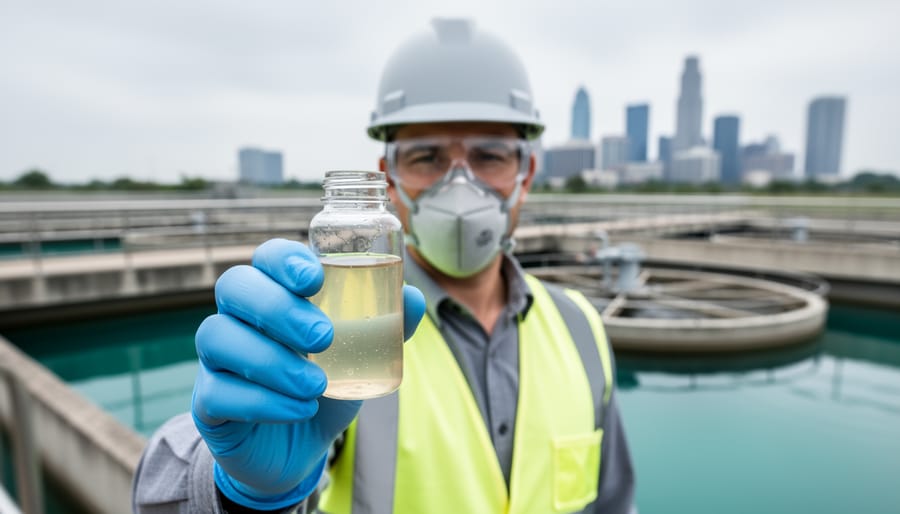
Check your local public health website regularly to view influenza levels in your community’s wastewater—this data appears days before clinical cases spike, giving you an early warning system to adjust your protection strategies. Download wastewater tracking apps or bookmark government dashboards that display flu concentration trends, then set weekly reminders to review the data during flu season from October through April.
When wastewater data shows rising influenza levels, take immediate protective action by increasing hand hygiene frequency, avoiding crowded indoor spaces when possible, and ensuring your household’s flu vaccinations are current. Use the concentration measurements to make informed decisions about wearing masks in public settings, especially if you or family members have underlying health conditions or are over 65.
This surveillance method tracks flu virus particles shed by infected individuals into sewage systems, providing population-level health insights without requiring individual testing. The same technology used in COVID-19 monitoring systems now helps Canadian communities detect influenza outbreaks earlier than traditional reporting methods, which depend on people seeking medical care and getting tested.
Understanding wastewater data empowers you to protect your family proactively rather than reactively. The numbers represent viral load concentrations measured in copies per milliliter, with upward trends indicating community spread is accelerating. Public health agencies across Canada now publish this information alongside historical comparisons, helping you gauge whether current flu activity is typical, elevated, or concerning for your region. This transparent, science-based approach puts practical prevention tools directly in your hands.
What Wastewater Surveillance Actually Tells Us About Flu

From COVID to Flu: How the System Evolved
When the COVID-19 pandemic began, Canadian public health officials quickly recognized the value of testing wastewater to detect the virus in communities. This approach proved so effective that health authorities decided to expand the system to track other respiratory illnesses, including influenza.
The transition made practical sense. Scientists discovered they could use the same collection sites and laboratory processes to look for different viruses in the water samples. By early 2023, many provinces had begun incorporating flu surveillance into their existing wastewater monitoring programs. This means the infrastructure you may have heard about during COVID-19 is now working year-round to protect Canadians from multiple health threats.
What makes this evolution particularly valuable is the early warning system it creates. Just as with COVID-19, flu viruses show up in wastewater before people feel sick enough to visit a doctor. This gives communities a few days’ advance notice when flu activity is increasing in their area. Public health teams can then alert healthcare facilities to prepare and remind residents to take preventive measures like getting vaccinated or practicing good hand hygiene. The system has transformed from a pandemic emergency tool into a permanent part of Canada’s disease surveillance network.
What the Data Can (and Can’t) Tell You
Wastewater monitoring offers valuable early warning signals about flu activity in your community, but it’s important to understand both its strengths and limitations. This surveillance tool excels at detecting rising trends before hospitals see increased patient visits, typically providing 3-7 days advance notice of community outbreaks. It captures data from everyone who uses the sewer system, including people who don’t seek medical care, giving a more complete picture than clinical testing alone.
However, wastewater data cannot tell you who specifically is infected, your personal risk level, or predict exactly how severe an outbreak will be. The measurements show viral presence in sewage, not the number of people sick or how ill they are. Technical factors like rainfall, system maintenance, and sample collection methods can affect readings, so single data points shouldn’t cause alarm.
Think of wastewater data as one helpful tool alongside other indicators like hospitalization rates and vaccination coverage. It works best when combined with guidance from public health authorities. Use it to stay aware of community trends and adjust your prevention strategies accordingly, but not as your sole source for health decisions.
Why Wastewater Data Matters for Your Health Decisions
Early Warning Signs You Won’t Get Elsewhere
One of wastewater surveillance’s most valuable benefits is its ability to spot flu trends before they show up in doctor’s offices. When infected people shed viral particles through bodily waste, these indicators appear in wastewater systems 4-7 days before people typically seek medical care. This early detection window gives you precious time to take preventive action.
Think of it as your community’s early alarm system. By the time hospitals start seeing a surge in flu cases, the virus has already been circulating for nearly a week. Wastewater data catches this upward trend while it’s still building, allowing you to boost your prevention efforts before peak season hits.
This advance notice is particularly helpful for protecting vulnerable family members. If you see wastewater levels rising in your area, you can prioritize getting flu shots, stocking up on supplies, or being extra cautious about handwashing and avoiding crowded spaces. Parents can make informed decisions about children’s activities, and those caring for elderly relatives can take additional precautions before local transmission intensifies. This proactive approach puts you ahead of the curve rather than reacting after illnesses spread.
Protecting High-Risk Family Members
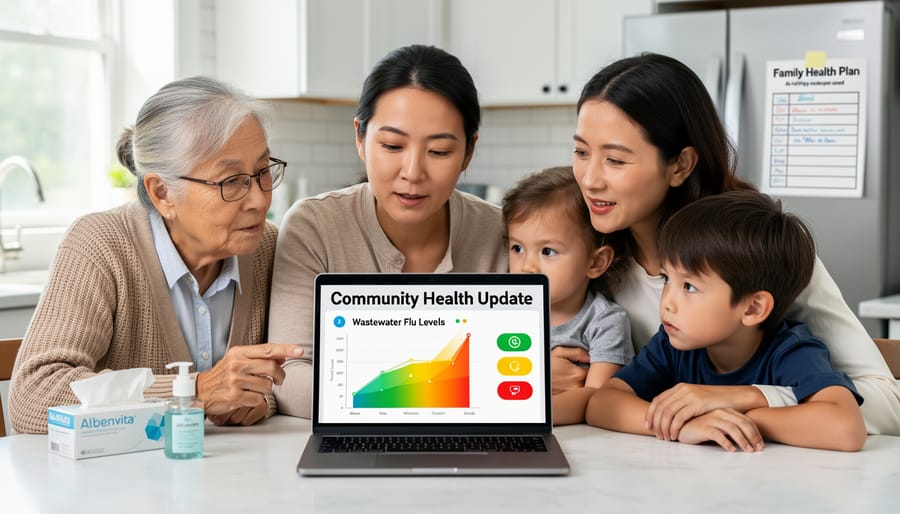
If you’re caring for someone who faces higher flu risks—such as elderly parents, young children under five, or individuals with weakened immune systems—wastewater surveillance data can become an important part of your family’s health strategy. This information provides an early warning system that helps you take preventive action before flu activity peaks in your community.
When wastewater data shows rising flu levels in your area, it’s time to increase protective measures for vulnerable household members. This means being more selective about social gatherings, avoiding crowded indoor spaces, and ensuring everyone eligible has received their annual flu vaccine. Public health experts recommend that high-risk individuals and their close contacts get vaccinated as early as possible each fall season.
Use the data to time medical appointments wisely. Schedule routine check-ups and non-urgent procedures during periods when flu levels are low, reducing exposure risk in healthcare settings. If you’re protecting vulnerable family members, consider stocking up on essentials before predicted peaks, minimizing necessary outings when community transmission increases.
Monitor your local wastewater trends weekly throughout flu season, typically from October through March. When levels spike, implement stricter hygiene protocols at home: frequent handwashing, regular surface cleaning, and keeping shared items sanitized. This proactive approach, guided by objective community data rather than guesswork, empowers you to balance normal activities with enhanced protection during higher-risk periods, helping your loved ones stay healthy throughout the season.
How to Access and Understand Flu Wastewater Data in Canada
Where to Find Reliable Data Sources
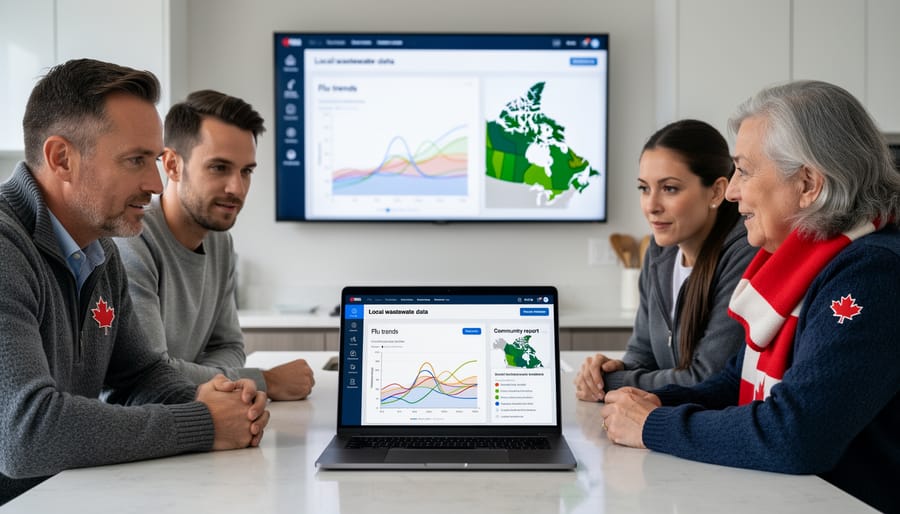
Accessing reliable flu wastewater data in Canada is straightforward when you know where to look. The Public Health Agency of Canada provides comprehensive wastewater surveillance information through their official website, offering national trends and insights into respiratory virus activity across the country. This federal resource presents data in user-friendly formats with helpful context about what the numbers mean for public health.
Many provinces also maintain their own health dashboards that include local wastewater monitoring results. Provincial health authorities in Ontario, British Columbia, Alberta, and Quebec regularly update their websites with region-specific data, allowing you to track flu activity in your community. These provincial platforms often provide more detailed neighborhood-level information that can help you make informed decisions about your daily activities.
When reviewing any data source, look for platforms that clearly explain their testing methods and update frequencies. Reliable sources will present information transparently, include dates of collection, and provide context about how to interpret the findings. Government health websites remain your best bet for accurate, verified information that you can trust for protecting yourself and your loved ones.
Reading the Trends: What the Numbers Really Mean
When you look at a wastewater data graph, you’ll typically see a line chart tracking viral concentrations over time. The vertical axis shows viral load measurements, often displayed as viral gene copies per millilitre of wastewater. The horizontal axis represents dates, usually spanning several weeks or months.
Focus on the trend direction rather than individual daily numbers. An upward slope indicates flu activity is increasing in your community, while a downward trend suggests it’s declining. Flat lines mean activity remains steady. Think of it like checking a weather forecast—you’re looking at the overall pattern, not just one day’s reading.
Pay attention to these concerning patterns: sharp upward spikes lasting more than a few days, readings that consistently exceed previous seasonal peaks, or plateau periods at high levels. Many health departments mark historical averages or threshold levels on their graphs, giving you helpful reference points.
Remember that wastewater data reflects what’s happening in your community right now, typically appearing five to seven days before people seek medical care. This early warning system helps you make timely decisions about preventive measures like handwashing, avoiding crowded spaces, or getting your flu shot if you haven’t already.
Regional Differences Across Canada
Flu patterns vary significantly across Canadian provinces due to several factors including population density, climate, and timing of flu season. Urban areas like Toronto and Vancouver typically show earlier and higher viral activity in wastewater compared to rural communities. Northern regions may experience delayed peaks due to geographic isolation and smaller populations.
When reviewing wastewater data, focus first on your local health region’s trends rather than national averages, as these provide more relevant information for your personal risk assessment. A rising trend in your community matters more than stable national numbers. Provincial health websites offer region-specific dashboards that help you understand what’s happening in your area.
Climate also plays a role—colder provinces often see longer flu seasons, while coastal areas may experience multiple waves. Understanding these regional differences helps you time preventive measures like getting your flu shot and practicing good hand hygiene when local data indicates increasing activity in your community.
Practical Steps to Take When Flu Levels Rise in Your Area
Timing Your Flu Vaccination
Knowing when to get your flu shot can make a real difference in staying healthy throughout flu season. Public health experts recommend getting vaccinated in early fall, ideally before flu activity begins rising in your community. This timing gives your body about two weeks to build full protection before exposure increases.
Wastewater data provides valuable insight into the best vaccination window for your area. When local wastewater monitoring shows flu levels are still low or just beginning to climb, that’s your ideal time to book an appointment. Most Canadian communities see flu activity peak between December and February, making October or early November the sweet spot for vaccination.
If you miss the early fall window, don’t worry. Getting vaccinated later still offers important protection, especially if wastewater data shows flu levels rising in your region. The vaccine remains beneficial throughout the entire flu season.
Check your provincial or local public health website regularly to monitor wastewater trends alongside vaccination clinic availability. Some health units now issue vaccination reminders when wastewater signals suggest flu season is approaching. By combining this data-driven approach with timely vaccination, you’re taking a proactive step to protect yourself and reduce community transmission.
Simple Prevention Strategies That Work
When wastewater data shows rising flu levels in your community, simple daily habits can significantly reduce your risk of infection. These evidence-based prevention strategies work best when flu transmission is high.
Start with hand hygiene. Wash your hands thoroughly with soap and water for at least 20 seconds, especially before eating, after using the restroom, and when returning home. If soap isn’t available, use an alcohol-based hand sanitizer containing at least 60% alcohol.
Keep surfaces clean, particularly high-touch areas like doorknobs, light switches, phones, and kitchen counters. Regular cleaning with household disinfectants helps eliminate viruses that can survive on surfaces for hours.
During peak flu activity, consider adjusting your social patterns. You don’t need to isolate, but choosing outdoor gatherings over crowded indoor spaces, maintaining some physical distance in busy areas, and postponing visits with elderly relatives or immunocompromised friends until transmission drops can help protect vulnerable people.
If you develop flu symptoms, stay home until your fever has been gone for 24 hours without medication. This protects your coworkers, classmates, and community members.
Finally, ensure adequate rest, stay hydrated, and maintain good nutrition to support your immune system. These foundational wellness practices help your body fight off infections more effectively when exposure occurs.
The Future of Wastewater Surveillance in Canada
Wastewater surveillance is poised to become a cornerstone of public health monitoring across Canada. This technology, proven effective during the COVID-19 pandemic, offers tremendous potential for tracking other health threats in our communities. Public health experts are exploring its use for monitoring antibiotic-resistant bacteria, foodborne illnesses, and even substance use patterns that affect community wellness.
The expansion of wastewater monitoring means Canadians will benefit from earlier warnings about emerging health threats, allowing individuals and families to take preventive action sooner. This proactive approach supports better health outcomes and reduces the burden on healthcare systems. When communities receive advance notice of disease trends, they can make informed decisions about social gatherings, workplace policies, and personal protective measures.
Beyond disease tracking, improved surveillance systems have important mental health implications. Access to reliable, community-level health data can reduce anxiety and uncertainty during outbreaks. When people understand what’s happening in their area, they feel more empowered and less stressed about invisible health risks.
Investment in wastewater surveillance represents a commitment to preventive health, which aligns with Canada’s focus on keeping communities healthy rather than simply treating illness. As this technology becomes more sophisticated and widespread, Canadians will have better tools to protect their families and make evidence-based decisions about their daily activities. This privacy-protecting approach to public health monitoring supports overall community wellness while respecting individual rights and dignity.