
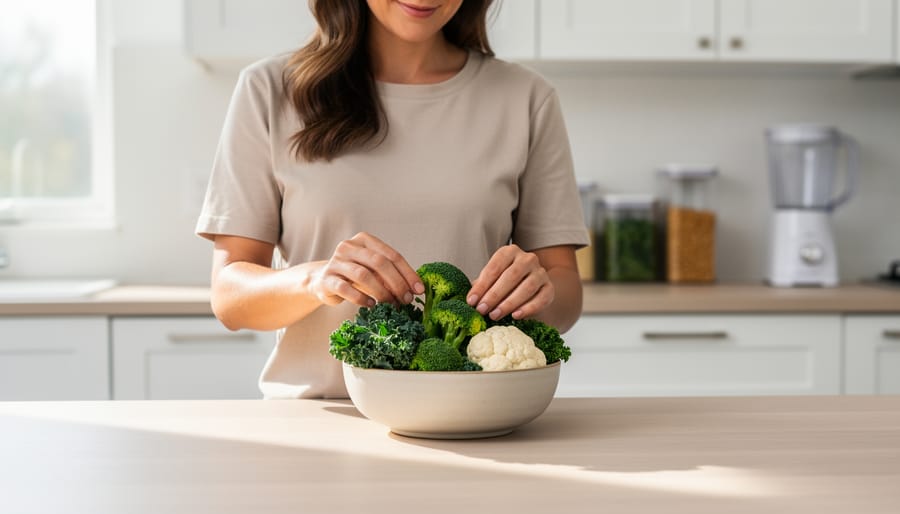
Prioritize sleep consistency by going to bed and waking at the same time daily, aiming for seven to nine hours of quality rest to allow your body to regulate cortisol, estrogen, and progesterone naturally. Incorporate cruciferous vegetables like broccoli, cauliflower, and kale into your meals at least four times weekly to support your liver’s ability to metabolize excess estrogen effectively. Reduce your exposure to endocrine-disrupting chemicals by switching to glass food storage containers, choosing fragrance-free personal care products, and filtering your drinking water.
Hormonal imbalance affects millions of Canadian women, manifesting as irregular periods, unexplained weight changes, persistent fatigue, mood swings, and sleep disturbances. While these symptoms can feel overwhelming, your body possesses remarkable self-regulating abilities when provided with the right support. Unlike pharmaceutical interventions that may come with unwanted side effects, natural hormone balancing strategies work with your body’s innate wisdom to restore equilibrium gradually and sustainably.
Understanding that hormones function as chemical messengers orchestrating everything from metabolism and energy levels to reproductive health and emotional wellbeing empowers you to make informed choices. Small, consistent changes in nutrition, movement, stress management, and environmental exposures create cumulative benefits that address root causes rather than merely masking symptoms. This comprehensive guide provides evidence-based, practical approaches you can implement immediately to support your hormonal health, reclaim your vitality, and feel like yourself again.
Understanding Women’s Hormonal Balance
Signs Your Hormones May Be Out of Balance
Your body has a remarkable way of communicating when something isn’t quite right. If you’re wondering whether your hormones might be out of balance, you’re certainly not alone—many Canadian women experience these signs but don’t always connect them to hormonal health. Restoring hormonal health naturally begins with recognizing what your body is telling you.
Common signs include irregular or unusually heavy periods, which can disrupt your monthly routine and leave you feeling uncertain about what to expect. You might notice stubborn weight gain, particularly around your midsection, despite maintaining your usual eating and exercise habits. Sleep problems are another frequent indicator—whether you’re having trouble falling asleep, staying asleep, or waking up feeling unrested.
Many women report persistent fatigue that doesn’t improve with rest, along with brain fog that makes it harder to concentrate or remember things. Mood changes like increased irritability, anxiety, or feeling emotionally overwhelmed can also point to hormonal shifts. Physical symptoms might include breakouts or skin changes, thinning hair, or sudden hot flashes and night sweats.
Low energy levels, reduced interest in intimacy, digestive issues like bloating, and increased sugar cravings are all worth paying attention to. Remember, experiencing one or two of these symptoms occasionally is normal, but if you’re dealing with several on a regular basis, your hormones might need some supportive care through natural lifestyle adjustments.
Nutrition Strategies for Hormonal Health

Foods That Support Hormone Production
The foods you choose play a direct role in hormone production, as your body requires specific nutrients to create and regulate hormones effectively. Understanding which foods support this process can empower you to make simple dietary changes that benefit your hormonal health.
Healthy fats are essential building blocks for hormone synthesis. Your body uses cholesterol and fatty acids to produce estrogen, progesterone, and other key hormones. Include sources like wild-caught salmon, sardines, and mackerel, which provide omega-3 fatty acids that reduce inflammation and support hormone signaling. Avocados offer monounsaturated fats along with fiber, while nuts and seeds—particularly flaxseeds, chia seeds, and walnuts—provide both healthy fats and lignans that help balance estrogen levels.
Fiber-rich foods support hormone balance by helping your body eliminate excess hormones, particularly estrogen, through regular bowel movements. Aim for 25-30 grams of fiber daily from vegetables like broccoli, Brussels sprouts, and leafy greens. These cruciferous vegetables also contain compounds that support healthy estrogen metabolism. Legumes such as lentils, chickpeas, and black beans provide both fiber and plant-based protein.
Specific nutrients are crucial for hormone production. Zinc, found in pumpkin seeds, oysters, and grass-fed beef, supports progesterone production. Magnesium-rich foods like dark leafy greens, almonds, and dark chocolate help regulate cortisol and support better sleep. B vitamins, particularly B6 found in chicken, turkey, and chickpeas, are essential for hormone synthesis and breakdown.
For practical implementation, start your day with a smoothie containing berries, flaxseeds, and nut butter. Build lunches around salmon or lentils with plenty of vegetables. Include a handful of mixed nuts as an afternoon snack. These small, consistent choices create a foundation for healthy hormone production without requiring dramatic dietary overhauls.
What to Limit or Avoid
Understanding which foods and substances may challenge your hormonal balance empowers you to make informed choices that support your wellbeing. The goal isn’t perfection, but rather awareness of how certain dietary patterns might affect how you feel.
Refined sugar and high-glycemic foods can create rapid spikes and crashes in blood sugar levels, which trigger corresponding fluctuations in insulin and cortisol. Over time, this pattern may contribute to insulin resistance and disrupt other hormones, including estrogen and progesterone. This doesn’t mean you need to eliminate all sweetness from your life. Consider gradually reducing added sugars in beverages, choosing whole fruits over fruit juices, and reading labels to identify hidden sugars in packaged foods.
Highly processed foods often contain inflammatory oils, artificial additives, and preservatives that may interfere with your body’s natural hormone production and metabolism. These foods typically lack the nutrients your body needs to create and regulate hormones effectively. Focusing on whole, minimally processed foods most of the time provides your body with better building blocks for hormonal health.
Alcohol consumption can impact several hormones simultaneously. It affects how your liver processes estrogen, may elevate cortisol levels, and can disrupt sleep patterns, which further compounds hormonal challenges. Many women find that limiting alcohol to occasional consumption or choosing lower quantities helps them feel more balanced.
Excessive caffeine intake, particularly on an empty stomach or later in the day, may stress your adrenal glands and elevate cortisol. If you notice increased anxiety, sleep difficulties, or energy crashes, consider moderating your caffeine consumption or switching to earlier consumption times.
Remember, small, sustainable changes often create the most lasting results. Pay attention to how different foods make you feel, and adjust your choices accordingly. Your body provides valuable feedback when you listen to it.
Movement and Exercise for Hormone Regulation
The Best Types of Exercise for Hormonal Balance
Different types of exercise impact your hormones in unique ways, and combining them strategically can help you achieve better hormonal balance. Understanding how each form of movement supports your endocrine system allows you to create a well-rounded routine tailored to your needs.
Strength training helps regulate insulin levels and supports healthy testosterone production, which women need in smaller amounts for energy and metabolism. Lifting weights or doing bodyweight exercises two to three times per week can improve insulin sensitivity, helping your body manage blood sugar more effectively. This type of exercise also promotes human growth hormone release, which supports tissue repair and fat metabolism while you sleep.
Moderate cardiovascular exercise, such as cycling, swimming, or dancing for 20-30 minutes, supports thyroid function and helps manage cortisol levels when done at an appropriate intensity. The key is avoiding excessive high-intensity cardio, which can actually elevate stress hormones and disrupt your menstrual cycle if overdone. Listen to your body and aim for a pace where you can still hold a conversation.
Yoga offers unique benefits for hormonal health by activating your parasympathetic nervous system, which counteracts the stress response. Specific poses can stimulate your thyroid and adrenal glands while promoting circulation to reproductive organs. Research shows that regular yoga practice can reduce cortisol levels and improve symptoms of hormonal conditions like PCOS and menopause.
Walking remains one of the most accessible and effective exercises for hormonal balance. A daily 30-minute walk helps regulate cortisol, improves insulin sensitivity, and supports healthy circadian rhythms without placing excessive stress on your body. It’s particularly beneficial during the luteal phase of your menstrual cycle when your body naturally craves gentler movement.

How Much Exercise Is Enough?
Finding the right balance with exercise is essential for hormonal health. While physical activity supports hormone regulation, too much or too little can disrupt your body’s delicate balance.
For most women, aim for 150 minutes of moderate-intensity activity per week, which breaks down to about 30 minutes on five days. This could include brisk walking, cycling, swimming, or dancing. Add two sessions of strength training weekly to support muscle mass and metabolic health, which naturally declines with age and hormonal changes.
The intensity matters as much as the frequency. Moderate exercise helps reduce cortisol, your primary stress hormone, while excessive high-intensity workouts can actually increase cortisol production. This becomes especially important if you’re already dealing with chronic stress, poor sleep, or hormonal symptoms. Signs you might be overdoing it include disrupted menstrual cycles, persistent fatigue, trouble sleeping, increased anxiety, or difficulty recovering between workouts.
If you’re new to exercise or experiencing hormonal symptoms, start gradually. Even 10 to 15 minutes of daily movement provides benefits. Listen to your body and adjust accordingly. During high-stress periods or certain phases of your menstrual cycle, gentler activities like yoga, walking, or stretching might serve you better than intense workouts.
Rest days are not optional. They allow your body to recover, regulate cortisol levels, and maintain hormonal balance. Quality matters more than quantity when it comes to exercise and hormone health. A sustainable, enjoyable routine you can maintain consistently will always outperform extreme programs that leave you exhausted or burnt out.
Stress Management and Sleep
Daily Stress-Reduction Practices
Chronic stress triggers elevated cortisol levels, which can disrupt your body’s delicate hormonal balance and affect everything from your menstrual cycle to thyroid function. The good news is that incorporating simple, evidence-based stress-reduction techniques into your daily routine can help restore hormonal harmony naturally.
Deep breathing exercises offer one of the most accessible ways to lower cortisol immediately. Research shows that practicing diaphragmatic breathing for just five minutes can reduce stress hormones and activate your body’s relaxation response. Try the 4-7-8 technique: breathe in through your nose for four counts, hold for seven, and exhale slowly through your mouth for eight counts. Repeat this cycle four times whenever you feel overwhelmed.
Mindfulness meditation has also demonstrated powerful effects on hormonal health. Studies indicate that women who practice mindfulness regularly experience more balanced cortisol patterns throughout the day. Start with just ten minutes each morning using a guided meditation app, focusing on observing your thoughts without judgment.
Spending time outdoors provides another proven strategy for stress reduction. Canadian research confirms that as little as twenty minutes in nature can significantly lower cortisol levels. Whether it’s a walk in your neighbourhood park, tending a garden, or simply sitting outside during your lunch break, regular nature exposure supports hormonal balance while boosting your mood and mental clarity.
Consistency matters more than duration. Choose one practice that resonates with you and commit to it daily, gradually adding others as these habits become second nature.

Sleep Hygiene for Hormone Health
Quality sleep is one of the most powerful yet often overlooked tools for maintaining hormonal balance. During sleep, your body produces and regulates essential hormones including melatonin, cortisol, growth hormone, and reproductive hormones like estrogen and progesterone. When sleep is disrupted or insufficient, this delicate hormonal symphony falls out of tune, potentially triggering symptoms like irregular periods, mood swings, weight gain, and fatigue.
The connection between sleep and hormonal health is bidirectional. Poor sleep disrupts hormone production, while hormonal imbalances can make quality sleep harder to achieve. Understanding this relationship empowers you to break the cycle and support your body’s natural rhythms.
Here are practical strategies to improve your sleep quality for better hormone balance:
Maintain a consistent sleep schedule by going to bed and waking up at the same time every day, even on weekends. This regularity strengthens your circadian rhythm, which governs hormone release throughout the day and night.
Create a sleep-friendly environment by keeping your bedroom cool, dark, and quiet. Consider blackout curtains and maintain a temperature between 16-19 degrees Celsius for optimal sleep conditions.
Limit screen time at least one hour before bed. The blue light from phones, tablets, and computers suppresses melatonin production, making it harder to fall asleep. Instead, try reading, gentle stretching, or a warm bath.
Avoid caffeine after 2 PM and limit alcohol consumption, as both substances interfere with sleep quality and hormone regulation.
Consider a calming bedtime routine that signals to your body it’s time to wind down. This might include herbal tea, meditation, or journaling to release the day’s thoughts and worries.
Natural Supplements and Herbs
Supplements Worth Considering
While diet and lifestyle form the foundation of hormonal health, certain supplements can provide additional support when dietary intake falls short. Research suggests several key nutrients and herbs may help women maintain balanced hormones naturally.
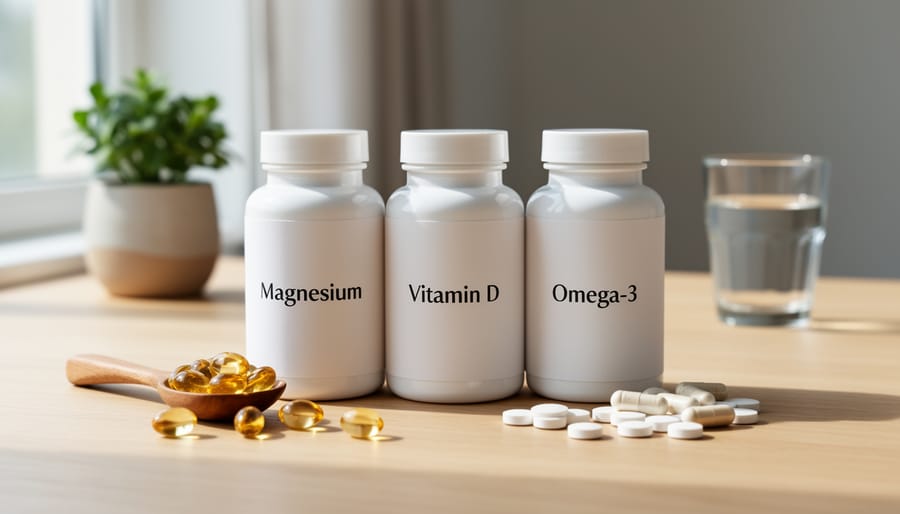
Magnesium stands out as particularly important for hormonal regulation. This mineral supports over 300 enzymatic reactions in the body, including those involved in hormone production and stress response. Studies indicate magnesium helps reduce PMS symptoms, supports healthy sleep patterns, and may ease anxiety related to hormonal fluctuations. Many Canadian women don’t meet the recommended daily intake of 310-320 mg through diet alone. Food sources include leafy greens, nuts, seeds, and whole grains, though supplementation may be beneficial for those with deficiencies.
Vitamin D acts more like a hormone than a traditional vitamin, playing crucial roles in reproductive health and mood regulation. Research links adequate vitamin D levels to better menstrual cycle regularity and reduced symptoms of hormonal imbalance. Given Canada’s northern latitude and limited winter sunlight, many Canadians have insufficient vitamin D levels. Health Canada recommends 600-800 IU daily, though some individuals may need higher doses based on blood test results.
Omega-3 fatty acids, particularly EPA and DHA found in fish oil, support hormone production and reduce inflammation throughout the body. Clinical trials show omega-3 supplementation may help decrease menstrual pain, support mood stability, and improve insulin sensitivity. Aim for 250-500 mg combined EPA and DHA daily from fatty fish or quality supplements.
Adaptogenic herbs like ashwagandha, rhodiola, and holy basil help the body adapt to stress by supporting healthy cortisol patterns. Research demonstrates these herbs may reduce stress-related hormonal disruptions without significant side effects. However, consult with a healthcare provider before starting any herbal supplement, especially if you’re taking medications or have existing health conditions.
Important Safety Considerations
While natural approaches can support hormonal health, it’s essential to prioritize safety. Before starting any new supplements, consult with a healthcare provider, especially if you’re pregnant, breastfeeding, taking medications, or managing existing health conditions. In Canada, look for products with a Natural Product Number (NPN) or Homeopathic Medicine Number (DIN-HM) on the label, which indicates Health Canada approval for safety and quality.
Be aware that natural supplements can interact with medications, including birth control pills, blood thinners, and thyroid medications. Start with one supplement at a time to monitor how your body responds, and follow recommended dosages carefully. Some herbs like chasteberry or black cohosh may not be suitable for women with hormone-sensitive conditions.
If you experience severe symptoms such as irregular periods lasting more than three months, unexplained weight changes, excessive hair growth or loss, or mood disturbances affecting daily life, seek medical evaluation. These could indicate underlying conditions requiring professional treatment. A healthcare provider can order hormone testing to identify specific imbalances and ensure your natural approach complements rather than conflicts with necessary medical care.
Lifestyle Factors That Impact Hormones
Reducing Environmental Hormone Disruptors
Environmental hormone disruptors, also called endocrine-disrupting chemicals (EDCs), are substances that interfere with your body’s natural hormone production and function. These chemicals are surprisingly common in everyday products, but you can take simple steps to reduce your exposure.
Start in your personal care routine by choosing products with fewer ingredients and avoiding those containing parabens, phthalates, and triclosan. Look for labels that say “paraben-free” or “phthalate-free,” and consider switching to natural alternatives like coconut oil for moisturizing or baking soda-based deodorants.
In your kitchen, reduce plastic use, especially when heating food. Store leftovers in glass or stainless steel containers instead of plastic, and never microwave food in plastic containers. Choose fresh or frozen produce over canned goods when possible, as can linings often contain BPA, an EDC that can leach into food.
For cleaning products, opt for simple solutions like vinegar, baking soda, and castile soap, which are effective and free from hormone-disrupting chemicals. Many commercial cleaners contain synthetic fragrances that may contain phthalates.
When shopping for furniture or home goods, look for items labeled “flame-retardant free,” as these chemicals are known EDCs. Vacuum regularly and wash your hands frequently, as household dust can accumulate these chemicals.
These small changes add up, helping protect your hormonal health while creating a cleaner home environment.
Body Weight and Hormones
Your body weight and body composition play an important role in hormone production, and this relationship works in both directions. Adipose tissue (body fat) isn’t just storage—it’s actually an active endocrine organ that produces hormones like estrogen and leptin. Both having too little and too much body fat can affect your hormonal balance.
When body fat levels drop too low, your body may reduce production of reproductive hormones as a protective mechanism, potentially affecting menstrual cycles and fertility. Conversely, higher levels of body fat can lead to increased estrogen production and may contribute to insulin resistance, which affects other hormones throughout your body.
The key message here is balance, not perfection. Rather than focusing on achieving a specific number on the scale, consider supporting your hormonal health through nourishing eating patterns, enjoyable movement, and stress management. Research shows that even modest improvements in body composition through sustainable lifestyle changes can positively influence hormone levels.
Every body is different, and what constitutes a healthy weight varies from person to person based on genetics, age, and individual health factors. If you’re concerned about how your weight might be affecting your hormones, consider speaking with a healthcare provider who can offer personalized guidance without judgment.
When to See a Healthcare Provider
While natural approaches can effectively support hormonal balance, certain symptoms indicate it’s time to seek professional medical guidance. Understanding when to consult a healthcare provider ensures you receive appropriate care and avoid potential complications.
Schedule an appointment with your doctor if you experience significant changes in your menstrual cycle, including periods that stop for three months or more (outside of pregnancy or menopause), unusually heavy bleeding requiring pad changes every hour, or cycles shorter than 21 days or longer than 35 days. These patterns may signal underlying hormonal conditions requiring medical evaluation.
Other symptoms warranting medical attention include sudden, unexplained weight changes of more than 10 pounds, severe acne that doesn’t respond to over-the-counter treatments, excessive hair growth on the face or body, significant hair loss, persistent fatigue that interferes with daily activities, and symptoms of depression or anxiety that affect your quality of life. If you’re experiencing difficulty conceiving after a year of trying (or six months if you’re over 35), consultation with a healthcare provider is essential.
In Canada, your family doctor can order hormone testing through provincial health plans. Common tests include assessments of thyroid hormones (TSH, T3, T4), reproductive hormones (estrogen, progesterone, testosterone), and metabolic markers like fasting glucose and insulin levels. While basic hormone panels are typically covered, more comprehensive testing may require referral to an endocrinologist or gynecologist.
To advocate effectively for your hormonal health, track your symptoms for at least two months before your appointment, noting patterns related to your menstrual cycle, energy levels, mood changes, and sleep quality. This documentation helps healthcare providers understand your concerns and make informed decisions about testing and treatment options.
Don’t hesitate to seek a second opinion if you feel your concerns aren’t being adequately addressed. You deserve a healthcare provider who listens to your symptoms and works collaboratively to support your hormonal health journey alongside the natural strategies you’re implementing.
Achieving hormonal balance naturally is entirely possible with consistent, mindful changes to your daily routine. The strategies outlined in this article—from eating balanced meals and managing stress to prioritizing sleep and reducing toxin exposure—work together to support your body’s natural hormone production and regulation. Remember, you don’t need to overhaul your entire lifestyle overnight. Start by choosing one or two approaches that resonate most with you, whether that’s adding more fiber to your breakfast or establishing a regular bedtime routine.
It’s important to recognize that every woman’s body responds differently to these natural interventions. While some may notice signs of hormonal balance within weeks, others may need several months of consistent practice. Be patient with yourself and track your progress through how you feel rather than seeking immediate perfection.
If you’re experiencing severe symptoms or aren’t seeing improvements after several months of lifestyle changes, consulting with a healthcare provider or registered dietitian can provide personalized guidance tailored to your specific situation. These professionals can help identify underlying issues and ensure your approach is safe and effective for your individual needs. Your journey to hormonal balance is uniquely yours, and taking that first step today is already progress worth celebrating.