

Men’s substance abuse treatment works best when it addresses the unique biological, psychological, and social factors that influence how men experience addiction and recovery. Gender-specific programs recognize that men often face distinct barriers to seeking help, including societal pressure to appear self-reliant, difficulty expressing emotions, and workplace concerns about disclosure. These tailored approaches typically achieve better engagement and longer-term success than one-size-fits-all programs.
The science behind gender-specific treatment is compelling. Men metabolize substances differently than women, respond to different therapeutic approaches, and often enter treatment with co-occurring mental health conditions like depression or PTSD that may present differently than in women. Research shows that men benefit particularly from treatment environments that rebuild identity and purpose, address relationship repair, and provide peer support without judgment.
If you’re considering treatment for yourself or helping someone close to you explore options, understanding what makes men’s programs effective can guide better decisions. The right program combines evidence-based therapies with practical skill-building, addresses root causes rather than just symptoms, and creates space for honest conversation about masculinity, shame, and vulnerability.
Recovery is entirely possible. Thousands of Canadian men successfully overcome substance use disorders each year through structured treatment that respects their specific needs while building sustainable coping strategies. The key is finding a program that aligns with individual circumstances, whether that’s residential care, outpatient therapy, or community-based support.
Understanding Men’s Unique Relationship with Substance Use

Men don’t just use substances differently than women, they develop dependencies in distinct patterns shaped by biological factors, social expectations, and deeply ingrained beliefs about masculinity. Research shows that while women often turn to substances to cope with trauma or manage emotions, men more frequently use them during social situations, to enhance performance, or to manage work stress. This difference isn’t just behavioral; it reflects how boys and men are socialized from childhood.
Traditional masculinity norms teach men to suppress vulnerability, handle problems independently, and avoid appearing weak. These messages create a perfect storm for substance misuse. When men face emotional pain, relationship struggles, or mental health challenges, they’ve often learned that expressing these difficulties threatens their identity as capable providers and protectors. Substances become a private coping mechanism that doesn’t require admitting struggle or asking for support.
Canadian data reveals that men account for roughly three-quarters of substance-related deaths, yet they remain significantly less likely than women to seek treatment. This gap stems partly from men’s stigma and socialization around help-seeking, which frames admitting to substance problems as personal failure rather than a health issue requiring care.
Risk-taking also plays a role. Men typically start using substances earlier, consume larger quantities, and engage in more hazardous patterns of use. Testosterone influences reward-seeking behavior, but social factors amplify this biological tendency. Men face greater peer pressure to drink heavily, and workplace cultures often normalize excessive alcohol consumption as a bonding activity or stress release.
The mental health connection matters enormously. Depression in men frequently manifests as irritability, anger, or reckless behavior rather than sadness, making it harder to recognize and more likely to be self-medicated with alcohol or drugs. Men experiencing anxiety, trauma, or grief may view substance use as a more acceptable option than therapy, which carries its own stigma in many male social circles.
Understanding these patterns isn’t about making excuses. It’s about recognizing that effective treatment must address the specific ways men experience and respond to substance use disorders, rather than applying a one-size-fits-all approach.
Common Barriers That Keep Men from Seeking Help

Men face distinct psychological and social barriers that often prevent them from seeking substance abuse treatment, even when they recognize they need help. Understanding these obstacles is the first step toward overcoming them.
Fear of Appearing Weak
Many men have been socialized to equate asking for help with failure or vulnerability. This conditioning begins in childhood and intensifies throughout life, creating a powerful internal resistance to admitting struggles with substances. The fear that others will view them as less capable or masculine can be paralyzing, even when addiction threatens their health, relationships, and livelihood.
Career and Financial Concerns
Taking time away from work for treatment raises legitimate worries about job security, lost income, and professional reputation. Men who serve as primary earners often feel trapped between needing treatment and maintaining financial stability for their families. The perceived choice between recovery and career advancement is a false one, but it feels very real when you’re facing it.
Family Role Expectations
Traditional expectations about men as providers and protectors create additional pressure. Many men fear disappointing their partners and children or losing their position within the family structure. This stress damages health further, creating a cycle where the pressure to appear strong prevents the very help that would restore true strength.
Shame and Stigma
The stigma surrounding addiction hits men particularly hard because it contradicts cultural narratives about self-control and independence. Many men carry deep shame about their substance use, viewing it as a personal moral failure rather than a treatable health condition. This shame often intensifies in isolation, making the prospect of discussing it with strangers feel overwhelming.
Limited Male-Focused Resources
Finally, many treatment programs weren’t designed with men’s specific needs in mind. When men don’t see their experiences reflected in treatment approaches or feel uncomfortable in mixed-gender settings discussing certain issues, they’re less likely to engage fully or seek help at all.
Types of Substance Abuse Treatment Programs for Men
Men-Only Treatment Programs
Men-only treatment programs create a space where participants can address addiction without the social dynamics that mixed-gender settings sometimes introduce. For many men, this environment reduces pressure to maintain a certain image or suppress vulnerability, making it easier to engage honestly in group discussions about feelings, trauma, and relationship challenges.
Research shows men in gender-specific programs report greater comfort discussing topics like sexual trauma, body image concerns, and emotional suppression, issues they might minimize in mixed settings. These programs typically incorporate therapeutic approaches that resonate with how many men process information: problem-solving frameworks, concrete skill-building, and structured goal-setting rather than purely emotion-focused discussions.
The group dynamic in men-only settings often fosters healthy male bonding and accountability that differs from mixed groups. Men learn to support one another without competition or posturing, developing communication skills many never acquired. Physical activity components are common, recognizing that many men express and process emotions better through movement than sitting still.
In Canada, men-only programs exist through private treatment centres, some publicly-funded facilities, and specialized streams within larger programs. Organizations like the Canadian Centre on Substance Use and Addiction maintain directories of gender-specific services. Provincial health authorities in British Columbia, Alberta, and Ontario offer some men-focused programming, though availability varies significantly by region. Many programs operate in residential formats ranging from 30 to 90 days, though intensive outpatient men’s groups also exist in larger urban centres.
Outpatient vs. Residential Treatment
Residential treatment requires men to live at a facility full-time for 30 to 90 days (sometimes longer), providing 24-hour structure and removing them from environments where substance use occurred. This works well for severe dependencies, men without stable housing, those who’ve tried outpatient care unsuccessfully, or anyone needing medical detox supervision. The immersive environment eliminates immediate triggers and allows complete focus on recovery, though it means stepping away from work and family temporarily.
Outpatient programs let men attend therapy sessions several times weekly while living at home and often continuing work. Intensive outpatient programs (IOPs) typically require 9-15 hours of treatment per week, while standard outpatient might be 1-3 hours. This option suits men with strong home support systems, less severe dependencies, stable employment they can’t leave, or those transitioning down from residential care. It costs considerably less and maintains daily responsibilities, but requires discipline since you’re still surrounded by normal life stressors.
Your situation determines the right fit. Men with co-occurring mental health crises, unsafe home environments, or physical withdrawal risks generally need residential care first. Those with obligations like childcare, moderate substance issues, and reliable sober support at home often succeed in outpatient settings.
Medically-Assisted Treatment
Medications play a proven role in treating alcohol, opioid, and nicotine dependencies by reducing cravings, easing withdrawal symptoms, and helping men stay engaged with treatment long enough for therapy to take effect. For opioid use disorder, options like buprenorphine and methadone stabilize brain chemistry without producing a high, while naltrexone blocks the rewarding effects of opioids and alcohol. These aren’t “replacing one addiction with another”, they’re correcting the chemical imbalances substance use created, much like insulin manages diabetes.
Many men worry that medication means they’re not truly recovering or that they’re taking the easy way out. The reality is different: research consistently shows that combining medication with counseling produces better outcomes than therapy alone for certain substances. Men on medication-assisted treatment stay in programs longer, have fewer relapses, and rebuild their lives more successfully than those who attempt willpower alone.
In Canada, family doctors can prescribe some of these medications, and many treatment programs integrate them into comprehensive care plans. The goal isn’t lifelong medication for everyone, it’s using medical tools strategically to give your recovery the strongest possible foundation while you develop coping skills and address underlying issues.
What Effective Men’s Treatment Actually Looks Like
Effective treatment for men goes beyond simply stopping substance use, it rebuilds the skills and mindset needed for lasting recovery. Programs that work well for men typically combine structured therapy with practical tools that address how men process emotions and relate to others.
Cognitive-behavioral therapy (CBT) forms the backbone of most successful men’s programs. This approach teaches you to identify thought patterns that lead to substance use, then replace them with healthier responses. Rather than dwelling on feelings, CBT focuses on concrete problem-solving, changing what you think and do in triggering situations. For many men, this action-oriented framework feels more natural than traditional talk therapy.
Group therapy creates particularly powerful results in men’s treatment. When men hear other men openly discuss their struggles, it breaks down the isolation that fuels addiction. These sessions teach you that vulnerability isn’t weakness. Watching peers work through similar challenges provides both models for change and accountability. The group dynamic also lets men practice relationship skills they might have lost or never developed while using substances.
Quality programs recognize that substance use rarely exists alone. Depression, anxiety, PTSD, and unresolved trauma commonly drive or accompany addiction in men. Integrated treatment addresses both simultaneously rather than treating them as separate issues. A therapist might help you understand how you’ve been self-medicating anxiety, then teach healthier stress management techniques that actually work.
Physical activity belongs in treatment, not as recreation but as therapy. Exercise reduces cravings, improves mood, and restores the natural dopamine function that substances disrupted. Programs incorporating regular fitness help men reconnect with their bodies in healthy ways and build the discipline recovery requires.
Effective treatment also builds practical life skills. You might learn to manage finances, communicate in relationships, handle workplace stress, or structure your day productively. These concrete tools matter because addiction typically leaves gaps in basic adult functioning. Treatment that addresses only the substance use while ignoring these skill deficits sets men up to relapse when everyday life becomes overwhelming.
The most effective programs adapt their approach to each man’s specific needs rather than applying a one-size-fits-all formula. Recovery becomes possible when treatment meets you where you are and equips you with tools that actually fit how you operate.

Supporting Men’s Mental Health During Recovery
Men’s substance abuse rarely exists in isolation. Research consistently shows that up to 70% of men entering treatment also struggle with mental health conditions, most commonly depression, anxiety, PTSD, and suicidal thoughts. These challenges often fuel each other: untreated depression might drive someone to self-medicate with alcohol, while prolonged substance use chemically alters brain function in ways that worsen anxiety and mood disorders. For many men, addressing only the substance use without tackling underlying mental health issues sets them up for relapse.
The most effective treatment programs recognize this connection and offer integrated care, meaning your therapist isn’t treating your alcohol dependency on Monday and your PTSD on Wednesday as separate problems. Instead, clinicians address how trauma memories trigger drinking episodes, or how social anxiety makes group settings challenging but isolation dangerous. This coordinated approach produces better outcomes than treating conditions separately or sequentially.
Men often find it harder to recognize and express emotional distress, a pattern that starts early when boys learn to mask vulnerability. That same conditioning makes men’s mental health challenges more likely to go undiagnosed and untreated until they reach crisis levels. Quality treatment programs account for this by using assessment tools designed to catch what men might not volunteer in conversation, and by creating environments where talking about mental health feels less stigmatized.
Medication can play a legitimate role here. Antidepressants or anti-anxiety medications aren’t replacing one substance with another, they’re correcting chemical imbalances that make recovery nearly impossible when left untreated. Many men find that once their depression lifts or their anxiety becomes manageable, the urge to use substances diminishes significantly because they’re no longer seeking relief from constant emotional pain.
The Role of Nutrition and Fitness in Men’s Recovery
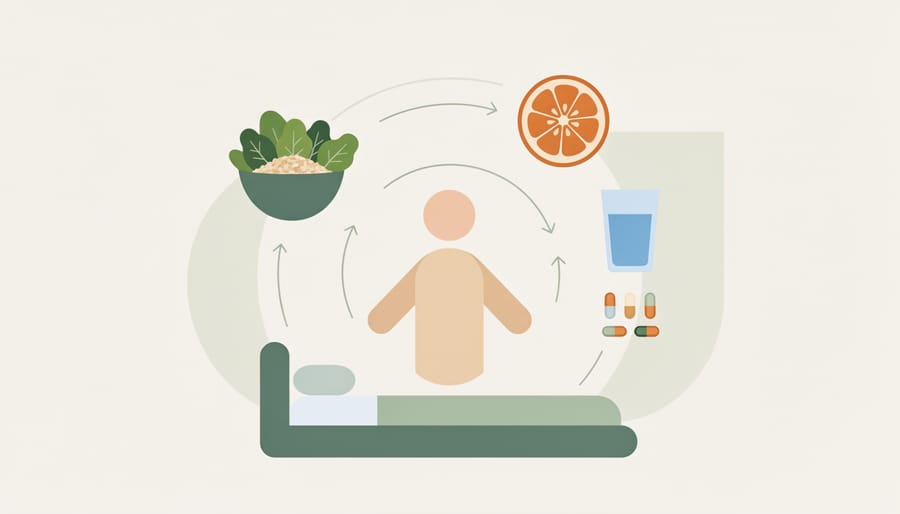
Chronic substance use depletes essential nutrients, disrupts metabolic function, and often leads to poor eating habits that compound physical decline. Men in recovery typically face nutritional deficiencies in B vitamins, zinc, magnesium, and amino acids, all crucial for brain chemistry regulation and energy production. Alcohol, in particular, interferes with nutrient absorption in the gut and damages the liver’s ability to process vitamins. Many men entering treatment are underweight, overtired, and dealing with digestive issues that make early recovery physically uncomfortable.
A structured nutrition plan helps stabilize blood sugar, reduce cravings, and restore physical health. Focus on regular meals with adequate protein (lean meats, fish, eggs, legumes), complex carbohydrates (whole grains, vegetables), and healthy fats (nuts, avocados, olive oil). Protein supports neurotransmitter production, which directly affects mood and impulse control. Small, frequent meals prevent the blood sugar crashes that trigger cravings and irritability. Hydration matters too, many men mistake dehydration for cravings or low energy.
Physical activity accelerates recovery by reducing stress, improving sleep quality, and rebuilding self-confidence through measurable progress. Exercise triggers natural endorphin release, providing a healthier replacement for the dopamine rush substances provided. Start with what feels manageable. Walking 20 minutes daily offers genuine benefits without requiring gym access. As stamina improves, adding cardio exercises like cycling or swimming builds cardiovascular health while creating structured routine.
Strength training carries particular benefits for men, it rebuilds muscle mass lost during active use, improves testosterone levels naturally, and creates tangible accomplishment markers that reinforce recovery progress. Two or three sessions weekly, even bodyweight exercises at home, make a difference.
The goal isn’t peak performance immediately. It’s establishing sustainable habits that support long-term physical and mental health, making relapse less appealing as the body begins functioning properly again.
Finding the Right Treatment Program in Canada
Choosing a treatment program is a decision that deserves careful consideration, not a rushed choice based on proximity or cost alone. The right fit matters more than you might think, a program that aligns with your needs and circumstances significantly improves your chances of completing treatment and maintaining recovery.
Start by identifying what you need from treatment. Consider the substances you’re using, whether you have mental health concerns alongside addiction, your work and family obligations, and how severe your dependence has become. A man with both alcohol dependence and untreated depression requires different care than someone dealing with cannabis use without co-occurring conditions.
- Determine whether you need residential or outpatient care based on your substance use severity, home environment stability, and daily responsibilities.
- Research programs that specialize in your specific substances, not all facilities treat all addictions effectively.
- Verify the credentials of treatment staff, looking for licensed therapists, addiction counselors, and medical professionals.
- Ask about their treatment approach and whether they use evidence-based therapies like cognitive-behavioral therapy or motivational interviewing.
- Inquire about men-specific programming, including whether groups are gender-separated and if they address masculinity issues.
- Check whether they provide aftercare planning and connect clients to ongoing support resources.
- Understand the financial picture upfront, confirm what your provincial health coverage includes and whether private insurance applies.
In Canada, publicly funded treatment exists but often comes with waitlists. Provincial health services cover basic treatment, though options vary by location. Private facilities offer faster access and sometimes more comprehensive programming, but costs range from several thousand to over $30,000 per month.
Don’t hesitate to call multiple programs and ask direct questions: What’s your completion rate? How do you handle mental health issues? Can I speak with someone who completed your program? Quality programs welcome these questions rather than deflecting them.
Canadian men can access support through provincial health services (call 811 in most provinces), the Substance Abuse and Mental Health Services Administration directory, and organizations like the Canadian Centre on Substance Use and Addiction. Your family doctor can also provide referrals to appropriate programs.
The best program is one you’ll actually attend and complete. If a facility feels wrong during your initial contact, trust that instinct and keep looking.
Life After Treatment: Building Long-Term Recovery
Completing treatment is a major milestone, but it marks the beginning of lifelong recovery rather than the end of the journey. Most men who maintain long-term sobriety do so because they actively engage with aftercare supports and build a sustainable recovery lifestyle.
A solid aftercare plan typically includes continued therapy, either individual or group sessions, for at least the first year after residential treatment. Many men find weekly check-ins with a therapist or counselor help them navigate triggers and stressors before they escalate. Regular participation in support groups provides ongoing connection with others who understand the recovery process. Organizations like Alcoholics Anonymous, SMART Recovery, and LifeRing offer different approaches, so men can find a format that fits their personality and beliefs.
Relapse prevention requires identifying your specific high-risk situations and developing concrete strategies to handle them. This might mean avoiding certain social settings initially, establishing firm boundaries with people who still use substances, or having a crisis plan with phone numbers to call when cravings hit hard. Physical warning signs like disrupted sleep, isolation, or stopping healthy routines often precede relapse, so staying aware of these patterns matters.
Rebuilding relationships damaged by substance use takes patience and consistent action. Trust gets rebuilt through reliability over time, not grand gestures. Many men benefit from family therapy to establish healthier communication patterns and realistic expectations. Career-wise, some choose to be transparent with employers about their recovery, while others keep it private. Either approach can work; what matters is creating a work environment that supports rather than threatens your sobriety.
The lifestyle changes you made during treatment need to become permanent habits. Regular exercise, proper nutrition, adequate sleep, and stress management techniques form the foundation that supports everything else. Recovery becomes easier when sobriety is just one part of an overall healthy, meaningful life rather than a daily white-knuckle battle.
Recovery from substance abuse isn’t just possible for men, it happens every day across Canada. The men who succeed aren’t necessarily the strongest or the toughest by traditional measures. They’re the ones who recognized they needed help and had the courage to ask for it.
If you’re reading this because you’re struggling, understand that reaching out for treatment doesn’t diminish your strength. It demonstrates it. Taking responsibility for your health, your relationships, and your future is one of the most masculine things you can do. The barriers you face, shame, fear of judgment, worry about your career or family, are real, but they don’t have to stop you.
Treatment works. The evidence is clear. Men who engage with appropriate programs, whether residential or outpatient, see significant improvements in their substance use, mental health, and quality of life. The specific path matters less than taking the first step.
You don’t need to have everything figured out before you call a treatment center or talk to your doctor. You don’t need to hit rock bottom. You just need to be willing to start. Recovery is a process, not a destination, and every man who’s walked this path started exactly where you are now, uncertain but ready for change.
Your life can be different. Make the call today.