
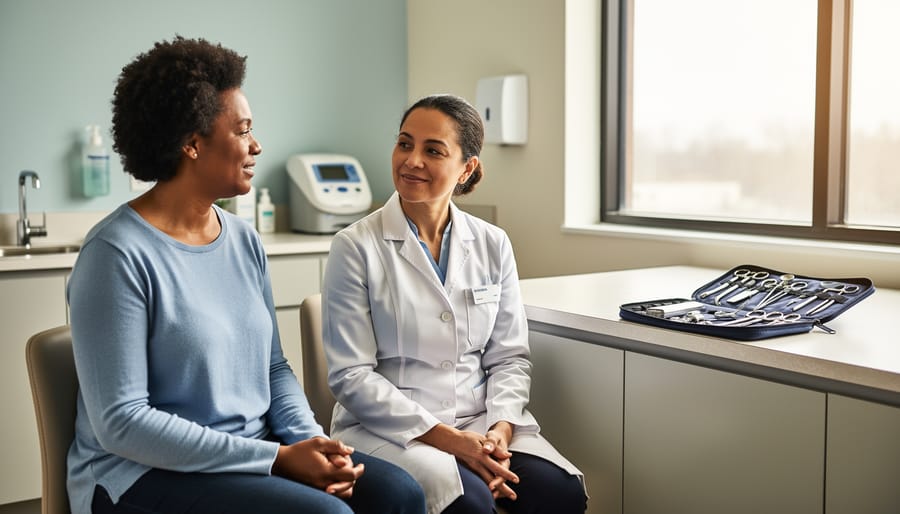
A Planned Parenthood wellness exam is a comprehensive preventive health visit that includes screenings for reproductive health, sexually transmitted infections, cancer detection, and general wellness assessments. These appointments typically last 30 to 45 minutes and cover birth control counseling, pelvic and breast exams, Pap tests when due, STI testing, and discussions about sexual health, mental wellness, and lifestyle factors. For Canadians, similar services are available through family doctors, walk-in clinics, community health centers, and sexual health clinics across the country, often at no cost through provincial health insurance.
Understanding what happens during these wellness visits helps you prepare and make the most of your appointment. The exam focuses on preventive care rather than treating existing conditions, which means your healthcare provider will assess your current health status, screen for potential concerns before symptoms appear, and provide education about maintaining reproductive and overall wellness. You’ll discuss your medical history, current medications, menstrual cycles, sexual activity, and any health concerns you want to address.
Whether you’re seeking routine screening, exploring contraceptive options, or simply maintaining your reproductive health, these exams provide essential care and peace of mind. The process is confidential, non-judgmental, and designed to support your health goals at any life stage.
What Is a Planned Parenthood Wellness Exam?
A Planned Parenthood wellness exam is a preventive healthcare visit focused on your reproductive and sexual health alongside general wellness screening. These comprehensive check-ups go beyond addressing immediate concerns, they’re designed to catch potential issues early, support informed family planning decisions, and establish a baseline for your ongoing health.
The exam typically includes a physical assessment, screenings appropriate for your age and risk factors, and an open conversation about your health goals. Your provider reviews your medical history, discusses contraception options if relevant, performs cancer screenings, and tests for sexually transmitted infections based on your needs. Crucially, these visits create space for questions about sexual health, fertility, menstruation, hormones, or any concerns you might have about your body.
These exams serve everyone, regardless of gender identity, relationship status, or whether parenthood is in your plans. The preventive care philosophy centres on early detection and education. By identifying health issues before they become serious and providing personalized guidance, wellness exams help you make informed choices about your body and your future. Regular visits establish a trusted relationship with a healthcare provider who understands your complete health picture, making it easier to address concerns as they arise rather than waiting for symptoms to develop.
What Happens During Your Wellness Exam

Initial Consultation and Health History
Your wellness exam begins with a private, confidential conversation about your health history. The healthcare provider will ask you questions in a non-judgmental setting, and you can share as much or as little as you feel comfortable with, though honesty helps them provide the best care for your needs.
Expect questions about your sexual health history, including current and past sexual activity, number of partners, types of sexual contact, and any concerns you may have. The provider will discuss contraception options if relevant to your situation, reviewing what methods you’ve used before and what might work best for your current circumstances and family planning goals.
The conversation also covers broader wellness factors that affect your reproductive and overall health. You’ll discuss your menstrual cycle (if applicable), any symptoms or changes you’ve noticed, and your family medical history. The provider may ask about lifestyle habits including diet, exercise, alcohol use, and smoking, as these impact both fertility and general wellness. They’ll inquire about stress levels and mental health support you may need, recognizing that emotional well-being is central to your health journey.
This discussion establishes a baseline for personalized care and helps identify which screenings and services are most appropriate for you.
Physical Examination Components

The physical examination components vary based on your individual health needs, gender, and age. Your provider will discuss which elements are appropriate for you before beginning.
Most wellness exams start with basic vital signs: blood pressure, heart rate, temperature, and weight measurements. These baseline readings help identify potential health concerns like hypertension or significant weight changes that might affect reproductive health or overall wellness.
For individuals with a cervix, the exam may include a pelvic examination and Pap test, depending on age and screening guidelines. During a pelvic exam, the provider visually inspects external genital areas, then uses a speculum to view the cervix and collects cells for testing if needed. A bimanual exam checks the uterus and ovaries for abnormalities. Not every wellness visit requires a pelvic exam, providers follow evidence-based guidelines about timing and frequency.
Breast exams may be performed to check for lumps, skin changes, or other concerns. Providers teach self-examination techniques so you can monitor changes between visits.
For individuals with testes, the exam might include a testicular examination to detect lumps, swelling, or other abnormalities. Prostate discussions become relevant as the body changes with age.
Your provider tailors the examination to your specific situation. You can decline any component that makes you uncomfortable, and you’re encouraged to ask questions throughout the process. The goal is thorough preventive care in a respectful, comfortable environment.
Screenings and Testing Options
Wellness exams include a range of screenings chosen based on your age, health history, and individual risk factors. STI testing is a cornerstone service, covering infections like chlamydia, gonorrhea, HIV, syphilis, and hepatitis B and C. The provider recommends specific tests according to STI screening recommendations tailored to sexual activity, number of partners, and past exposures.
Cancer screenings vary by gender and age. Pap tests check for cervical cell changes, with guidelines suggesting screening begin at 21 and continue every three to five years depending on cervical cancer screening ages and test type. Breast exams may be offered for early detection, while testicular exams help identify lumps or abnormalities in men.
Blood pressure checks are standard at most visits, catching hypertension that can affect pregnancy outcomes and general health. Depending on your planning goals, the provider might also discuss cholesterol screening, diabetes testing, or thyroid function tests. Each screening is selected to support your current wellness and future parenthood plans, giving you a complete picture of your health.
Services Available for All Genders
Wellness Services for Women
Women’s wellness exams provide comprehensive reproductive and general health services tailored to their specific needs. Pap tests screen for cervical cancer and are typically recommended every three years for those aged 21 to 65, though your healthcare provider may suggest different timing based on your history. Breast exams help detect abnormalities early, complementing regular mammogram schedules as you age.
Birth control counseling offers personalized guidance through the full range of contraceptive options, from hormonal methods to IUDs and barrier methods, helping you choose what fits your lifestyle and health goals. Pregnancy testing and options counseling provide confidential support whether you’re planning a pregnancy, experiencing an unexpected positive test, or considering your next steps.
For those planning to conceive, preconception health consultations address nutrition, lifestyle factors, and preconception vitamins to optimize your health before pregnancy. Menopause support helps navigate hormonal changes, manage symptoms, and maintain bone and heart health during this transition. These services form a continuum of care supporting women’s health throughout all reproductive life stages.
Wellness Services for Men
Men who visit Planned Parenthood for wellness exams can access comprehensive reproductive and sexual health services tailored to their needs. These exams typically include testicular examinations to check for abnormalities, lumps, or signs of testicular cancer, a condition most common in younger men. Healthcare providers also discuss prostate health, particularly for men over 40, addressing symptoms like changes in urination and screening recommendations.
STI testing forms a core component of men’s wellness visits, with screenings for chlamydia, gonorrhea, HIV, syphilis, and other infections based on sexual history and risk factors. Many men appreciate the confidential, nonjudgmental environment for discussing sexual health concerns that might feel uncomfortable to raise elsewhere.
Fertility counseling helps men planning for parenthood understand factors affecting sperm health, timing considerations, and when to seek specialist support if conception challenges arise. Providers also offer guidance on contraception options, including vasectomy referrals, and address erectile dysfunction or other sexual health concerns.
For Canadians, similar men’s health services are available through sexual health clinics, community health centres, and family doctors, with many services covered under provincial health insurance. Regular wellness visits help catch potential issues early and support informed decision-making about reproductive health.
Cost, Insurance, and Accessing Care in Canada
While Planned Parenthood primarily operates in the United States, Canadians have excellent access to equivalent wellness services through their provincial healthcare systems and community organizations.
Most wellness exam components are covered under provincial health insurance plans across Canada. This includes pap tests, STI screening, breast exams, testicular exams, and consultations with family physicians or nurse practitioners. You won’t pay out-of-pocket for these medically necessary services when you visit a doctor’s office or sexual health clinic covered by your provincial plan.
Sexual health clinics in major cities, like clinics run by public health departments or organizations such as Action Canada for Sexual Health & Rights, offer confidential, free or low-cost services. These clinics specialize in reproductive health, contraception counseling, STI testing, and pregnancy options counseling. Many operate on a walk-in or sliding-scale fee basis for services not covered by provincial plans.
Community health centres (CHCs) provide comprehensive primary care, including wellness exams, in a team-based environment. These centres serve all community members regardless of ability to pay and often have extended hours to accommodate working schedules.
Some services may involve costs depending on your province and situation. Birth control methods like IUDs or implants might require payment for the device itself, though insertion is typically covered. Prescription contraceptives need a prescription, and costs depend on your private drug coverage or provincial drug plan eligibility.
To find services near you, contact your local public health unit, search for sexual health clinics in your area, or ask your family doctor for referrals. Provincial health information lines can also direct you to appropriate covered services in your region.
Preparing for Your Wellness Exam
A little preparation goes a long way toward making your wellness exam productive and stress-free. Start by scheduling your appointment strategically, if you’ll be having a pelvic exam, book it for a time when you’re not menstruating, as bleeding can interfere with certain tests like Pap smears. Some clinics recommend avoiding vaginal intercourse, douching, or using vaginal products for 24-48 hours before the exam for the most accurate results.
- Gather your health records, including vaccination history, current medications or supplements you take, and any recent test results.
- Write down questions or concerns ahead of time, topics like contraception options, fertility planning, STI testing, unusual symptoms, or mental health support.
- Bring your health card and information about your insurance coverage if you’re using services with out-of-pocket costs.
- Wear comfortable, easy-to-remove clothing if a physical exam is planned.
- Consider bringing a trusted friend or partner for support, especially if you feel anxious about the visit.
During the appointment, be honest and specific about your health history, sexual activity, and any symptoms you’re experiencing. Clinicians are there to help, not judge, and accurate information leads to better care. If something feels unclear during the exam, speak up, asking for explanations or pausing if you need a moment is completely acceptable. Taking an active role in your wellness visit ensures you leave with the information and support you need to make confident decisions about your health.
Common Questions About Wellness Exams

How often should I have a wellness exam?
Most healthcare providers recommend a wellness exam once a year for routine preventive care. However, your specific needs may vary based on age, health history, sexual activity, and whether you’re planning for parenthood, your provider can help determine the best schedule for you.
Are wellness exams confidential?
Yes, wellness exams are completely confidential. Your health information is protected by privacy laws, and providers will not share details of your visit, test results, or discussions with anyone without your explicit consent.
Can I bring a support person to my appointment?
Absolutely. You’re welcome to bring a trusted friend, partner, or family member to your wellness exam if that makes you more comfortable. You can have them in the room during your consultation, or they can wait outside during the physical examination portion, it’s entirely your choice.
Can I request a specific gender for my healthcare provider?
Yes, many clinics accommodate requests for a provider of a specific gender when scheduling your appointment. Don’t hesitate to ask when booking, your comfort during the exam is important, and clinics understand that gender preferences can help some patients feel more at ease.
If you’re planning to become a parent, mention this during your wellness exam so your provider can offer preconception counseling. They can review your overall health, discuss any necessary lifestyle adjustments, ensure you’re up to date on vaccinations, and address nutrition or supplement recommendations like folic acid. This proactive approach helps optimize your health before conception.
When it comes to follow-up visits, your provider will let you know if any test results require additional appointments or if you need to return sooner than your next annual exam. If you have concerning symptoms between wellness visits, contact your clinic rather than waiting for your scheduled appointment. Regular wellness exams work best as part of an ongoing relationship with your healthcare team, where you feel comfortable reaching out whenever health questions arise.
Regular wellness exams are a cornerstone of preventive healthcare, whether you’re planning for parenthood, navigating reproductive health decisions, or simply maintaining your overall well-being. These comprehensive visits provide an opportunity to address your specific health needs, catch potential concerns early, and build a personalized care plan that supports your goals.
Taking charge of your reproductive and general health through routine check-ups empowers you to make informed decisions about your body and your future. Whether you access care through sexual health clinics, community health centres, or your family doctor, prioritizing these preventive visits is an investment in your long-term wellness. Don’t wait for symptoms to appear. Schedule your wellness exam and give yourself the proactive care you deserve.