
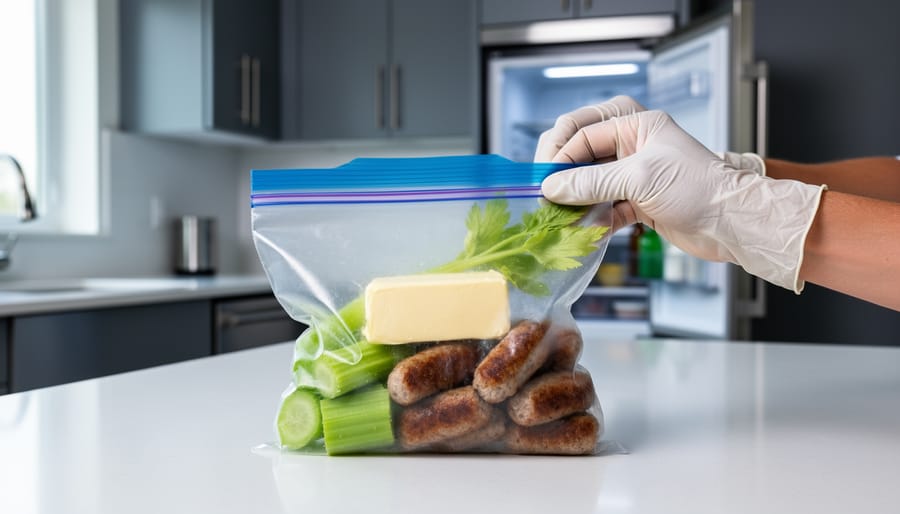
Check your refrigerator immediately for recalled butter, celery, and sausage products by comparing brand names, best-before dates, and UPC codes against the Canadian Food Inspection Agency’s official recall listings. Recent food safety recalls affecting these items have prompted urgent consumer action due to potential contamination risks including Listeria monocytogenes and undeclared allergens, both of which pose serious health threats, particularly to pregnant individuals, older adults, young children, and those with compromised immune systems.
Discard any affected products immediately or return them to your point of purchase for a full refund, ensuring you handle them carefully to avoid cross-contamination in your kitchen. If you’ve consumed recalled products and experience symptoms such as fever, muscle aches, nausea, or diarrhea within 70 days of consumption, contact your healthcare provider promptly and mention the potential exposure.
Stay informed by subscribing to the CFIA’s Food Recall Notification service, which delivers real-time alerts directly to your email or mobile device. Understanding proper food storage practices, recognizing contamination warning signs, and maintaining awareness of active recalls empowers you to protect your household’s health. This evidence-based guide provides the essential information you need to navigate current recalls confidently and implement preventive measures for ongoing food safety in your home.
Understanding the Recent Recalls: What Went Wrong
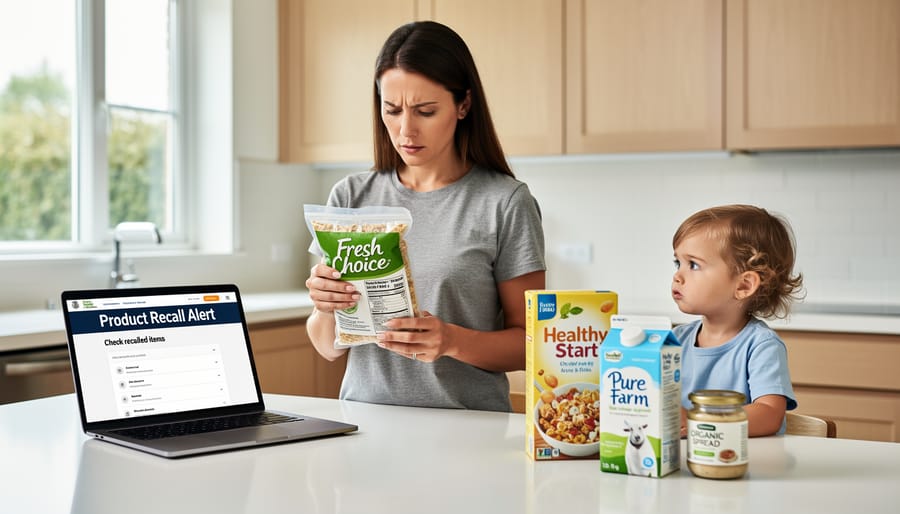
Why These Foods Are at Risk
These three foods face heightened contamination risks due to their unique production and handling characteristics. Butter becomes vulnerable during processing when cream separates from milk, creating opportunities for bacterial growth if temperature controls fail. The high-fat content can also harbor certain pathogens that survive longer than in other dairy products.
Celery presents challenges because it grows close to the ground where soil-borne bacteria like Listeria naturally occur. Its textured surface and tight stalks create crevices where contaminants can hide, making thorough washing difficult. As a raw product often consumed without cooking, any bacteria present can directly reach consumers.
Sausage carries particular risks due to extensive handling during production. Ground meat provides more surface area for bacterial contamination compared to whole cuts. The mixing process can distribute pathogens throughout the product, while added ingredients increase contamination touchpoints. If cooking temperatures don’t reach safe levels during manufacturing, harmful bacteria like Salmonella or E. coli can survive. Additionally, cross-contamination between raw and ready-to-eat products in processing facilities remains a persistent concern. Understanding these vulnerabilities helps you make informed decisions about food storage and preparation at home.
Common Contaminants and Their Health Impacts
Food recalls often happen due to bacterial contamination that can cause serious illness. Three bacteria are most commonly responsible for product recalls in Canada.
Listeria monocytogenes thrives in refrigerated environments and can contaminate dairy products like butter and ready-to-eat meats including sausages. Symptoms typically appear within three weeks and include fever, muscle aches, nausea, and diarrhea. Pregnant women, older adults, and those with weakened immune systems face the highest risk, as Listeria can cause severe complications including meningitis.
E. coli produces toxins that damage the intestinal lining, leading to severe stomach cramps, bloody diarrhea, and vomiting within three to four days of exposure. Young children and elderly individuals are particularly vulnerable to developing kidney failure from certain E. coli strains.
Salmonella contamination frequently affects raw vegetables like celery and undercooked meats. Symptoms include diarrhea, fever, and abdominal cramps appearing six hours to six days after exposure. While most healthy adults recover within a week, young children, seniors, and immunocompromised individuals may require hospitalization.
If you experience severe symptoms like high fever, prolonged vomiting, bloody stools, or signs of dehydration after consuming recalled products, seek medical attention immediately.
How to Check If Your Food Is Affected
Reading Product Labels and Lot Numbers
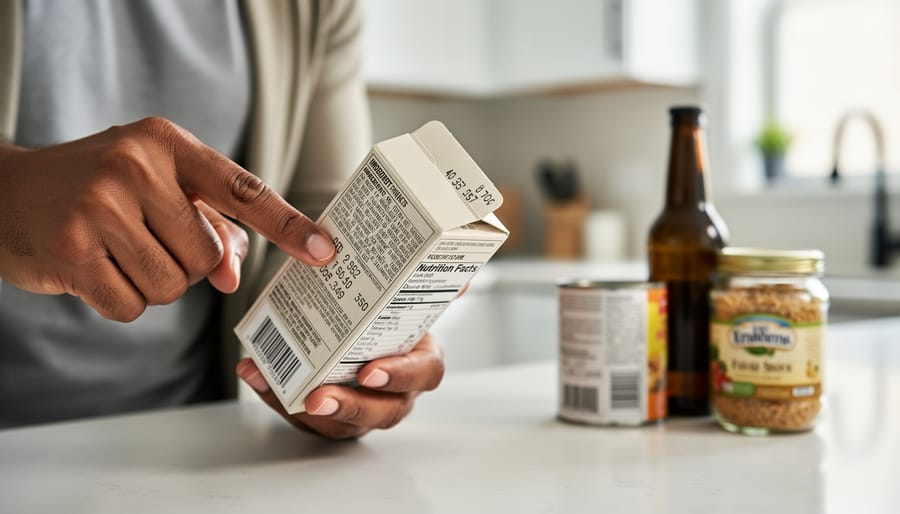
When checking if your products are affected by a recall, you’ll need to locate three key pieces of information on the packaging. Start by finding the UPC code, which is a series of numbers beneath the barcode, usually printed on the back or bottom of the package. This unique identifier helps determine if your specific product is included in the recall.
Next, look for the best-before date, typically stamped on the package near the seal or on the bottom. In Canada, these dates often appear as year-month-day format. The lot number or production code is equally important and may be printed alongside the best-before date or elsewhere on the packaging. It might appear as “LOT” followed by numbers and letters, or simply as a code stamped directly onto the packaging material.
Take a clear photo of these details with your phone for easy reference when checking the Canadian Food Inspection Agency website. If the packaging is difficult to read, use good lighting or a magnifying glass. Don’t discard packaging until you’ve verified whether your product is affected. Keep the information handy, as you may need it when returning products or contacting retailers. This simple step protects your household and helps track potentially contaminated items efficiently.
Canadian Food Recall Resources You Need to Know
Staying informed about food recalls is essential for protecting your family’s health. The Canadian Food Inspection Agency (CFIA) serves as Canada’s primary resource for food safety information and recall notifications. Their user-friendly website provides comprehensive, up-to-date details about all current food recalls, including products containing butter, celery, and sausage.
The CFIA website features a searchable recall database where you can look up specific products by brand name, company, or recall date. Each recall listing includes important details such as the reason for the recall, affected product codes, distribution information, and clear photos to help you identify items in your home.
To stay proactive about food safety, consider signing up for the CFIA’s free email notification service. This system sends automatic alerts directly to your inbox whenever new recalls are issued, ensuring you’re among the first to know about potential hazards. You can access this service through the CFIA website by clicking on the “Food Recall Warnings” section and selecting the subscription option.
Additionally, following the CFIA’s social media channels on Twitter and Facebook provides real-time updates about the latest food recalls. Many Canadians find these platforms convenient for quick access to safety information while on the go.
By utilizing these evidence-based resources, you can make informed decisions about the products you bring into your home and take swift action when necessary to protect your household’s wellbeing.
Immediate Steps to Protect Your Health
What to Do With Recalled Products
If you’ve discovered recalled butter, celery, or sausage products in your home, taking prompt action protects your health and that of your family. First, do not consume these items under any circumstances, even if they appear fresh or smell normal. Harmful bacteria like Listeria may not be detectable by sight or smell.
Separate recalled products immediately from other foods to prevent cross-contamination. Place them in a sealed plastic bag and either return them to the store where purchased or dispose of them in a secure garbage bin where others cannot access them. Before and after handling recalled items, wash your hands thoroughly with soap and warm water for at least 20 seconds.
Most retailers offer full refunds for recalled products, even without a receipt. Bring the item to the customer service desk with any packaging or product codes you have available. If returning the product isn’t possible, contact the manufacturer directly using information provided in the recall notice.
Clean and sanitize any surfaces, containers, or utensils that may have contacted the recalled items. Use hot, soapy water followed by a diluted bleach solution or food-safe sanitizer. This simple step significantly reduces contamination risks and keeps your kitchen safe for meal preparation.
When to Contact Your Doctor
If you’ve consumed recalled butter, celery, or sausage products, watch for signs of foodborne illness. Contact your doctor immediately if you experience severe symptoms such as persistent diarrhea lasting more than three days, bloody stools, high fever above 38.5°C (101.3°F), frequent vomiting that prevents keeping liquids down, signs of dehydration including decreased urination or dizziness, or symptoms lasting longer than a few days.
Certain groups face higher risks and should seek medical attention promptly, including pregnant women, young children, older adults over 65, and anyone with weakened immune systems or chronic health conditions.
When contacting your healthcare provider, be prepared to share specific details: the product name and brand you consumed, when you ate it, your symptoms and when they started, and any relevant health conditions. If possible, keep the product packaging or take photos of labels showing lot numbers and best-before dates. This information helps your doctor provide appropriate care and assists public health officials in tracking the recall’s impact.
Even if symptoms seem mild initially, don’t hesitate to reach out if you’re concerned. Your healthcare provider can offer guidance specific to your situation and ensure you receive proper treatment if needed.
Preventing Food Safety Issues at Home
Safe Storage Practices
Proper storage is your first line of defense against foodborne illness, especially when handling products like butter, celery, and sausage that may be subject to recalls. Understanding temperature guidelines and shelf life expectations helps you protect your family’s health.
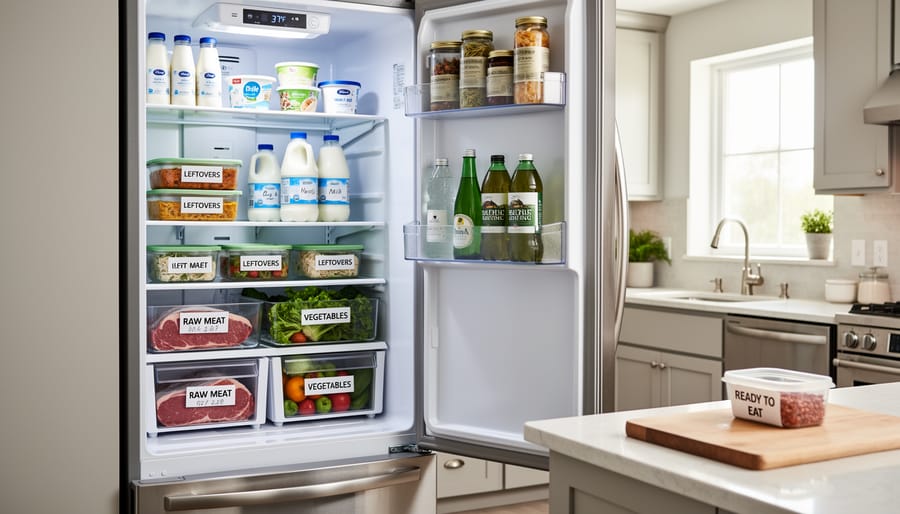
Keep your refrigerator at 4°C (40°F) or below and your freezer at -18°C (0°F). Use a refrigerator thermometer to verify these temperatures regularly, as even small fluctuations can allow harmful bacteria to multiply. Store butter in its original wrapper on a refrigerator shelf rather than the door, where temperature varies most. Butter typically stays fresh for one to three months when refrigerated properly.
Fresh celery should be wrapped in aluminum foil or kept in a perforated plastic bag in the crisper drawer, where it maintains quality for up to two weeks. Check regularly for signs of spoilage like browning or sliminess.
Raw sausages require careful attention. Store them on the lowest refrigerator shelf in a container to prevent juices from contaminating other foods. Use fresh sausages within one to two days or freeze them immediately for longer storage, up to two months. Cooked sausages stay safe for three to four days when refrigerated.
Always label foods with purchase or preparation dates to track freshness. When recalls occur, proper storage records help you identify affected products quickly. If you discover recalled items in your refrigerator, remove them immediately and clean surrounding areas with hot, soapy water to prevent cross-contamination. These evidence-based practices significantly reduce your risk of foodborne illness while maximizing food quality and safety.
Smart Shopping and Handling Tips
Protecting yourself from recalled products starts with smart shopping habits. When purchasing butter, celery, and sausage, always check the best-before dates and product codes before placing items in your cart. Examine packaging carefully for any damage, tears, or unusual appearance that might indicate tampering or improper storage. Keep your smartphone handy to quickly check the Canadian Food Inspection Agency website if you’re uncertain about a product’s recall status while shopping.
At home, proper handling makes a significant difference in preventing foodborne illness. Store butter in its original packaging in the refrigerator, keeping it separate from ready-to-eat foods. Wash celery thoroughly under running water, even if you plan to cook it, and store it in the crisper drawer away from raw meats. Sausage should remain in the coldest part of your refrigerator and be used within the recommended timeframe or frozen for longer storage.
Cross-contamination prevention requires consistent attention. Use separate cutting boards for raw meats like sausage and fresh produce like celery. Wash your hands with soap and warm water for at least 20 seconds after handling any recalled products or raw ingredients. Clean and sanitize countertops, utensils, and any surfaces that contacted potentially affected items using hot, soapy water followed by a food-safe sanitizer.
Keep a dedicated space in your kitchen for checking recall notices regularly, and consider signing up for email alerts from health authorities to stay informed about food safety issues affecting products you commonly purchase.
Staying Informed About Future Recalls
Building lasting food safety habits helps protect you and your family from potential health risks. The Canadian Food Inspection Agency (CFIA) maintains a comprehensive online database where you can access current food safety alerts and recall notices. Bookmark their website and check it regularly, especially before major grocery shopping trips.
Consider signing up for email notifications through the CFIA’s Food Recall Notification Service, which delivers alerts directly to your inbox based on your preferences. You can also download the CFIA’s mobile app to receive push notifications about recalls in real-time, ensuring you stay informed even when you’re on the go.
Social media can be a valuable tool for staying current on food safety issues. Follow official government accounts like the CFIA and Health Canada on platforms you use regularly. Many grocery retailers also post recall information on their websites and social media channels, making it easy to learn about products sold in your local stores.
Set a monthly reminder to review your pantry and refrigerator against recent recalls. This simple habit takes just a few minutes but can prevent accidental consumption of recalled items. Keep a file or digital folder with recall information for products you’ve purchased, including receipts when possible.
Remember that staying informed is an ongoing process, not a one-time task. By integrating these practical tools into your routine, you’re taking proactive steps to safeguard your health and make informed decisions about the food your family consumes.
Staying informed about food recalls is one of the simplest yet most effective ways to protect your family’s health. While recalls involving products like butter, celery, and sausage may seem concerning, remember that these actions demonstrate our food safety system working as intended to keep Canadians safe. By regularly checking the Canadian Food Inspection Agency’s recall notices, understanding product identification, and taking prompt action when needed, you’re equipped to handle these situations confidently. Keep your contact information updated with retailers who offer recall alerts, verify products in your home when announcements occur, and don’t hesitate to return or dispose of affected items. Your vigilance matters—these proactive steps help prevent foodborne illness and ensure your household enjoys safe, nutritious meals. Food safety is a shared responsibility, and by staying engaged and informed, you’re making a meaningful difference in protecting those you care about most.