

Gonadotropin-releasing hormone (GnRH) controls your testosterone production, sperm development, and sexual function by signaling your pituitary gland to release the hormones that regulate your reproductive system. When this small but mighty hormone falls out of balance, you may experience low energy, reduced muscle mass, decreased sex drive, and fertility challenges that affect your quality of life and long-term health.
Understanding how GnRH works in your body empowers you to recognize warning signs early and take action to support your hormonal health naturally. This hormone operates in pulses throughout the day, with peak activity during puberty and sustained release patterns in adulthood that maintain healthy testosterone levels between 300-1000 ng/dL in most men.
Your lifestyle choices directly influence GnRH function. Chronic stress elevates cortisol, which suppresses GnRH release and subsequently lowers testosterone production. Sleep deprivation disrupts the hormone’s natural pulse pattern, with studies showing men who sleep less than five hours nightly can experience a 10-15% reduction in testosterone levels. Excessive body fat, particularly around your midsection, increases estrogen production that interferes with normal GnRH signaling.
The good news: you can optimize GnRH function through evidence-based strategies including stress management, quality sleep, balanced nutrition, and appropriate exercise. Recognizing when to seek medical evaluation for potential GnRH-related conditions ensures you address problems before they impact your fertility, metabolic health, or overall wellbeing.
What Is GnRH and Why Should You Care?
The Hormone Chain Reaction
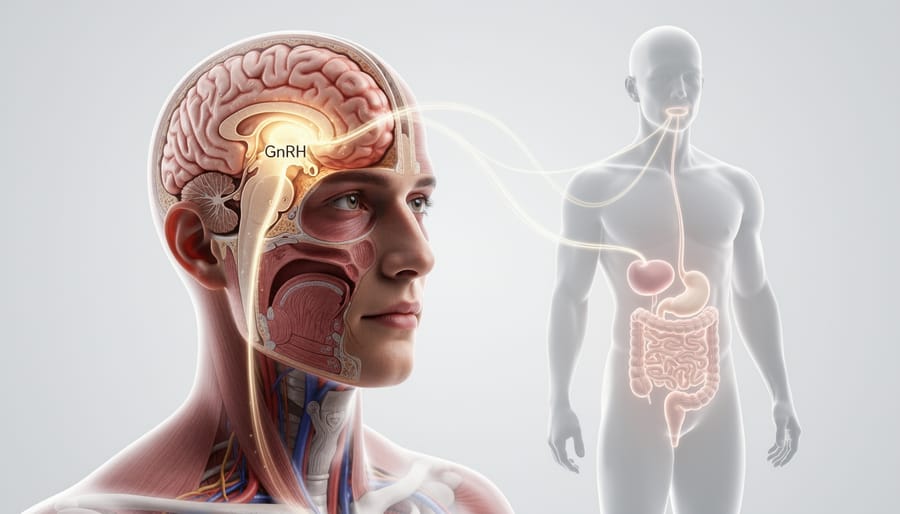
Think of your hormonal system as a multi-level communication network, with GnRH acting as the initial messenger that sets everything in motion. This hormone chain reaction begins in your hypothalamus, a small but powerful region in your brain that monitors your body’s needs and responds accordingly.
When your body needs to produce testosterone or sperm, your hypothalamus releases GnRH in rhythmic pulses. Imagine this like a supervisor sending out regular signals to keep operations running smoothly. These GnRH pulses travel a short distance to your pituitary gland, which sits just below your brain.
Once GnRH reaches the pituitary, it triggers the release of two critical hormones: luteinizing hormone (LH) and follicle-stimulating hormone (FSH). These are part of your male reproductive hormones that work together like a coordinated team.
Here’s where the cascade effect becomes clear. LH travels through your bloodstream to your testicles, specifically targeting cells that produce testosterone. Think of LH as a key that unlocks testosterone production. Meanwhile, FSH heads to different cells in your testicles with a specific mission: supporting sperm creation and maturation.
This three-step process works like a relay race. GnRH passes the baton to LH and FSH, which then deliver the final message to your testicles. When this chain reaction functions properly, you maintain healthy testosterone levels for energy, muscle maintenance, and mood regulation, while also supporting fertility through continuous sperm production. Understanding this cascade helps you appreciate why even small disruptions at any level can affect your overall reproductive and general health.
How GnRH Impacts Your Daily Life
Testosterone Production and Energy
GnRH plays a crucial behind-the-scenes role in maintaining your testosterone levels, which directly impacts how you feel and function every day. When GnRH is released from your hypothalamus, it signals your pituitary gland to produce luteinizing hormone (LH). This LH then travels to your testicles, where it stimulates specialized cells to produce testosterone. Think of GnRH as the first domino in a chain reaction that keeps your testosterone production running smoothly.
Testosterone is essential for far more than just reproductive health. This hormone significantly influences your muscle mass and strength, making it easier to build and maintain lean tissue through regular exercise. It also affects your energy levels throughout the day, with optimal testosterone supporting better stamina and reduced fatigue. Many men notice that healthy testosterone levels contribute to improved mood, motivation, and mental clarity.
Your libido and sexual function are closely tied to testosterone as well. When GnRH signaling works properly and testosterone levels remain balanced, most men experience healthy sexual desire and performance. Beyond the bedroom, testosterone supports bone density, helps regulate fat distribution, and even influences cardiovascular health.
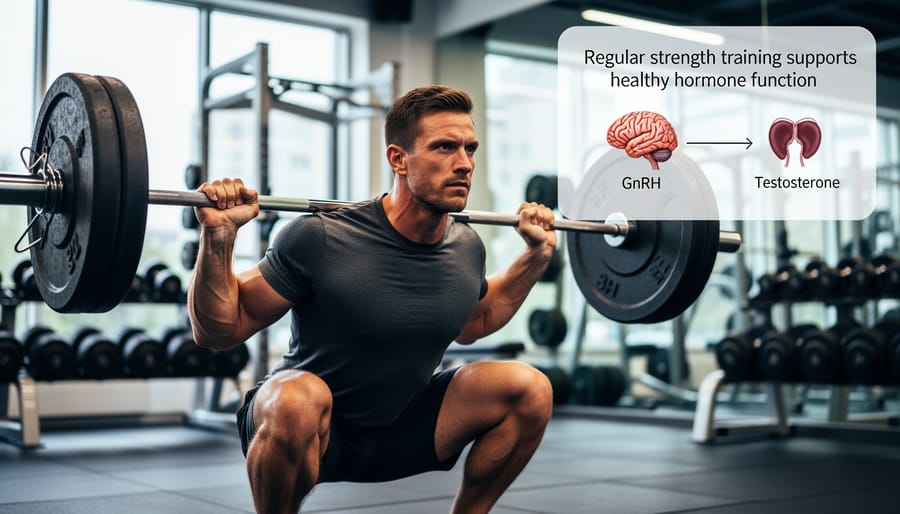
Research shows that lifestyle factors can support healthy GnRH and testosterone production. Getting seven to nine hours of quality sleep, managing stress effectively, maintaining a healthy weight, and engaging in regular strength training can all help optimize this hormonal pathway. If you’re experiencing persistent fatigue, reduced libido, or difficulty building muscle despite healthy habits, it’s worth discussing your hormone levels with a healthcare provider.
Fertility and Sperm Health
GnRH plays a fundamental role in male fertility by regulating the production of hormones that control sperm development. When GnRH signals the pituitary gland, it triggers the release of LH and FSH, which work together to support sperm production in the testicles. FSH specifically stimulates the cells responsible for creating sperm, while LH promotes testosterone production, which is essential for sperm maturation and quality.
For men planning to start a family, healthy GnRH function is critical. Low GnRH levels can lead to reduced sperm count, poor sperm motility, and abnormal sperm structure, all of which can affect your chances of conception. Research shows that men with balanced hormone levels typically have better sperm quality and higher fertility rates.
If you’re concerned about your reproductive health, several lifestyle factors can support optimal GnRH function. Maintaining a healthy weight is important, as excess body fat can disrupt hormone balance. Regular exercise, adequate sleep, and stress management also help maintain proper GnRH signaling. Additionally, certain nutrients like zinc, vitamin D, and folate play supportive roles in hormone production and sperm health. Consider incorporating fertility-supporting vitamins into your daily routine after discussing options with your healthcare provider.
If you’ve been trying to conceive for over a year without success, or if you have concerns about your fertility, consult your doctor. They can assess your hormone levels and recommend appropriate interventions to support your reproductive goals.
Mental Health and Mood Regulation
Your hormonal balance plays a meaningful role in how you feel mentally and emotionally. GnRH influences testosterone production, and research shows that testosterone levels are connected to mood regulation, mental clarity, and overall cognitive function. Men with balanced hormone levels often report better stress management, improved focus, and more stable moods throughout the day.
When GnRH signaling is disrupted and testosterone drops significantly, some men experience mood changes including irritability, difficulty concentrating, or feelings of low motivation. Studies indicate that hormonal imbalances may contribute to symptoms of depression and anxiety in some cases, though mental health is complex and influenced by many factors beyond hormones alone.
The good news is that lifestyle choices supporting your hormonal health can also benefit your mental wellness. Regular physical activity, quality sleep, stress management techniques, and a nutrient-rich diet all help maintain healthy GnRH function while simultaneously supporting brain health and emotional resilience. If you’re experiencing persistent mood changes or cognitive concerns, speak with your healthcare provider to explore whether hormonal factors might be playing a role and to develop a comprehensive treatment approach that addresses your overall wellbeing.
When GnRH Levels Go Off Balance
Signs Your Hormones Might Be Out of Sync
Your body often provides clear signals when hormones aren’t functioning optimally. While occasional changes are normal, persistent symptoms may suggest your GnRH or related hormones need attention.
Common signs that might indicate a hormonal imbalance include a noticeable decrease in sex drive or libido that doesn’t seem connected to stress or relationship factors. You might also experience ongoing fatigue that doesn’t improve with adequate sleep, making it difficult to maintain your usual energy levels throughout the day.
Fertility challenges are another important indicator. If you and your partner have been trying to conceive without success for over a year, hormonal factors could be involved. Some men also notice physical changes like reduced muscle mass despite regular exercise, or unexplained weight gain, particularly around the midsection.
Mood changes deserve attention too. This might show up as increased irritability, difficulty concentrating, feelings of depression, or a general sense that your mental clarity isn’t what it used to be. Sleep disturbances, including trouble falling asleep or staying asleep, can also signal hormone disruption.
Changes in body hair growth or breast tissue enlargement are less common but significant signs worth noting.
If you’re experiencing several of these symptoms consistently, consider speaking with your healthcare provider. A simple conversation and potentially some blood work can help identify whether hormonal imbalances are at play. Early detection makes treatment more straightforward and effective, helping you get back to feeling like yourself.

Common Causes of GnRH Disruption
Several lifestyle and health factors can interfere with your body’s GnRH production and signaling, affecting your overall hormonal balance.
Chronic stress stands as one of the most significant disruptors. When you experience ongoing stress, your body produces elevated cortisol levels, which can suppress GnRH release. This explains why chronic stress affects hormones and can lead to reduced testosterone and related symptoms.
Obesity creates another challenge for GnRH function. Excess body fat, particularly around the abdomen, increases inflammation and converts testosterone to estrogen. This hormonal imbalance sends confusing signals to your brain, potentially reducing GnRH pulses and disrupting the entire reproductive hormone system.
Certain medications can also interfere with GnRH. Opioid pain medications, some antidepressants, and anabolic steroids may suppress natural GnRH production. If you’re taking any medications and experiencing hormonal symptoms, speak with your healthcare provider about potential effects.
Excessive exercise, while generally beneficial, can become problematic when taken to extremes. Intense training without adequate recovery and nutrition can stress your body enough to reduce GnRH signaling, particularly when combined with low body fat.
Natural aging gradually decreases GnRH pulse frequency and amplitude, contributing to the decline in testosterone that many men experience after age 40. This is a normal process, though lifestyle factors can influence its severity.
Medical conditions including sleep apnea, thyroid disorders, diabetes, and pituitary tumors can disrupt GnRH production. These conditions require professional diagnosis and treatment to restore hormonal balance effectively. Understanding these causes empowers you to make informed decisions about your health and seek appropriate support when needed.
Supporting Healthy Hormone Balance Naturally
Nutrition for Hormonal Health
What you eat directly influences your body’s ability to produce and regulate GnRH and other reproductive hormones. Supporting natural hormonal balance through nutrition doesn’t require complicated meal plans—just consistent, evidence-based choices.
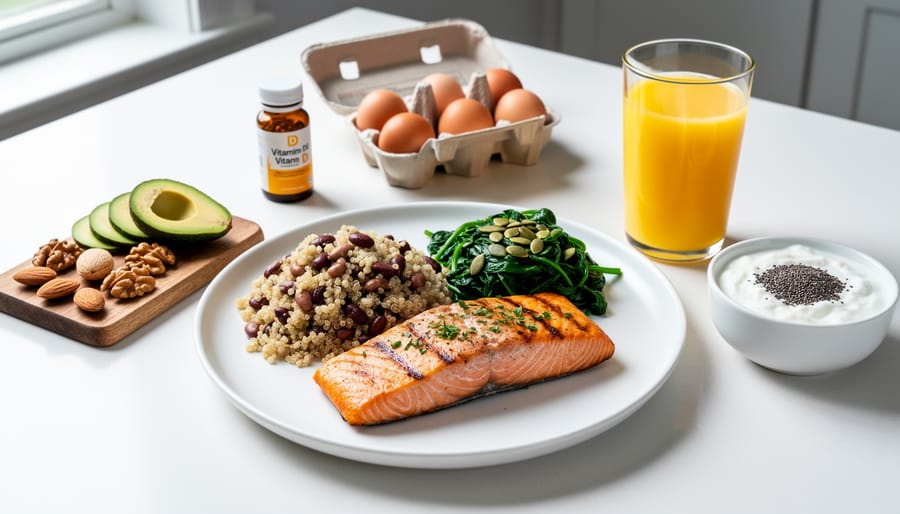
Healthy fats are essential for hormone production since testosterone and other sex hormones are made from cholesterol. Include Canadian sources like wild-caught salmon, walnuts, ground flaxseed, and avocados in your meals. Aim for two servings of fatty fish weekly.
Zinc plays a crucial role in testosterone production and GnRH signaling. Excellent Canadian options include oysters, grass-fed beef, pumpkin seeds, and lentils. Men should target 11 mg daily through food sources.
Vitamin D deficiency is common in Canada, especially during winter months, and low levels are linked to reduced testosterone. While sunlight exposure helps seasonally, consider vitamin D-rich foods like fortified milk, egg yolks, and fatty fish. Talk to your healthcare provider about testing your levels.
Adequate protein supports hormone synthesis and muscle maintenance. Aim for 0.8-1.0 grams per kilogram of body weight daily from sources like chicken, Greek yogurt, beans, and tofu.
Limit alcohol consumption, as excessive intake disrupts the hypothalamic-pituitary-gonadal axis and suppresses GnRH release. Canadian guidelines recommend no more than two standard drinks daily for men, with several alcohol-free days weekly for optimal hormonal health.
Exercise and Physical Activity
Regular physical activity plays a valuable role in maintaining healthy GnRH hormone function and overall testosterone production. The key is finding a balanced approach that supports your body rather than overwhelming it.
Strength training offers particular benefits for male hormonal health. Lifting weights or doing resistance exercises two to three times per week can help maintain healthy testosterone levels. Focus on compound movements like squats, deadlifts, and bench presses that engage multiple muscle groups. You don’t need a gym membership – bodyweight exercises, resistance bands, or even shoveling snow during Canadian winters can provide excellent resistance training.
Moderate cardiovascular exercise also supports hormonal balance. Aim for 150 minutes of moderate activity weekly, such as brisk walking, cycling, or swimming. Many Canadians find success incorporating outdoor activities like hiking, cross-country skiing, or skating into their routines.
However, overtraining can actually suppress GnRH production and lower testosterone levels. Signs include persistent fatigue, decreased performance, poor sleep, and reduced libido. If you’re training intensely for competitions or exercising more than 10 hours weekly, ensure adequate recovery time, proper nutrition, and sufficient sleep.
Listen to your body and prioritize consistency over intensity. Rest days are essential for hormonal recovery. A sustainable exercise routine that you can maintain year-round will better support your GnRH function than sporadic intense training periods.
Stress Management and Sleep
Chronic stress and poor sleep are two major disruptors of healthy GnRH pulsing in males. When stress hormones like cortisol remain elevated, they interfere with the hypothalamus’s ability to release GnRH in its necessary rhythmic pattern. This disruption can cascade down to affect testosterone production, energy levels, and overall reproductive health.
Prioritizing quality sleep is essential for maintaining hormonal balance. Research shows that men who consistently sleep fewer than six hours per night experience significantly lower testosterone levels compared to those getting seven to nine hours. During deep sleep stages, your body performs critical hormonal reset functions that support healthy GnRH pulsing.
To manage stress effectively, consider incorporating evidence-based practices into your daily routine. Mindfulness meditation, even just 10 minutes daily, has been shown to reduce cortisol levels. Regular physical activity acts as a natural stress buffer while supporting hormonal health. Many Canadian community centers and recreation facilities offer affordable yoga and fitness classes that combine movement with stress reduction.
Establish a consistent sleep schedule, even on weekends, to support your body’s natural circadian rhythm. Create a cool, dark bedroom environment and limit screen exposure at least one hour before bedtime. During long Canadian winters when daylight is limited, consider morning light exposure to help regulate your sleep-wake cycle. If you’re experiencing persistent sleep difficulties or overwhelming stress, consult with your healthcare provider for personalized guidance and support.
When to Talk to Your Doctor
Recognizing when to seek medical advice about GnRH and hormone-related concerns can help you address potential health issues early. Consider talking to your doctor if you experience symptoms that may indicate hormonal imbalances, such as persistent fatigue, low sex drive, difficulty achieving or maintaining erections, infertility challenges after trying to conceive for over a year, unexplained mood changes, or noticeable changes in muscle mass or body composition.
If you’re a young adult male experiencing delayed puberty, such as lack of facial hair, voice changes, or testicular development by age 14, professional evaluation is important. Similarly, sudden changes in sexual function or fertility concerns at any age warrant medical consultation.
In Canada, your family doctor or general practitioner is typically your first point of contact. They can conduct initial assessments, including physical examinations and ordering blood tests to measure testosterone and other hormone levels. Based on these findings, they may refer you to an endocrinologist who specializes in hormonal disorders or a urologist for reproductive health concerns.
During your appointment, be prepared to discuss your symptoms, their duration, and any lifestyle factors that might be relevant. Your healthcare provider will likely ask about stress levels, sleep patterns, exercise habits, and medication use. They may also inquire about family history of hormonal conditions or fertility issues.
Hormone testing usually involves a simple blood draw, typically done in the morning when testosterone levels are highest. Results help determine whether GnRH signaling is functioning properly. Depending on findings, additional tests like semen analysis or imaging studies might be recommended.
Through your provincial health insurance plan, consultations with family doctors and specialists are covered, though wait times for specialist appointments can vary. If you’re experiencing urgent symptoms or significant distress, communicate this clearly to your healthcare team. Remember that seeking help for hormonal concerns is a proactive step toward maintaining your overall health and well-being, and healthcare providers are equipped to address these sensitive topics with professionalism and understanding.
Understanding how GnRH works in your body is an important step toward taking charge of your reproductive and overall health. This small but mighty hormone serves as the conductor of your body’s hormonal orchestra, coordinating testosterone production, sperm development, and much more. When GnRH functions properly, it supports not just fertility but also energy levels, mood stability, bone strength, and metabolic health.
The good news is that you have more control than you might think. Simple, evidence-based lifestyle changes can make a meaningful difference in supporting healthy hormone function. Prioritizing quality sleep, managing stress through relaxation techniques, maintaining a balanced diet rich in whole foods, exercising regularly, and limiting alcohol can all contribute to optimal GnRH and testosterone levels. These aren’t drastic measures but rather sustainable habits that fit into everyday life.
If you’re experiencing symptoms like low energy, reduced sex drive, or concerns about fertility, don’t hesitate to reach out to a healthcare provider. Hormonal issues are treatable, and early intervention often leads to better outcomes. Remember, seeking professional guidance is a sign of strength, not weakness. By understanding your hormonal health and making informed choices, you’re investing in your long-term wellness and quality of life.