

Strong social bonds fundamentally shape our physical and mental wellbeing, with research showing how social connections shape your health from cellular function to longevity. Like the intricate web of neurons in our brains, our social networks create vital pathways that influence everything from stress response to immune system function.
Canadian studies reveal that individuals with robust social connections experience 50% higher survival rates compared to those who are socially isolated. This isn’t just about having friends—it’s about the quality and depth of our relationships, the sense of belonging within our communities, and the meaningful exchanges that occur in our daily interactions.
Social connectedness theory explains how these relationships serve as protective factors against both physical and mental health challenges. From reducing the risk of heart disease to lowering anxiety levels, our social bonds act as invisible shields, strengthening our resilience and enhancing our capacity to navigate life’s challenges.
Understanding this connection between social relationships and health outcomes opens new pathways for both prevention and treatment strategies, making social connection as crucial to health planning as diet and exercise.
Understanding Social Connectedness Theory

Key Components of Social Connection
Social connections are built on three essential components that work together to create meaningful relationships and promote overall wellbeing. The emotional component involves the feelings of warmth, trust, and belonging we experience when connecting with others. This includes empathy, emotional support, and the sense of security that comes from knowing we have people who care about us.
The behavioral component encompasses the actions we take to maintain and strengthen our social bonds. This includes spending quality time together, engaging in shared activities, offering practical help, and maintaining regular communication through various channels. Simple gestures like checking in on friends or participating in group activities contribute significantly to this aspect.
The cognitive component refers to how we think about and perceive our social relationships. It includes our understanding of social norms, our ability to interpret social cues, and our beliefs about how others view us. This component also involves our capacity to maintain a sense of connection even when physically apart, such as thinking about loved ones or planning future interactions.
When these three components work in harmony, they create strong, sustainable social connections that positively impact our physical and mental health.
How Social Bonds Shape Health Outcomes
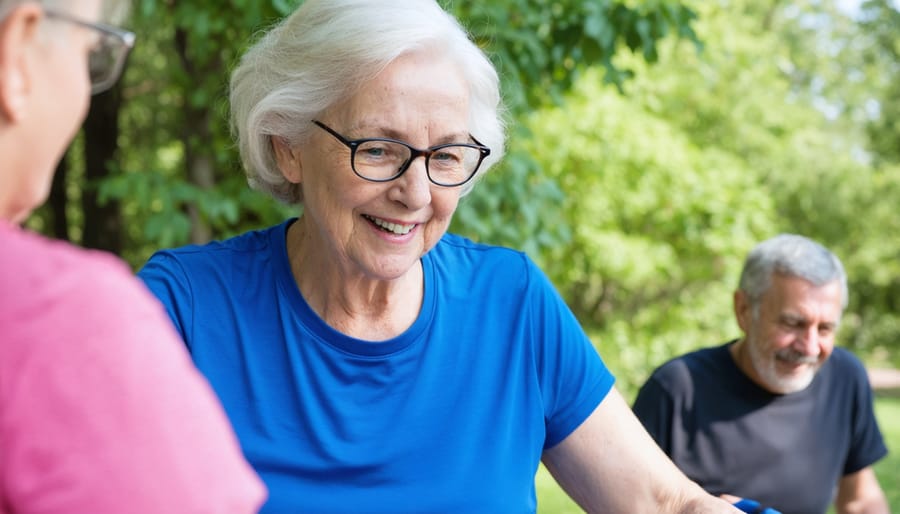
Research consistently shows that strong social connections significantly influence our physical and mental wellbeing. Studies have found that people with robust social networks typically live longer and have lower risks of heart disease, high blood pressure, and other chronic conditions. In fact, maintaining meaningful relationships can be as important for health as regular exercise and proper nutrition.
Social support plays a crucial role in stress management by reducing cortisol levels and inflammation in the body. When we interact with friends and loved ones, our bodies release oxytocin and other beneficial hormones that boost immune function and promote healing. Regular social interaction has also been linked to better cognitive function and a reduced risk of dementia in older adults.
Mental health benefits are equally significant. People with strong social bonds experience lower rates of anxiety and depression, and recover more quickly from emotional challenges. Canadian research shows that individuals who maintain regular social connections report higher levels of life satisfaction and resilience during difficult times.
The protective effects of social relationships extend across all age groups, highlighting the importance of nurturing connections throughout our lives.
The Impact on Physical Health
Immune System Benefits
Research consistently shows that strong social connections play a vital role in boosting our immune system’s function. When we maintain meaningful relationships and regular social interactions, our bodies produce higher levels of protective antibodies and maintain better inflammatory responses to potential threats.
Studies have found that people with strong social networks have more robust natural killer cell activity, which helps fight off viruses and other pathogens. This enhanced immune response is particularly important during cold and flu season and may help explain why socially connected individuals tend to recover more quickly from illnesses.
The positive effects of social connections on immunity appear to work through multiple pathways. Regular social interaction helps reduce stress hormones like cortisol, which can suppress immune function when chronically elevated. Additionally, feeling supported and connected triggers the release of oxytocin, often called the “bonding hormone,” which has anti-inflammatory properties and supports immune cell production.
Simply spending time with friends and family, participating in community activities, or joining social groups can strengthen your immune system. Even virtual connections, while not a complete replacement for in-person contact, can provide some immune-boosting benefits. This biological response to social connection highlights how our bodies are wired for human interaction and why maintaining strong relationships is crucial for overall health and wellness.
Chronic Disease Management
Living with a chronic condition can be challenging, but research shows that strong social connections play a vital role in managing long-term health conditions effectively. Studies demonstrate that when patients have robust social support systems, they’re better equipped to handle their daily health routines and maintain treatment adherence.
The way community support transforms health outcomes is particularly evident in chronic disease management. People with conditions like diabetes, heart disease, or arthritis often show improved health markers when they have regular social interactions and support from family, friends, and support groups.
Social connections help chronic disease management in several ways:
– Providing practical assistance with medication management and medical appointments
– Offering emotional support during challenging periods
– Encouraging healthy lifestyle choices and treatment compliance
– Creating accountability for health-related goals
– Reducing stress and anxiety associated with chronic conditions
Support groups and peer networks are especially valuable, as they connect individuals with others who understand their experiences firsthand. These connections can provide practical tips, coping strategies, and emotional validation that healthcare providers alone may not fully address.
For optimal disease management, it’s important to cultivate and maintain these supportive relationships actively. This might involve joining condition-specific support groups, staying connected with family and friends, and participating in community health programs.
Mental Health and Social Connection
Stress Reduction and Emotional Support
Strong social connections play a vital role in managing stress and maintaining emotional well-being. Research shows that people with robust social networks experience lower levels of stress hormones and are better equipped to handle life’s challenges. When we connect with others, our bodies release oxytocin and other beneficial chemicals that help reduce anxiety and promote feelings of calm and security.
Having supportive relationships provides numerous mental health benefits, including decreased risk of depression and improved emotional resilience. Whether it’s sharing concerns with a trusted friend, receiving a comforting hug, or simply knowing someone is there to listen, these social interactions create a protective buffer against stress.
Regular social contact also helps regulate our emotional responses and provides opportunities for processing difficult experiences. When we feel understood and supported by others, we’re more likely to develop healthy coping mechanisms and maintain emotional stability. This emotional support system becomes particularly crucial during challenging times, helping us bounce back from setbacks and maintain a positive outlook on life.
Depression and Anxiety Prevention
Strong social connections serve as a powerful shield against depression and anxiety, acting as a natural support system during life’s challenges. Research consistently shows that individuals with robust social networks experience lower rates of mental health issues compared to those who are socially isolated.
When we maintain meaningful relationships, our bodies produce more oxytocin and other mood-enhancing hormones that help regulate stress and promote emotional well-being. Regular social interaction also provides opportunities to share concerns, receive emotional support, and gain different perspectives on life’s challenges.
Studies have found that people who regularly engage with friends, family, and community members are less likely to develop clinical depression and have better outcomes when managing anxiety. This protective effect is particularly strong when relationships involve authentic, supportive connections rather than superficial interactions.
Even during difficult times, knowing that others care about our well-being creates a sense of security and belonging that can buffer against mental health challenges. Simple actions like regular check-ins with friends, participating in group activities, or joining community organizations can significantly impact our psychological resilience.

Building Stronger Community Connections
Individual Actions
Building stronger social connections starts with small, intentional steps that you can take every day. Begin by making regular phone calls or video chats with family and friends, setting aside dedicated time for meaningful conversations beyond surface-level small talk. Schedule weekly or monthly meetups with friends, whether it’s for coffee, a workout session, or a shared hobby.
Consider joining community groups or clubs that align with your interests. This could include book clubs, sports teams, volunteer organizations, or hobby-based meetups. These structured activities provide natural opportunities for building new relationships while engaging in activities you enjoy.
Practice active listening when interacting with others by maintaining eye contact, asking thoughtful questions, and showing genuine interest in their responses. Share your own experiences and feelings openly, which helps create deeper, more authentic connections.
Make an effort to be present during social interactions by putting away your phone and minimizing distractions. Small gestures like remembering important dates, checking in regularly, and offering support during difficult times help maintain and strengthen relationships.
Create opportunities for social connection in your daily routine. This might mean chatting with neighbors, participating in workplace social activities, or striking up conversations at local establishments you frequently visit. Remember that building meaningful social connections takes time and consistency, but the benefits to your overall health and wellbeing are worth the effort.
Community-Level Initiatives
Communities across Canada are implementing innovative programs to strengthen social connections and improve collective well-being. Community centers often serve as hubs for activities that bring people together, offering structured programs like group fitness classes, cooking workshops, and art projects that naturally foster social bonds.
One particularly effective approach involves connecting across generations through mentorship programs and shared learning experiences. These initiatives help reduce isolation among seniors while providing valuable life experiences for younger participants.
Neighborhood walking groups, community gardens, and local festivals create opportunities for residents to interact regularly and build lasting relationships. These programs not only strengthen social ties but also promote physical activity and healthy living habits.
Many communities have adopted digital platforms to complement in-person activities, creating hybrid social spaces that accommodate diverse needs and schedules. Online community forums and virtual meetups help maintain connections during challenging times while encouraging participants to engage in face-to-face activities when possible.
Local libraries and recreation centers frequently organize book clubs, sports leagues, and volunteer programs that bring together people with shared interests. These structured activities provide natural conversation starters and help break down social barriers, making it easier for community members to form meaningful connections.
Social connectedness theory demonstrates the profound impact our relationships and social bonds have on our overall health and well-being. The evidence is clear: strong social connections can lead to better physical health, improved mental wellness, and longer life expectancy. For Canadians looking to enhance their health, building and maintaining meaningful social relationships should be considered just as important as regular exercise and proper nutrition.
By understanding how social connections influence our health, we can take proactive steps to strengthen our social networks and improve our quality of life. Whether it’s joining community groups, regularly connecting with family and friends, or volunteering in your neighbourhood, every social interaction contributes to better health outcomes.
Remember that building social connections doesn’t have to be overwhelming. Start with small, manageable steps like reaching out to one person each week, joining an online community with shared interests, or participating in local activities. The key is to make social engagement a regular part of your health routine.
As you work to enhance your social connections, keep in mind that quality matters as much as quantity. Focus on developing authentic relationships that provide mutual support and understanding. By investing in your social well-being today, you’re making a valuable investment in your long-term health and happiness.