

When anxiety strikes during your workout or prevents you from exercising altogether, the 3-3-3 rule offers an immediate grounding technique that takes less than 60 seconds. This simple method interrupts your body’s stress response by redirecting your focus to the present moment through three specific observations: identify three things you see, three sounds you hear, and move three parts of your body.
The technique works because anxiety pulls your attention toward future worries or perceived threats, while deliberate sensory observation anchors you firmly in the here and now. Research shows that grounding exercises like the 3-3-3 rule activate your parasympathetic nervous system, the part of your body responsible for calming your fight-or-flight response. This physiological shift can reduce heart rate, steady breathing, and clear the mental fog that makes physical activity feel overwhelming.
For Canadians managing exercise-related anxiety, whether you experience pre-workout nervousness, panic during high-intensity training, or avoidance of fitness environments entirely, this rule provides a practical tool you can use anywhere without equipment or preparation. Unlike breathing exercises that some people find triggering when anxious, the 3-3-3 rule relies on external awareness rather than internal focus, making it accessible even during acute anxiety episodes. The following guide will show you exactly how to apply this technique before, during, and after workouts to build a sustainable, anxiety-informed approach to fitness.
What Is the 3-3-3 Anxiety Rule?
The 3-3-3 anxiety rule is a simple grounding technique that helps you break free from anxious thoughts by reconnecting with your immediate surroundings. When anxiety strikes, this method works by engaging your senses to shift your focus from internal worry to external reality. Here’s how it works: identify three things you can see around you, three sounds you can hear, and then move three different body parts.
This technique is one of several effective mindfulness techniques that mental health professionals recommend for managing anxiety. The psychological basis behind the 3-3-3 rule lies in how it activates your parasympathetic nervous system, which counteracts your body’s stress response. When you’re anxious, your mind often races with worrying thoughts about the future or past. By deliberately engaging your senses, you bring your attention to the present moment, making it difficult for anxiety to maintain its grip.
The power of this approach comes from sensory engagement. Naming what you see forces you to observe your environment consciously. Identifying sounds requires active listening, which shifts mental resources away from anxious thinking. Moving body parts like rotating your ankles, rolling your shoulders, or wiggling your fingers creates a physical connection that grounds you in your body rather than your racing thoughts.
This method is particularly effective because it’s accessible anywhere and requires no special tools or preparation. Whether you’re at the gym feeling pre-workout jitters or experiencing anxiety during daily activities, you can use this technique immediately. Research shows that grounding techniques like the 3-3-3 rule interrupt the anxiety spiral by redirecting neural pathways, effectively hitting a mental reset button that allows you to regain control and continue with your day.
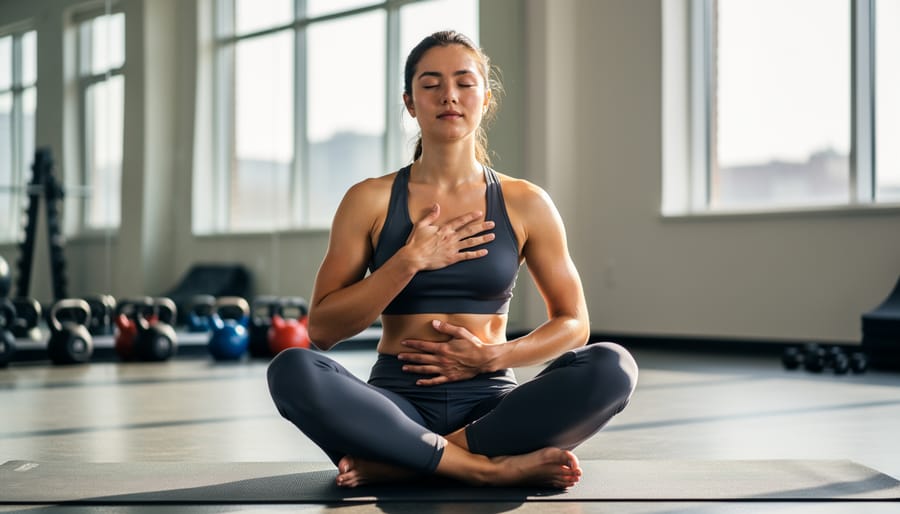
Why Anxiety and Exercise Don’t Always Mix
Exercise is widely recognized as a powerful tool for reducing anxiety, with research consistently showing that regular physical activity can lower stress hormones and boost mood-enhancing endorphins. However, many Canadians discover an uncomfortable truth: while exercise helps anxiety in the long run, it can actually trigger anxious feelings during and immediately after workouts. Understanding this paradox is essential for developing effective gym anxiety strategies.
The challenge stems from several common triggers that can make exercise feel overwhelming rather than therapeutic. Performance pressure tops the list, whether you’re comparing yourself to others at the gym, worrying about doing exercises correctly, or feeling like you’re not working hard enough. These concerns can transform what should be a positive experience into a source of stress.
Crowded fitness environments present another significant hurdle. Busy gyms with unfamiliar equipment, packed group fitness classes, or even joggers on popular trails can trigger social anxiety and feelings of self-consciousness. For many people, the fear of being watched or judged becomes a major barrier to consistent exercise.
Body image concerns further complicate the relationship between anxiety and physical activity. Wearing workout clothes, exercising in front of mirrors, or feeling uncomfortable in your own skin can generate significant distress that overshadows the benefits of movement.
Perhaps most confusing is how the physical sensations of exercise can mimic anxiety symptoms. Increased heart rate, rapid breathing, sweating, and muscle tension are normal responses to physical exertion, but for someone prone to anxiety, these sensations can feel alarmingly similar to a panic attack. This similarity can create a feedback loop where your body misinterprets healthy exercise responses as danger signals, potentially triggering genuine anxiety.
Recognizing these triggers doesn’t mean avoiding exercise altogether. Instead, understanding why anxiety sometimes surfaces during workouts empowers you to develop targeted coping strategies that allow you to maintain an active lifestyle while managing these uncomfortable feelings effectively.
How to Use the 3-3-3 Rule Before Your Workout
Creating Your Pre-Workout Routine
Integrating the 3-3-3 rule into your pre-workout routine takes just a few minutes and can significantly reduce exercise-related anxiety. Start by arriving at your workout location five minutes early to give yourself time without rushing.
Begin with the visual step: Look around and name three things you see. At home, this might be your yoga mat, water bottle, and a window. At the gym, identify the weight rack, treadmill, and exit sign. This grounds you in your environment and shifts focus away from anxious thoughts.
Next, tune into three sounds. Listen for the hum of a fan, music playing, or your own breathing. In a gym setting, you might notice equipment clanking, footsteps, or background conversations. This auditory awareness keeps you present.
Finally, move three body parts. Roll your shoulders back three times, rotate your ankles, and do three gentle neck rolls. These movements activate your body-mind connection while serving as a natural transition into your warm-up.
Practice this sequence before each workout for two weeks. Many Canadians report that it becomes an automatic ritual that signals their body it’s time to exercise while keeping anxiety manageable. The technique works whether you’re preparing for cardio, strength training, or group fitness classes.
Setting Realistic Expectations
The 3-3-3 rule helps shift your attention from worrying about workout results to simply being present in the moment. When you focus on naming what you see, hear, and can move, you’re concentrating on the process of exercise rather than anxiously measuring your performance. This approach is particularly helpful if you find yourself stressed about hitting certain fitness targets or comparing yourself to others at the gym. Instead of fixating on whether you’ll complete every rep perfectly or match your previous personal best, the technique grounds you in what your body is actually doing right now. This mindset reduces performance pressure and allows exercise to become a more positive experience. Research shows that focusing on the immediate experience rather than distant outcomes can lower stress hormones and increase enjoyment during physical activity. By practicing this grounding method regularly, you’ll likely find that your fitness progress happens naturally as a byproduct of consistent, anxiety-free participation rather than forced achievement.
Applying the 3-3-3 Rule During Exercise
For Cardio Workouts
Cardio workouts often trigger anxiety because your heart rate naturally increases, which can feel similar to anxiety symptoms. When running outdoors, if you notice your breathing becoming rapid and anxiety building, pause mid-stride and name three sounds you hear—perhaps birds chirping, leaves rustling, or distant traffic. Then identify three things you see, like a red mailbox, a parked car, or a tree, and move three body parts by rolling your shoulders, rotating your ankles, and shaking out your hands.
During indoor cycling classes, the high-energy environment and mirrored walls can intensify anxious feelings. Apply the rule by focusing on three visual points in the room, listening for three distinct sounds like the music beat, the instructor’s voice, and bike resistance clicks, then subtly adjust your posture in three ways.
In group fitness classes where social anxiety might spike, this grounding technique helps redirect your focus from self-conscious thoughts to present-moment awareness. The beauty of the 3-3-3 rule during cardio is that it works seamlessly without interrupting your workout rhythm, allowing you to maintain physical activity while managing anxiety effectively.
For Strength Training
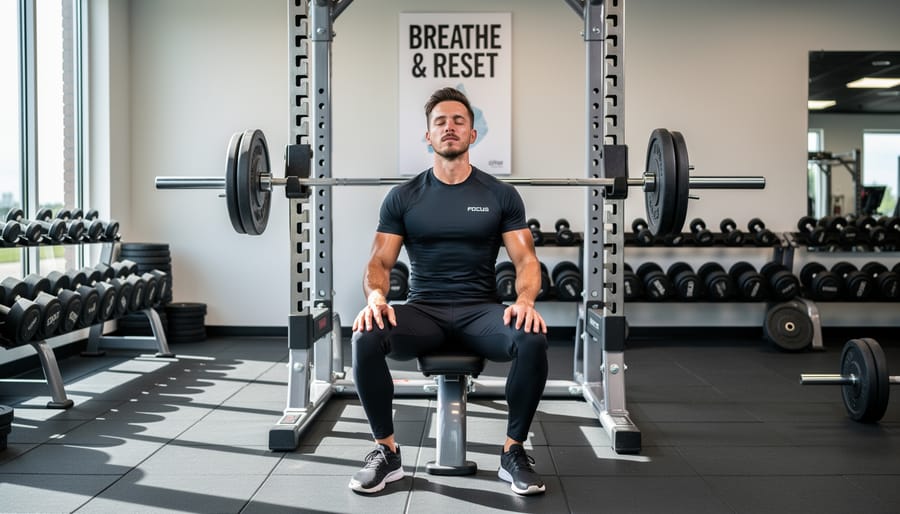
Strength training can trigger self-doubt, especially when attempting heavier weights or learning new movements. The 3-3-3 rule offers a quick mental reset between sets or when anxiety surfaces mid-workout.
When facing a challenging lift, pause and identify three things you can see in the gym (the weight rack, your water bottle, a clock), three sounds you hear (music, weights clanking, breathing), and perform three simple movements (shoulder rolls, ankle rotations, deep breaths). This 30-second practice grounds you in the present moment rather than anxious thoughts about performance or injury.
Between sets, use this technique to prevent anxiety from building. Instead of focusing on whether you can complete the next set, engage your senses to stay present. Many Canadian fitness trainers recommend this approach for clients who experience gym anxiety or fear of failure.
The rule works particularly well during rest periods because it prevents overthinking while keeping you mentally connected to your workout, helping you approach each set with a clearer, calmer mindset.
For Yoga and Mind-Body Practices
Yoga and mind-body practices already emphasize present-moment awareness, making them natural partners for the 3-3-3 rule. When anxiety surfaces during practice, perhaps when attempting a challenging pose or sitting in meditation, pause and name three things you see in your space, three sounds you hear, and move three body parts gently. This technique aligns beautifully with yoga’s foundation of breath and body awareness. The 3-3-3 rule essentially guides you back to your mat mentally when your mind wanders into worry. Research shows combining grounding techniques with regular mind-body practices creates stronger anxiety management skills over time. Consider incorporating the rule during transitions between poses or at the start of your practice to establish a calm baseline. This approach validates that anxiety can appear even in calming activities and gives you an immediate, practical tool that complements rather than replaces your existing mindfulness routine.
Building a Fitness Routine That Supports Mental Health
Choosing Anxiety-Reducing Exercise Types
Research consistently shows that certain exercise types are particularly effective for anxiety reduction. For Canadians looking to maximize mental health benefits, rhythmic activities like walking, swimming, and cycling create a meditative effect that calms racing thoughts. These repetitive movements help regulate breathing patterns and promote relaxation.
Outdoor workouts offer added advantages for anxiety management. A Canadian study found that exercising in natural settings, from urban parks to forest trails, significantly lowers cortisol levels compared to indoor activities. The combination of fresh air, natural light, and green spaces enhances how exercise reduces anxiety.
Moderate-intensity exercise appears most beneficial for anxiety relief. Aim for activities where you can still hold a conversation but feel your heart rate increase. This sweet spot, typically 50-70% of your maximum heart rate, triggers endorphin release without overwhelming your nervous system. High-intensity workouts can sometimes spike anxiety in sensitive individuals, so listen to your body and adjust accordingly. Group classes, yoga, and brisk walking consistently rank among the most anxiety-reducing options for Canadians.

Timing and Consistency Over Intensity
When managing anxiety through exercise, consistency matters more than intensity. Research shows that regular, moderate physical activity—about 30 minutes most days of the week—provides greater anxiety relief than occasional high-intensity workouts. This approach works because moderate exercise helps regulate your body’s stress response system without triggering additional cortisol spikes that intense sessions can cause.
Think of it like taking medication: a steady, predictable dose works better than irregular, large amounts. Your nervous system thrives on routine. When you exercise at a moderate pace consistently, your body learns to anticipate and respond positively to this stress, building resilience over time. You’re essentially training your anxiety response to become more balanced.
For Canadians managing anxiety, this might mean choosing a brisk 20-minute walk during lunch rather than waiting for weekend marathon training sessions. Activities like swimming, cycling at a comfortable pace, or gentle yoga practiced regularly create a foundation of calm. The key is sustainability—you’re more likely to maintain a moderate routine long-term, which compounds the mental health benefits. If you miss a day, simply return to your schedule without judgment. This forgiving approach reduces exercise-related anxiety while maximizing the calming effects of consistent movement.
When the 3-3-3 Rule Isn’t Enough
While the 3-3-3 rule and breathing exercises can be valuable tools for managing everyday anxiety, they’re not a complete solution for everyone. These grounding techniques work best for mild to moderate anxiety symptoms and shouldn’t replace professional mental health support when needed.
Consider reaching out to a healthcare provider if you experience persistent anxiety that interferes with daily activities, panic attacks that feel unmanageable, physical symptoms like chest pain or difficulty breathing, or if you’re avoiding exercise and activities you once enjoyed. These signs suggest you may benefit from professional guidance.
Canadians have access to several mental health resources. Your family doctor can provide referrals to mental health specialists. Wellness Together Canada offers free mental health and substance use support, including counseling and self-guided programs. Many provinces also provide dedicated mental health helplines staffed by trained professionals.
Think of the 3-3-3 rule as one tool in your wellness toolkit rather than a standalone solution. It can complement professional treatment, medication, therapy, and other evidence-based approaches. There’s no shame in seeking help; combining professional support with practical techniques like grounding exercises often provides the most effective path forward. Your mental health deserves the same attention and care as your physical fitness.
Managing anxiety through fitness is a skill that improves with consistent practice, not something you’ll master overnight. The beauty of the 3-3-3 rule lies in its simplicity and accessibility. You can start using it today, during your next walk, yoga session, or gym workout, without any special equipment or training.
Remember to be patient with yourself as you learn to integrate this grounding technique into your exercise routine. Some days it will feel natural and effective, while other times your mind may wander more than usual. Both experiences are completely normal. What matters most is that you’re taking active steps to support both your physical and mental health.
The combination of evidence-based mental health techniques like the 3-3-3 rule with regular physical activity creates a powerful foundation for sustainable wellness. Research consistently shows that this integrated approach helps reduce anxiety symptoms more effectively than either strategy alone.
Start small if you’re new to exercise or managing workout-related anxiety. Even a 10-minute walk while practicing the 3-3-3 rule can make a meaningful difference. As your confidence grows, you’ll find it easier to maintain your fitness routine and manage anxious moments when they arise.