

Your resiliency zone is the sweet spot where stress sharpens your focus without overwhelming your system. It’s the range between under-stimulated boredom and panicked shutdown where you can process challenges, make decisions, and recover naturally. When stress from work deadlines, family demands, or health concerns keeps you balanced within this zone, you bounce back faster and build lasting stress resilience. Outside this zone, you might freeze, lose concentration, or feel emotionally flooded.
Nature-based practices expand your resiliency zone by regulating your nervous system through proven pathways: sensory engagement, rhythmic movement, and attention restoration. Research shows that spending time outdoors lowers cortisol, reduces rumination, and improves heart rate variability, all markers of a well-regulated stress response. For Canadians facing seasonal shifts, limited daylight in winter, and vast geographic distances between urban centres and wilderness, this creates both opportunities and challenges.
This guide breaks down exactly how to use accessible nature exposure to widen your resiliency zone, starting with five-minute practices you can do in your backyard or local park. You’ll learn which sensory techniques work fastest, how to adapt methods across Canadian seasons, and how to recognize when you’ve moved out of your zone so you can course-correct. No expensive gear or remote locations required. The goal is building your capacity to handle everyday stress without tipping into overwhelm.
Understanding Your Resiliency Zone
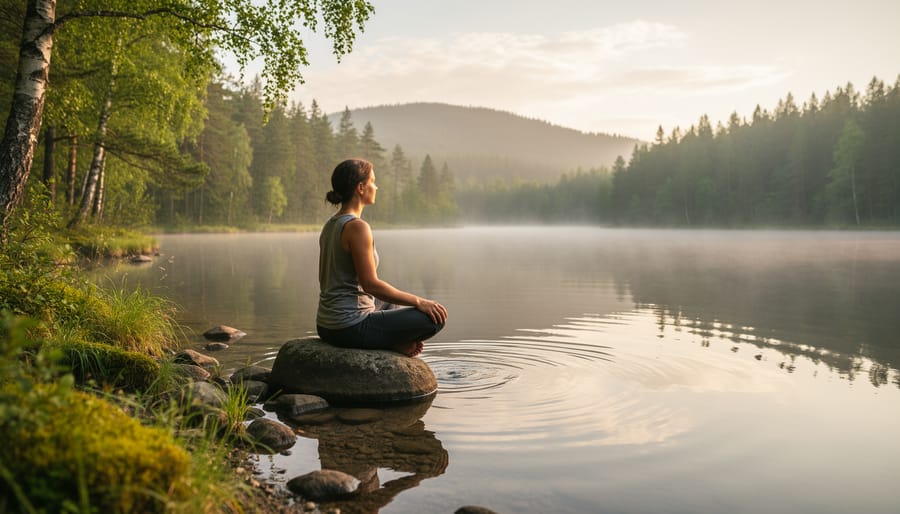
Your resiliency zone is the functional sweet spot where stress exists but doesn’t overwhelm you. Think of it as the space between boredom and panic where you can respond thoughtfully rather than react automatically. Within this zone, your nervous system remains flexible enough to handle daily demands, unexpected challenges, and emotional intensity without tipping into freeze, fight, or flight mode.
The zone operates through your autonomic nervous system, which governs the mind-body stress response. When you’re in the zone, your parasympathetic (rest) and sympathetic (activation) systems maintain dynamic balance. You feel alert but calm, engaged but not frantic. Your heart rate stays steady, breathing remains natural, and your prefrontal cortex stays online for decision-making.
Chronic stress acts like sandpaper on this zone, gradually wearing it thinner. When stress becomes constant, your nervous system stays vigilant, narrowing the range of experiences you can tolerate before spiraling into overwhelm or shutdown. What once felt manageable now triggers disproportionate reactions. Your system loses elasticity.
This shrinkage explains why burned-out people often swing between anxiety and exhaustion with little middle ground. The buffer disappears. Expanding your resiliency zone rebuilds that buffer through repeated exposure to safe, regulated challenges that teach your nervous system it can flex without breaking. Nature-based practices work because they provide exactly this type of gentle, rhythmic stress exposure while simultaneously activating rest-and-digest pathways. The wider your zone, the more life you can engage with before hitting your edges.
What You’ll Need to Get Started
You don’t need much to start building your resiliency zone through nature connection. Unlike many wellness practices that demand specialized equipment or expensive memberships, nature-based stress resilience works with what you already have or can access for free. The barrier to entry is remarkably low.
Here’s what will genuinely help:
- Weather-appropriate clothing for Canadian conditions: layerable pieces, a rain jacket, and winter gear if practicing year-round
- Access to any green space: a local park, walking trail, backyard, balcony with plants, or even a room with houseplants
- A way to track observations: phone notes app, small notebook, or voice memos
- 10-30 minute time blocks in your schedule, ideally at consistent times
- Optional: comfortable walking shoes, water bottle, sunscreen and insect repellent for warmer months
That’s it. You don’t need hiking boots, fancy outdoor gear, or wilderness access. A city park bench works as well as a forest trail for initial practices. The clothing you’d wear for a regular walk outside is sufficient.
The tracking tool matters more than you might think. Documenting brief notes about your state before and after nature exposure helps you recognize patterns and progress. It doesn’t need to be elaborate: “felt tense, walked 15 min, calmer” tells you what you need to know. This simple feedback loop shows you what’s working and keeps you accountable without adding pressure.
Start with whatever green space you can reach within 10 minutes of your home or workplace. Proximity beats perfection when you’re building a sustainable practice.
Safety and When to Pause
Before you begin expanding your resiliency zone, it’s crucial to recognize when outdoor practice becomes counterproductive or unsafe. Building stress tolerance requires working within your zone, not pushing past it recklessly.
Environmental hazards vary significantly across Canada’s regions and seasons. Check Environment Canada’s Air Quality Health Index before heading outdoors, particularly during summer wildfire season when smoke can trigger respiratory distress and worsen anxiety symptoms. Extreme temperatures present risks at both ends: heat warnings above 30°C combined with humidity can cause heat exhaustion, while wind chills below -25°C require careful preparation beyond casual nature connection. Postpone outdoor practices during severe weather warnings, including thunderstorms, ice storms, and blizzard conditions common from November through March.
Physical safety considerations include tick prevention in wooded areas from April through October, especially in southern Ontario, Manitoba, and the Maritimes where Lyme disease is established. Wear light-colored long clothing, use DEET repellent, and conduct full-body tick checks after woodland walks. Sun protection matters year-round, Canada’s northern latitude doesn’t reduce UV intensity as much as people assume, and snow reflection in winter amplifies exposure.
These responses indicate your nervous system is overwhelmed rather than building resilience. Scale back to gentler practices like the body scan technique indoors before returning outdoors, or seek support from a mental health professional trained in somatic or trauma-informed approaches. Nature-based resiliency building works alongside professional care, not as a replacement for it, particularly if you’re managing PTSD, severe anxiety disorders, or active crisis situations.
Step-by-Step: Building Your Nature-Based Resiliency Practice
Step 1: Establish Your Baseline
Before you can expand your resiliency zone, you need to map where it currently sits. Spend three to five days simply observing your stress responses without trying to change them.
Notice what pushes you toward your edges. Does a packed inbox trigger tension in your shoulders? Do household conflicts leave you irritable for hours? Write down specific situations that activate your stress response and rate their intensity on a scale of one to ten.
Track your recovery time too. After a stressful event, how long until you feel grounded again? Twenty minutes? Three hours? This recovery window reveals your zone’s current width.
Ask yourself these assessment questions each evening: What was the most stressful moment today? How did my body respond? When did I feel calm and capable? What helped me return to baseline?
You’re looking for patterns, not judgments. Some people have a wide zone that handles multiple stressors simultaneously. Others operate in a narrower band where even minor disruptions feel overwhelming. Neither is wrong. Your baseline is simply your starting point, and three days of honest tracking will show you exactly where that is.
Step 2: Start with Grounding Practices

Your first grounding practice should feel easy, almost too simple. Pick a familiar outdoor spot, your backyard, a neighborhood park, or even a quiet street corner with a tree. You’re aiming for zero novelty stress here.
The 5-4-3-2-1 technique works well outdoors: name five things you see (cloud shapes, leaf patterns, bird movement), four you can touch (rough bark, cool grass, smooth stone), three you hear (wind, traffic hum, rustling branches), two you smell (damp earth, pine, cut grass), and one you taste (morning air, a mint leaf). This sensory inventory pulls your attention out of your head and into your body, signaling your nervous system that you’re safe enough to scan the environment.
Barefoot walking on grass for even three minutes activates pressure receptors in your feet, grounding you literally and neurologically. Sitting with your spine against a tree trunk provides a stable reference point your body can lean into.
These practices flip your autonomic nervous system from sympathetic (fight-or-flight) to parasympathetic mode. Pair any of these with calming breathing four counts in, six out, to amplify the effect. Start with five minutes. You’re teaching your system that you can handle being present without bracing against what comes next.
Step 3: Build Consistency with Forest Bathing
Once you’re comfortable with grounding basics, forest bathing (shinrin-yoku) gives you a structured way to deepen your practice. This isn’t hiking or exercise, it’s intentional sensory immersion in wooded settings.
Start with 20-minute sessions, two to three times weekly. Pick any treed area: a city park with mature trees, a conservation trail, or even a wooded section of your neighbourhood. Distance doesn’t matter. You might cover only 200 metres in 20 minutes, and that’s perfect.
Walk slowly, pausing frequently. Let your eyes soften and widen your gaze to take in the whole scene rather than focusing on one point. Notice tree bark textures, leaf patterns, the way light filters through branches. Listen for bird calls, rustling leaves, or distant water. Smell pine resin, damp earth, or decaying wood.
When your mind wanders to your to-do list (it will), gently redirect attention to one sense, touch the moss on a tree trunk, watch clouds move through the canopy, or feel temperature changes in shaded spots versus sun patches. This repeated return to sensory input trains your nervous system to stay present under mild stress, gradually widening your resiliency zone through consistent practice.
Step 4: Add Gentle Challenge Practices
Once your baseline practice feels comfortable, it’s time to gently stretch your resiliency zone through controlled challenge. This works on the hormetic stress principle, small, manageable stressors that strengthen your system rather than overwhelm it.
Think of it like building physical fitness: you wouldn’t jump from couch to marathon. The same applies to stress tolerance. Mild outdoor challenges teach your nervous system that discomfort doesn’t equal danger, gradually widening the range of conditions you can handle without triggering a full stress response.
Start with brief cold exposure during Canadian winters. Begin with just five minutes outside in temperatures slightly below your comfort threshold, properly dressed but not over-bundled. Notice the initial shock, then how your body adapts. This trains your stress response to activate and then settle, exactly what you need when life throws curveballs.
Varied terrain walking offers another low-risk challenge. Trade flat paved paths for gentle hills or uneven forest trails. The physical demands are higher, requiring more attention and balance, which engages different stress-regulation systems.
Weather tolerance practice means going outside in light rain or wind instead of waiting for perfect conditions. Twenty minutes in drizzle won’t harm you, but it will teach your system that slightly adverse conditions are manageable.
The key: choose one challenge type, keep sessions brief, and ensure you can easily return to safety.
Step 5: Create a Nature Anchor Routine
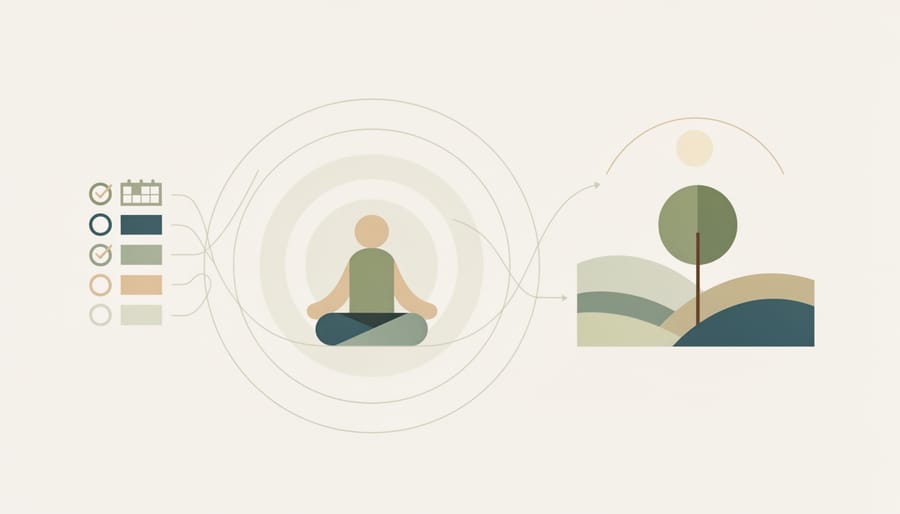
The most effective resiliency practice is the one you’ll actually maintain. Your nature anchor routine serves as a non-negotiable touchpoint that keeps your nervous system calibrated regardless of life’s chaos.
Choose a specific time slot that fits your existing schedule. Morning yard time before coffee works for early risers. A 15-minute lunch-break park visit suits office workers. Weekend trail walks anchor those with unpredictable weekdays. Consistency matters more than duration, three 10-minute sessions weekly outperform sporadic hour-long attempts.
Adapt your anchor to Canadian seasons rather than abandoning it. Winter anchors might shift from trail walks to bundled-up backyard observation or even deliberate cold exposure practice. Spring mud season calls for waterproof boots and shorter routes. Summer heat means early morning or evening timing. Fall becomes ideal for extended practice as temperatures moderate.
Build seasonal flexibility into your routine by identifying backup locations. Your primary spot might be a nearby forest trail, with a local park as your rain alternative and your own yard for extreme weather days. This prevents the all-or-nothing thinking that derails consistency when conditions aren’t perfect.
Track your anchor routine for 30 days to establish the habit, then let it become automatic.
How to Know It’s Working
You’ll notice your resiliency zone expanding through concrete changes in how your body and mind respond to everyday stressors. The shifts often appear in subtle patterns before you consciously register improvement.
Watch for these signs that your practice is working:
- You bounce back from frustrating situations within hours instead of days
- Morning anxiety or racing thoughts decrease in frequency and intensity
- Better sleep quality, including falling asleep faster and fewer middle-of-night wakings
- Small annoyances (traffic, work emails, family conflicts) trigger less physical tension
- You can handle multiple stressors in a day without feeling completely depleted
- Your capacity for uncertainty and change increases noticeably
Track your progress with simple tools: rate your stress recovery speed daily on a 1-5 scale in your phone notes, or jot down weekly observations about which situations felt more manageable. Don’t rely on memory alone; your baseline shifts as you improve, making gains harder to recognize without records.
Realistic timelines matter. Most people notice initial changes around weeks two to four, typically improved sleep or slightly faster emotional recovery. Measurable zone expansion, where you consistently handle stressors that previously overwhelmed you, usually appears between weeks eight and twelve with regular practice.
If you’re not seeing changes after six weeks, reassess your consistency and whether you’re actually spending focused time outdoors versus just being outside while mentally elsewhere. Consider increasing frequency to daily short sessions rather than sporadic longer ones.
Next steps for deepening your practice include extending session length to 45-60 minutes, exploring new natural environments to prevent habituation, or adding elements like nature journaling or photography to strengthen attentional engagement.
Common Questions About Resiliency Zone Practice
Do urban parks work as well as wilderness for building resiliency?
Yes. Research shows that even small green spaces in cities produce measurable stress reduction and nervous system regulation. A neighbourhood park with trees, a ravine trail, or a quiet corner with grass and plantings will support resiliency zone expansion just as wilderness does, though you may need slightly longer exposure times in highly urban settings.
How can I practice during Canadian winters?
Winter practice is viable with proper clothing. Brief outdoor sessions of 10-15 minutes work well for cold exposure benefits, while indoor alternatives like caring for houseplants, sitting near a window with natural light, or visiting botanical gardens maintain the routine when temperatures drop below your comfort threshold.
What if I have very limited access to nature?
Start with what you have. A balcony with potted plants, a view of the sky, a single tree on your street, or even tending indoor plants provides some benefit. Prioritize consistency with minimal nature contact over infrequent trips to larger natural areas.
Can this replace therapy or medication?
No. Nature-based resiliency practices complement professional mental health treatment but don’t substitute for it. Think of this approach as one tool that works alongside counselling, medication, or other interventions your healthcare provider recommends.
Many people wonder whether they need hours in remote wilderness to see results. You don’t. A 20-minute walk in a treed city park three times weekly will produce noticeable changes in stress tolerance within a month. The key is regular exposure to living things, not distance from civilization.
Indoor plants do provide measurable benefits, particularly for air quality and visual connection to nature, but they work best as supplements rather than replacements for outdoor time. Caring for plants engages your attention and offers a daily nature anchor when weather or mobility limits prevent outdoor practice. Combining indoor plant care with whatever outdoor access you have maximizes your resiliency building.
This practice integrates smoothly with other stress management approaches. Use nature time as your foundation, then layer breathwork, meditation, exercise, or social connection on top. The nervous system regulation from nature exposure often makes other techniques more effective because you’re starting from a calmer baseline.
Building your resiliency zone through nature isn’t about achieving perfection or following a rigid protocol. It’s a personalized practice that unfolds differently for everyone, shaped by your environment, schedule, and current capacity. Some people notice shifts within weeks; others need months of consistent exposure before their stress tolerance widens noticeably.
Start with whatever feels manageable, even five minutes in your backyard counts. Track what you try and how you feel afterward, then adjust your approach based on what actually helps rather than what you think should work. Your resiliency zone will expand incrementally, not overnight, as your nervous system gradually recalibrates through repeated nature contact.
If you’re working through trauma, severe anxiety, or depression, these practices complement professional support rather than replacing it. Talk with your therapist about integrating nature-based techniques into your existing treatment plan. Mental health professionals increasingly recognize outdoor exposure as a valuable tool within comprehensive care.
The goal is sustainable stress resilience built through small, repeated choices. You’re not trying to eliminate stress, you’re expanding your capacity to handle it without breaking down.