
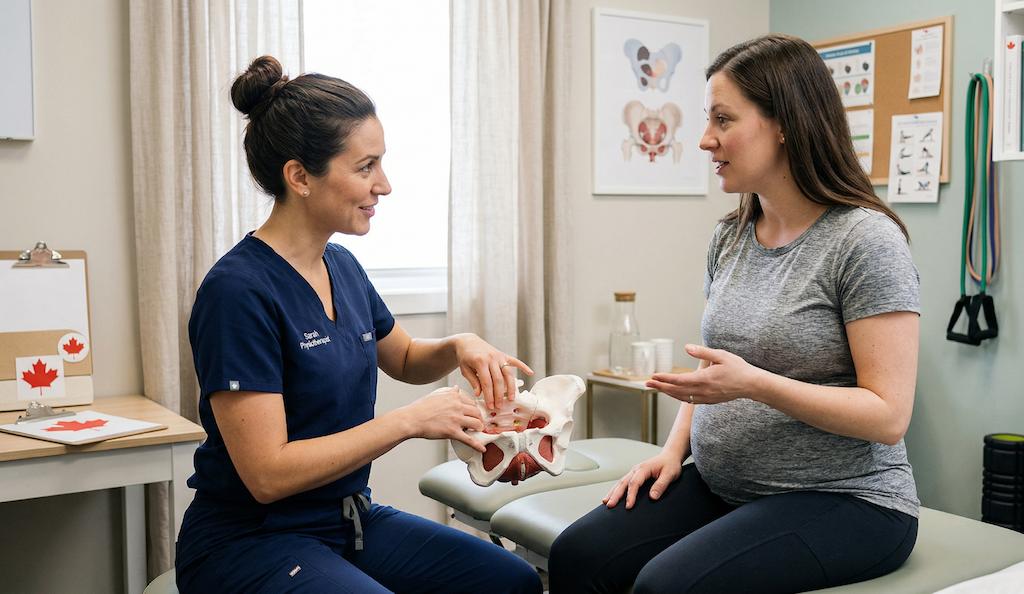
Women’s health in Canada covers many important areas, but one topic that still doesn’t get enough attention is pelvic floor health. From pregnancy and childbirth to menopause and everyday life, the pelvic floor muscles play a critical role in bladder control, bowel function, sexual health, and core stability. When these muscles become weak, tight, or uncoordinated, it can lead to a range of uncomfortable and sometimes embarrassing problems.
Fortunately, pelvic floor physiotherapy has become one of the most effective, evidence-based solutions available. This specialized form of physiotherapy focuses specifically on the muscles, ligaments, and connective tissues of the pelvic region. It helps women address issues such as urinary incontinence, pelvic organ prolapse, pelvic pain, and recovery after childbirth. In growing communities like Langley, British Columbia, access to quality pelvic floor physiotherapy Langley is helping more women regain confidence and improve their quality of life.
Despite its proven benefits, many women still suffer in silence, unaware that effective, non-surgical treatment options exist. This article explores why pelvic floor health deserves more attention and how specialized physiotherapy is making a real difference for women across Canada.
What Is the Pelvic Floor and Why Does It Matter?
The pelvic floor is a group of muscles, ligaments, and connective tissues that form a hammock-like structure at the base of the pelvis. These muscles support the bladder, uterus, and bowel, while also playing a key role in sexual function and core stability.
For women, the pelvic floor undergoes significant stress at different life stages. Pregnancy and vaginal delivery can stretch and sometimes damage these muscles. Hormonal changes during menopause can reduce tissue elasticity. High-impact activities, chronic constipation, obesity, and even prolonged sitting can all contribute to pelvic floor dysfunction.
When the pelvic floor is not functioning properly, common symptoms include leaking urine when coughing, sneezing, or exercising (stress incontinence), urgency or frequency issues, pelvic heaviness or pressure, pain during intercourse, and lower back or hip discomfort. According to Canadian health data, up to 1 in 3 women experience some form of urinary incontinence in their lifetime, with rates increasing significantly after childbirth and during menopause.
Common Pelvic Floor Issues Faced by Canadian Women
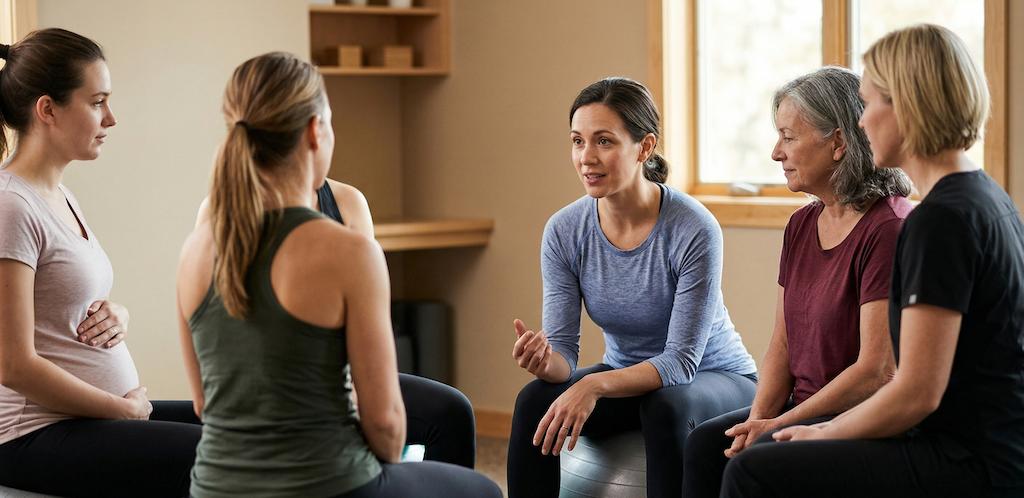
Pelvic floor dysfunction is far more common than many realize. Postpartum women often struggle with recovery after delivery, with studies showing that nearly 30% continue to experience urinary incontinence three months after giving birth. During perimenopause and menopause, declining estrogen levels can lead to thinner, less elastic tissues, increasing the risk of prolapse and discomfort.
Athletes and active women are not immune either. High-impact sports such as running, CrossFit, and weightlifting can place extra pressure on the pelvic floor, sometimes leading to leakage or pain if the muscles are not properly trained or rehabilitated.
In addition to physical symptoms, many women report a significant emotional impact, feelings of embarrassment, reduced confidence, and even avoidance of social or physical activities. This is why early intervention through pelvic floor physiotherapy is so important.
What Is Pelvic Floor Physiotherapy?
Pelvic floor physiotherapy is a specialized area of physiotherapy that focuses on assessing and treating the muscles of the pelvic floor. Unlike general physiotherapy, it involves internal and external assessment techniques (with full consent and draping) to evaluate muscle strength, tone, coordination, and endurance.
Treatment plans are highly individualized and may include:
- Targeted pelvic floor muscle exercises (often called Kegels, but performed correctly)
- Manual therapy and myofascial release
- Biofeedback and electrical stimulation
- Breathing and relaxation techniques
- Education on bladder and bowel habits
- Core and postural retraining
The goal is not just to strengthen the muscles, but to restore proper function, coordination, and endurance so the pelvic floor can support daily activities without symptoms.
How Pelvic Floor Physiotherapy Helps at Different Life Stages
For pregnant and postpartum women, pelvic floor physiotherapy can significantly improve recovery outcomes. Research in Canada shows that women who receive targeted physiotherapy after delivery have better continence rates and faster return to normal function compared to those who do not.
During menopause, pelvic floor physiotherapy helps manage symptoms related to tissue changes and reduced estrogen. Many women find relief from urgency, frequency, and discomfort through a combination of strengthening, relaxation techniques, and lifestyle modifications.
Even for women who have never given birth, pelvic floor physiotherapy can address issues caused by chronic straining, heavy lifting, or high-impact exercise. In communities like Langley, BC, pelvic floor physiotherapy Langley services are helping women of all ages from new mothers to active professionals and those navigating menopause regain control and comfort.
The Benefits of Seeking Specialized Care
One of the biggest advantages of pelvic floor physiotherapy is that it is non-invasive and drug-free. Many women achieve excellent results without needing surgery or medication. Treatment is also highly personalized. What works for a 32-year-old postpartum runner may be very different from what helps a 58-year-old woman experiencing menopausal changes.
Canadian studies have shown strong success rates. For example, supervised pelvic floor muscle training has been shown to reduce stress urinary incontinence episodes by up to 70% in many women. For those with pelvic pain conditions such as endometriosis or interstitial cystitis, a combination of manual therapy and relaxation techniques often brings meaningful relief.
Beyond physical improvements, many women report increased confidence, better sleep (due to fewer nighttime bathroom trips), and a renewed ability to participate in exercise and social activities without worry.
Breaking the Silence: Why More Women Should Seek Help
Despite how common pelvic floor issues are, stigma and embarrassment still prevent many women from seeking help. They may assume symptoms are “normal” after childbirth or with age, or they feel uncomfortable discussing these private matters.
Healthcare professionals and public health campaigns in Canada are working to change this narrative. Pelvic floor health is just as important as cardiovascular health or bone health. The earlier women seek assessment and treatment, the better the outcomes tend to be.
In suburban and growing communities across British Columbia and beyond, accessible specialized care is becoming more available, making it easier for women to get the support they need without long travel times.
Practical Steps Women Can Take for Better Pelvic Floor Health
While professional physiotherapy is often the most effective route, there are also daily habits that support pelvic floor function:
- Practice proper breathing techniques (avoid breath-holding during lifts or exertion)
- Maintain a healthy weight to reduce pressure on the pelvic floor
- Stay hydrated and avoid constipation through good diet and fibre intake
- Incorporate gentle core and glute strengthening exercises
- Avoid high-impact activities until the pelvic floor is properly assessed and strengthened
Working with a trained pelvic floor physiotherapist ensures these habits are done correctly and safely.
The Future of Women’s Pelvic Health in Canada
As awareness continues to grow, pelvic floor physiotherapy is becoming a standard part of women’s healthcare rather than a last resort. More clinics are offering specialized services, and public education efforts are helping remove the stigma surrounding these issues.
For women across Canada whether in urban centres, suburban neighbourhoods like Langley, or smaller communities better pelvic floor health means greater freedom, confidence, and quality of life.
If you’re experiencing any symptoms related to bladder control, pelvic pressure, pain, or discomfort, know that effective help is available. Speaking with a qualified pelvic floor physiotherapist could be the first step toward feeling like yourself again.
Frequently Asked Questions
How do I know if I need pelvic floor physiotherapy?
If you experience leaking urine when coughing, sneezing, or exercising, pelvic pressure, pain during intercourse, or difficulty controlling gas or bowel movements, it’s worth getting assessed. Many issues can be significantly improved with physiotherapy.
Is pelvic floor physiotherapy only for women who have had children?
No. Women who have never given birth can also benefit, especially if they participate in high-impact sports, struggle with constipation, or experience pelvic pain.
Does pelvic floor physiotherapy involve internal examinations?
Yes, when appropriate and with full consent. Internal assessment allows the physiotherapist to accurately evaluate muscle tone, strength, and coordination. External techniques are always used first, and patient comfort is the priority.
How long does it usually take to see results from pelvic floor physiotherapy?
Many women notice improvements within 4–6 weeks of starting treatment, though full recovery can take 3–6 months depending on the severity of the issue and consistency with the home program.