

Chronic pain doesn’t just hurt your body—it rewires how your brain processes emotions, leading to depression in 35-45% of those affected and anxiety disorders in up to 60% of cases. This connection runs deeper than simple frustration with physical limitations. When pain persists beyond three months, your nervous system remains in constant alert mode, flooding your body with stress hormones that directly alter brain chemistry and shrink regions responsible for mood regulation and decision-making.
Women experience this mental health impact differently than men, facing nearly double the rates of chronic pain conditions and reporting more severe emotional consequences. Hormonal fluctuations, differences in pain processing pathways, and higher rates of trauma history create unique vulnerabilities that standard treatment approaches often miss. Men, meanwhile, tend to internalize their struggles and delay seeking help, leading to social isolation and increased suicide risk.
The encouraging reality is that addressing chronic pain’s mental health effects works best through integrated care. Research shows that combining pain management with psychological support reduces depression symptoms by 40-50% more effectively than treating either condition alone. Cognitive behavioral therapy, mindfulness practices, and gentle movement therapies help retrain both your pain response and emotional resilience. Anti-inflammatory nutrition, consistent sleep schedules, and strong social connections provide additional protective benefits.
Understanding this mind-body connection empowers you to advocate for comprehensive care that treats the whole person, not just isolated symptoms. Recognition and proper support can break the cycle where pain feeds anxiety, which intensifies pain perception, creating a downward spiral that affects every aspect of daily life.
The Connection Between Chronic Pain and Mental Health
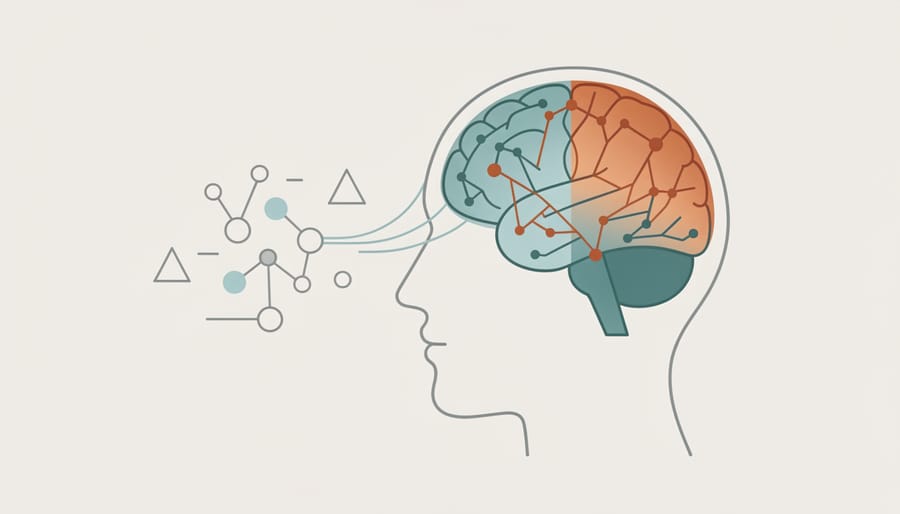
How Pain Changes Your Brain
When you experience chronic pain, your brain doesn’t just register discomfort—it actually undergoes physical and chemical changes that can significantly impact your mental health. Understanding this mind-body connection helps explain why chronic pain often goes hand-in-hand with mood changes and emotional struggles.
Chronic pain triggers your brain to produce stress hormones like cortisol continuously. While these hormones are helpful in short bursts, prolonged exposure can disrupt the balance of neurotransmitters—the chemical messengers that regulate your mood. Specifically, chronic pain can lower levels of serotonin and dopamine, which are essential for feelings of happiness and well-being. This chemical shift helps explain why many people with chronic pain also experience depression or anxiety.
Your brain also becomes more sensitive to pain signals over time, a process called central sensitization. Essentially, your nervous system gets stuck in a heightened state of alert, making you feel pain more intensely and sometimes even in areas that aren’t injured. This constant state of alarm exhausts your mental resources and can lead to difficulty concentrating, memory problems, and emotional fatigue.
Research shows that chronic pain can even change the structure of certain brain regions involved in emotion regulation and decision-making. The good news is that your brain has remarkable plasticity—meaning these changes aren’t necessarily permanent. With appropriate treatment and support, many of these effects can be managed or even reversed.
The Vicious Cycle: Pain, Stress, and Mental Health
Chronic pain and mental health issues often create a reinforcing loop that becomes increasingly difficult to escape. When you experience persistent pain, your body remains in a heightened stress state, constantly releasing stress hormones like cortisol. This ongoing stress can lead to anxiety, depression, and sleep problems, which in turn lower your pain threshold and make discomfort feel more intense.
The cycle works both ways. Depression and anxiety can actually amplify pain signals in your brain, making the same level of physical discomfort feel more severe. When you’re anxious or depressed, you may also withdraw from activities you once enjoyed, leading to physical deconditioning and social isolation, both of which can worsen pain.
Sleep disruption plays a particularly important role in this cycle. Pain interferes with quality sleep, but lack of sleep increases pain sensitivity and contributes to mood problems. Additionally, when you’re dealing with chronic pain, you may reduce physical activity to avoid discomfort, but this inactivity can lead to muscle weakness and stiffness, ultimately increasing pain levels.
Understanding this cycle is the first step toward breaking it. Small, targeted interventions at any point in the loop can help interrupt the pattern and create positive momentum toward healing.
How Chronic Pain Affects Women’s Mental Health

Why Women Experience More Chronic Pain
Women experience chronic pain at significantly higher rates than men, and understanding why can help validate your experience and guide effective treatment approaches. Research shows that women are more likely to develop conditions like fibromyalgia, migraine headaches, and autoimmune disorders, all of which involve persistent pain.
Biological factors play a key role in these differences. Women’s nervous systems may process pain signals differently, often showing heightened sensitivity to painful stimuli. Hormonal fluctuations throughout the menstrual cycle, pregnancy, and menopause can intensify pain perception and trigger flare-ups in existing conditions. Estrogen, in particular, influences how the body experiences and responds to pain.
The immune system also contributes to this pattern. Women’s immune systems tend to be more reactive, which offers better protection against infections but increases vulnerability to autoimmune conditions like lupus and rheumatoid arthritis. These conditions often bring chronic pain as a primary symptom.
Social and cultural factors shouldn’t be overlooked either. Women are more likely to experience dismissal of their pain symptoms in medical settings, leading to delayed diagnosis and treatment. This can worsen both the physical pain and the mental health challenges that accompany it, including anxiety and depression.
Additionally, women often juggle multiple roles as caregivers, professionals, and household managers, which can increase stress levels and compound pain experiences. Understanding these interconnected factors is the first step toward finding comprehensive treatment approaches that address both the physical and emotional aspects of chronic pain.
Mental Health Challenges Women Face with Chronic Pain
Women with chronic pain face unique mental health challenges that often go unrecognized and undertreated. Research shows that women are significantly more likely than men to develop depression and anxiety alongside chronic pain conditions, with studies indicating up to twice the prevalence rates.
One contributing factor is the persistent issue of dismissive healthcare experiences. Many women report having their pain minimized or attributed to emotional causes rather than being taken seriously. This medical gaslighting can lead to delays in diagnosis and treatment, compounding both physical suffering and psychological distress. When pain isn’t validated, women may internalize doubt about their own experiences, triggering feelings of isolation and hopelessness.
Societal expectations add another layer of complexity. Women often juggle multiple roles as caregivers, professionals, and household managers. When chronic pain limits their ability to meet these expectations, feelings of guilt and inadequacy can emerge. The pressure to “push through” pain while maintaining appearances can exhaust emotional reserves and intensify anxiety.
Hormonal fluctuations throughout menstrual cycles, pregnancy, and menopause can also influence both pain perception and mood regulation, creating a cyclical pattern where pain worsens mental health symptoms and vice versa.
The good news is that recognizing these gender-specific challenges is the first step toward effective support. Accessing appropriate mental health resources tailored to chronic pain can make a significant difference. Treatment approaches that address both pain and mental health together, including cognitive-behavioral therapy and mindfulness-based interventions, have shown promising results for women managing these interconnected challenges.
The Caregiving Burden
Women often balance chronic pain with caring for children, aging parents, or family members with disabilities. This dual burden significantly intensifies mental health challenges. Research shows that caregivers with chronic pain experience higher rates of depression and anxiety than those managing pain alone. The constant physical demands of caregiving can worsen pain symptoms, creating a cycle where increased pain limits caregiving ability, leading to guilt and emotional distress. Many women feel pressured to continue caregiving despite their own health needs, often delaying their own medical appointments or pain management treatments. This self-neglect can result in worsening mental health outcomes. If you’re managing both chronic pain and caregiving responsibilities, it’s essential to seek support. Consider respite care options, communicate openly with family members about sharing responsibilities, and prioritize your own healthcare appointments just as you would for those you care for.
How Chronic Pain Affects Men’s Mental Health

The Silent Struggle: Why Men Underreport Pain
Canadian men face unique barriers when it comes to acknowledging and seeking help for chronic pain. Traditional expectations around masculinity often discourage men from openly discussing discomfort or asking for support. Many men grew up hearing messages like “tough it out” or “don’t be weak,” which creates internal pressure to minimize their suffering even when pain significantly impacts their daily lives.
Research shows that men are less likely than women to visit healthcare providers about pain concerns, often waiting until symptoms become severe. This delay can worsen both physical and mental health outcomes. When men do seek help, they may downplay their pain levels or focus solely on physical symptoms while avoiding discussions about emotional struggles like anxiety or depression that often accompany chronic pain.
The workplace culture in many Canadian industries, particularly in physically demanding sectors, can reinforce these patterns. Men may fear being perceived as less capable or worry about job security if they admit to ongoing pain issues. This creates a cycle where pain goes untreated, mental health deteriorates, and isolation increases.
Breaking this silence requires recognizing that seeking help demonstrates strength, not weakness. Healthcare providers increasingly understand these gender-specific barriers and can offer supportive, judgment-free care. Men experiencing chronic pain benefit from connecting with others who share similar experiences, whether through support groups or trusted friends and family. Opening up about pain is an essential first step toward managing both physical discomfort and the mental health challenges that accompany it.
Mental Health Risks for Men with Chronic Pain
Men experiencing chronic pain face distinct mental health challenges that are often overlooked or underreported. Canadian research shows that men are significantly less likely to seek help for mental health concerns, even when dealing with the dual burden of persistent pain and emotional distress.
Depression affects approximately 35-45% of men living with chronic pain in Canada. Unlike women, men may express depression through irritability, anger, or increased risk-taking behaviours rather than sadness, making it harder to recognize. This difference in symptom presentation can delay diagnosis and treatment, allowing mental health issues to worsen over time.
Social isolation poses another serious risk. Men dealing with chronic pain often withdraw from activities they once enjoyed, including sports, hobbies, and social gatherings. This isolation can stem from physical limitations, embarrassment about their condition, or the mistaken belief that they should handle their pain independently. The loss of social connections further deepens feelings of loneliness and depression.
Substance use emerges as a concerning coping mechanism. Statistics Canada reports that men with chronic pain are more likely to misuse prescription opioids or turn to alcohol to manage their discomfort. This creates a dangerous cycle where substance dependence adds new health problems while failing to address the underlying pain.
Most alarmingly, men with chronic pain face elevated suicide risk. Studies indicate they are two to three times more likely to experience suicidal thoughts compared to men without chronic pain. Supporting men’s mental health requires acknowledging these risks and encouraging early intervention through healthcare providers, counsellors, and pain management specialists.
Identity and Masculinity Challenges
For many men, chronic pain can shake the foundations of their self-concept, particularly when it affects their ability to work, stay physically active, or fulfill traditional roles. When persistent pain limits physical capabilities, men may struggle with feelings of inadequacy or loss of purpose, especially if they’ve always identified as providers, athletes, or “strong” individuals. Research shows that men who tie their identity closely to physical strength or career success may experience heightened anxiety and depression when chronic pain interferes with these areas.
The pressure to “push through” pain or avoid seeking help can worsen both physical and mental health outcomes. Many men report feeling isolated because they believe expressing pain makes them appear weak. However, recognizing that chronic pain is a legitimate medical condition requiring proper management is essential. Redefining masculinity to include self-care, vulnerability, and asking for help can open pathways to better mental health. Connecting with healthcare providers, joining support groups, or exploring adapted physical activities can help men maintain their sense of identity while living with chronic pain.
Practical Strategies to Protect Your Mental Health While Managing Chronic Pain
Build Your Support Team
Managing chronic pain and its mental health effects requires a team approach. Start by building your healthcare team with a family doctor who understands chronic pain, and ask for referrals to specialists like pain management physicians or physiotherapists. Consider adding a mental health professional experienced in chronic pain—psychologists and counselors trained in cognitive behavioral therapy or acceptance and commitment therapy can be particularly helpful.
Don’t hesitate to advocate for yourself during appointments. Come prepared with written notes about your symptoms, how pain affects your daily life, and questions you want answered. If a provider dismisses your concerns or doesn’t take your pain seriously, it’s okay to seek a second opinion. Research shows that women’s pain is sometimes undertreated or misdiagnosed, so finding gender-sensitive care matters.
Beyond medical professionals, build your personal support network. Connect with others who understand chronic pain through local support groups or online communities. The Canadian Pain Society and provincial pain networks can help you locate resources in your area. Share your needs with trusted friends and family members—they want to help but may not know how unless you communicate clearly. Remember, asking for support isn’t weakness; it’s an essential part of managing chronic pain effectively.

Mind-Body Approaches That Work
Research shows that mind-body approaches can significantly reduce both pain intensity and mental health symptoms when integrated into chronic pain management. These complementary strategies work by helping you break the pain-stress cycle and restore a sense of control.
Mindfulness practices and meditation have strong evidence supporting their effectiveness. Starting with just five minutes daily of focused breathing or body scan exercises can help reduce pain-related anxiety and improve emotional regulation. Free apps and community programs across Canada make these techniques accessible to everyone.
Gentle movement practices like tai chi, yoga, and aquatic therapy offer dual benefits. They improve physical function while reducing depression and anxiety symptoms. The key is finding movements that feel manageable for your body. Begin slowly and listen to your limits rather than pushing through pain.
Progressive muscle relaxation and guided imagery provide additional tools for managing pain flare-ups. These techniques help calm your nervous system and can be practiced anywhere, making them practical for daily life.
Working with practitioners experienced in chronic pain ensures these approaches complement your existing treatment plan. Many extended health plans in Canada now cover these services, recognizing their value in comprehensive pain management.
Nutrition and Lifestyle Adjustments
What you eat and how you live can significantly influence both chronic pain and your emotional wellbeing. Research shows that an anti-inflammatory diet rich in omega-3 fatty acids, found in fatty fish like salmon and sardines, can help reduce pain levels while supporting brain health. Including plenty of colourful fruits and vegetables, whole grains, and nuts provides antioxidants that combat inflammation throughout your body.
The connection between nutrition and mental health is particularly important when managing chronic pain. Limiting processed foods, excess sugar, and alcohol can help stabilize your mood and energy levels. Staying well-hydrated and maintaining regular meal times also supports both physical and mental health.
Beyond diet, gentle movement adapted to your abilities helps reduce pain while releasing mood-boosting endorphins. Quality sleep, stress management techniques like deep breathing, and maintaining social connections all work together to break the pain-mental health cycle. Small, consistent changes often prove more sustainable than dramatic overhauls. Consider working with healthcare providers, including registered dietitians, to develop a personalized plan that addresses your unique needs and circumstances.
When to Seek Professional Mental Health Support
If your chronic pain is affecting your daily activities, relationships, or mood for more than two weeks, it’s time to reach out for professional support. Warning signs include persistent feelings of sadness or hopelessness, withdrawal from loved ones, difficulty sleeping, changes in appetite, or thoughts of self-harm.
In Canada, several accessible resources can help. Start by speaking with your family doctor, who can provide referrals to mental health specialists experienced in chronic pain management. Many provinces offer free counseling through community health centers and mental health programs. The Canadian Mental Health Association provides information and local resources at cmha.ca, while the Wellness Together Canada portal offers immediate, confidential support including text and phone counseling at no cost.
If you’re in crisis, call the Canada Suicide Prevention Service at 1-833-456-4566, available 24/7. Many employers also provide Employee Assistance Programs that include free counseling sessions.
Remember, seeking help demonstrates strength, not weakness. Mental health professionals can teach you coping strategies, address underlying depression or anxiety, and work alongside your medical team to improve both your physical comfort and emotional wellbeing. The sooner you reach out, the more effectively you can manage the mental health impacts of chronic pain.
Living with chronic pain and its effects on mental health is undeniably challenging, but understanding how these experiences may differ based on gender is an important step toward finding the right support. Whether you’re a woman navigating the complex relationship between hormonal changes and pain perception, or a man working through societal expectations that may make it harder to seek help, recognizing these patterns empowers you to advocate for yourself more effectively.
The evidence is clear: chronic pain and mental health are deeply connected, but this connection doesn’t have to define your future. Help is available, and treatment approaches that address both your physical pain and emotional wellbeing can make a meaningful difference. Healthcare providers across Canada are increasingly recognizing the importance of gender-informed care, which means you deserve treatment that considers your unique experiences and needs.
Taking the first step might feel overwhelming, but it doesn’t have to be a giant leap. Start by having an honest conversation with your healthcare provider about both your pain and how it’s affecting your mood, sleep, and daily life. Consider reaching out to a mental health professional who understands chronic pain, or explore support groups where others share similar experiences. Remember that asking for help isn’t a sign of weakness; it’s an act of courage and self-care.
Your pain is real, your mental health matters, and positive change is possible. You have more agency in this journey than you might realize, and every small step forward counts.