
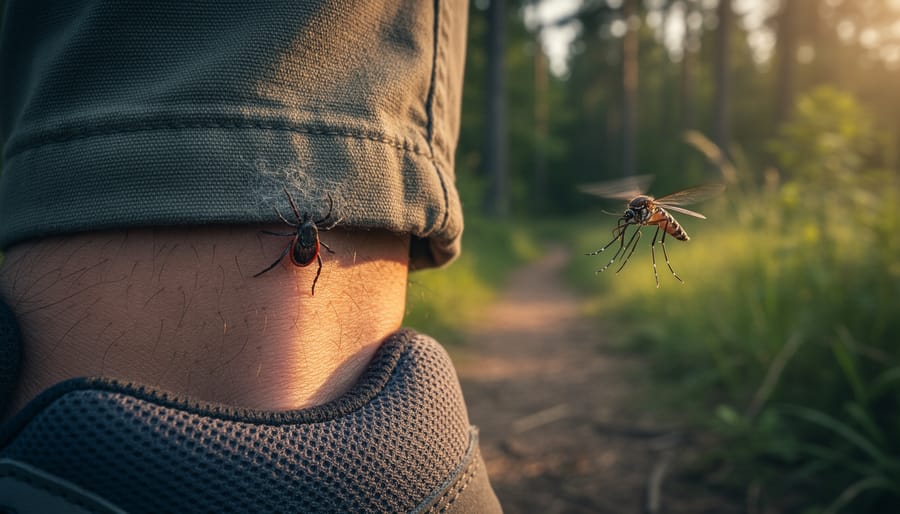
Vector-borne diseases are infections transmitted to humans and animals through blood-feeding organisms like mosquitoes, ticks, and fleas. These tiny carriers, called vectors, pick up pathogens from infected hosts and spread them through bites, making them responsible for over 17% of all infectious diseases globally. In Canada, you might encounter Lyme disease from blacklegged ticks, West Nile virus from mosquitoes, or emerging threats like anaplasmosis as warming temperatures expand vector habitats northward.
Understanding these diseases matters because climate change is extending the active season for vectors and pushing their geographic range into previously unaffected Canadian regions. What was once a southern Ontario concern now affects communities across provinces. The intersection of changing ecosystems, wildlife movement, and human activity creates new opportunities for disease transmission in your own backyard, cottage country, or hiking trails.
Prevention starts with knowledge. Recognizing how vectors transmit disease, identifying high-risk environments, and adopting protective measures can significantly reduce your exposure. This guide provides evidence-based information to help you protect yourself and your family while enjoying outdoor activities across Canada’s diverse landscapes.
What Are Vector-Borne Diseases?
Breaking Down the Basics: Vectors vs. Diseases
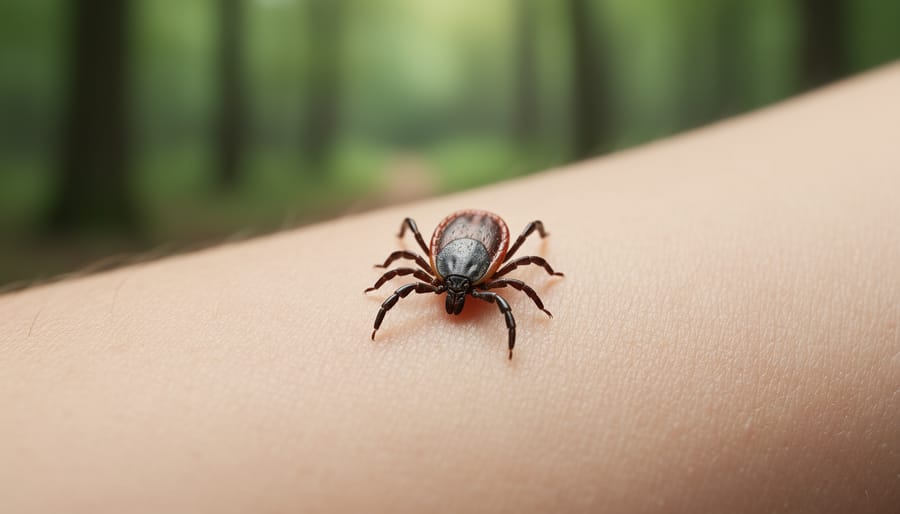
Understanding vector-borne diseases starts with knowing what a vector actually is. In simple terms, a vector is a living organism that carries and transmits an infectious disease from one host to another. Think of it as a delivery service you definitely don’t want at your door.
It’s important to recognize that the vector itself isn’t the disease. The mosquito buzzing around your backyard isn’t the problem on its own—it’s what that mosquito might be carrying that matters. Mosquitoes can transmit diseases like West Nile virus and malaria, while ticks can carry Lyme disease. The vector (the insect) picks up a pathogen—a harmful bacteria, virus, or parasite—when it feeds on an infected animal or person. Then, when it bites its next victim, it passes along that pathogen.
This distinction is crucial for prevention. You can’t catch Lyme disease from touching a tick, but you can get it if an infected tick bites you and stays attached long enough to transmit the bacteria. Understanding this difference helps you focus your prevention efforts on avoiding bites and reducing vector populations around your home.
How These Diseases Actually Spread
The transmission process follows a simple but effective pattern. It begins when a vector, like a mosquito or tick, feeds on an infected animal or person, picking up the disease-causing pathogen in the process. The pathogen then develops inside the vector’s body over several days. When that vector bites again, it transfers the pathogen to a new host through its saliva.
Picture this familiar scenario: You’re enjoying a summer camping trip in Ontario. A mosquito lands on your arm and bites you. If that mosquito previously fed on a bird carrying West Nile virus, it could transmit the virus to you during that bite. The same process applies to ticks hiking through wooded trails. When an infected tick latches onto your skin and feeds, it can pass along Lyme disease bacteria.
Not every bite from a vector leads to disease transmission. The vector must first be infected, and various factors affect whether the pathogen successfully transfers, including how long the vector feeds and your immune system’s response. Understanding this process helps explain why prevention measures, like using insect repellent and checking for ticks after outdoor activities, are so effective at breaking the transmission cycle.
Common Vector-Borne Diseases Affecting Canadians
Lyme Disease: The Growing Canadian Concern
Lyme disease has become one of Canada’s fastest-growing vector-borne health concerns. This bacterial infection is transmitted through the bite of infected blacklegged ticks (often called deer ticks), which are expanding their range northward as our climate warms. Areas that were once too cold for these ticks—including parts of Ontario, Quebec, Manitoba, and the Maritimes—are now seeing established populations.
Early detection is crucial for effective treatment. Watch for a characteristic bull’s-eye rash around the tick bite, though not everyone develops this telltale sign. Other early symptoms include fever, headache, muscle and joint pain, and fatigue that appears within 3 to 30 days after a bite. If left untreated, the infection can spread to joints, the heart, and the nervous system, potentially causing long-term health complications.
The good news is that Lyme disease is treatable with antibiotics, especially when caught early. If you spend time outdoors in areas where ticks are present, check your body thoroughly afterward, wear light-colored clothing to spot ticks easily, and use insect repellent containing DEET or icaridin for added protection.
West Nile Virus and Other Mosquito-Borne Threats
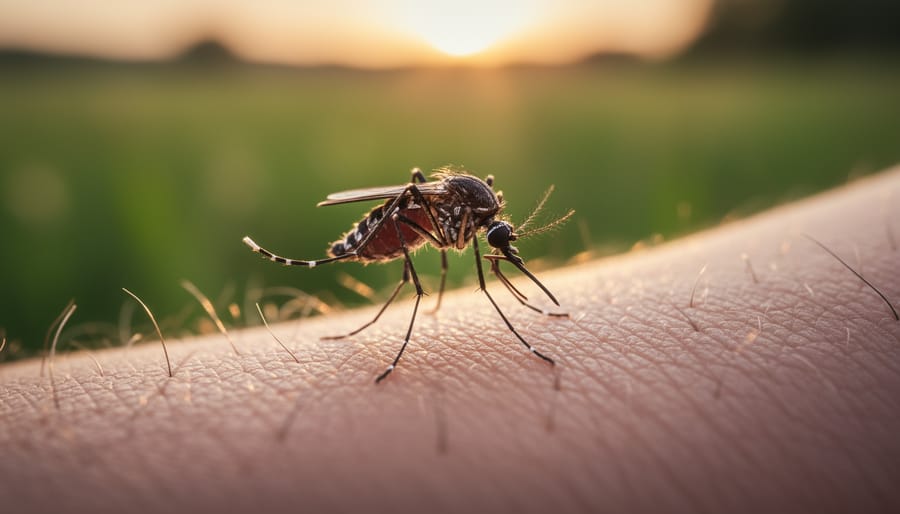
West Nile virus is the most common mosquito-borne illness in Canada, with cases reported annually across most provinces. This virus spreads when mosquitoes bite infected birds and then transmit the virus to humans. Most people infected experience no symptoms, but about 20 percent develop fever, headache, body aches, and fatigue. In rare cases, severe neurological complications can occur, particularly in older adults and those with weakened immune systems.
Beyond West Nile virus, Canadians should be aware of emerging threats. Climate change is expanding the range of mosquito species that carry diseases like Eastern equine encephalitis and, increasingly, dengue fever in border regions. Warmer temperatures and changing precipitation patterns create more favourable breeding conditions for these vectors.
Prevention remains your best protection. Use insect repellent containing DEET or icaridin when outdoors, especially during dawn and dusk when mosquitoes are most active. Wear light-colored, long-sleeved clothing in wooded or marshy areas. Eliminate standing water around your home where mosquitoes breed, including flowerpots, birdbaths, and clogged gutters. Installing window screens and using mosquito nets while camping also reduces exposure. Stay informed about local mosquito activity through public health advisories during warmer months.
Travel-Related Vector Diseases
If you’re planning to travel outside Canada, it’s important to know about vector-borne diseases common in tropical and subtropical regions. Malaria, transmitted by mosquitoes, remains a serious concern in parts of Africa, Asia, and Latin America. Dengue fever, also spread by mosquitoes, affects travelers to similar regions and can cause severe flu-like symptoms. Zika virus gained attention for its link to birth defects and is found in areas with warm climates. Before traveling, consult with a healthcare provider or travel health clinic at least six weeks in advance. They can recommend appropriate vaccinations, antimalarial medications, and prevention strategies specific to your destination. Taking these precautions helps protect your health while exploring the world.
Why Vector-Borne Diseases Matter for Your Health
The Link Between Climate and Disease Spread
Canada’s climate is changing, and this shift is creating new health concerns for communities across the country. As temperatures rise, disease-carrying insects and ticks that were once limited to warmer regions are now expanding northward into areas where they’ve never been seen before.
Mosquitoes, ticks, and other vectors thrive in warmer conditions, and even a small increase in average temperature can significantly extend their active season and geographic range. For example, blacklegged ticks, which carry Lyme disease, have been found in parts of Canada where they were previously unable to survive winter temperatures. Similarly, warmer summers create ideal breeding conditions for mosquitoes that can transmit diseases like West Nile virus.
These climate change impacts mean that Canadians in previously low-risk areas now need to be aware of vector-borne disease prevention. Understanding this connection between climate and disease spread helps you take appropriate precautions, whether you’re hiking in Ontario, gardening in Manitoba, or camping in British Columbia. The good news is that with awareness and simple preventive measures, you can protect yourself and your family from these emerging health risks.
Long-Term Health Impacts You Should Know
Vector-borne diseases can lead to serious long-term health impacts that extend well beyond the initial infection. Some individuals experience chronic symptoms that persist for months or even years after treatment. For example, post-treatment Lyme disease syndrome can cause ongoing fatigue, joint pain, and cognitive difficulties that affect daily activities and work performance. West Nile virus may result in lasting neurological effects, including memory problems, muscle weakness, and depression.
These persistent symptoms can significantly impact your quality of life, making it harder to maintain fitness routines and manage stress effectively. The physical limitations and chronic pain associated with these conditions often contribute to mental health challenges, including anxiety and depression. Some people also develop chronic fatigue syndrome following certain vector-borne infections, which can drastically reduce energy levels and exercise tolerance.
Understanding these potential complications emphasizes the importance of prevention and early treatment. If you’ve been diagnosed with a vector-borne disease, working closely with your healthcare provider and maintaining open communication about any lingering symptoms is essential for managing long-term effects and supporting your overall wellness journey.
Protecting Yourself: Practical Prevention Tips
Smart Outdoor Habits That Work
Enjoying outdoor activities safely means taking simple precautions against vectors. When hiking or camping, wear light-colored, long-sleeved shirts and long pants tucked into socks to create a barrier against ticks and mosquitoes. Light colors make it easier to spot ticks crawling on clothing.
Time your activities wisely. Mosquitoes are most active at dawn and dusk, so plan trail runs or gardening sessions for mid-morning or afternoon when possible. During peak mosquito season, apply insect repellent containing ICARIDIN or DEET to exposed skin, following product instructions carefully.
Know your environment. Stay on cleared trails when hiking to avoid brushing against vegetation where ticks wait. In your garden, eliminate standing water in flowerpots, bird baths, and gutters every few days to prevent mosquito breeding. When setting up camp, choose open areas away from tall grass and wooded edges where ticks thrive.
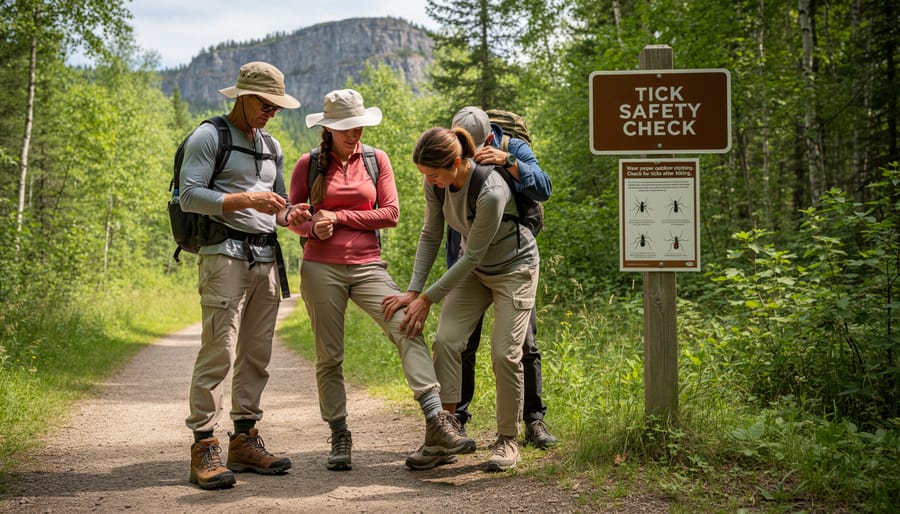
After outdoor time, check yourself, children, and pets thoroughly for ticks, paying special attention to warm, hidden areas like armpits, behind knees, and along the hairline. Prompt tick removal within 24 hours significantly reduces disease transmission risk. These evidence-based habits let you enjoy nature’s health benefits while minimizing vector exposure.
Your Home Protection Plan
Protecting your home from vectors doesn’t require expensive treatments or major renovations. Start by eliminating standing water where mosquitoes breed—empty flower pots, birdbaths, and clogged gutters weekly. Keep your grass trimmed short and clear brush piles where ticks hide. Install or repair window screens to keep insects outside, and consider using fans on porches since mosquitoes are weak fliers. Store firewood away from your house and create a barrier of wood chips or gravel between wooded areas and your lawn to discourage tick migration. When spending time outdoors, wear light-colored clothing to spot ticks easily, and apply Health Canada-approved insect repellents containing DEET or icaridin. These simple, practical steps significantly reduce your family’s exposure to disease-carrying vectors while maintaining a comfortable outdoor living space.
What to Do After a Bite
If you’ve been bitten by a tick, mosquito, or other insect, stay calm and take immediate action. Remove ticks promptly using fine-tipped tweezers, pulling straight up without twisting. Clean the bite area thoroughly with soap and water or an antiseptic.
Monitor the bite site and your overall health for the next few weeks. Take a photo of the bite and note the date, location on your body, and where you were when bitten. Watch for warning signs including expanding redness or rash, fever, headache, muscle aches, joint pain, or unusual fatigue.
See a doctor if you develop a bull’s-eye rash, experience flu-like symptoms within three weeks of the bite, or notice the bite becoming increasingly red, warm, or swollen. Don’t wait if symptoms appear—early treatment significantly improves outcomes for vector-borne diseases like Lyme disease.
Keep the tick in a sealed container if possible, as your healthcare provider may want to identify it. This information helps determine appropriate testing and treatment options.
When to Seek Medical Help
Knowing when to contact a healthcare provider is an important part of protecting yourself from vector-borne diseases. If you’ve been bitten by a tick, mosquito, or other insect and develop symptoms within the following days or weeks, it’s wise to seek medical attention promptly.
Watch for these warning signs: unexplained fever, severe headaches, muscle or joint pain, unusual rashes (especially the characteristic bull’s-eye pattern associated with Lyme disease), persistent fatigue, or flu-like symptoms that appear outside of regular flu season. These symptoms may develop anywhere from a few days to several weeks after being bitten, so staying alert during this period is essential.
Early diagnosis and treatment significantly improve outcomes for most vector-borne diseases. Healthcare providers can perform appropriate tests and begin treatment quickly, which often prevents complications and speeds recovery. If you removed a tick from your body, consider saving it in a sealed container to show your doctor, as this can help with identification and diagnosis.
Don’t hesitate to mention recent outdoor activities, travel history, or known insect bites during your appointment. This context helps your healthcare provider make accurate assessments. Remember, seeking help early isn’t an overreaction—it’s a smart, proactive step toward maintaining your health. Canadian public health resources and your family doctor are valuable partners in addressing concerns about vector-borne diseases, so reach out whenever you have questions or notice unusual symptoms following an insect bite.
Understanding vector-borne diseases is your first step toward protecting yourself and your loved ones. The good news is that awareness combined with simple, practical prevention measures can significantly reduce your risk of these infections. By taking straightforward actions like using insect repellent, wearing protective clothing, checking for ticks after outdoor activities, and maintaining your yard to minimize mosquito breeding sites, you’re already making a meaningful difference in your health.
Climate change and environmental shifts mean these diseases are an evolving concern in Canada, but knowledge truly is power. Stay informed about local disease activity through public health updates, and don’t hesitate to speak with your healthcare provider if you have concerns or questions about prevention strategies specific to your region.
Remember, the goal isn’t to avoid the outdoors but to enjoy nature safely and confidently. With these evidence-based prevention steps in your toolkit, you can embrace hiking, camping, gardening, and all the wellness benefits that come with spending time outside. Your proactive approach to health management today sets the foundation for staying healthy and active for years to come.