
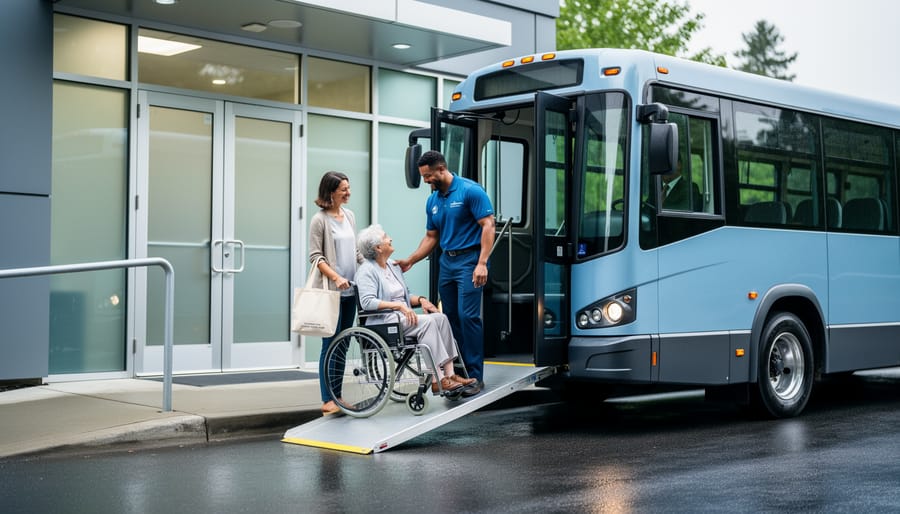
Getting to medical appointments shouldn’t be a barrier to your health, yet transportation challenges prevent thousands of Canadians from accessing essential healthcare services each year. Whether you face mobility limitations, live in a rural area, lack a vehicle, or cannot afford taxi fares to clinics, community access transportation services exist specifically to bridge this gap.
These specialized programs connect people with non-emergency medical transportation, ensuring you can reach doctor’s appointments, cancer treatments, dialysis sessions, mental health counseling, and other vital health services. The connection between transportation and health outcomes is clear: when people miss appointments due to lack of rides, chronic conditions worsen, preventable diseases go undetected, and emergency room visits increase.
Across Canada, community access transportation takes various forms. Some health regions operate dedicated medical shuttle services. Volunteer driver programs match trained community members with patients needing rides. Transit systems offer reduced-fare programs for people with disabilities or low incomes. Non-profit organizations coordinate ride-sharing specifically for healthcare access.
Understanding your options means taking control of a significant health barrier. Many Canadians remain unaware these services exist in their communities, continuing to struggle with transportation while support sits unused. This guide will help you identify available programs in your area, determine which services match your specific needs, navigate the application process, and access the rides that keep your healthcare appointments within reach. Your health matters, and reliable transportation should never stand in your way.
What Community Access Transportation Actually Means
Types of Community Transportation Services
Community access transportation comes in several forms, each designed to meet different mobility needs. Public transit systems, including buses, subways, and light rail, offer fixed routes and schedules that serve the general population. Many Canadian cities have made improvements to accessibility features like low-floor buses and audio announcements to better serve riders with disabilities.
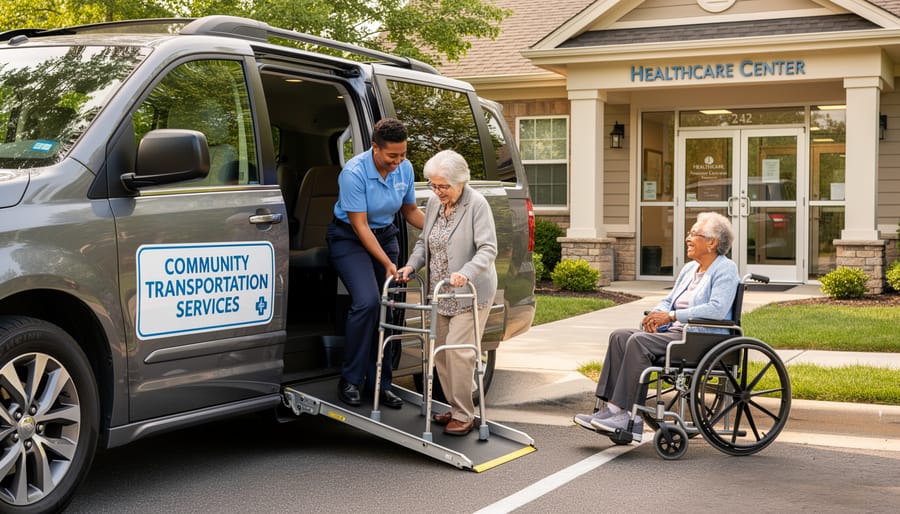
Paratransit services provide door-to-door transportation for individuals who cannot use conventional public transit due to physical or cognitive limitations. These specialized services typically require advance booking and eligibility assessment through your local transit authority.
Volunteer driver programs connect community members who need rides with trained volunteers. These programs often focus on medical appointments and are particularly valuable in rural areas where other options may be limited. Many programs operate through non-profit organizations, faith communities, or health agencies.
Community shuttles offer scheduled transportation within specific neighborhoods or to key destinations like medical clinics, shopping centers, and community centers. These services bridge gaps in public transit coverage and provide affordable alternatives for residents without personal vehicles, helping ensure everyone can access essential health services.
Who Relies on These Services
Community access transportation serves several key populations who face barriers to reaching healthcare services. Older adults, particularly those who no longer drive, depend on these services for medical appointments, pharmacy visits, and wellness programs. People living with disabilities may require specialized vehicles with wheelchair accessibility or other accommodations that standard transportation cannot provide.
Low-income individuals and families often cannot afford private vehicles or regular taxi fares, making community transportation their lifeline to essential healthcare. Rural residents face unique challenges, as limited public transit options and long distances to medical facilities can create serious gaps in care. People managing chronic conditions like diabetes, heart disease, or kidney disease need reliable transportation for frequent medical visits and treatments.
Additionally, individuals recovering from surgery or medical procedures who temporarily cannot drive rely on these services during their healing period. Indigenous communities, newcomers to Canada, and those experiencing homelessness also frequently depend on community transportation programs to maintain their health and wellbeing. Understanding who needs these services helps communities build better support systems for everyone’s healthcare access.
The Real Health Consequences of Transportation Barriers
Missing Medical Appointments and Preventive Care
When transportation barriers prevent people from attending medical appointments, the health consequences can be significant and far-reaching. Missing routine screenings means conditions like high blood pressure, diabetes, and cancer may go undetected until they become more serious and harder to treat.
Research shows that individuals without reliable transportation are up to 40 percent more likely to delay or skip preventive care appointments. This delay can be particularly concerning for managing chronic conditions that require regular monitoring. When someone misses a diabetes check-up or blood pressure screening, their condition may worsen without proper adjustment of medications or treatment plans.
Preventive screenings are designed to catch health issues early when they’re most treatable. Without access to these important appointments, diagnoses happen later, often requiring more intensive and costly interventions. For example, a missed mammogram could mean breast cancer isn’t detected until it has progressed to a more advanced stage.
The impact extends beyond physical health. Missed mental health appointments can disrupt crucial therapeutic relationships and medication management. For seniors managing multiple health conditions, transportation barriers create a cascade effect where one missed appointment leads to complications requiring even more medical attention.
Community access transportation services help break this cycle by ensuring Canadians can maintain consistent connections with their healthcare providers, ultimately supporting better long-term health outcomes for everyone.
Impact on Mental Health and Social Connection
Lack of reliable transportation creates more than just logistical challenges—it profoundly affects mental well-being. Research shows that people without adequate transportation access experience higher rates of depression and anxiety, particularly among seniors and individuals with disabilities. When you can’t easily visit friends, attend community events, or participate in social activities, feelings of loneliness and isolation can intensify.
The connection between social connections and health is well-established, and transportation serves as a vital bridge to maintaining these relationships. For older adults who no longer drive, losing transportation independence often means losing social networks built over decades. Studies indicate that socially isolated individuals face health risks comparable to smoking 15 cigarettes daily.
Community access transportation helps break this cycle by enabling regular social interaction, volunteer opportunities, and participation in recreational activities. Even simple trips to the grocery store or library provide valuable social contact and mental stimulation. For vulnerable populations, having reliable transportation means maintaining dignity, independence, and connection to their communities—all essential elements for positive mental health and overall well-being.
Access to Healthy Food and Physical Activity
Reliable transportation significantly influences your ability to maintain a healthy lifestyle through proper nutrition and regular physical activity. Without accessible transportation options, getting to grocery stores with fresh produce becomes challenging, often leading to reliance on nearby convenience stores with limited healthy choices. Many Canadians living in rural or underserved urban areas face this reality, contributing to poor dietary patterns and increased risk of chronic conditions like diabetes and heart disease.
Community access transportation services help bridge this gap by providing rides to farmers’ markets, larger supermarkets, and community gardens where nutritious foods are more available and affordable. These services also connect you to fitness facilities, community recreation centres, and group exercise programs that support your physical and mental well-being. Regular access to these activities helps prevent chronic diseases and reduces social isolation. When transportation barriers are removed, you’re more likely to maintain consistent exercise routines and make healthier food choices, creating sustainable habits that support long-term wellness and quality of life.
Medication Access and Management
Regular access to medications is essential for managing chronic conditions like diabetes, heart disease, and high blood pressure. When transportation barriers prevent you from reaching pharmacies, medication adherence suffers significantly. Studies show that missed prescription refills can lead to serious health complications and even hospitalization. Without reliable transportation, you may skip doses, ration medications, or discontinue treatment entirely. This is particularly concerning for Canadians in rural areas or those with mobility challenges. Many communities now offer medication delivery services, and some pharmacies provide free home delivery. Transportation programs can help you maintain your prescription schedule, allowing you to better manage your health conditions and prevent complications that could otherwise be avoided with consistent medication access.
Community Access Transportation Across Canada
Urban vs. Rural Challenges
Transportation challenges look quite different depending on where you live in Canada. In urban areas, the primary barriers often include navigating complex public transit systems, long wait times, and difficulty accessing services during off-peak hours. Physical accessibility can be an issue with crowded buses or subway stations lacking proper elevators and ramps. However, cities typically offer more transportation options, including specialized transit services, ride-sharing programs, and volunteer driver networks.
Rural and remote communities face more significant challenges. Distances to healthcare facilities are often considerable, sometimes requiring travel of several hours. Public transit is frequently limited or non-existent, making personal vehicles essential. When vehicle ownership isn’t possible due to financial constraints or medical conditions that prevent driving, accessing care becomes extremely difficult. Weather conditions can further complicate travel, particularly during winter months.
Solutions must reflect these different realities. Urban programs often focus on improving navigation support and expanding specialized transit hours. Rural initiatives typically emphasize volunteer driver programs, telehealth services to reduce travel needs, and regional transportation coordination. Some provinces have developed mobile health clinics and patient travel assistance programs specifically designed for remote areas, recognizing that equitable healthcare access requires community-specific approaches tailored to local circumstances and available resources.
Notable Canadian Programs That Work
Several communities across Canada have developed innovative transportation solutions that significantly improve healthcare access and overall wellbeing.
In rural British Columbia, the BC Transit Community Bus Program connects residents in smaller communities to medical appointments in larger centres. This volunteer-driven initiative has reduced missed healthcare visits by 40% in participating areas, helping seniors manage chronic conditions more effectively through consistent access to specialists and diagnostic services.
Ontario’s Volunteer Driver Program operates in over 75 communities, matching trained volunteers with residents needing rides to medical appointments. The program reported helping over 15,000 people annually reach essential healthcare services, with participants noting improved mental health due to reduced isolation and better disease management through regular doctor visits.
Alberta’s Seniors’ Transportation Society provides affordable, door-to-door service in multiple municipalities. Evaluation data shows members maintain better medication adherence and attend 85% more preventive health appointments compared to those without reliable transportation.
Manitoba’s Handi-Transit system, available in Winnipeg and surrounding areas, offers specialized accessible transportation for people with disabilities, ensuring equitable healthcare access regardless of mobility challenges.
These programs demonstrate that community-based transportation solutions create measurable health improvements while supporting independence and dignity for vulnerable populations.
How to Access Transportation Support in Your Community
Finding Services Near You
Finding reliable community access transportation starts with connecting to the right community resources in your area. Begin by asking your healthcare provider directly, as many clinics and hospitals maintain lists of transportation services and can arrange rides for medical appointments. Your family doctor’s office or hospital social worker can be invaluable resources for this information.
Contact your municipal government’s social services or transit department, as many Canadian cities offer specialized transit programs for seniors and people with disabilities. Call 211, a free nationwide service available across Canada that connects you with local community and social services, including transportation options.
Reach out to community health centres, senior centres, and local chapters of organizations like the Canadian Red Cross or March of Dimes Canada, which often provide or coordinate transportation services. Faith-based organizations and volunteer groups in your neighbourhood may also offer rides to medical appointments.
Search online using terms like “medical transportation” plus your city name, or check your provincial health authority’s website for regional programs. Keep a list of available services with their contact information and eligibility requirements to ensure you have backup options when needed.
Understanding Eligibility and Costs
Eligibility for community access transportation varies by program and province. Generally, services prioritize seniors, people with disabilities, individuals with chronic health conditions, and those without access to private transportation or public transit. Some programs require a physician’s note confirming medical appointments or mobility limitations.
Costs differ significantly across Canada. Many municipal programs offer subsidized rates for eligible residents, while volunteer-based services may operate on a donation basis. Provincial health plans sometimes cover non-emergency medical transportation for specific appointments, particularly in rural areas. Low-income individuals may qualify for reduced fares or free service through local social services departments.
To determine your eligibility, contact your municipality’s transit department, local community health centre, or provincial health information line. Many organizations use a simple application process that assesses your transportation needs and financial situation. Keep documentation of medical appointments and any mobility challenges handy when inquiring about services. Financial assistance is often available but not always widely advertised, so asking specifically about subsidies can help you access affordable options.
Alternative Solutions When Traditional Options Fall Short
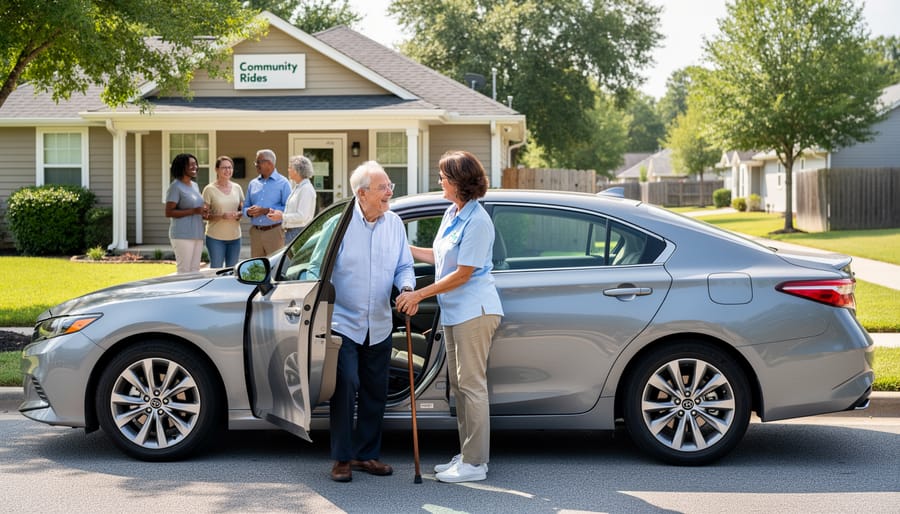
When traditional transportation options aren’t available, several creative solutions can help you access healthcare. Carpooling with neighbors or friends attending appointments at the same community wellness clinics can reduce costs and provide social support. Many communities have established volunteer driver networks where trained volunteers assist with medical appointments—contact your local community center or place of worship to inquire about these programs.
Telehealth services have expanded significantly across Canada, allowing you to connect with healthcare providers from home through video or phone consultations. This option works well for routine follow-ups, mental health counseling, and minor health concerns. For prescription refills, ask your pharmacy about delivery services, which many now offer at minimal or no cost. Additionally, some family members or neighbors may be willing to help with regular appointments if you establish a consistent schedule, making it easier for everyone to plan ahead.
Taking Action: What You Can Do Today
Whether you need transportation or want to support others, you can make a difference starting today. If you require access to healthcare appointments, begin by contacting your local public health unit or municipal office to learn about available services in your area. Many programs operate through community support organizations and may not be widely advertised, so direct inquiry is essential.
Check with your healthcare provider’s office, as they often maintain lists of transportation resources and can help connect you with appropriate services. If you’re 65 or older, contact your provincial seniors’ programs to explore specialized options.
For those wanting to advocate, consider volunteering with local transportation programs or contacting your municipal representatives to express support for expanded services. Share information about these services with neighbours, particularly isolated seniors or people with disabilities who might benefit. Even small actions like offering rides to appointments for friends or family members experiencing transportation barriers contributes to healthier communities. Remember, accessible transportation isn’t just a convenience—it’s a vital component of healthcare equity that affects real health outcomes across Canada.
Transportation is not a luxury—it’s a fundamental necessity that directly impacts your health and wellbeing. When communities prioritize accessible transportation, they create environments where everyone can reach medical appointments, pick up prescriptions, access healthy food, and maintain social connections that support mental health. These aren’t small conveniences; they’re essential components of disease prevention and health maintenance.
If you or someone you care about faces transportation challenges, know that solutions exist across Canada. Community access transportation services are actively working to bridge these gaps, connecting people to the healthcare and resources they need to thrive. Whether through subsidized rides, volunteer driver programs, or specialized medical transport, these services are making a measurable difference in health outcomes.
Your community’s health is strengthened when everyone can access care. By recognizing transportation as a health issue and supporting local solutions, we build healthier, more connected communities together. Reach out to local services, explore available programs, and remember that asking for transportation support is a practical step toward better health—one that many Canadians benefit from every day. Your wellbeing matters, and accessible transportation helps make it possible.