

Mitochondrial health refers to how well your cells’ mitochondria produce energy, manage oxidative stress, and support essential biological processes throughout your body. These tiny structures, often called the powerhouses of your cells, don’t just keep you alive. They determine how energized you feel, how clearly you think, and how well your brain manages mood and stress.
Most people encounter mitochondria in high school biology and never think about them again. But emerging research shows that mitochondrial function plays a surprisingly direct role in mental health, cognitive performance, and your body’s ability to recover from physical and emotional demands. When mitochondria struggle to produce adequate energy, your brain is often the first organ to show symptoms because neurons require massive amounts of fuel to function properly.
The connection matters because mitochondrial dysfunction isn’t rare. Factors like chronic stress, poor sleep, nutrient deficiencies, and even normal aging can compromise how efficiently these cellular engines operate. The result can show up as persistent fatigue, brain fog, low mood, or difficulty managing anxiety.
Understanding mitochondrial health gives you a practical framework for interpreting symptoms that might otherwise seem unrelated. More importantly, research demonstrates that specific lifestyle interventions can measurably improve mitochondrial function. This article explains what mitochondria actually do, how their performance affects your mental wellbeing, what signals suggest your mitochondria need support, and which evidence-based strategies can strengthen these critical cellular structures.
What Mitochondria Health Means

Mitochondria are tiny structures inside your cells, often called the “powerhouses” of the cell because they convert the food you eat and the oxygen you breathe into usable energy. Every cell in your body contains hundreds to thousands of mitochondria, constantly working to fuel cellular activities. When we talk about “mitochondria health,” we mean how well these structures are performing their job: efficiently producing energy, protecting themselves from damage, and maintaining their ability to support your cells’ needs.
Healthy mitochondria generate energy smoothly, minimize harmful byproducts, and clear out dysfunctional units before they cause problems. When they’re functioning optimally, your cells have the fuel they need to carry out everything from muscle contraction to immune defense. But when mitochondrial function declines, whether from aging, poor nutrition, chronic stress, or toxin exposure, your cells struggle to keep up with energy demands.
- Mitochondria
- Microscopic structures within cells that convert nutrients and oxygen into ATP, the energy currency that powers all cellular activities.
- ATP (Adenosine Triphosphate)
- The molecule your cells use as direct fuel for every function, from thinking and moving to repairing tissue and fighting infection.
- Oxidative Stress
- Cellular damage caused by unstable molecules called free radicals, which are natural byproducts of energy production that can harm mitochondria if not properly managed.
- Mitochondrial Dysfunction
- When mitochondria lose their ability to produce adequate energy efficiently, leading to cellular stress and potential symptoms throughout the body.
Your brain cells are particularly vulnerable to mitochondrial problems. Neurons demand enormous amounts of energy to maintain electrical signals, produce neurotransmitters like serotonin and dopamine, and form new connections. A single brain cell can contain over two million mitochondria. When mitochondrial health falters, brain function often shows the effects first, through mood changes, mental fog, or difficulty concentrating. Understanding mitochondria health means recognizing that the foundation of your mental and physical well-being starts at the cellular level.
How Your Mitochondria Work
The Energy Production Cycle
Think of mitochondria as tiny power plants inside each of your cells, working around the clock to keep you running. The process they use is surprisingly straightforward, even if the chemistry behind it gets complex.
When you eat, your body breaks down food into simple molecules, mostly glucose from carbohydrates and fatty acids from fats. These molecules enter your cells and eventually make their way into the mitochondria. Inside these cellular powerhouses, a series of chemical reactions combines these nutrients with the oxygen you breathe.
This process, called cellular respiration, strips electrons from the nutrients in a controlled way. As those electrons move through specialized protein complexes embedded in the mitochondrial membrane, they release energy bit by bit. That energy drives the production of ATP (adenosine triphosphate), essentially molecular batteries that store energy in a form your cells can immediately use.
Your brain cells burn through ATP constantly to send signals, produce neurotransmitters like serotonin and dopamine, and maintain the electrical charges needed for thinking and feeling. When this energy production system runs smoothly, you have the cellular fuel needed for stable mood, sharp focus, and mental resilience.
Why Brain Cells Need Healthy Mitochondria
Your brain cells are energy powerhouses in their own right. Unlike other cells that can dial down their energy use when needed, neurons need enormous energy to function properly, they’re running constantly, even when you’re asleep. Every thought you have, every emotion you process, and every memory you form requires neurons to fire electrical signals across vast networks. That process consumes significant ATP.
What makes neurons especially vulnerable is their dependence on mitochondria for three critical tasks. First, they need steady energy to maintain the electrical charge across their membranes, which allows signals to travel. Second, they require ATP to produce and release neurotransmitters, the chemical messengers like serotonin, dopamine, and GABA that regulate mood, motivation, and anxiety. Third, healthy mitochondria support the complex maintenance work that keeps neurons functioning: repairing proteins, managing calcium levels, and protecting against oxidative stress that accumulates during normal brain activity. When mitochondrial function declines, these energy-intensive processes falter first, which explains why mental clarity, mood stability, and cognitive performance are often early indicators of mitochondrial health issues.
The Components of Mitochondrial Health

When doctors and researchers talk about mitochondrial health, they’re not just referring to a single on-off switch. Several interconnected factors determine whether your mitochondria are working at their best, and understanding these components helps explain why different lifestyle strategies matter for mental health.
The Four Pillars of Mitochondrial Function
Think of mitochondrial health as having four essential components that work together:
- Mitochondrial biogenesis: your body’s ability to create new mitochondria when cells need more energy
- Mitochondrial efficiency: how well your existing mitochondria convert nutrients into usable energy
- Antioxidant protection: the defense systems that shield mitochondria from damaging free radicals
- Mitophagy: the quality-control process that identifies and removes damaged mitochondria
Each component plays a distinct role. Mitochondrial biogenesis responds to your energy demands. When you exercise regularly or challenge your brain with new tasks, your cells get the signal to build more mitochondria. This is particularly relevant for brain health because neurons with more mitochondria can produce more neurotransmitters and maintain better communication.
Efficiency matters because having lots of mitochondria doesn’t help if they’re sluggish. Efficient mitochondria extract maximum energy from the oxygen and nutrients they receive while producing fewer harmful byproducts. This efficiency depends on having the right raw materials, which is where nutrition becomes crucial.
The antioxidant protection system acts like a security team. Mitochondria naturally generate reactive oxygen species as they produce energy, but too many of these molecules damage the mitochondria themselves. Your body’s antioxidant defenses, both those you make internally and those from food, keep this damage in check.
Finally, mitophagy serves as quality control. Just as you’d remove a malfunctioning appliance, your cells need to clear out mitochondria that are too damaged to repair. When this cleanup process works well, you maintain a healthy population of functioning mitochondria. When it falters, damaged mitochondria accumulate and can trigger inflammation.
These four components don’t operate in isolation. Exercise stimulates biogenesis while also improving efficiency. Good nutrition supports both antioxidant protection and the mitophagy process. This interconnection explains why comprehensive lifestyle approaches tend to work better than focusing on just one factor.
How Mitochondrial Function Affects Mental Health
Depression and Energy Deficits
Depression isn’t just about feeling sad, it’s often rooted in physical changes at the cellular level. When mitochondria in brain cells can’t produce enough energy, neurons struggle to manufacture and release the neurotransmitters that regulate mood, like serotonin, dopamine, and norepinephrine. This energy shortage directly affects brain chemistry in depression potentially explaining why some people with depression experience persistent fatigue, difficulty concentrating, and emotional numbness alongside low mood.
The energy deficit also impairs neuroplasticity, your brain’s ability to form new neural connections and adapt to experiences. Healthy mitochondria power the processes that allow you to learn, form memories, and emotionally respond to positive events. When mitochondrial function declines, this adaptive capacity weakens, making it harder to break negative thought patterns or experience pleasure from activities you once enjoyed.
Research suggests this mitochondrial dysfunction may explain why depression often coexists with physical symptoms like exhaustion and why standard treatments don’t work for everyone. Supporting mitochondrial health through targeted lifestyle changes may complement conventional depression treatment, though it’s not a replacement for professional mental health care.
Anxiety and Cellular Stress
When mitochondria struggle to produce energy efficiently, they generate excess reactive oxygen species, unstable molecules that damage cellular structures. In brain regions involved in fear and worry responses, this oxidative stress can trigger a cascade of problems that fuel anxiety symptoms.
Research shows that damaged mitochondria activate inflammatory pathways in the brain, creating a cycle where cellular stress amplifies the very neural circuits associated with anxious thoughts and physical tension. This connection between inflammation and mental health helps explain why people experiencing chronic anxiety often report physical symptoms like fatigue and muscle tension alongside their mental distress.
The brain’s alarm system becomes hypersensitive when neurons lack adequate energy reserves. Mitochondrial dysfunction can impair the production of GABA, the calming neurotransmitter that helps regulate anxiety, while simultaneously disrupting the stress hormone cortisol. For many Canadians dealing with persistent worry, addressing cellular energy production through mitochondria-supporting strategies may complement traditional anxiety management approaches.
Cognitive Function and Brain Energy
Your brain uses about 20% of your body’s total energy despite making up only 2% of your body weight. This massive energy demand means your cognitive abilities, memory, focus, and mental clarity, depend heavily on mitochondrial function.
When mitochondria in brain cells falter, you might notice difficulties concentrating, slower information processing, or that frustrating “tip of the tongue” feeling. Research shows that declining mitochondrial efficiency contributes to age-related cognitive changes, including memory lapses and reduced mental sharpness.
For aging Canadians, maintaining mitochondrial health becomes especially important. Studies link mitochondrial dysfunction to accelerated cognitive decline and increased dementia risk. Brain cells can’t repair or replace themselves as readily as other tissues, so protecting their energy supply matters.
The good news? Your daily choices influence mitochondrial function. Regular physical activity, adequate sleep, and eating nutrient-dense foods help maintain the cellular energy your brain needs for quick thinking, clear memory, and sustained focus throughout your life.
Signs Your Mitochondria May Need Support
Recognizing potential signs of mitochondrial dysfunction matters because these symptoms often get dismissed as “just stress” or normal aging. Your body gives signals when your cellular energy production isn’t keeping up with demand, though these symptoms are non-specific, they can stem from many causes, not just mitochondrial issues.
Common signs that your mitochondria might need support include:
- Persistent fatigue that doesn’t improve with rest or sleep
- Brain fog, difficulty concentrating, or feeling mentally sluggish
- Mood changes, particularly increased irritability or low mood
- Exercise intolerance or feeling unusually exhausted after physical activity
- Slow recovery from illness, injury, or stressful periods
You might also notice muscle weakness, sensitivity to cold, digestive issues, or headaches that seem to cluster together. The key pattern is that multiple symptoms appear simultaneously and persist despite adequate rest. Someone with mitochondrial dysfunction often describes feeling like their “battery never fully charges,” even after a full night’s sleep.
These symptoms overlap with numerous other conditions, from thyroid problems to vitamin deficiencies to depression itself. That’s precisely why professional evaluation matters. A healthcare provider can rule out other causes and determine whether mitochondrial support strategies make sense for your situation. Don’t attempt to self-diagnose based on these general symptoms alone.
If you’re experiencing several of these signs persistently, especially if they’re affecting your daily function or mental health, it’s worth discussing with your doctor. They can assess whether underlying factors, nutritional deficiencies, chronic stress, sleep disorders, or other health conditions, might be compromising your cellular energy production. Early attention to these patterns gives you the best chance of addressing root causes before they significantly impact your quality of life.
How to Support Your Mitochondria Health
Nutrition for Mitochondrial Function

Your mitochondria need specific nutrients to produce energy efficiently, and these same nutrients play a key role in the nutrition and mental health connection. While supplements get a lot of attention, you’ll get better results focusing on whole foods that deliver these nutrients alongside beneficial cofactors and phytonutrients your body recognizes.
B vitamins, especially B1, B2, B3, and B12, are essential for converting food into ATP. You’ll find them abundantly in whole grains, legumes, eggs, and leafy greens. Magnesium stabilizes ATP molecules and supports hundreds of mitochondrial enzymes; get it from pumpkin seeds, almonds, spinach, and black beans. Coenzyme Q10 helps shuttle electrons through the energy production cycle and acts as an antioxidant. Your body makes CoQ10, but eating fatty fish, organ meats, and whole grains provides additional amounts. Omega-3 fatty acids from salmon, sardines, and walnuts build the mitochondrial membrane and reduce inflammation that can damage these structures.
Antioxidants protect mitochondria from oxidative stress generated during energy production. Berries, dark leafy greens, and colourful vegetables deliver polyphenols that specifically support mitochondrial function. Consider building meals around these mitochondria-supporting foods:
- Fatty fish like salmon, mackerel, and sardines for omega-3s and CoQ10
- Leafy greens such as spinach, kale, and Swiss chard for magnesium and B vitamins
- Berries including blueberries, strawberries, and blackberries for protective antioxidants
- Nuts and seeds, particularly walnuts, almonds, and pumpkin seeds for healthy fats and minerals
- Whole grains like quinoa, brown rice, and oats for B vitamins and sustained energy
A Mediterranean-style eating pattern naturally combines these foods while limiting processed options that burden mitochondrial function with excess sugar and inflammatory fats. Most Canadians will meet their mitochondrial nutrient needs through varied, whole-food eating rather than supplement stacks.
Exercise and Mitochondrial Biogenesis
When you move your body, you’re not just burning calories, you’re sending a powerful signal to your cells to build more and better mitochondria. This process, called mitochondrial biogenesis, is one of the most effective ways to boost your brain’s energy production and support mental health.
Aerobic exercise like brisk walking, cycling, or swimming triggers your cells to create new mitochondria because they need more energy to meet the demand. Studies show that regular cardio workouts increase both the number and efficiency of mitochondria in your brain and muscles. Even moderate activities count: a 30-minute walk five times a week can stimulate meaningful improvements.
Strength training offers complementary benefits. Lifting weights or doing bodyweight exercises improves how efficiently your existing mitochondria work and helps maintain muscle mass, which houses many of these energy factories. You don’t need a gym membership, resistance bands at home or carrying groceries uphill works too.
The sweet spot for most Canadians? Combine both. Try 150 minutes of moderate cardio weekly plus two strength sessions. New to exercise? Start with 10-minute walks and gradually build up. Already active? Higher-intensity intervals can maximize mitochondrial adaptations, but consistency beats intensity for long-term brain health.
Sleep, Stress, and Cellular Recovery
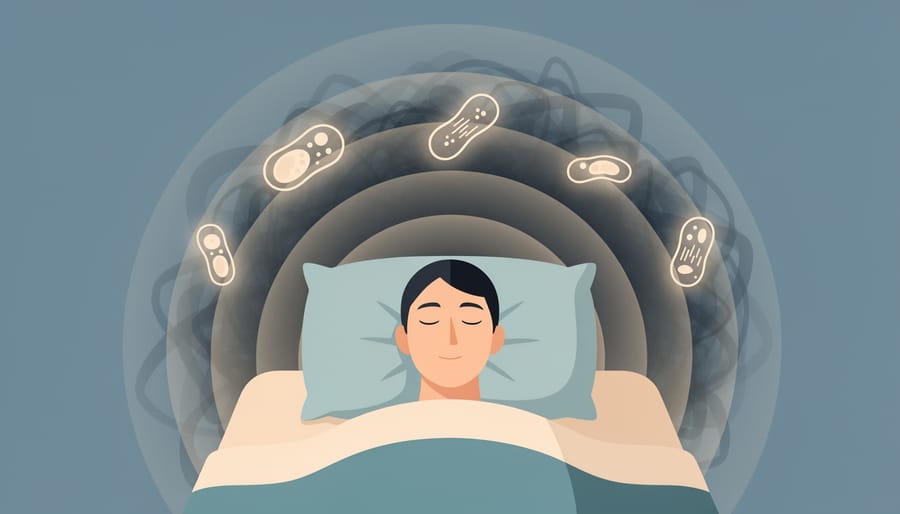
Your mitochondria repair themselves while you sleep. During deep sleep stages, damaged mitochondria get cleared out through a process called mitophagy, making room for healthy new ones. Poor sleep disrupts this cleanup cycle, letting dysfunctional mitochondria accumulate in your cells. Aim for seven to nine hours nightly, and prioritize consistent sleep and wake times to support your circadian rhythm, which directly influences mitochondrial efficiency.
Chronic stress floods your body with cortisol, which damages mitochondrial membranes and impairs energy production. Over time, this creates a vicious cycle: damaged mitochondria produce less energy, leaving you less resilient to handle stress, which causes more mitochondrial damage.
Break this pattern with daily stress management. Even ten minutes of deep breathing, meditation, or gentle yoga helps lower cortisol levels. Spending time outdoors, maintaining social connections, and setting boundaries around work demands all protect your mitochondria from stress-related wear and tear. These aren’t optional wellness extras, they’re essential maintenance for your cellular powerhouses and mental health.
Other Lifestyle Factors
Beyond nutrition, exercise, sleep, and stress management, several other lifestyle factors influence how well your mitochondria function and support your mental health.
Limit alcohol consumption. Heavy drinking damages mitochondria directly and interferes with nutrient absorption needed for energy production. If you drink, moderation matters, Canadian guidelines recommend no more than two standard drinks per week to minimize health risks.
Reduce exposure to environmental toxins. Pesticides, heavy metals, and air pollutants can impair mitochondrial function. Choose organic produce when possible for foods on the “dirty dozen” list, filter your drinking water, and improve indoor air quality with proper ventilation.
Keep blood sugar stable. Chronic high blood sugar from frequent refined carbohydrates and sugary foods creates oxidative stress that damages mitochondria. Focus on balanced meals with protein, healthy fats, and fiber to prevent glucose spikes.
Support your microbiome. Emerging research links gut health and mood through multiple pathways, including mitochondrial function. Fermented foods, diverse plant fibers, and probiotic-rich options help maintain beneficial gut bacteria that influence cellular energy production.
Minimize unnecessary medications. Some common medications, including certain antibiotics and statins, can affect mitochondrial function. Never stop prescribed medications, but discuss alternatives with your doctor if you experience persistent fatigue or cognitive changes.
When to Talk to Your Healthcare Provider
While supporting mitochondrial health through lifestyle changes is generally safe and beneficial, certain situations call for professional guidance. If you experience persistent fatigue that interferes with daily activities for more than a few weeks, unexplained muscle weakness, chronic pain, or significant cognitive changes like memory problems or confusion, schedule an appointment with your family doctor. These symptoms can have many causes, and ruling out underlying medical conditions is essential before attributing them solely to mitochondrial function.
When speaking with your healthcare provider, be specific about your symptoms. Describe when they started, how they affect your life, and any patterns you have noticed. Mention if you have tried lifestyle changes and whether they helped. Your doctor may order blood tests to check for conditions that affect energy production, such as thyroid disorders, vitamin D and mood issues, anemia, or blood sugar problems. They might also review medications that could impact mitochondrial function.
Canadian healthcare providers typically take a practical approach to mitochondrial health concerns. Rather than focusing on specialized mitochondrial testing (which is usually reserved for rare genetic disorders), most doctors address modifiable factors like nutrition deficiencies, sleep quality, stress levels, and physical activity. If your symptoms suggest a more complex mitochondrial disorder, your doctor can refer you to a specialist. The key is not to dismiss ongoing symptoms or try to self-diagnose. Your healthcare team can help identify whether your concerns relate to mitochondrial function, another treatable condition, or a combination of factors.
Frequently Asked Questions
Can you reverse mitochondrial damage?
In many cases, yes. Your body has natural repair mechanisms for damaged mitochondria, and lifestyle changes like improved nutrition, regular exercise, and better sleep can support this process. However, severe or long-term damage may be more difficult to reverse completely, which is why early intervention matters.
How long does it take to improve mitochondrial health?
You might notice initial benefits like better energy or mental clarity within a few weeks of consistent lifestyle changes, but significant improvements in mitochondrial function typically take several months. Exercise-induced mitochondrial biogenesis becomes measurable after about 6-8 weeks of regular training.
Are mitochondrial supplements worth it?
Most people can support their mitochondria effectively through whole foods rather than supplements. However, specific nutrients like CoQ10, B vitamins, or magnesium might be helpful if you have deficiencies or certain health conditions, talk to your healthcare provider before starting any supplement regimen.
Does mitochondrial function decline with age?
Yes, mitochondrial function naturally decreases as we age, which contributes to reduced energy levels and increased vulnerability to age-related diseases. The good news is that healthy lifestyle habits can slow this decline significantly and even improve function at any age.
Can poor mitochondrial health cause weight gain?
Mitochondrial dysfunction can contribute to weight gain because your cells become less efficient at burning calories for energy. When mitochondria don’t work properly, your metabolism slows down and your body may store more energy as fat rather than using it effectively.
Do I need special tests to check my mitochondrial health?
Specialized mitochondrial function tests exist but aren’t routinely necessary for most people. Your doctor can assess relevant markers through standard blood work, and paying attention to symptoms like persistent fatigue, brain fog, or mood changes often provides useful guidance about whether your mitochondria need support.
These questions reflect what Canadians commonly wonder when they first learn about mitochondrial health and its connection to mental well-being. The answers matter because they help you set realistic expectations and make informed decisions about your health journey.
Remember that improving mitochondrial function isn’t about quick fixes or expensive interventions. The most powerful tools are the everyday choices you make around food, movement, sleep, and stress management. Your mitochondria respond to consistency rather than perfection, so even small, sustainable changes add up over time. If you’re experiencing persistent symptoms that concern you, don’t hesitate to discuss them with your healthcare provider, they can help you determine whether mitochondrial support strategies make sense for your specific situation.
Understanding mitochondria health gives you a powerful lens for thinking about your well-being. These tiny energy factories in your cells don’t just keep you moving, they’re central to how your brain functions, how your mood stabilizes, and how clearly you think.
The good news? You’re not powerless here. The lifestyle choices you make every day, what you eat, how you move, how you sleep, how you manage stress, directly influence how well your mitochondria work. You don’t need expensive supplements or complicated protocols to get started. Simple, consistent actions like eating nutrient-dense meals, moving your body regularly, and prioritizing rest can shift your cellular health in meaningful ways.
If you’ve been struggling with low energy, brain fog, or mood challenges, supporting your mitochondria won’t magically solve everything overnight. But it can be part of a foundation that helps you feel more like yourself again.
Start small. Pick one area from this article that resonates with you and build from there. Your cells are constantly renewing themselves, and every positive choice you make today is an investment in how you’ll feel tomorrow.