

Cardiovascular endurance training improves your heart’s ability to pump blood efficiently and your muscles’ capacity to use oxygen during sustained physical activity. You build this fitness through regular aerobic exercise that elevates your heart rate to 50-85% of maximum for at least 20-30 minutes per session, ideally three to five times weekly. The training works because it forces your cardiovascular system to adapt, strengthening your heart muscle, increasing capillary density in your muscles, and enhancing your body’s oxygen delivery network.
Most Canadians can start improving their cardiovascular fitness within weeks, though meaningful adaptations typically emerge after six to eight weeks of consistent training. The approach doesn’t require expensive equipment or gym memberships. Walking, cycling, swimming, or jogging all deliver results when you apply the right intensity and duration. What matters most is finding activities you’ll sustain long enough for your body to adapt.
The challenge isn’t understanding that cardio benefits your health. It’s knowing how to structure your training to trigger real physiological changes without overtraining or injury. This guide provides a step-by-step framework using evidence-based principles, helping you design a safe, progressive program that fits your current fitness level and builds genuine endurance over time.
What You Need to Get Started
One of the appealing aspects of cardiovascular endurance training is that you can begin with remarkably little equipment. Unlike strength training or team sports, you don’t need a gym membership, specialized facilities, or expensive gear to get started. Most Canadians already own the basics required to begin improving their aerobic fitness today.
At minimum, you need proper footwear suited to your chosen activity. For walking or running, invest in supportive athletic shoes with adequate cushioning, worn-out sneakers increase injury risk and make exercise unnecessarily uncomfortable. If you’re cycling, your regular shoes work fine initially, though cycling-specific footwear offers advantages as you progress. Comfortable, breathable clothing that allows free movement is your only other essential. Canadians training year-round should consider weather-appropriate layers: moisture-wicking base layers for winter, lightweight fabrics for summer.
Beyond these basics, several optional items can enhance your training experience and help you track progress:
- Heart rate monitor or fitness tracker to gauge exercise intensity and monitor improvements
- Water bottle to maintain hydration during longer sessions
- Reflective gear or headlamp for early morning or evening training in Canadian winter months
- Simple timer or smartphone app to structure interval workouts
- Weather-appropriate accessories like gloves, toque, or sun protection
Many effective cardiovascular activities require nothing beyond your body and suitable space. Walking needs only safe terrain and decent shoes. Bodyweight circuits, stair climbing, and outdoor activities like cross-country skiing leverage resources already available to most Canadians. A fitness tracker proves useful for monitoring heart rate zones and tracking progress over time, but perceived exertion works perfectly well for beginners learning to read their body’s signals. Start with what you have, then add tools as your training becomes more structured and your goals evolve.

Safety Considerations Before You Begin
Before you begin any cardiovascular training program, taking a few essential safety precautions protects your health and sets you up for sustainable progress. These considerations are particularly important if you’re returning to exercise after a long break or managing existing health conditions.
When to Consult Your Healthcare Provider
Schedule a medical consultation before starting cardiovascular endurance training if you have any of the following: heart disease, high blood pressure, diabetes, asthma or other respiratory conditions, arthritis or joint problems, a history of chest pain or heart palpitations, or if you’re over 45 (men) or 55 (women) and have been sedentary. Canadians with a family history of heart disease should also seek medical clearance. Your doctor can perform simple tests to establish safe exercise parameters and may recommend specific modifications based on your health profile.
If you’re currently managing a chronic condition or taking medication that affects heart rate or blood pressure, a healthcare provider can help you understand appropriate intensity levels and warning signs specific to your situation.
Beyond these serious symptoms, pay attention to excessive fatigue, nausea, or confusion during workouts, which signal that you’re pushing too hard. Learning to distinguish between normal exercise discomfort, like elevated breathing and mild muscle fatigue, and genuine warning signs is crucial for safe progression.
The Importance of Gradual Progression
Starting too aggressively is the most common safety mistake in cardiovascular training. Your cardiovascular system adapts relatively quickly, but your muscles, tendons, and joints need more time to strengthen. A gradual approach means beginning with shorter, lower-intensity sessions and increasing training load by no more than 10% per week. This conservative progression dramatically reduces injury risk while still delivering steady endurance gains. Patience in the early weeks prevents setbacks that could derail your training for months.

Building Your Cardiovascular Endurance: The Step-by-Step Process
Step 1: Assess Your Current Fitness Level
Before you build cardiovascular endurance, you need to know where you’re starting. A baseline assessment helps you set realistic goals and track progress without requiring expensive equipment or a gym visit.
The Talk Test is the simplest assessment. Go for a brisk 10-minute walk. If you can speak in full sentences without gasping, you’re at a comfortable aerobic intensity. If you can barely get words out, you’re working too hard. This test gives you an immediate sense of your current capacity.
Resting Heart Rate offers another useful benchmark. Measure your pulse at your wrist for 60 seconds first thing in the morning, before getting out of bed. Most adults fall between 60-100 beats per minute; athletes often sit below 60. Record this number, as your endurance improves, it should gradually decrease.
Try a basic activity test: time how long it takes to walk one kilometer at a steady, comfortable pace, or count how many steps you can climb before needing to stop. These simple metrics establish concrete starting points you can revisit monthly to gauge improvement.
Step 2: Choose Your Primary Training Activities
Choosing activities you genuinely enjoy is the single strongest predictor of long-term adherence to cardiovascular endurance training. If you dread your workout, you won’t stick with it long enough to see results.
Start by matching activities to your current abilities and any physical limitations. Walking suits nearly everyone and requires no learning curve. Jogging and running offer progression once you’ve built a base. Cycling reduces joint impact while still challenging your cardiovascular system. Swimming provides full-body conditioning with zero impact, ideal if you have arthritis or joint concerns.
Consider Canada’s seasonal realities when planning. Year-round accessibility matters. If outdoor running appeals to you but winters are harsh in your region, identify an indoor alternative, treadmill access, mall walking, or an indoor track. Conversely, embrace winter-specific options like cross-country skiing or snowshoeing, which deliver excellent cardiovascular benefits while celebrating Canadian conditions.
Choose two to three activities you can rotate. This variety prevents boredom, reduces overuse injury risk, and keeps training sustainable when weather or circumstances limit one option. Your best activity is simply the one you’ll do consistently.
Step 3: Apply the FITT Principle
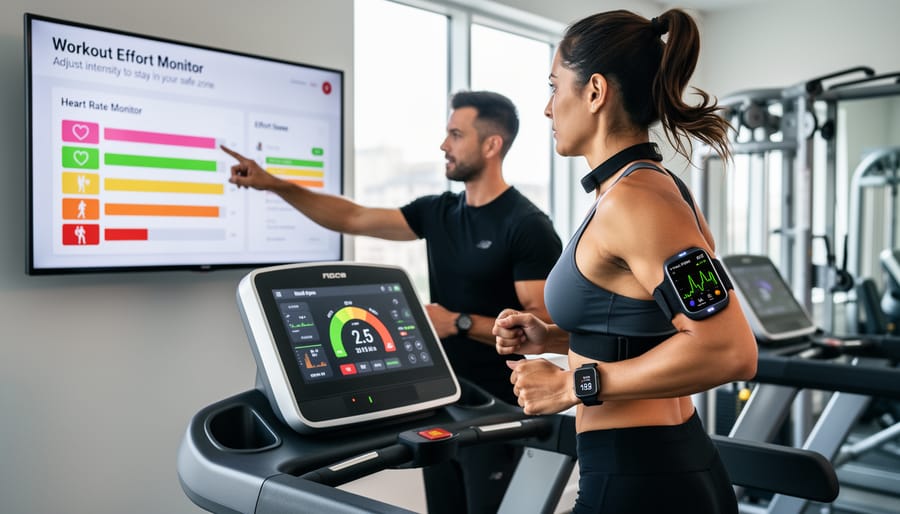
The FITT principle provides a straightforward framework for designing your cardiovascular endurance training program. Each letter represents a variable you can adjust to match your current fitness level and goals.
Frequency refers to how often you exercise each week. Beginners should aim for 3-4 days of cardiovascular activity, allowing at least one rest day between sessions initially. As your body adapts, you can increase to 5-6 days per week, mixing easier and harder sessions.
Intensity describes how hard you work during exercise. For building endurance, most training should feel moderate, you can talk in short sentences but not sing comfortably. This corresponds to about 50-70% of your maximum heart rate for beginners. A simple method: if you’re gasping for breath within five minutes, you’ve started too hard.
Time indicates session duration. Start with what you can sustain comfortably, even if that’s just 10-15 minutes. Add 5-10% more time each week until you reach 30-45 minutes per session. This gradual approach prevents burnout and injury while building genuine endurance.
Type encompasses the activities you choose. Walking, cycling, swimming, and jogging all count. Varying your activities throughout the week reduces repetitive stress and keeps training interesting through Canadian winters and summers alike.
Track these four variables in a simple notebook or phone app. When progress stalls, adjust one element at a time rather than changing everything simultaneously.
Step 4: Start with Base Building

Base building means establishing a foundation of aerobic fitness before adding intensity. For the first 4-6 weeks, your goal is consistency at a comfortable pace, hard enough to elevate your heart rate but easy enough to maintain a conversation throughout.
Start with three to four sessions per week, allowing at least one rest day between workouts. Each session should last 20-30 minutes initially. If that feels overwhelming, begin with 15 minutes and add five minutes weekly. The key is finishing each workout feeling energized, not exhausted.
A sample beginner schedule might look like this: Monday and Thursday for 25-minute brisk walks, Saturday for a 30-minute easy bike ride, with complete rest on other days. Choose a pace where you can speak full sentences but singing would be difficult, this signals you’re in the right intensity zone.
Avoid the temptation to push harder or go faster during these foundational weeks. Your cardiovascular system is adapting at the cellular level, building new capillaries and strengthening your heart muscle. Rushing this process increases injury risk and leads to burnout. By week six, you should comfortably sustain 30-40 minutes of continuous moderate activity without excessive fatigue the next day.
Step 5: Progress with Interval Training
Once you’ve built a solid aerobic base over 4-6 weeks, interval training becomes your next tool for advancing cardiovascular endurance. Unlike steady-state exercise, intervals alternate between higher-intensity efforts and recovery periods, pushing your cardiovascular system to adapt more quickly.
High-intensity interval training (HIIT) involves short bursts of near-maximum effort followed by rest or light activity. A simple example: sprint for 30 seconds, then walk for 90 seconds, repeating 6-8 times. This format dramatically improves your VO2 max and trains your heart to recover faster between efforts.
Tempo workouts sit between base training and HIIT. These involve sustained, comfortably hard efforts lasting 10-20 minutes at about 80-85% of your maximum heart rate. Think of it as the pace where conversation becomes difficult but not impossible.
Practical Canadian examples include hill repeats on local trails or neighborhood streets, track intervals at community recreation centers, or timed efforts on indoor bikes during winter months. Start with one interval session weekly, maintaining your base-building workouts on other days. As your body adapts over several weeks, you can add a second interval day or increase the work-to-rest ratio.
Step 6: Monitor and Adjust Your Training
Track your cardiovascular progress weekly using three simple methods. Rate your effort during workouts on a scale of 1-10 (perceived exertion), moderate cardio should feel like a 5-6 where you can talk but not sing. Monitor your resting heart rate each morning; a gradual decrease of 5-10 beats per minute over weeks signals improved fitness. Record specific performance markers like distance covered in 30 minutes or time to complete a set route.
Increase training load when workouts feel consistently easier at your current level. Add 10% more time or distance weekly, or incorporate one additional session. Women may benefit from cycle-based progression that adjusts intensity around hormonal fluctuations. If you experience persistent fatigue, declining performance, elevated morning heart rate, or poor sleep quality for more than three days, reduce training volume by 20-30% and prioritize recovery before progressing further.
How to Know Your Training Is Working
Recognizing progress in cardiovascular training keeps you motivated and helps you adjust your program effectively. Within two to four weeks of consistent training, you’ll notice your resting heart rate dropping by three to five beats per minute. Measure it first thing in the morning before getting out of bed, and track the trend weekly rather than obsessing over daily fluctuations.
Your recovery speed tells a powerful story. Activities that once left you breathless for minutes now allow conversation within 60 to 90 seconds. You’ll climb stairs without gasping, keep up with your kids at the park, and feel less drained after weekend hikes. This improved recovery is your cardiovascular system becoming more efficient at delivering oxygen and clearing metabolic waste.
Performance markers provide concrete evidence. The route that took 35 minutes now takes 30. You maintain a faster pace at the same perceived effort level. Heart rate during familiar workouts drops by five to 10 beats per minute at equivalent intensity, showing your heart pumps more blood per beat.
Daily energy levels shift noticeably. You wake more refreshed, experience fewer afternoon slumps, and sleep more soundly. These changes often appear before measurable performance gains and signal genuine adaptation.
Distinguish adaptation from overtraining. True progress feels sustainable. You’re energized, not exhausted. Short-term fatigue after hard sessions is normal and resolves within 48 hours. Persistent tiredness, irritability, declining performance, and elevated resting heart rate signal inadequate recovery.
If improvements stall after eight to 12 weeks, you may need to break through plateaus by varying intensity, adding cross-training, or reassessing your recovery practices. Progress isn’t always linear, but these markers confirm you’re building genuine cardiovascular endurance.
Common Training Mistakes to Avoid
Even well-intentioned fitness enthusiasts make predictable errors that slow cardiovascular gains or lead to injury. Recognizing these pitfalls helps you train smarter from the start.
Ramping up too quickly is the most common mistake. Increasing your weekly training volume by more than 10% from one week to the next overloads your cardiovascular system and connective tissues before they’ve adapted. If you ran 15 kilometres last week, cap this week at 16.5 kilometres maximum. Progress feels slow, but your body needs time to build capillary density and strengthen tendons.
Skipping recovery days undermines the entire training process. Cardiovascular adaptations occur during rest, not during the workout itself. Training hard every day produces fatigue, not fitness. Schedule at least one complete rest day weekly, and incorporate recovery tactics like foam rolling and adequate sleep between sessions.
Training at a single intensity creates a performance plateau. Many Canadians jog at the same comfortable pace every session, never challenging their lactate threshold or developing true aerobic power. Mix easy days, tempo runs, and interval sessions throughout your week to stress different energy systems.
Neglecting strength and flexibility work leaves gaps in your fitness foundation. Cardiovascular training alone doesn’t address muscular imbalances or joint mobility. Add two weekly resistance sessions and regular stretching to prevent compensatory movement patterns that cause injury.
How to Check Your Work
Verifying your cardiovascular progress involves tracking multiple objective and subjective markers over time. Every four to six weeks, reassess your baseline fitness using the same methods from Step 1. A successful outcome means your resting heart rate has dropped by five to ten beats per minute, you recover faster after exercise (heart rate returns to normal within two minutes of stopping), and activities that once felt challenging now feel moderate. You should notice improved stamina in daily tasks like climbing stairs or carrying groceries without breathlessness.
Pay attention to performance benchmarks: you can sustain a faster pace at the same perceived effort, complete longer distances without stopping, or maintain higher intensity intervals with adequate recovery. Your sleep quality may improve, and you feel energized rather than exhausted after training sessions.
Consult a healthcare provider or exercise physiologist if you experience persistent chest pain, unusual shortness of breath at rest, dizziness during or after exercise, or joint pain that worsens despite rest. Professionals can also help if progress stalls for eight weeks despite consistent training, or if you want to cross-train to prevent injury while advancing to more demanding endurance goals.
Frequently Asked Questions
How long does it take to see improvements in cardiovascular endurance?
Most people notice measurable improvements within 4-6 weeks of consistent training, with early changes including lower resting heart rate and easier breathing during familiar activities. Significant endurance gains typically appear after 8-12 weeks of progressive training.
Can I build cardiovascular endurance if I’m overweight or haven’t exercised in years?
Yes. Starting with low-impact activities like walking or swimming allows you to build endurance gradually regardless of your current weight or fitness history. The key is beginning at a comfortable intensity and progressing slowly.
Do I need to train every day to improve my cardiovascular endurance?
No. Three to five training sessions per week, combined with rest days for recovery, produces better results than daily training for most people. Recovery allows your cardiovascular system to adapt and strengthen.
What’s the minimum training intensity needed to improve endurance?
Moderate intensity, where you can speak in short sentences but not hold a full conversation, is sufficient to build cardiovascular endurance. You don’t need to push to exhaustion; consistency at moderate intensity delivers meaningful improvements.
These questions address practical concerns that often arise once readers begin implementing their training plan. Remember that building endurance is highly individual, so listen to your body’s signals and adjust your approach as needed rather than rigidly following any single formula.
Building cardiovascular endurance doesn’t require elite athleticism or expensive equipment. It starts with a single decision to move more consistently than you did yesterday. Whether you’re taking your first 10-minute walk around the block or adding intervals to an established routine, you’re investing in a healthier heart, sharper mind, and stronger body.
The improvements you’ve learned to track, lower resting heart rate, faster recovery, sustained higher intensities, don’t appear overnight. They accumulate through weeks and months of showing up, following the FITT principles, and respecting your body’s need for rest. That gradual progression isn’t a limitation; it’s the foundation of lasting change.
Long-term cardiovascular fitness reduces your risk of heart disease, type 2 diabetes, and stroke while improving mood, sleep quality, and daily energy. These benefits compound over years, making every workout you complete now an investment in decades ahead.
Start where you are today. Choose activities you genuinely enjoy, because consistency beats intensity when building endurance. Track your progress honestly, adjust when needed, and trust the process. Your cardiovascular system will adapt, you just need to give it the consistent stimulus and time to do so.