

Align your meals with your body’s natural rhythms by eating your largest meal earlier in the day, ideally between 10 a.m. and 3 p.m., when your metabolism and insulin sensitivity are at their peak. This simple shift can improve blood sugar control, support weight management, and reduce your risk of developing type 2 diabetes and heart disease.
Stop eating at least three hours before bedtime to give your digestive system adequate time to process food and allow your body to enter its natural repair and detoxification phase during sleep. Late-night eating disrupts circadian rhythms, interferes with sleep quality, and has been linked to increased inflammation and metabolic dysfunction.
Create a consistent eating window of 8-12 hours each day rather than grazing from morning until night. Research shows that compressing your daily food intake into a shorter timeframe supports cellular repair processes, enhances fat burning, and may improve cognitive function and longevity, regardless of what you eat.
Schedule protein intake within two hours after strength training to maximize muscle protein synthesis and recovery. Consuming 20-40 grams of high-quality protein during this window helps rebuild muscle tissue, reduces soreness, and improves your body’s adaptation to exercise.
The science behind timing nutrition reveals that when you eat may be just as important as what you eat. Your body processes nutrients differently throughout the day, influenced by circadian clocks in nearly every cell. Understanding these patterns empowers you to make strategic decisions that enhance energy, optimize metabolic health, and support your long-term wellness goals.
What Is Timing Nutrition and Why Should Canadians Care?
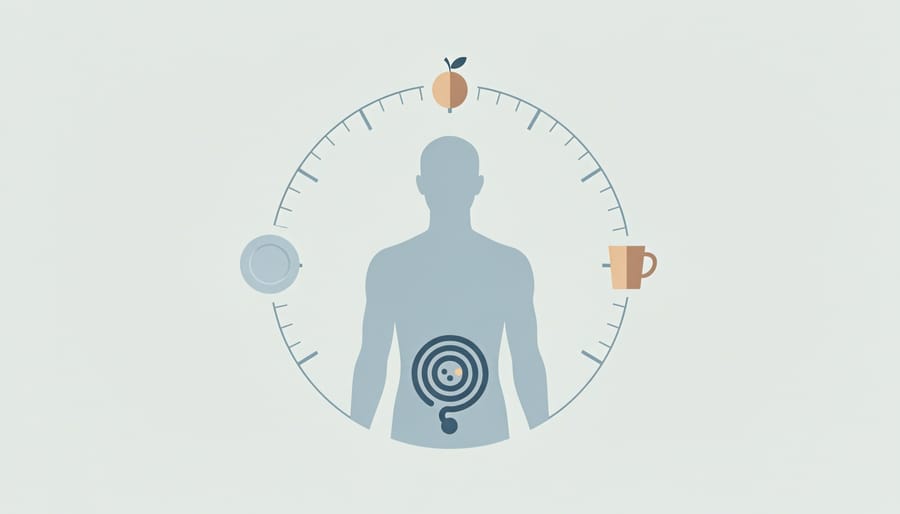
Your Body’s Internal Clock
Your body operates on an internal 24-hour clock called your circadian rhythm, which influences nearly every aspect of your health, including when your body is best prepared to process food. This biological timekeeper, regulated primarily by light exposure and eating patterns, controls the release of digestive enzymes, hormones like insulin and cortisol, and your metabolic rate throughout the day.
Research shows that your digestive system is most efficient during daylight hours, particularly in the morning and early afternoon. During these times, your body produces higher levels of digestive enzymes and demonstrates greater insulin sensitivity, making it better equipped to process carbohydrates and convert food into energy rather than storing it as fat.
As evening approaches, your metabolism naturally slows down in preparation for sleep and cellular repair. Your pancreas becomes less responsive to insulin, and digestive processes become sluggish. This means identical meals eaten at different times of day can have notably different effects on your blood sugar levels, energy, and fat storage.
Understanding this internal rhythm helps explain why timing your meals strategically can enhance weight management, improve energy levels, and support better metabolic health outcomes.
The Connection Between Fasting and Nutrient Timing
Fasting and nutrient timing work hand-in-hand to optimize your body’s metabolic responses throughout the day. When you fast, whether overnight or through structured approaches, your body shifts from storing nutrients to burning stored energy. This creates a clean slate for when you do eat, allowing your body to process nutrients more efficiently.
Strategic fasting periods enhance insulin sensitivity, meaning your cells respond better to the nutrients you consume during eating windows. The intermittent fasting benefits extend beyond weight management to include improved blood sugar control and reduced inflammation. By combining fasting with thoughtful nutrient timing, you’re essentially teaching your body when to expect fuel, which can improve digestion and energy utilization.
This approach doesn’t require extreme measures. Even a consistent overnight fast of 12-14 hours, followed by a well-timed breakfast with protein and complex carbohydrates, creates beneficial metabolic patterns. The key is consistency, allowing your body to adapt and optimize its natural rhythms for processing nutrients effectively throughout your day.
How Different Timing Strategies Affect Your Health

Time-Restricted Eating
Time-restricted eating (TRE) is a straightforward approach to timing your meals that focuses on when you eat rather than what you eat. This pattern involves consuming all your daily calories within a specific window of time, typically ranging from 8 to 10 hours, and fasting for the remaining 14 to 16 hours of each day. For example, you might eat all your meals between 10:00 AM and 6:00 PM, then fast until the next morning.
This eating pattern works with your body’s natural circadian rhythms and triggers beneficial metabolic shifts during fasting periods. During the fasting window, your body transitions from using glucose as its primary fuel source to burning stored fat for energy, which can support healthy weight management.
Research shows that time-restricted eating offers several metabolic benefits. One of the most notable is improved insulin sensitivity, meaning your cells become better at responding to insulin and managing blood sugar levels. This can be particularly helpful for Canadians looking to reduce their risk of type 2 diabetes. Additionally, TRE has been shown to enhance fat metabolism, helping your body become more efficient at using fat stores for energy.
Many people find time-restricted eating easier to maintain than traditional calorie-counting diets because it provides clear boundaries without requiring you to drastically change what you eat. Starting with a 10-hour eating window and gradually narrowing it as your body adapts can make the transition more comfortable and sustainable.
Meal Frequency and Spacing
The debate between three square meals versus grazing throughout the day has been ongoing for years, but research suggests the answer isn’t one-size-fits-all. Recent studies indicate that meal frequency matters less than the overall quality of your diet and your total daily calorie intake. What does appear to matter is consistent meal spacing that aligns with your natural circadian rhythm.
Most evidence supports eating within a 12-hour window, allowing for a natural overnight fast of at least 12 hours. This pattern gives your digestive system adequate time to rest and supports metabolic health. For many Canadians, this might mean having breakfast between 7-8 a.m. and finishing dinner by 7-8 p.m.
Whether you choose three larger meals or five smaller ones depends on your lifestyle, hunger cues, and health goals. Athletes or those with physically demanding jobs may benefit from more frequent eating to maintain energy levels, while others find three balanced meals with planned snacks works best.
The key is avoiding prolonged gaps that lead to extreme hunger and subsequent overeating, while also preventing constant grazing that doesn’t allow insulin levels to normalize between meals. Listen to your body’s hunger signals and maintain regular eating patterns that support your daily routine and energy needs.
Pre- and Post-Exercise Nutrition Timing
When you exercise, your body depletes energy stores and breaks down muscle tissue. Strategic nutrition timing around your workouts can significantly enhance your recovery, performance, and results.
Before exercise, aim to eat a balanced meal containing carbohydrates and protein 2-3 hours beforehand. This provides sustained energy and helps prevent muscle breakdown. If you’re exercising within an hour, choose a lighter snack like a banana or a small smoothie to avoid digestive discomfort.
After exercise, your body enters a prime recovery window. Consuming protein and carbohydrates within 30 minutes to 2 hours post-workout helps repair muscle tissue and replenish glycogen stores. Research shows this period is particularly important for maximizing muscle protein synthesis and recovery. Good post-workout options include Greek yogurt with fruit, a turkey sandwich, or a protein shake with a piece of fruit.
The exact timing matters most for those engaging in intense or prolonged exercise sessions. For moderate activity like walking or gentle yoga, standard meal timing works well. Listen to your body and adjust based on your energy levels and performance goals. Remember, consistent nutrition patterns throughout the day support your overall fitness journey alongside targeted pre- and post-workout fueling.
Practical Timing Strategies You Can Start Today
Creating Your Eating Window
Start by identifying your natural energy patterns and existing daily commitments. Most Canadians find success with an 8-12 hour eating window that aligns with their work schedule. Begin with your current routine, then gradually adjust meal times by 30-minute increments over several weeks rather than making drastic changes overnight.
Consider your earliest morning obligation and latest evening activity when transforming your eating habits. If you start work at 8 AM, an eating window from 7 AM to 7 PM may be realistic. For shift workers, maintain consistency on your work days, adjusting your window to start 1-2 hours after waking.
Plan your window around family mealtimes whenever possible, as eating together supports both social wellbeing and adherence to your schedule. Choose a start time you can maintain on weekends too, as consistency matters more than perfection. Allow yourself a one-hour flexibility buffer for social occasions or unexpected schedule changes.
Track your hunger cues, energy levels, and mood for two weeks using a simple journal or phone app. This data helps you refine your window based on how your body responds, not just external demands.

Front-Loading Your Calories
Research shows that aligning your eating patterns with your body’s natural rhythms can significantly impact how you process food. Your metabolism runs most efficiently during daylight hours, making breakfast and lunch ideal times for larger meals.
Front-loading your calories means consuming more food earlier in the day when your body is better equipped to convert it into energy rather than store it as fat. This approach supports stable blood sugar levels throughout the day and may help reduce evening cravings.
For breakfast, aim for a balanced meal combining protein, healthy fats, and complex carbohydrates. Try scrambled eggs with whole grain toast and avocado, or Greek yogurt topped with nuts, seeds, and berries. These options provide sustained energy without causing blood sugar spikes.
Your lunch should be similarly substantial. Consider options like grilled chicken or salmon with quinoa and roasted vegetables, or a hearty bean and vegetable soup with a whole grain roll. Including fiber-rich foods helps you feel satisfied longer.
This eating pattern doesn’t mean skipping dinner entirely. Instead, make your evening meal lighter and aim to finish eating at least two to three hours before bedtime, allowing your body adequate time to digest before sleep.

The Evening Cut-Off Strategy
Establishing an evening eating cut-off time can support better digestion and sleep quality. Research suggests finishing your last meal 2-3 hours before bedtime allows your body to focus on restorative processes rather than digestion during sleep. For most Canadians, this means setting a cut-off time between 7:00 and 8:00 PM, depending on your sleep schedule.
If you experience late-night hunger, try these evidence-based strategies. First, ensure your dinner includes adequate protein and fiber to promote lasting fullness. Drinking herbal tea or water can help differentiate between true hunger and thirst or boredom. Light stretching or a short walk can also redirect cravings while supporting relaxation.
When genuine hunger strikes, choose a small, easily digestible option like a handful of nuts, plain yogurt, or a piece of fruit rather than processed snacks. The key is listening to your body while maintaining consistent boundaries. If you regularly feel ravenous in the evening, consider whether you’re eating enough throughout the day or if stress and emotions are triggering nighttime eating patterns. Adjusting your daytime nutrition often resolves late-night hunger naturally.
Timing Nutrition for Specific Health Goals
For Weight Management
When your goal is managing weight, the timing of your meals can be just as important as what you eat. Research shows that extending your overnight fast to 12-14 hours may support weight loss by allowing your body to shift from storing energy to burning fat. This means if you finish dinner by 7 PM, you’d have breakfast around 8-9 AM the next morning.
Front-loading your calories earlier in the day aligns with your body’s natural metabolism. Consider making breakfast and lunch your larger meals, then keeping dinner lighter. This approach works with your body’s circadian rhythm, which processes food more efficiently during daylight hours.
Consistency matters too. Try to eat your meals at roughly the same times each day. This regular schedule helps regulate hunger hormones and may reduce late-night snacking urges. Many Canadians find success with three balanced meals without snacking between them, giving their digestive system regular breaks.
If you’re incorporating physical activity, timing your larger meals within two hours after exercise can help with recovery while supporting your metabolism. Remember, sustainable weight management comes from patterns you can maintain long-term, so choose timing strategies that fit comfortably into your lifestyle.
For Blood Sugar Control
When you eat can be just as important as what you eat for maintaining healthy blood sugar levels. Consistent meal timing helps your body anticipate and prepare for incoming nutrients, leading to more stable glucose responses throughout the day.
Research shows that eating earlier in the day, when your body’s insulin sensitivity is naturally higher, can improve blood sugar control. A substantial breakfast followed by gradually smaller meals aligns with your natural circadian rhythm and can reduce glucose spikes compared to eating larger meals later in the day.
For those managing diabetes or prediabetes, spacing meals evenly throughout the day—typically every 4-5 hours—helps prevent dramatic blood sugar fluctuations. Avoiding late-night eating is particularly beneficial, as your body’s ability to process glucose decreases in the evening.
Time-restricted eating, where you consume all meals within a consistent 10-12 hour window, has shown promise in improving insulin sensitivity and reducing diabetes risk. However, consistency matters most. Eating at regular times daily helps regulate your metabolic hormones and can lead to better long-term blood sugar management than irregular eating patterns.
For Mental Clarity and Energy
Strategic eating times can significantly enhance your cognitive performance and sustain your energy levels throughout the day. Starting your morning with a balanced breakfast within an hour of waking helps stabilize blood glucose and supports mental clarity and energy for the hours ahead.
To maintain steady focus, aim to eat every 3-4 hours, preventing the energy crashes that come from long gaps between meals. Including protein with each meal helps slow digestion and provides sustained fuel for your brain. Complex carbohydrates paired with healthy fats at lunch can prevent the mid-afternoon slump many Canadians experience.
For optimal cognitive function, avoid heavy meals during peak work hours, as digestion diverts blood flow from the brain. Instead, choose lighter, nutrient-dense snacks like nuts, fruit, or yogurt. Timing your largest meal earlier in the day, rather than late evening, can improve morning alertness and overall energy patterns, supporting better productivity and mental performance.
Common Mistakes and How to Avoid Them
Being Too Rigid With Timing
While timing nutrition offers valuable benefits, being overly strict about meal schedules can create unnecessary stress and potentially harm your relationship with food. Life happens, and your nutrition approach should adapt accordingly.
When social events, travel, or unexpected changes arise, flexibility is essential. Missing your usual eating window occasionally won’t derail your progress. If you practice time-restricted eating but have a dinner invitation outside your window, prioritize the social connection. You can return to your regular pattern the next day.
During travel across time zones, gradually adjust your eating schedule rather than forcing your body into rigid patterns. This approach helps manage jet lag while maintaining nutritional consistency.
Life changes like shift work, new exercise routines, or seasonal schedule adjustments may require rethinking your timing strategy. Listen to your body’s hunger cues and energy levels. If you feel constantly fatigued or irritable, your current timing approach may need modification.
The goal is sustainable habits that enhance your wellbeing, not perfection. A flexible, personalized approach that works with your lifestyle will always outperform rigid rules that create stress.
Ignoring Hunger and Fullness Signals
While timing strategies can support your health goals, they work best when combined with mindful eating practices. Your body sends important hunger and fullness signals that shouldn’t be ignored, even when following a structured eating schedule. Feeling genuine hunger before your planned eating window isn’t a sign of failure—it’s your body communicating its needs.
If you’re consistently experiencing intense hunger, dizziness, or difficulty concentrating, your current timing approach may need adjustment. These symptoms suggest your nutrition plan might be too restrictive for your individual needs. Start with flexible timing windows and gradually refine them based on how you feel. Remember that timing nutrition is meant to enhance your wellbeing, not create stress or discomfort.
Listen to your body’s cues alongside your chosen schedule. Some days you may need to eat earlier or more frequently, especially during periods of increased physical activity, stress, or hormonal changes. This balanced approach ensures timing strategies remain sustainable and supportive of your overall health rather than becoming another source of rigid dietary rules.
Timing nutrition offers a promising approach to supporting your overall health, from managing blood sugar to improving sleep quality. The key takeaways are clear: when you eat may matter as much as what you eat. Aligning your meals with your body’s natural circadian rhythms, considering strategic nutrient timing around physical activity, and exploring time-restricted eating patterns can all contribute to better health outcomes.
However, timing nutrition isn’t a one-size-fits-all solution. Your optimal eating schedule depends on your unique lifestyle, work commitments, health goals, and personal preferences. Start small by making gradual adjustments, like eating your last meal a bit earlier or having breakfast within an hour of waking. Pay attention to how these changes affect your energy, sleep, and overall well-being.
Remember that timing nutrition is just one tool in your wellness toolkit. It works best alongside other healthy habits like balanced nutrition, regular physical activity, adequate sleep, and stress management. While research shows promising benefits, it’s important to be aware of potential risks, especially with more restrictive approaches.
Before making significant changes to your eating patterns, particularly if you have existing health conditions, are pregnant, or take medications, consult with your healthcare provider or a registered dietitian. They can help you develop a personalized approach that supports your individual health needs and goals.