

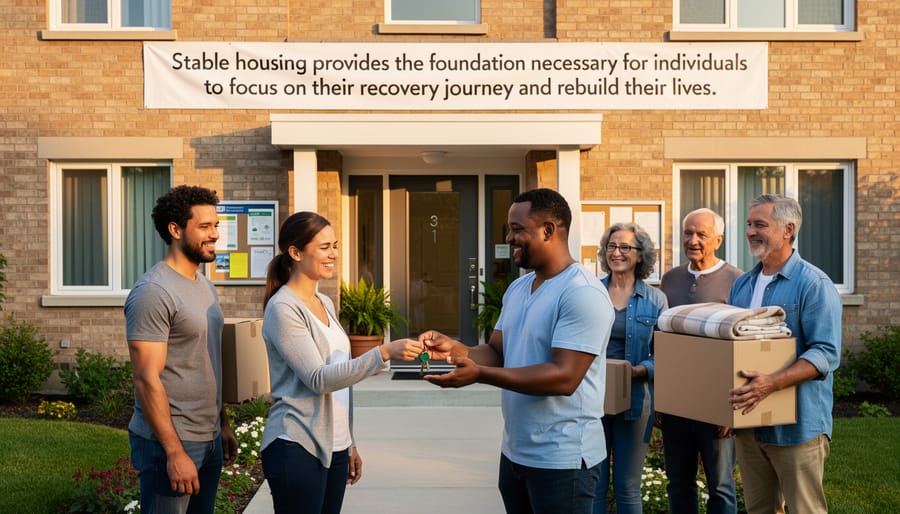
Housing stability dramatically improves substance use recovery outcomes, with research published in the Journal of Substance Abuse Treatment showing that individuals with secure housing are 2-3 times more likely to maintain long-term sobriety than those experiencing housing instability. Understand that stable housing provides the foundation for successful treatment by reducing daily survival stress, enabling consistent attendance at therapy appointments, and creating space for healing routines that support recovery.
Recognize the bidirectional relationship between housing and addiction treatment. Substance use disorders frequently lead to housing loss through financial strain, damaged relationships, and difficulty maintaining employment. Conversely, homelessness or unstable living situations intensify substance use as individuals cope with trauma, environmental triggers, and limited access to healthcare services. Breaking this cycle requires integrated approaches that address both challenges simultaneously rather than treating them as separate issues.
Prioritize Housing First models, which Canadian communities increasingly adopt as evidence-based interventions. These programs provide immediate access to permanent housing without requiring sobriety first, combined with wraparound support services including addiction counseling, mental health care, and case management. Research demonstrates that Housing First participants show significant reductions in substance use, emergency department visits, and incarceration rates compared to treatment-as-usual approaches.
Access peer-reviewed evidence from the Journal of Substance Abuse Treatment to inform recovery planning. Studies consistently show that supportive housing environments with on-site or coordinated treatment services produce superior outcomes compared to housing alone or treatment alone. The journal’s research emphasizes person-centered care, harm reduction principles, and the critical timing of housing interventions during early recovery phases when individuals face heightened vulnerability to relapse.
The Housing-Recovery Connection: What Research Tells Us
Why Housing Instability Derails Recovery
Housing instability creates multiple barriers that make successful recovery from substance use disorders significantly more challenging. When someone lacks a stable place to live, they face constant stress from meeting basic survival needs like finding safe shelter, accessing food, and protecting personal belongings. This ongoing survival mode leaves little mental or emotional energy for the demanding work of recovery.
Without stable housing, individuals remain exposed to high-risk environments where substances are readily available and social pressures to use are constant. Former associates and familiar triggers become difficult to avoid when living on the streets or in temporary shelters where substance use may be prevalent. This exposure dramatically increases relapse risk, even for those committed to sobriety.
Maintaining treatment schedules becomes nearly impossible without a stable address. Attending regular counseling appointments, participating in group therapy, or following medication schedules requires reliable transportation, communication, and organization—all significantly harder when experiencing homelessness. Many treatment programs also require a fixed address for enrollment, creating catch-22 situations where people cannot access treatment without housing but struggle to secure housing without completing treatment.
Recovery requires a safe, quiet space for reflection, healing, and rebuilding one’s life. Unstable housing means lacking privacy for difficult emotional work, missing consistent sleep that supports physical and mental health, and having no secure environment to practice new coping strategies. Research published in substance abuse treatment journals consistently shows that individuals with stable housing have substantially better treatment outcomes, lower relapse rates, and improved long-term recovery prospects compared to those without secure homes.
The Measurable Benefits of Stable Housing
Research consistently shows that stable housing creates a foundation for successful substance use recovery. Studies published in addiction treatment journals demonstrate that individuals with secure housing are significantly more likely to complete treatment programs and maintain their recovery long-term.
Treatment retention rates improve dramatically when people have a safe place to live. Research indicates that individuals in stable housing are 2-3 times more likely to remain engaged in treatment compared to those experiencing housing instability. This consistent engagement allows for better therapeutic relationships and more effective intervention strategies.
Relapse rates also decrease substantially with housing stability. Evidence shows that people with secure housing experience fewer substance use relapses during their first year of recovery. The predictable environment reduces stress and exposure to triggers that often precipitate return to substance use.
Mental health outcomes show remarkable improvement when housing needs are met. Studies reveal reduced symptoms of depression and anxiety among individuals who transition from unstable to stable living situations during treatment. This mental health stability directly supports recovery efforts and overall wellbeing.
Employment outcomes strengthen significantly with housing stability. Research demonstrates that individuals with secure housing are more likely to obtain and maintain employment during recovery. Having a permanent address facilitates job applications, enables consistent work schedules, and provides the stability needed to build professional relationships. These employment gains further reinforce recovery by providing purpose, routine, and financial independence that support long-term wellness.
Housing-First Approaches in Canadian Recovery Programs
How Housing First Works
Housing First programs operate on a fundamentally different approach than traditional treatment models. Rather than requiring individuals to achieve sobriety before accessing stable housing, this evidence-based model provides immediate, permanent housing as the foundation for recovery.
The core principle is straightforward: stable housing comes first, without preconditions. Research published in the Journal of Substance Abuse Treatment demonstrates that when people have safe, secure housing, they’re better positioned to address substance use challenges and other health concerns. This approach recognizes that asking someone to maintain sobriety while living in unstable or unsafe conditions creates an nearly impossible barrier to success.
Once housed, participants receive wraparound support services tailored to their individual needs. These services may include addiction counseling, mental health support, employment assistance, life skills training, and connections to healthcare providers. Importantly, these services are offered but never mandatory. The individual chooses which supports they want to access and when they’re ready to engage with them.
Housing First programs embrace a harm reduction approach, meeting people where they are in their recovery journey. This means participants can continue using substances while maintaining their housing, reducing risks associated with unsafe living conditions and promoting gradual positive changes rather than demanding immediate abstinence.
Client choice remains central throughout the process. Participants select their housing location when possible, decide which support services to use, and set their own recovery goals. This empowerment fosters dignity, builds trust with service providers, and increases long-term success rates. Studies show this respectful, person-centered approach leads to better housing retention and improved health outcomes compared to traditional treatment-first models.

Success Stories Across Canada
Across Canada, Housing First programs have demonstrated remarkable success in supporting people with substance use challenges. These initiatives prioritize getting individuals into stable housing immediately, without requiring sobriety first, and the results speak for themselves.
In Toronto, the At Home/Chez Soi project showed that participants in Housing First programs experienced a 40% reduction in substance use severity over two years. The program housed over 500 individuals, with 80% maintaining their housing after 24 months. Participants also reported improved mental health and reduced emergency room visits, demonstrating that stable housing creates a foundation for recovery.
Vancouver’s Housing First program has similarly impressive outcomes. Research published in the Journal of Substance Abuse Treatment found that participants reduced their days of substance use by 30% within the first year. The program also achieved an 85% housing retention rate, proving that providing unconditional housing support works even for individuals with active addictions.
In Calgary, the Calgary Homeless Foundation’s Housing First initiative has housed more than 10,000 people since 2008. Follow-up studies revealed that formerly homeless individuals with substance use disorders maintained housing stability at rates exceeding 85%, while simultaneously engaging more consistently with addiction treatment services.
These success stories demonstrate a clear pattern: when Canadians struggling with substance use receive stable housing first, they’re better positioned to address their addiction challenges, improve their health, and rebuild their lives with dignity and support.
Types of Housing Support Available for Recovery
Supportive Housing Programs
Supportive housing programs offer a stable living environment combined with comprehensive addiction treatment services, creating an integrated approach to recovery. These residential settings provide individuals with a safe place to live while accessing on-site counseling, medical support, and structured programming designed to address substance use challenges.
Research published in the Journal of Substance Abuse Treatment shows that stable housing significantly improves treatment outcomes. Participants receive individual and group therapy, relapse prevention education, and medication-assisted treatment when appropriate. Life skills training forms a crucial component, helping residents develop practical abilities like budgeting, meal planning, job searching, and conflict resolution.
Canadian supportive housing models typically operate on a continuum of care, ranging from highly structured environments with 24-hour supervision to more independent settings with scheduled support services. Many programs incorporate peer support networks, connecting residents with others who understand recovery challenges firsthand.
The duration of stay varies based on individual needs, with some programs offering short-term stabilization while others provide long-term housing with ongoing support. This flexibility allows treatment plans to adapt as residents progress in their recovery journey. Evidence demonstrates that combining stable housing with accessible addiction services reduces emergency room visits, hospitalizations, and involvement with the justice system while improving overall health and quality of life.
Transitional Housing
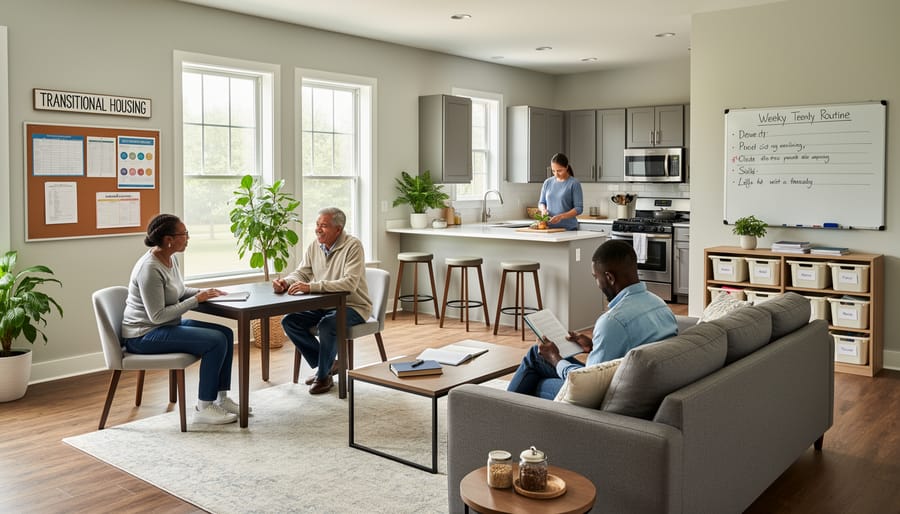
Transitional housing serves as a crucial stepping stone for individuals moving from structured treatment environments toward independent living. These programs typically provide safe, supportive accommodation for three to twelve months, offering residents time to build life skills, secure employment, and strengthen their recovery foundation without the immediate pressures of complete independence.
Research published in the Journal of Substance Abuse Treatment shows that individuals who access transitional housing after treatment have significantly better long-term recovery outcomes compared to those who return directly to unstable living situations. These programs combine affordable housing with varying levels of support, including case management, peer mentorship, and connections to community resources.
In Canada, transitional housing options range from supervised residences with on-site staff to semi-independent apartments with periodic check-ins. Many programs incorporate recovery-focused elements such as house meetings, accountability structures, and drug-free environments while allowing residents to gradually rebuild autonomy. Eligibility requirements vary, but most programs prioritize individuals completing formal treatment who demonstrate commitment to recovery.
Finding appropriate transitional housing often begins with discussions during treatment discharge planning. Social workers, addiction counselors, and community organizations can help navigate local options and application processes, ensuring a smoother transition that supports sustained recovery and reduces relapse risk.
Permanent Supportive Housing
Permanent supportive housing combines affordable, stable accommodation with wraparound support services designed to help people maintain their recovery long-term. This approach particularly benefits individuals with concurrent disorders or complex needs who may struggle in traditional housing environments.
Research published in the Journal of Substance Abuse Treatment shows that permanent supportive housing significantly reduces substance use relapses, emergency room visits, and homelessness while improving overall quality of life. Unlike time-limited transitional housing, residents can stay as long as needed without fear of eviction due to relapse or setbacks.
On-site or closely connected services typically include case management, mental health counseling, addiction support, life skills training, and assistance with employment or education. Staff members work collaboratively with residents to develop personalized support plans that respect individual goals and recovery timelines.
In Canada, several provinces have expanded permanent supportive housing initiatives, recognizing that housing stability forms the foundation for successful recovery. These programs operate on a Housing First philosophy, prioritizing immediate housing access without requiring sobriety as a precondition. This compassionate, evidence-based approach acknowledges that recovery looks different for everyone and provides the stable environment necessary for meaningful healing and personal growth.
Sober Living Homes
Sober living homes offer a supportive middle ground between intensive treatment programs and independent living. These peer-supported residences provide substance-free environments where residents share responsibilities, attend regular house meetings, and hold each other accountable. Research published in substance abuse treatment journals shows that structured sober living arrangements significantly improve long-term recovery outcomes. Residents benefit from established house rules, including mandatory drug testing, curfews, and participation in recovery activities. This community-based approach helps individuals develop healthy routines, build social connections with others in recovery, and gradually transition back to everyday life. Access to sober living homes varies across Canada, with some provinces offering subsidized options through provincial health programs.
How to Access Housing Support for Recovery in Canada
Starting Points: Where to Get Help
If you or someone you care about is accessing recovery services and needs housing support, several trusted resources can help connect you to appropriate programs.
Start with your provincial health authority, which coordinates addiction and mental health services across Canada. In Ontario, contact ConnexOntario at 1-866-531-2600. British Columbia residents can reach the Alcohol and Drug Information and Referral Service at 1-800-663-1441. Other provinces offer similar toll-free helplines listed on their health ministry websites.
Municipal housing departments maintain waitlists for subsidized housing and can provide information about rent supplements specifically available for people in recovery. Contact your city or regional housing office directly to learn about eligibility requirements and application processes.
Non-profit organizations like the Canadian Mental Health Association and local chapters of the Salvation Army operate supported housing programs in many communities. These agencies understand the unique challenges of maintaining recovery while securing stable housing and can guide you through available options.
Treatment centers themselves often have dedicated staff who help clients navigate housing resources. Ask your counselor, case manager, or social worker about housing support services. They frequently maintain relationships with landlords willing to rent to individuals in recovery and know about specialized housing programs.
The Canada Mortgage and Housing Corporation website provides information about affordable housing initiatives and can direct you to regional programs. Additionally, 211 services available across most provinces offer free, confidential information about community and social services, including housing assistance for people in recovery.
What to Expect During the Application Process
Applying for housing support during substance use recovery involves several standard steps, though timelines vary across programs. First, you’ll typically complete an intake assessment where a case manager evaluates your current situation, treatment history, and housing needs. This conversation helps match you with appropriate programs and isn’t meant to be judgmental—it’s about finding the right fit for your recovery journey.
Most programs require documentation of your treatment participation or enrollment, proof of income or income status, and identification. Some may request references from healthcare providers or counselors. Be prepared for potential waitlists, which can range from weeks to several months depending on your location and program availability. While waiting can feel discouraging, many programs offer interim support like temporary shelter referrals or case management services.
Eligibility criteria generally focus on your commitment to recovery rather than requiring you to be completely substance-free. Research shows that housing stability actually improves treatment outcomes, so programs recognize that secure housing is part of the healing process, not something you must earn after recovery. Stay in regular contact with your case manager, keep documentation current, and continue engaging with your treatment plan to strengthen your application.
Supporting Your Recovery While You Wait for Housing
Navigating recovery without stable housing presents unique challenges, but there are practical steps you can take to protect your health and progress toward your goals. Research shows that engaging with support services consistently, even while unhoused, significantly improves treatment outcomes.
Start by establishing regular contact with local substance use services, even if you’re not ready for full treatment. Drop-in centres, safe consumption sites, and outreach programs offer crucial connections to healthcare providers, social workers, and peer support. These touchpoints help maintain continuity of care and provide access to essential resources like naloxone kits, clean supplies, and medical attention.
Harm reduction strategies are particularly important during this transitional period. Focus on small, achievable steps rather than perfect outcomes. This might include using substances in safer environments when possible, never using alone, carrying naloxone, and staying hydrated and nourished.
Building a support network is equally vital. Connect with peer support groups specifically designed for people experiencing homelessness and substance use challenges. Many Canadian communities offer specialized programs that understand the intersection of these issues. Don’t hesitate to reach out to friends, family members, or community members who can offer encouragement without judgment.
Keep important documents in waterproof bags and maintain a list of emergency contacts, including crisis lines and local shelters. Track your progress, no matter how small—every day you engage with services or practice self-care is a step forward. Remember that recovery isn’t linear, and setbacks don’t erase your progress. Many Canadians have successfully transitioned from homelessness to stable housing while managing substance use, and support services are available to help you do the same.

The evidence is clear: housing is not a luxury but a fundamental foundation for successful substance use recovery. Just as we wouldn’t expect someone to heal from a physical illness while sleeping in the cold, we cannot expect lasting recovery from addiction without the stability and safety that housing provides.
If you or someone you care about is struggling with substance use and facing housing challenges, please know that help is available. Across Canada, community organizations, healthcare providers, and social services are working together to provide integrated support that addresses both housing needs and addiction treatment. Recovery is possible, and you don’t have to face these challenges alone.
The research published in the Journal of Substance Abuse Treatment and supported by Canadian studies demonstrates that evidence-based solutions exist. Housing-first programs, supportive housing models, and coordinated care approaches have helped thousands of Canadians achieve stable recovery. These aren’t theoretical concepts—they’re proven interventions making real differences in communities from coast to coast.
Your healing journey deserves both shelter and support. Whether you’re taking the first step toward recovery or supporting a loved one through this process, remember that asking for help is a sign of strength, not weakness. Connect with local addiction services, housing support programs, or your healthcare provider to explore the options available in your community.
With the right combination of stable housing and compassionate, evidence-based treatment, recovery isn’t just possible—it’s within reach. Hope exists, help is available, and healing can begin today.