
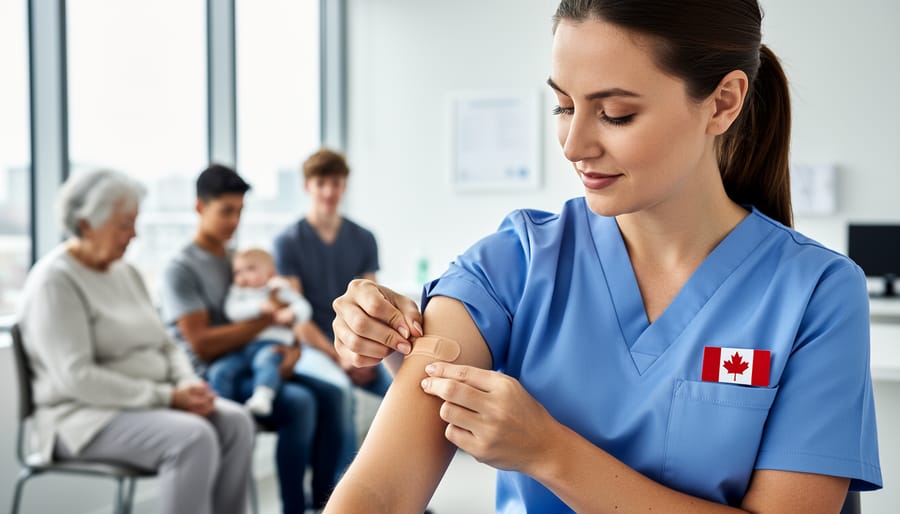
Vaccination stands as one of modern medicine’s greatest achievements, preventing millions of deaths annually and protecting communities across Canada from diseases that once devastated entire populations. When you receive a vaccine, you’re not just safeguarding your own health—you’re contributing to a protective shield that helps defend those who cannot be vaccinated, including newborns, elderly individuals, and people with compromised immune systems.
Understand how vaccines work by recognizing they train your immune system to recognize and fight specific diseases without causing the illness itself. This preparation allows your body to respond quickly and effectively if exposed to the actual disease, often preventing infection entirely or significantly reducing symptom severity.
Protect vulnerable community members through herd immunity, which occurs when enough people are vaccinated that disease transmission becomes extremely difficult. This collective protection is especially critical for infants too young for certain vaccines and individuals undergoing cancer treatment or living with conditions that weaken their immune response.
Access free vaccines through provincial and territorial programs that cover routine childhood immunizations, annual flu shots, and other recommended vaccines based on age and risk factors. Most Canadians can receive these vaccines at no cost through public health clinics, pharmacies, and family doctors.
The science is clear: vaccines undergo rigorous safety testing before approval and continuous monitoring afterward. Serious side effects remain extremely rare, while the risks of vaccine-preventable diseases—including hospitalization, permanent disability, and death—far outweigh any temporary discomfort from vaccination. Making informed vaccination decisions protects both individual health and strengthens the public health foundation that keeps Canadian communities thriving.
How Vaccines Build Your Body’s Defense System
Think of your immune system as your body’s personal security team. Vaccines work like training sessions that prepare this team to recognize and fight specific threats without you having to experience the actual disease.
When you receive a vaccine, it introduces a weakened, inactive, or partial version of a virus or bacteria into your body. This might sound counterintuitive, but here’s the brilliant part: your immune system doesn’t know it’s just a practice drill. It responds as if facing the real threat, creating specialized proteins called antibodies and activating immune cells designed to attack that specific invader.
This process is similar to a fire drill at school. During the drill, you learn the escape routes and procedures without facing actual danger. When a real emergency occurs, you know exactly what to do. Similarly, after vaccination, your immune system remembers the invader. If you’re later exposed to the actual disease, your body launches a swift, effective response before the illness can take hold.
The memory created by vaccines can last years or even a lifetime, depending on the vaccine type. Some vaccines provide complete protection, while others significantly reduce the severity of illness if you do get infected. Both outcomes are valuable for your health.
Your body naturally works to strengthen your immune system every day, but vaccines give it a specific advantage against dangerous diseases. The mild side effects some people experience, like soreness or low-grade fever, are actually signs that your immune system is building this protective memory. These temporary reactions are far safer than risking the serious complications that can come from actual infections.
The Ripple Effect: Community Immunity Explained
When you choose to vaccinate, you’re not just protecting yourself—you’re creating a shield around those who need it most. This protective effect, known as community immunity or herd immunity, occurs when enough people in a population are vaccinated against a disease, making it difficult for that illness to spread.
Think of it like a forest fire. When there aren’t enough dry trees close together, the fire can’t jump from one to the next and eventually burns out. Similarly, when most people are immune to a disease, there aren’t enough susceptible individuals for it to spread effectively through the community.
This protective barrier is critical for Canadians who cannot receive certain vaccines due to medical reasons. Newborn babies are too young for many vaccines and rely entirely on those around them being immunized. People undergoing chemotherapy or living with conditions that weaken their immune systems may not respond to vaccines or cannot safely receive them. The elderly sometimes have reduced immune responses, making community protection essential even when they are vaccinated themselves.
Real Canadian examples demonstrate this protective effect powerfully. During the 2011 measles outbreak in Quebec, most cases occurred among unvaccinated individuals, while those in communities with high vaccination rates remained protected even when exposed to the virus. Similarly, public health experts note that maintaining high pertussis (whooping cough) vaccination rates in Canadian communities is vital for protecting infants too young to complete their immunization series.
Research shows that when vaccination coverage drops below critical thresholds—typically around 90 to 95 percent depending on the disease—outbreaks become more likely. British Columbia saw this firsthand during the 2014 measles outbreak, which primarily affected unvaccinated children but put entire communities at risk.
By staying up to date with your vaccinations, you become part of a community-wide safety net, helping protect neighbours, family members, and fellow Canadians who depend on collective immunity for their health and wellbeing. Your vaccination choice truly makes a difference beyond yourself.
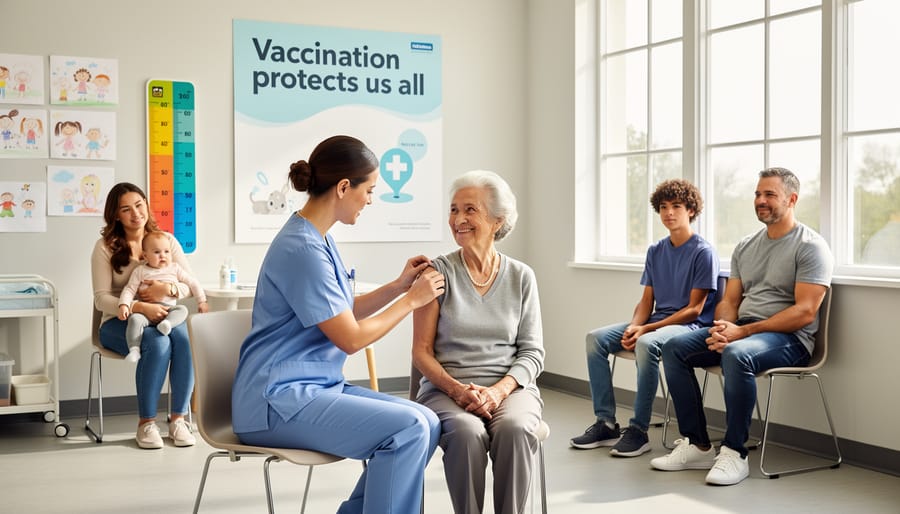
Canada’s Vaccination Programs: What’s Available to You
Childhood Immunization Schedules
In Canada, following childhood vaccination schedules helps protect children from serious diseases during their most vulnerable years. Vaccination begins shortly after birth with the hepatitis B vaccine, followed by a series of immunizations at 2, 4, 6, 12, and 18 months of age. These early vaccines protect against conditions like diphtheria, tetanus, pertussis (whooping cough), polio, and measles, mumps, and rubella.
As children grow, they receive booster shots to maintain immunity. Between ages 4 and 6, before starting school, kids typically get additional doses of certain vaccines. The adolescent years bring another round of immunizations, including the human papillomavirus (HPV) vaccine around age 9 to 13 and meningococcal vaccine in the teenage years.
Provincial and territorial health programs provide these vaccines free of charge to ensure all Canadian children can be protected. Your healthcare provider will guide you through the specific schedule for your province and help track your child’s immunization progress through routine well-child visits.
Adult and Senior Vaccination Needs
Vaccination doesn’t stop in childhood. Many adults are unaware they need regular immunizations to maintain protection throughout their lives. The National Advisory Committee on Immunization recommends several vaccines specifically for Canadian adults based on age, health status, and lifestyle factors.
Annual flu shots remain important at every age, as influenza continues to pose serious health risks, particularly for those with chronic conditions. Adults should also receive tetanus-diphtheria boosters every ten years to maintain immunity. The shingles vaccine is recommended for adults over 50, helping prevent this painful condition that affects one in three Canadians during their lifetime.
Pneumococcal vaccines protect against serious infections and are particularly important for adults 65 and older, as well as younger adults with certain health conditions. The COVID-19 vaccine and its boosters continue to be recommended, with updated formulations released regularly.
Many Canadians have incomplete vaccination records or missed boosters during adulthood. Speaking with your healthcare provider about your immunization history ensures you’re adequately protected. Provincial health programs often provide these vaccines at no cost for eligible age groups, making it easier to stay current. Staying up-to-date with adult vaccinations not only protects your health but also safeguards vulnerable family members and community members who may have weakened immune systems.
Travel and Special Circumstances
Certain situations require vaccines beyond routine schedules to protect your health. If you’re travelling internationally, consult a healthcare provider 6-8 weeks before departure to discuss destination-specific vaccines like typhoid, yellow fever, or Japanese encephalitis. Pregnant individuals may need additional vaccines such as Tdap and influenza to protect both mother and baby. People with weakened immune systems, chronic conditions, or those over 65 often benefit from extra protection through vaccines like pneumococcal or shingles vaccines. Your healthcare provider can assess your individual circumstances and recommend appropriate immunizations to keep you safe during travel or special life stages.
The Diseases We’ve Nearly Forgotten (Thanks to Vaccines)
It’s remarkable how quickly we forget the diseases that once devastated families across Canada. Just a few generations ago, parents lived in constant fear of infections that are now virtually unknown to most Canadians. Vaccination programs have transformed our health landscape so completely that many serious diseases have become medical history rather than present-day threats.
Polio serves as perhaps the most dramatic example. In the early 1950s, Canadian hospitals filled with children in iron lungs, struggling to breathe as the virus paralyzed their respiratory muscles. The 1953 epidemic saw over 9,000 cases reported across the country. Parents kept children indoors during summers, and public swimming pools closed in fear. Today, thanks to widespread vaccination, Canada hasn’t seen a domestically acquired polio case since 1977. The disease that once paralyzed thousands now exists only in history books and the memories of older Canadians.
Measles tells a similar story. Before routine vaccination began in 1963, nearly every Canadian child contracted measles, resulting in hundreds of hospitalizations and dozens of deaths annually. The virus could cause brain inflammation, pneumonia, and permanent hearing loss. Following the introduction of the measles vaccine and implementation of comprehensive immunization programs, Canada eliminated endemic measles transmission by 1998. The occasional outbreaks we see today occur primarily in unvaccinated populations and serve as reminders of what could return without sustained vaccination efforts.
Rubella, often called German measles, was particularly dangerous for pregnant women. Infection during pregnancy could cause severe birth defects including deafness, heart problems, and developmental delays. The 1964-65 rubella epidemic resulted in approximately 2,000 Canadian babies born with congenital rubella syndrome. Since vaccination programs began, these heartbreaking outcomes have become exceedingly rare.
These successes represent some of the most effective disease prevention strategies in Canadian public health history, protecting not just individuals but entire communities from preventable suffering.
Addressing Common Vaccine Concerns with Facts
How Vaccine Safety Is Monitored in Canada
In Canada, vaccines undergo one of the world’s most rigorous approval processes before reaching the public. Health Canada thoroughly evaluates each vaccine for safety, effectiveness, and quality through extensive clinical trials and scientific review. This process typically takes several years and ensures that only vaccines meeting the highest standards are approved for use.
Once a vaccine is in use, safety monitoring continues through multiple surveillance systems. The Canadian Adverse Events Following Immunization Surveillance System (CAEFISS) tracks any reported health issues after vaccination. Healthcare providers and the public can report possible side effects, which are then carefully investigated. The Public Health Agency of Canada analyzes this data continuously to detect any unusual patterns or safety concerns.
Additional monitoring occurs through provincial and territorial programs, hospital networks, and international collaborations with organizations like the World Health Organization. This multi-layered approach ensures rapid detection and response to potential safety issues.
This ongoing surveillance system allows Canadians to make informed health decisions based on current, transparent safety data. Health Canada publishes regular reports on vaccine safety, making information accessible to healthcare providers and the public. This commitment to transparency and continuous monitoring demonstrates Canada’s dedication to protecting public health while maintaining the highest safety standards.
Understanding Side Effects: What’s Normal
After receiving a vaccine, it’s completely normal to experience some mild side effects. These common reactions are actually signs that your body is building protection and typically resolve on their own within a few days.
Most people experience minor symptoms like soreness or redness at the injection site, fatigue, mild headache, or low-grade fever. Some individuals may notice muscle aches or feel slightly unwell for 24 to 48 hours. These reactions are your immune system’s natural response to the vaccine and are far milder than the diseases vaccines prevent.
According to Health Canada and the Public Health Agency of Canada, serious side effects from vaccines are extremely rare. While concerning events like severe allergic reactions can occur, they happen in approximately one in every million doses. Healthcare providers are trained to recognize and treat these reactions immediately, which is why you’re asked to wait briefly after vaccination.
To put the risks in perspective, you’re far more likely to experience serious complications from vaccine-preventable diseases than from the vaccines themselves. For example, measles can cause brain damage in one of every 1,000 infected children, while serious reactions to the measles vaccine are exceptionally uncommon.
If you experience mild side effects, rest, stay hydrated, and use a cool compress on the injection site. Over-the-counter pain relievers can help manage discomfort. Contact your healthcare provider if symptoms persist beyond a few days or if you develop concerning symptoms like difficulty breathing, severe swelling, or persistent high fever.
Making Vaccination Work for Your Family
Making vaccination a routine part of your family’s health routine doesn’t have to be complicated. Here are practical steps to help you stay on track with immunizations while making the experience as smooth as possible.
Start by finding out which vaccines you and your family members need. Your provincial health authority website lists recommended immunization schedules by age group. Most provinces offer free vaccines through public health clinics, while others are available through your family doctor or pharmacy. Keep a personal immunization record for each family member—many provinces now offer digital tracking through apps or online portals, making it easier to stay organized and access records when needed for school, travel, or employment.
When booking appointments, consider scheduling them during quieter clinic times to reduce wait times and stress. For children, honesty works best. Explain in age-appropriate terms what will happen and why vaccines are important. Bring a comfort item, plan a small reward afterward, and stay calm yourself—children pick up on parental anxiety.
At the appointment, mention any allergies or previous reactions to vaccines. Ask questions if you’re unsure about anything. Most people experience only minor side effects like soreness or mild fever, which typically resolve within a day or two. Plan for rest time afterward if possible.
Integrate vaccinations into your broader approach to preventive care. Set yearly reminders to review your family’s immunization status, just as you would for dental checkups or annual physicals. Many pharmacies now offer convenient walk-in vaccination services for adults, making it easier to stay current on boosters like tetanus or seasonal flu shots.
By taking these simple steps, you’re protecting your family while contributing to community health—a powerful combination that benefits everyone.
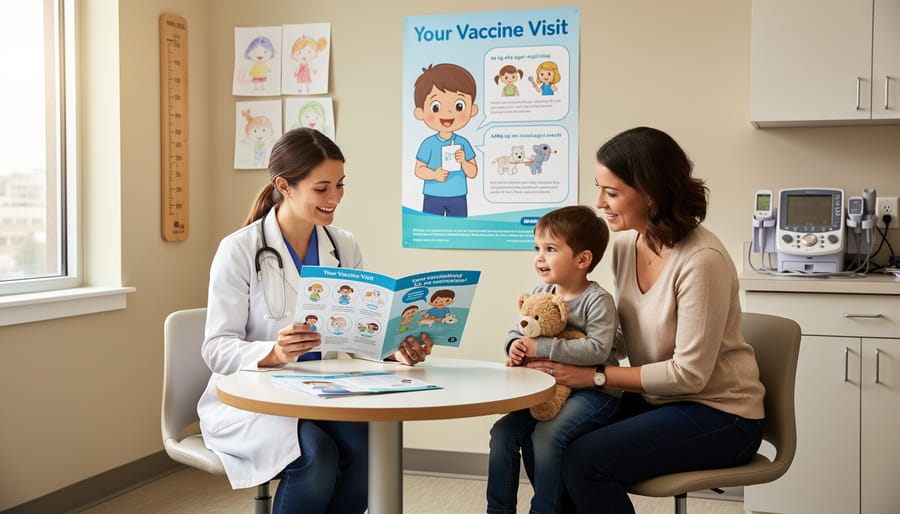
Choosing to get vaccinated is one of the most effective ways to protect both yourself and those around you. Vaccines work by strengthening your immune system against serious diseases, reducing your risk of illness while simultaneously creating a shield of protection for vulnerable community members who cannot be vaccinated. When you participate in immunization programs, you’re making a positive choice that benefits your personal health and contributes to the wellbeing of all Canadians. The evidence is clear: vaccines save lives and prevent countless cases of disease each year. If you have questions about which vaccines are right for you and your family, speak with your healthcare provider to develop a personalized immunization plan. Taking this proactive step toward prevention is an investment in your health today and a healthier future for everyone.