
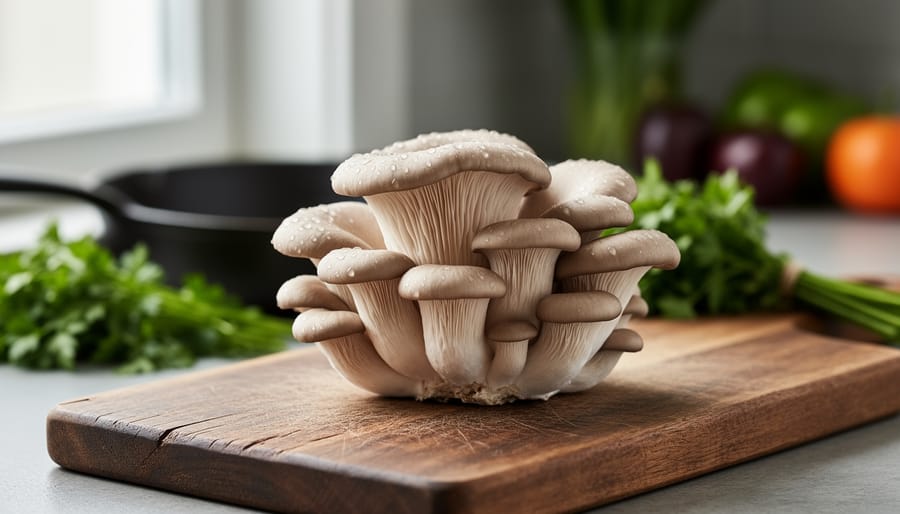
Oyster mushrooms deliver exceptional nutritional value that rivals many conventional superfoods, offering a compelling combination of essential vitamins, minerals, and unique bioactive compounds that support your overall health. These delicate, fan-shaped fungi contain significant amounts of protein, B-vitamins including niacin and riboflavin, and minerals like iron, zinc, and potassium, all while remaining remarkably low in calories and fat. Research demonstrates that oyster mushrooms provide powerful antioxidants such as ergothioneine and selenium, which help protect your cells from oxidative stress and support healthy aging. Their impressive beta-glucan content strengthens immune function, while their naturally occurring statins contribute to cardiovascular health by helping manage cholesterol levels. Unlike many nutrient-dense foods, oyster mushrooms are widely available across Canada, affordable, and incredibly versatile in the kitchen, making them an accessible addition to your weekly meal rotation. Whether you’re looking to boost your energy levels, support your immune system, or simply add more plant-based nutrition to your diet, understanding what these mushrooms offer can help you make informed decisions about incorporating them into your healthy eating plan.
What Makes Oyster Mushrooms Nutritionally Unique
Oyster mushrooms (Pleurotus ostreatus) stand out among their fungal cousins as nutritional powerhouses that deserve more attention in Canadian kitchens. While button and portobello mushrooms are familiar staples, oyster mushrooms offer a distinctly different nutritional profile that makes them particularly valuable for health-conscious eaters.
What sets oyster mushrooms apart is their impressive protein content, containing all nine essential amino acids that make them a complete protein source—a rarity in the plant kingdom. They also contain notably higher levels of certain B vitamins, particularly niacin and riboflavin, compared to common button mushrooms. Their unique combination of beta-glucans, a type of soluble fiber that supports immune function, gives them an edge in the mushroom benefits category.
Canadian consumers can typically find several varieties at local markets and grocery stores. Pearl oyster mushrooms, with their delicate, slightly sweet flavor, are most common. You might also encounter golden oyster mushrooms, which offer a vibrant yellow color and slightly fruity taste, or pink oysters, prized for their striking appearance and meaty texture. King oyster mushrooms, the largest variety, provide a substantial, almost seafood-like texture that makes them popular among plant-based eaters.
Each variety shares similar nutritional advantages while offering different culinary experiences, making oyster mushrooms a versatile and health-promoting addition to your meal rotation.
The Protein Profile That Surprises Most People
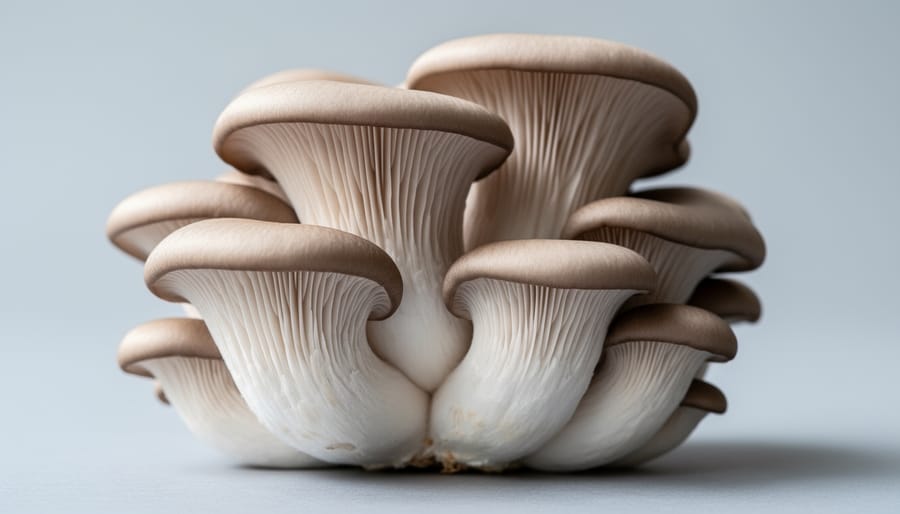
Most people are surprised to learn that oyster mushrooms pack a more impressive protein punch than many other popular vegetables. While they contain about 3-4 grams of protein per 100 grams of raw mushrooms, what makes them truly remarkable is the quality of that protein.
Oyster mushrooms contain all nine essential amino acids that your body cannot produce on its own. This complete amino acid profile is relatively uncommon in the plant kingdom, making these mushrooms a valuable addition to plant-based diets. The specific amino acids include leucine, which supports muscle protein synthesis, and lysine, often limited in grain-based foods.
When compared to other plant-based protein sources, oyster mushrooms hold their own impressively. While they don’t match the protein density of legumes like lentils or chickpeas, their protein digestibility score is notably high. Research from nutritional scientists indicates that mushroom proteins are absorbed efficiently by the human body, with digestibility rates reaching approximately 60-70 percent.
For vegetarians, vegans, and flexitarians, oyster mushrooms serve as an excellent complementary protein source. They work particularly well when paired with grains, creating a more complete nutritional profile in a single meal. Think of stir-fried oyster mushrooms with brown rice or whole wheat pasta topped with sautéed mushrooms.
What sets oyster mushrooms apart is their combination of protein with other beneficial nutrients like B vitamins and minerals. This synergy means you’re not just getting isolated protein, but a package of nutrition that supports overall health. For Canadians looking to diversify their protein sources while maintaining nutritional quality, oyster mushrooms offer a practical, accessible option that’s increasingly available in local grocery stores and farmers’ markets year-round.

Heart Health Benefits You Can Actually Measure
Oyster mushrooms offer measurable support for your cardiovascular system, making them a valuable addition to heart-healthy eating plans. If you’re among the millions of Canadians managing cholesterol levels or working to prevent heart disease, these mushrooms deserve a place on your plate.
The standout feature is their natural lovastatin content, a compound that helps lower LDL (bad) cholesterol. Research shows that regular consumption can reduce cholesterol levels by 10-15%, a clinically meaningful improvement. This natural statin works similarly to prescription medications but comes from your food rather than a pharmacy.
Beyond lovastatin, oyster mushrooms provide 2 grams of dietary fiber per 100-gram serving. This soluble fiber helps reduce cholesterol absorption in your digestive system while supporting healthy blood pressure levels. For Canadians following dietary guidelines recommending 25-38 grams of daily fiber, oyster mushrooms offer a tasty way to reach your target.
These mushrooms also contain beta-glucans, specialized compounds that strengthen blood vessel walls and improve circulation. Combined with their potassium content (420 mg per serving), which helps regulate blood pressure, you’re getting comprehensive cardiovascular support in one ingredient.
The practical benefit? You don’t need massive portions to see results. Studies suggest that eating 150 grams (roughly one cup) of oyster mushrooms three times weekly can produce measurable improvements in cholesterol markers within 6-8 weeks. That’s an achievable goal for most households, especially given their affordability and versatility in Canadian grocery stores.
B Vitamins and Energy Support
Oyster mushrooms offer an impressive array of B vitamins that play essential roles in converting the food you eat into usable energy. These water-soluble vitamins work together to support your body’s metabolic processes, helping you maintain steady energy levels throughout your day.
One cup of cooked oyster mushrooms provides significant amounts of three key B vitamins. Niacin (B3) helps break down carbohydrates, fats, and proteins into energy while supporting healthy brain function and stress hormone production. Pantothenic acid (B5) is crucial for synthesizing coenzyme A, which your cells need to metabolize nutrients and produce energy at the cellular level. Riboflavin (B2) acts as a helper molecule for enzymes involved in energy production and also supports healthy vision and skin.
For Canadians managing busy schedules or seeking natural ways to combat fatigue, these B vitamins offer valuable support. Unlike caffeine or sugar that provide temporary energy spikes, B vitamins facilitate sustained energy production by helping your body efficiently use the nutrients from all your meals. This steady approach to energy metabolism can contribute to improved mental clarity and reduced feelings of exhaustion.
Research suggests adequate B vitamin intake may also help your body manage stress more effectively. Since B vitamins are depleted during periods of physical or emotional stress, regular consumption of B vitamin-rich foods like oyster mushrooms can help maintain your reserves. This makes them a practical addition to your diet whether you’re focused on fitness performance, managing work demands, or supporting overall mental wellness through nutrition.
Immune System Support Through Beta-Glucans
Oyster mushrooms contain special compounds called beta-glucans, which are naturally occurring polysaccharides found in the cell walls of fungi. These compounds have caught the attention of researchers for their ability to support immune system function through various mechanisms in the body.
Beta-glucans work by interacting with specific immune cells called macrophages and natural killer cells. When you consume oyster mushrooms, these compounds bind to receptors on immune cells, essentially “activating” them to better recognize and respond to potential threats. Think of beta-glucans as a training coach for your immune system, helping it stay alert and responsive without causing inflammation.
Current research suggests that regular consumption of beta-glucan-rich foods like oyster mushrooms may help maintain balanced immune function. Several peer-reviewed studies indicate that these compounds can support the body’s natural defense mechanisms, particularly during seasonal changes when immune challenges are more common. The mushroom superfood benefits extend beyond just immunity, but this particular property has received substantial scientific attention.
It’s important to note that beta-glucans aren’t a magic bullet. They work best as part of an overall healthy lifestyle that includes adequate sleep, regular physical activity, and a balanced diet. For Canadians looking to support their wellness naturally, incorporating oyster mushrooms into weekly meals provides a practical, food-based approach to immune support that complements other healthy habits you’re already following.
Minerals That Matter: Iron, Zinc, and Potassium
Oyster mushrooms deliver an impressive mineral profile that supports several aspects of health and wellness. A 100-gram serving provides approximately 1.3 milligrams of iron, 0.8 milligrams of zinc, and 420 milligrams of potassium, making them a valuable addition to a balanced diet.
Iron from oyster mushrooms contributes to healthy red blood cell production and oxygen transport throughout your body. While plant-based iron (non-heme iron) is less readily absorbed than iron from animal sources, you can enhance absorption by pairing oyster mushrooms with vitamin C-rich foods like bell peppers, tomatoes, or citrus fruits in your meals.
Zinc plays a crucial role in immune function, wound healing, and protein synthesis, which is particularly beneficial for fitness recovery after workouts. The zinc content in oyster mushrooms supports your body’s natural repair processes and helps maintain a robust immune system during Canadian winters when colds and flu are common.
The potassium content stands out as especially noteworthy. This mineral helps regulate blood pressure, supports proper muscle function, and aids in recovery after exercise by maintaining fluid balance in your cells. For active Canadians, adequate potassium intake helps prevent muscle cramps and supports cardiovascular health.
To maximize mineral absorption, cook oyster mushrooms with a small amount of healthy fat like olive oil, as this improves the bioavailability of certain nutrients. Sautéing or roasting also breaks down cell walls, making minerals more accessible for your digestive system to absorb and utilize effectively.
Low-Calorie, High-Satisfaction Food for Weight Management
If you’re working toward weight management goals, oyster mushrooms are an excellent addition to your meal plan. With only about 35 calories per cup when cooked, these mushrooms provide substantial volume and nutrition without adding significant calories to your plate. This low calorie density means you can enjoy generous portions that help you feel physically satisfied while maintaining a calorie deficit for weight loss.
The fiber content in oyster mushrooms plays a crucial role in promoting satiety. A one-cup serving provides approximately 2 grams of dietary fiber, which slows digestion and helps you feel fuller longer between meals. This natural appetite control can reduce the tendency to snack on higher-calorie foods throughout the day.
Beyond their low-calorie profile, oyster mushrooms deliver rich umami flavor that makes meals more satisfying and enjoyable. This savory depth can help you feel content with lighter meals, reducing cravings for heavier, calorie-dense options.
For practical incorporation, try using sliced oyster mushrooms as a meat substitute in stir-fries or tacos, reducing overall meal calories while maintaining protein content. Add them to omelets for a filling breakfast, or sauté them as a side dish to bulk up dinner plates. Their meaty texture makes them ideal for creating satisfying vegetarian meals that support your fitness and wellness goals.
How to Get the Most Nutrition From Your Oyster Mushrooms
To get the most nutrition from oyster mushrooms, start by selecting fresh specimens with firm, plump caps and a clean, earthy smell. Avoid mushrooms that appear slimy, discolored, or have an off odor. Store them in a paper bag in your refrigerator for up to one week, as paper allows air circulation while preventing excess moisture buildup that can degrade nutrients.
When preparing oyster mushrooms, gentle cooking methods for mushrooms help preserve their nutritional value. Light sautéing for 3-5 minutes in a small amount of olive oil or broth enhances the bioavailability of antioxidants while maintaining vitamin content. Avoid overcooking, which can reduce B vitamin levels. Steaming is another excellent option that preserves nutrients effectively.
For optimal benefits, aim for a serving size of 75-100 grams (about one cup cooked) several times per week. This provides substantial amounts of protein, B vitamins, and immune-supporting compounds without excess calories.
Canadian shoppers can find quality oyster mushrooms at farmers’ markets, specialty grocers, and increasingly in mainstream supermarkets. Look for locally grown options when possible, as fresher mushrooms retain more nutrients. Some specialty stores also offer dried oyster mushrooms, which concentrate certain nutrients and can be rehydrated for use in soups and stews. Always rinse mushrooms briefly under cool water just before cooking, rather than soaking them, to prevent nutrient loss.

Oyster mushrooms deserve a place on every Canadian’s plate. These affordable, accessible fungi pack an impressive nutritional punch that supports heart health, immune function, energy levels, and mental wellness. With their high protein content, essential B vitamins, antioxidants, and unique compounds like beta-glucans, oyster mushrooms offer evidence-based benefits that contribute meaningfully to chronic disease prevention and long-term health.
The beauty of oyster mushrooms lies in their versatility and availability. Whether you purchase them fresh from local markets or grow them at home, they’re an economical way to elevate your nutrition without breaking the budget. Their mild flavour and meaty texture make them simple to incorporate into soups, stir-fries, pasta dishes, and even as a meat substitute.
If you haven’t yet added oyster mushrooms to your regular meal rotation, now is the perfect time to start. Begin with small portions once or twice weekly and gradually increase as you discover new favourite recipes. Your body and your wallet will thank you for embracing this Canadian-accessible superfood.