

Stepping into a gym does more than build muscle—it rewires your brain’s chemistry to combat anxiety, depression, and chronic stress. When you exercise, your body releases endorphins and serotonin, the same neurotransmitters targeted by antidepressant medications, while simultaneously reducing cortisol levels that fuel mental health struggles. Research shows that just 30 minutes of moderate physical activity three times weekly can reduce depressive symptoms by up to 47%, making the gym one of the most accessible and effective tools for protecting your mental well-being.
The connection between physical movement and emotional resilience isn’t just chemical. Regular gym attendance creates structure in your daily routine, provides measurable goals that boost self-confidence, and offers a productive outlet for processing difficult emotions. Whether you’re managing diagnosed mental health conditions or simply seeking to maintain emotional balance, understanding how to leverage your gym routine strategically can transform it from a physical health habit into a comprehensive mental wellness practice that serves you through life’s challenges.
The Science Behind Gym Workouts and Mental Well-Being

How Exercise Changes Your Brain Chemistry
When you exercise, your body releases several powerful neurochemicals that work together to improve your mood and reduce stress. Understanding how these brain chemicals function can help motivate you to maintain a consistent workout routine.
Endorphins are often called “feel-good” chemicals because they act as natural pain relievers and mood boosters. During moderate to intense exercise, your body produces these compounds, which can create a sense of euphoria sometimes referred to as “runner’s high.” This natural response helps explain why exercise benefits mental health so profoundly.
Serotonin, another key neurochemical, helps regulate mood, sleep, and appetite. Regular physical activity increases serotonin production, which can reduce symptoms of depression and anxiety while promoting better sleep quality. This is particularly beneficial for Canadians dealing with seasonal mood changes during darker winter months.
Dopamine levels also rise during exercise, enhancing motivation, focus, and feelings of reward. This neurotransmitter creates positive associations with physical activity, making you more likely to return to the gym and establish lasting habits.
Additionally, exercise reduces cortisol, the stress hormone that can negatively impact both physical and mental health when chronically elevated. Even a 20-minute workout can lower cortisol levels, helping you feel calmer and more balanced throughout your day.
These chemical changes begin within minutes of starting your workout and can last for several hours afterward, providing both immediate and cumulative mental health benefits.
Physical Activity and Stress Response
Regular physical activity at the gym creates powerful changes in how your body manages stress. When you exercise, your body initially releases cortisol, the primary stress hormone. However, consistent gym sessions train your body to regulate cortisol more efficiently, preventing the chronic elevation that contributes to anxiety, depression, and other mental health challenges.
Research shows that people who exercise regularly experience lower baseline cortisol levels and recover more quickly from stressful situations. This improved stress response doesn’t happen overnight, but most people notice benefits within four to six weeks of regular activity. Your body essentially becomes better at distinguishing between the temporary, healthy stress of exercise and harmful chronic stress.
The gym environment offers a safe space to practice building stress resilience through controlled physical challenges. Whether you’re lifting weights, running on a treadmill, or attending a fitness class, you’re teaching your nervous system to handle discomfort and bounce back stronger.
Beyond cortisol regulation, exercise increases production of endorphins and other mood-enhancing neurochemicals. These natural substances help buffer against daily stressors and create a sense of accomplishment and well-being that extends beyond your workout.
For best results, aim for at least 150 minutes of moderate-intensity activity weekly. This could be five 30-minute gym sessions combining cardio and strength training. Consistency matters more than intensity, so find activities you enjoy and can maintain long-term.
Mental Health Benefits You’ll Notice at the Gym

Reduced Anxiety and Depression Symptoms
Regular gym attendance offers powerful relief for those experiencing anxiety and depression symptoms. Research shows that exercise triggers the release of endorphins and serotonin, brain chemicals that naturally improve mood and reduce stress. A single workout session can provide immediate relief, while consistent exercise over time leads to more sustained improvements in mental health.
According to the Centre for Addiction and Mental Health, approximately 3.2 million Canadians aged 18 and older have experienced symptoms of depression or anxiety. For many of these individuals, incorporating physical activity into their routine serves as an effective complementary strategy alongside other treatments.
Studies demonstrate that 30 minutes of moderate-intensity exercise, such as strength training or cardio workouts, can significantly reduce symptoms of mild to moderate depression. The structured environment of a gym also provides routine and purpose, which are particularly beneficial for individuals managing mental health challenges.
Many Canadians report feeling calmer and more capable of handling daily stressors after establishing a regular gym routine. The key is consistency rather than intensity. Starting with just two or three gym sessions per week can lead to noticeable improvements in mood, sleep quality, and overall emotional well-being within a few weeks.
Better Sleep Quality
Regular exercise at the gym creates a powerful foundation for better sleep, which in turn strengthens your mental health. Physical exertion helps regulate your body’s natural sleep-wake cycle by increasing your core temperature during activity and allowing it to drop afterward, signaling to your brain that it’s time to rest. Research shows that people who exercise regularly fall asleep faster and experience deeper, more restorative sleep cycles.
This improved sleep quality creates a positive feedback loop for mental wellness. When you sleep better, your brain can effectively process emotions, consolidate memories, and regulate mood-stabilizing hormones like serotonin. You’ll likely notice feeling more emotionally resilient and better equipped to handle daily stressors after a good night’s rest following your workout.
For optimal results, aim to finish intense gym sessions at least three hours before bedtime, as exercising too close to sleep can be stimulating for some people. However, gentle evening activities like stretching or yoga can actually promote relaxation and prepare your body for rest.
Increased Self-Confidence and Body Image
Regular gym workouts create a powerful cycle of achievement that extends far beyond physical changes. When you meet fitness goals—whether lifting heavier weights, running longer distances, or simply showing up consistently—you’re providing tangible evidence of your capability and commitment. This sense of accomplishment builds self-confidence that carries into other areas of life.
Feeling physically stronger often translates to feeling mentally stronger. Research shows that exercise-related improvements in body functionality (what your body can do) matter more for mental health than appearance-based changes. As your endurance increases and everyday tasks become easier, you develop a sense of resilience and self-efficacy—the belief that you can handle challenges.
The gym provides a unique environment for setting and achieving measurable goals, creating regular opportunities to prove to yourself that you’re capable of growth and change. This pattern of success strengthens your mental resilience, helping you approach life’s difficulties with greater confidence and a problem-solving mindset.
Social Connection and Community Support
Beyond physical improvements, the gym offers valuable social connection that significantly impacts mental health. Group fitness classes, workout partnerships, and casual interactions with familiar faces create a sense of belonging that helps combat loneliness and isolation—key risk factors for depression and anxiety.
Research shows that exercising with others provides accountability and motivation while reducing feelings of social disconnection. Whether you join a spin class, participate in boot camp sessions, or simply exchange greetings with regular gym-goers, these interactions foster community support that extends beyond the workout itself.
For Canadians facing long winters when isolation can intensify, the gym becomes more than a fitness space—it’s a social hub. You don’t need to become best friends with everyone; even brief, friendly exchanges contribute to your sense of social well-being. Many find that the shared experience of working toward health goals creates natural connections with like-minded individuals who understand their journey, making the gym environment both physically and emotionally supportive.
Creating a Gym Routine That Supports Your Mental Health
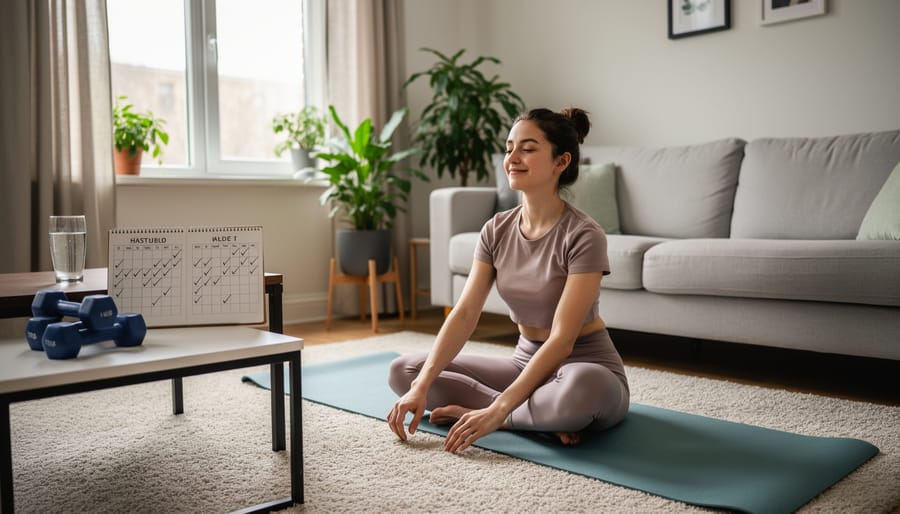
Start Where You Are, Not Where You Think You Should Be
The most important step is simply showing up. You don’t need to match anyone else’s pace or follow an intense program from day one. If walking on a treadmill for ten minutes feels manageable, that’s your perfect starting point. Your mental health benefits from movement regardless of intensity or duration.
Many Canadians feel intimidated by gym culture or believe they need to achieve a certain fitness level before beginning. This mindset can prevent you from experiencing the mood-boosting benefits of exercise. Research shows that even light physical activity triggers the release of endorphins and reduces stress hormones, making any movement valuable for your mental well-being.
Consider what feels accessible to you right now. Perhaps that’s attending a beginner-friendly class, using a few machines, or simply stretching in a quiet corner. There’s no wrong way to start, and consistency matters more than intensity. As you build confidence and notice improvements in your mood and energy levels, you can gradually expand your routine at your own pace. The gym is a tool for your wellness journey, not a test you need to pass.
The Best Types of Exercise for Mental Health
The good news is that nearly any type of exercise can boost your mental health, so you can choose activities that genuinely appeal to you. Here’s what research tells us about different exercise options and their unique benefits.
Cardiovascular exercise like running, cycling, or using the elliptical machine is perhaps the most studied for mental health benefits. Cardio workouts release endorphins and reduce levels of stress hormones like cortisol. Many people report feeling a “runner’s high” after sustained cardio sessions, and studies show that regular cardio exercise can be as effective as medication for mild to moderate depression symptoms.
Strength training offers distinct advantages too. Lifting weights builds not just physical strength but mental resilience and self-confidence. Research indicates that resistance training reduces anxiety symptoms and improves self-esteem, possibly because achieving tangible progress in the gym translates to feeling more capable in daily life.
Yoga and stretching-based classes combine physical movement with mindfulness and breathing techniques. This dual approach makes yoga particularly effective for managing anxiety and improving overall emotional regulation. The slower pace also makes it accessible for beginners who might feel intimidated by high-intensity workouts.
Group fitness classes provide the added benefit of social connection, which is crucial for mental wellbeing. Whether it’s spin class, boot camp, or dance fitness, exercising alongside others creates accountability, reduces feelings of isolation, and often makes workouts more enjoyable.
The best approach is experimenting with different options to discover what you genuinely enjoy, as consistency matters most for long-term mental health benefits.
Consistency Over Intensity
When it comes to mental health benefits, showing up regularly matters more than pushing yourself to exhaustion. Research consistently shows that moderate exercise performed several times per week provides greater mental health improvements than occasional high-intensity sessions. This happens because regular movement helps stabilize mood-regulating neurotransmitters like serotonin and dopamine, while sporadic intense workouts can actually increase stress hormones.
Aim for 30 minutes of moderate exercise on most days of the week—ideally four to five times. This could be a brisk walk, a moderate-paced cycling session, or a balanced strength training routine. Even three 10-minute sessions throughout your day count toward this goal. The key is building a sustainable habit rather than burning out with overly ambitious plans.
Think of exercise like brushing your teeth: you wouldn’t skip it for days then do an intense three-hour session to catch up. Your brain thrives on consistent care. Start with what feels manageable for your current fitness level and schedule. A 20-minute workout you’ll actually do beats an hour-long plan you’ll abandon. As this becomes routine, you can gradually increase duration or intensity based on how you feel, always prioritizing sustainability over perfection.
Overcoming Mental Barriers to Gym Attendance
When Anxiety Makes the Gym Feel Intimidating
Feeling nervous about the gym is completely normal, and you’re not alone. Many Canadians experience gym anxiety, whether it’s concern about being judged, uncertainty about using equipment, or simply feeling overwhelmed in a busy fitness space. The good news is that overcoming gym anxiety is entirely possible with the right approach.
Start by visiting the gym during off-peak hours, typically mid-morning or early afternoon, when fewer people are around. This creates a more relaxed environment to familiarize yourself with equipment and routines. Begin with machines you recognize or activities that feel comfortable, like walking on the treadmill or using stationary bikes. These familiar movements build confidence gradually.
If the gym still feels too overwhelming, consider starting with home workouts. There are excellent online resources and apps that guide you through basic exercises. Once you’ve established a routine and built confidence, transitioning to the gym becomes less daunting.
Remember, everyone at the gym started somewhere, and most people are focused on their own workouts, not watching others. Taking that first step, however small, is what matters most for your mental and physical health.
Finding Motivation When Depression Drains Your Energy
Depression can make even thinking about the gym feel overwhelming, and that’s completely understandable. When your energy is depleted, the key is to start smaller than you think necessary—and that’s okay.
Consider the “five-minute rule”: commit to just five minutes at the gym. You might do a gentle walk on the treadmill or some light stretching. Often, once you’re there, you’ll naturally do a bit more, but if you don’t, those five minutes still count. You showed up, and that matters.
Build tiny habits by attaching gym visits to existing routines. Perhaps you stop by after grocery shopping or on your way home from work, even if it’s just to walk around the facility. Familiarity reduces the mental barrier of going.
Focus on what feels manageable rather than what you “should” do. Some days that might mean sitting in the gym’s quiet area for a few minutes, allowing yourself to be in an environment associated with self-care. Other days, you might manage a short workout. Both are victories.
Celebrate every small win. Putting on gym clothes is an achievement. Walking through the gym doors is an achievement. Moving your body for any amount of time deserves recognition. These aren’t “just” small steps—they’re the building blocks of sustainable change.
Remember, progress isn’t linear, especially when managing depression. Be patient with yourself and recognize that maintaining even minimal activity during difficult periods is a significant accomplishment worth acknowledging.
When to Seek Additional Support
While exercise offers significant mental health benefits, it’s important to recognize when gym workouts alone aren’t enough. Physical activity works best as part of a comprehensive approach to mental wellness, not as a replacement for professional care.
Consider seeking professional mental health support if you experience persistent feelings of sadness or hopelessness lasting more than two weeks, thoughts of self-harm, overwhelming anxiety that interferes with daily activities, or significant changes in sleep or appetite. If your motivation to exercise or engage in once-enjoyable activities dramatically decreases, this may also signal the need for additional help.
Canadians have access to valuable mental health resources. Contact the Canada Suicide Prevention Service at 1-833-456-4566 (available 24/7) for crisis support. The Wellness Together Canada portal offers free mental health and substance use support, including counseling and self-guided programs. Many provinces also provide telephone helplines and online resources tailored to local communities.
Your family doctor can provide referrals to psychologists, psychiatrists, or counselors. Many employers offer Employee Assistance Programs with confidential mental health services. Remember that combining regular exercise with therapy, medication when appropriate, and other evidence-based treatments creates the strongest foundation for mental wellness. Seeking help demonstrates strength and self-awareness, not weakness.
The connection between gym workouts and mental health is clear and compelling. When you move your body, you’re not just building strength or endurance—you’re actively supporting your emotional well-being, reducing anxiety and depression, and creating resilience against daily stress. The gym offers more than physical transformation; it provides a structured space to invest in your complete health.
Taking that first step, or recommitting to your routine, doesn’t require perfection. Start where you are, whether that’s a 15-minute walk on the treadmill or a beginner strength training session. Listen to your body, celebrate small victories, and remember that consistency matters more than intensity. Every workout is a deposit into your mental health bank account.
If you’re struggling with your mental health, combining physical activity with professional support creates the strongest foundation for wellness. The gym can be a powerful complement to therapy, medication, or other treatments your healthcare provider recommends.
You deserve to feel good, both physically and mentally. By choosing to prioritize movement, you’re choosing yourself. That’s not selfish—it’s essential. Your journey toward better mental health through fitness starts today, and you’ve already taken the most important step by learning how exercise can transform your well-being.