

Assess your body composition using waist-to-hip ratio measurements and progress photos rather than relying solely on BMI, which doesn’t account for muscle mass or bone density. Take front, side, and back photos every two weeks in consistent lighting, wearing the same clothing, to track genuine changes that scales often miss.
Match your training volume to your recovery capacity by starting with three full-body workouts weekly, gradually increasing frequency only when you can complete sessions without excessive fatigue lasting more than 48 hours. Ectomorphs typically need longer rest periods between sets (2-3 minutes) to maximize strength gains, while endomorphs benefit from shorter rest intervals (30-60 seconds) combined with higher repetition ranges to enhance metabolic conditioning.
Calculate your baseline calorie needs using the Mifflin-St Jeor equation, then adjust macronutrient ratios based on your metabolic response over four weeks. Endomorphs generally respond better to higher protein (30-35% of calories) and moderate carbohydrate intake, while ectomorphs often require increased carbohydrates (45-55%) to support muscle growth and energy levels during training.
Track three non-scale metrics weekly: sleep quality, energy levels throughout the day, and workout performance measurements like repetitions completed or weight lifted. These indicators reveal whether your plan supports sustainable progress or pushes you toward burnout, allowing timely adjustments before motivation declines.
Generic fitness programs fail because they ignore your unique physiology, recovery patterns, and lifestyle constraints. Understanding how your body type influences training response, nutritional needs, and realistic goal-setting transforms fitness from frustrating guesswork into a systematic, evidence-based approach that delivers measurable results.
Understanding the Three Primary Body Types
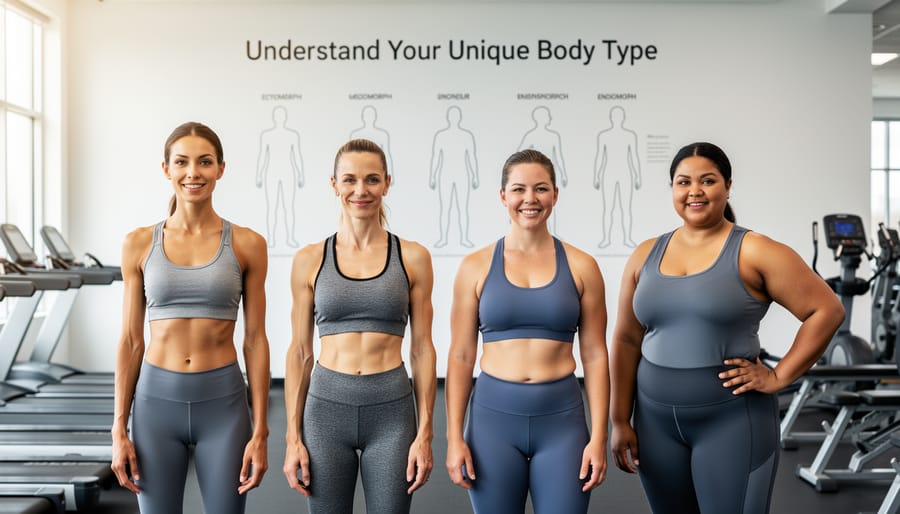
Ectomorph: The Naturally Lean Body Type
Ectomorphs typically have a naturally lean, slender build with narrow shoulders, a fast metabolism, and difficulty gaining both muscle and fat. If you find yourself eating substantial meals without seeing weight gain, you likely fall into this category. Your body tends to burn calories quickly, which can be advantageous for maintaining leanness but challenging when trying to build muscle mass.
Common fitness challenges for ectomorphs include struggling to see strength gains despite consistent training, feeling perpetually hungry, and becoming discouraged when muscle development happens slowly. Your fast metabolism means you need adequate calorie intake to fuel workouts and support recovery. Without sufficient nutrition, you may experience fatigue or hit training plateaus.
The good news is that understanding your body type helps you work with your natural tendencies rather than against them. Ectomorphs benefit from strength training focused on compound movements, shorter but intense workout sessions, and ensuring proper rest between training days. Your approach should emphasize progressive overload and adequate calorie consumption, particularly from nutrient-dense sources. Remember, your fitness journey is unique to you, and progress may look different compared to other body types. Patience and consistency are your greatest allies.
Mesomorph: The Athletic Build
If you have a mesomorph body type, you’ve likely found it easier to build muscle and maintain a lean physique compared to others. Mesomorphs typically have a naturally athletic build with broader shoulders, a well-defined musculature, and an efficient metabolism that responds well to both strength training and cardiovascular exercise.
Your body’s natural advantages mean you can see results relatively quickly when starting a fitness program. You tend to gain muscle mass efficiently and lose fat more readily than other body types. However, this doesn’t mean you should skip the planning process. Without a structured approach, mesomorphs can become complacent or overtrain, leading to burnout or injury.
For optimal results, focus on a balanced mix of resistance training and cardio. You can handle higher training volumes, but recovery remains essential. Aim for 4-5 workout sessions weekly, incorporating compound movements like squats, deadlifts, and bench presses alongside isolation exercises.
Nutrition-wise, mesomorphs typically do well with a balanced macronutrient ratio, though your specific needs will vary based on your fitness goals. Whether you’re building muscle or cutting fat, consistency matters more than perfection. Monitor your progress and adjust your calorie intake accordingly to support your objectives while maintaining your natural athletic advantage.
Endomorph: The Powerful Frame
Endomorphs typically have a naturally stockier build with a slower metabolism and greater tendency to store body fat, particularly around the midsection. However, this body type also offers significant advantages, including natural strength and the ability to build muscle relatively easily.
Your metabolic characteristics mean you may need to pay closer attention to portion sizes and carbohydrate timing. Focus on whole foods, lean proteins, and plenty of vegetables while moderating your intake of refined carbohydrates. Spreading meals throughout the day helps maintain steady blood sugar levels and supports your energy needs.
For exercise, combining regular strength training with consistent cardiovascular activity works best. Resistance training helps build lean muscle mass, which naturally increases your metabolic rate. Aim for at least 150 minutes of moderate-intensity cardio weekly, such as brisk walking, cycling, or swimming.
Remember that your body composition responds well to consistent effort. Progress may feel gradual, but sustainable lifestyle changes deliver lasting results. With the right approach to nutrition and exercise, you can achieve excellent fitness outcomes while building on your natural strength advantages.
Customizing Your Workout Plan for Your Body Type

Ectomorph Training Strategy: Building Mass and Strength
If you’re an ectomorph with a naturally lean frame and fast metabolism, building muscle mass requires a strategic approach. Your training should prioritize compound movements like squats, deadlifts, bench presses, and rows that engage multiple muscle groups simultaneously. These exercises create the greatest stimulus for muscle growth and allow you to lift heavier weights efficiently.
Keep your cardio volume minimal—two to three short sessions weekly at most—to preserve calories for muscle building. Your body burns energy quickly, so excessive cardiovascular exercise can hinder your mass-gaining goals.
Implement progressive overload by gradually increasing weights, repetitions, or training volume each week. This systematic progression signals your muscles to adapt and grow stronger. Aim for three to four strength training sessions weekly, focusing on 6-12 repetitions per set.
Recovery is crucial for ectomorphs. Schedule adequate recovery periods between workouts—at least 48 hours for each muscle group—and prioritize 7-9 hours of quality sleep nightly. Remember, muscle growth happens during rest, not during your workout. Stay patient and consistent; building mass takes time, but with the right strategy, you’ll see sustainable results.
Mesomorph Training Strategy: Balanced Development
If you have a mesomorph body type, you’re naturally positioned for athletic success with your muscular build and efficient metabolism. Your body responds well to most training styles, which means you can benefit from varied approaches to keep progress consistent and prevent plateaus.
Focus on balanced strength training that targets all major muscle groups 3-4 times weekly. Your body thrives with moderate rep ranges of 8-12 repetitions, but don’t hesitate to mix in heavier lifting days and higher-rep endurance work. This variety challenges your muscles in different ways and promotes well-rounded development.
Periodization is particularly effective for mesomorphs. Alternate between strength-focused phases, hypertrophy blocks, and power training cycles every 4-6 weeks. This strategic variation prevents adaptation while maximizing your natural athletic advantages. Include 2-3 cardio sessions weekly, combining high-intensity interval training with steady-state activities like cycling or swimming.
Your recovery needs are moderate, but don’t skip rest days. Adequate sleep and proper nutrition support your active metabolism and muscle-building potential. Since mesomorphs can gain both muscle and fat relatively easily, maintain awareness of portion sizes and focus on whole foods to optimize your physique. Remember, your natural advantages still require consistent effort and smart programming to achieve your fitness goals.
Endomorph Training Strategy: Maximizing Fat Loss While Building Muscle
If you have an endomorph body type, your training strategy should prioritize metabolic conditioning and strategic intensity to maximize fat loss while preserving and building lean muscle. Research shows that endomorphs often respond well to a combination of resistance training and cardiovascular exercise that keeps metabolism elevated.
Focus on compound movements like squats, deadlifts, and bench presses that engage multiple muscle groups simultaneously. This approach burns more calories during and after your workout due to increased post-exercise oxygen consumption. Aim for 3-4 resistance training sessions weekly, using moderate to heavy weights with 8-12 repetitions per set.
Incorporate high-intensity interval training (HIIT) 2-3 times per week. These short bursts of intense activity followed by brief recovery periods have been shown to enhance fat oxidation more effectively than steady-state cardio. Sessions lasting 20-30 minutes can be highly effective without risking muscle loss.
Circuit training is particularly beneficial for endomorphs, combining strength exercises with minimal rest periods to maintain an elevated heart rate throughout your workout. This metabolic conditioning approach builds muscle while simultaneously supporting fat loss goals.
Keep rest periods between sets relatively short, around 30-60 seconds, to maintain workout intensity and caloric burn. Remember to progressively increase weights or difficulty as you adapt, ensuring continued results. Consistency and patience are essential, as sustainable changes take time.
Nutrition Plans Matched to Your Body Type

Ectomorph Nutrition: Fueling for Growth
If you have an ectomorph body type, you typically have a faster metabolism and may find it challenging to gain weight or build muscle mass. Your nutrition strategy should focus on consistent calorie surplus to support growth and recovery.
Aim to consume more calories than you burn, prioritizing nutrient-dense foods over empty calories. Focus on complex carbohydrates like whole grains, sweet potatoes, and oats, which provide sustained energy for your workouts and daily activities. Include healthy fats from sources like avocados, nuts, seeds, and olive oil to boost your calorie intake without making you feel overly full.
Eating frequency matters for ectomorphs. Instead of three large meals, try consuming five to six smaller meals throughout the day to maintain steady energy levels and support muscle growth. This approach prevents your metabolism from breaking down muscle tissue for fuel between meals.
Carbohydrate timing is particularly important. Consume carbs before workouts to fuel your training sessions and immediately after to replenish glycogen stores and support recovery. A post-workout meal combining protein and carbohydrates within 30 to 60 minutes helps maximize muscle protein synthesis.
Don’t skip meals, even when you’re not feeling hungry. Ectomorphs often need to eat strategically rather than relying solely on appetite cues. Consider calorie-dense smoothies or shakes as convenient options to meet your increased nutritional needs while managing a busy lifestyle.
Mesomorph Nutrition: Maintaining Balance
If you have a mesomorph body type, you’re fortunate to have natural metabolic flexibility that allows for a balanced approach to nutrition. Your body typically responds well to a relatively even distribution of macronutrients, with a recommended split of approximately 40% carbohydrates, 30% protein, and 30% healthy fats. This balance supports your naturally athletic build while maintaining lean muscle mass.
Focus on whole food sources to fuel your workouts and daily activities. Include lean proteins like chicken, fish, and legumes, complex carbohydrates such as quinoa, sweet potatoes, and whole grains, plus healthy fats from avocados, nuts, and olive oil. Your body’s efficient metabolism means you have more dietary flexibility than other body types, but this doesn’t mean unlimited indulgences.
Pay attention to portion sizes and maintain consistency in your eating patterns. Time your carbohydrate intake around your workouts to maximize performance and recovery. Since mesomorphs can gain both muscle and fat relatively easily, regular monitoring of your progress helps you adjust your caloric intake as needed. Staying hydrated and planning balanced meals throughout the day will help you maintain your physique while supporting your fitness goals effectively.
Endomorph Nutrition: Optimizing Metabolism
If you have an endomorph body type, optimizing your metabolism through strategic nutrition can help you achieve your fitness goals more effectively. Your body tends to be more sensitive to carbohydrates, so managing your carb intake is essential for success.
Focus on timing your carbohydrate consumption around your workouts when your body is most efficient at using them for energy rather than storage. Choose complex carbohydrates like quinoa, sweet potatoes, and oats over refined options. Consider moderating your overall carb portions while ensuring you still get enough energy to fuel your activities.
Protein should be a cornerstone of your eating plan. Aim for lean protein sources at each meal, such as chicken, fish, legumes, and Greek yogurt. Protein helps maintain muscle mass, supports your metabolism, and keeps you feeling satisfied longer, which can prevent overeating.
Strategic meal planning makes a significant difference. Try eating smaller, balanced meals every three to four hours to keep your metabolism active throughout the day. Include plenty of fiber-rich vegetables and healthy fats from sources like avocados, nuts, and olive oil. These nutrients support digestion and provide lasting energy without causing blood sugar spikes.
Remember, consistency matters more than perfection. Small, sustainable changes to your eating patterns will yield better long-term results than restrictive diets.
The Mental Health Connection: Working With Your Body, Not Against It
When you choose a fitness plan that aligns with your natural body type, you’re not just working smarter physically—you’re setting yourself up for better mental health outcomes too. One of the most significant psychological barriers to fitness is the frustration that comes from following programs that simply don’t work for your body. This disconnect can lead to feelings of failure, decreased self-worth, and ultimately, giving up altogether.
A body-type-appropriate approach changes this dynamic entirely. When you see progress that matches realistic expectations for your physique, you build confidence and motivation. An ectomorph who understands that gaining muscle takes longer for their body type won’t feel discouraged by slower gains. Similarly, an endomorph who recognizes their body responds well to strength training can celebrate muscle definition rather than fixating solely on the scale.
This personalized approach also reduces the mental burden of comparison. Social media often showcases fitness transformations that may not be realistic or relevant to your body type. Understanding your unique physiology helps you filter out unhelpful comparisons and focus on your own journey. You’re competing with yesterday’s version of yourself, not someone with an entirely different genetic blueprint.
Building sustainable habits becomes significantly easier when exercise feels productive rather than punishing. If your workout plan complements your natural strengths while gradually addressing weaknesses, you’re more likely to look forward to sessions rather than dread them. This positive association is crucial for long-term adherence—the real key to lasting fitness results.
Perhaps most importantly, working with your body type fosters self-acceptance. You begin to appreciate your body’s unique capabilities instead of fighting against its natural tendencies. This shift from frustration to cooperation creates a healthier relationship with both exercise and your physical self. Canadian research consistently shows that sustainable lifestyle changes stem from self-compassion and realistic goal-setting, not from punishing yourself into an unrealistic ideal. When your fitness plan respects your body’s individuality, wellness becomes an achievable, enjoyable part of life.
Creating Your Personalized Fitness Action Plan
Creating a successful personalized fitness plan requires thoughtful preparation and ongoing commitment. Here’s how to get started on your journey toward better health.
Begin by setting specific, measurable goals that reflect your personal aspirations. Rather than vague objectives like “get fit,” aim for clear targets such as “walk 30 minutes five times weekly” or “complete three strength training sessions each week.” Write down both short-term milestones (achievable within 4-6 weeks) and long-term goals (3-6 months ahead). This approach helps maintain motivation and provides clear direction.
Next, establish a realistic tracking system that works for your lifestyle. Consider using a simple notebook, smartphone app, or calendar to record your workouts, energy levels, and how you feel after exercise. Track not just frequency and duration, but also your mood, sleep quality, and any physical changes you notice. This information becomes invaluable for understanding what works best for your body.
Plan to reassess your progress every four to six weeks. Look for patterns in your tracking data and ask yourself honest questions: Are you seeing improvements? Do certain exercises feel more effective than others? Are you experiencing any persistent discomfort? Based on your findings, make small adjustments to your routine. Perhaps you need more recovery time, different exercise variations, or modifications to your workout intensity.
Remember that seeking professional guidance isn’t a sign of weakness—it’s a smart investment in your health. Consider consulting a certified Canadian fitness professional if you’re new to exercise, have existing health conditions, or feel uncertain about proper form and technique. Registered dietitians can provide evidence-based nutrition advice tailored to your fitness goals, while physiotherapists can address any movement limitations or injuries.
Start where you are, not where you think you should be. Every small step forward contributes to lasting change and improved well-being.
Your fitness journey is as unique as you are, and recognizing this truth is the first step toward achieving lasting results. Personalized fitness plans that honour your individual body type, metabolism, and goals consistently outperform one-size-fits-all approaches. When you align your training and nutrition strategies with your body’s natural tendencies, you’ll find that progress comes more naturally, motivation stays stronger, and setbacks become less frequent.
The evidence is clear: people who follow customized fitness programs based on their physiology show better adherence rates and achieve more sustainable outcomes. Whether you’re an ectomorph working to build muscle, a mesomorph maintaining balanced fitness, or an endomorph focusing on body composition, understanding your starting point empowers you to make informed decisions that work with your body, not against it.
Remember that your body type is simply a framework, not a limitation. It provides valuable insights into how you might respond to different training styles and nutritional approaches, but it doesn’t define your potential. Every Canadian has the capacity to improve their health, build strength, and enhance their overall wellness when given the right tools and support.
Take confidence in knowing that the most effective fitness plan is the one designed specifically for you. Start where you are, use what you’ve learned about your unique physiology, and commit to consistent action. Your personalized approach to fitness isn’t just about reaching a goal—it’s about building a healthier, more vibrant life that you can sustain for years to come.