
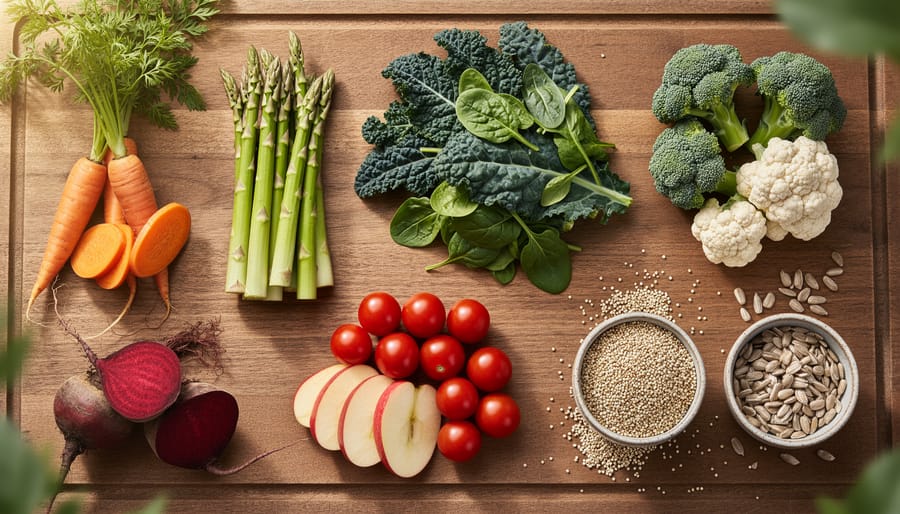
Every time you bite into a carrot, toss spinach in a salad, or sprinkle cinnamon on your oatmeal, you’re consuming different parts of a plant’s anatomy. Understanding which plant structures land on your plate helps you diversify your nutrient intake and make informed choices at the grocery store. Roots like beets and turnips store concentrated minerals and carbohydrates underground. Stems such as celery and asparagus provide fiber and essential vitamins. Leaves including kale and lettuce deliver chlorophyll-rich nutrients and antioxidants. Flowers like broccoli and cauliflower offer unique phytochemicals before they bloom. Fruits from tomatoes to apples contain seeds and protective compounds. Seeds themselves, whether quinoa or sunflower seeds, pack protein and healthy fats. Even bark-derived spices like cinnamon add both flavor and anti-inflammatory benefits. Recognizing these plant parts transforms ordinary meals into intentional opportunities to fuel your body with diverse, whole-food nutrition that supports long-term wellness and disease prevention.
The Six Plant Parts That End Up on Your Plate
Every time you bite into a carrot or toss a salad, you’re eating specific parts of a plant—but do you know which ones? Understanding the edible plant parts on your plate can help you make more informed choices about nutrition and meal planning.
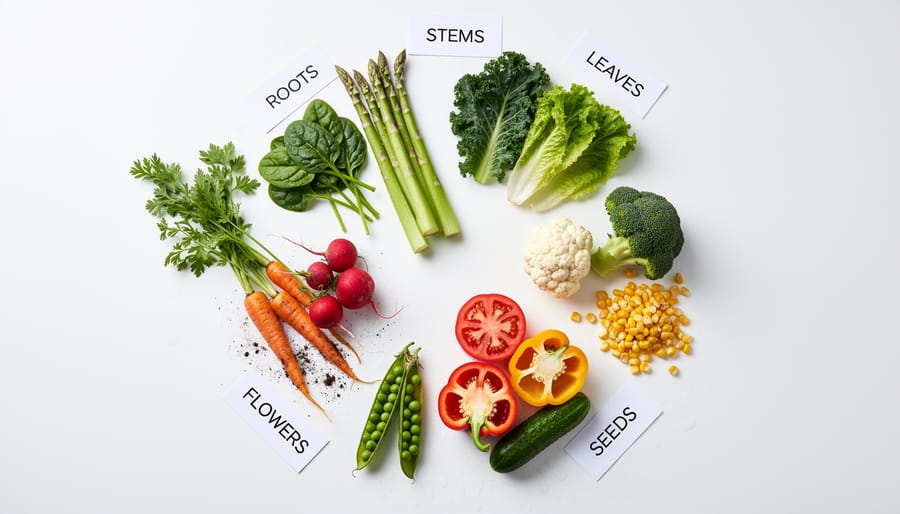
Plants have six main parts that commonly appear in our diets: roots, stems, leaves, flowers, fruits, and seeds. Each part serves a unique function for the plant and offers distinct nutritional benefits for your health.
Roots anchor plants and absorb nutrients from soil. When you eat carrots, beets, or sweet potatoes, you’re consuming energy-rich roots packed with vitamins and minerals.
Stems provide structure and transport nutrients throughout the plant. Celery, asparagus, and broccoli stems are familiar examples that add fiber and essential nutrients to your meals.
Leaves are where photosynthesis happens, creating energy for the plant. Spinach, kale, and lettuce deliver powerful antioxidants and vitamins.
Flowers are the reproductive structures of plants. Broccoli florets and cauliflower are actually flower buds we harvest before they bloom.
Fruits develop from flowers and protect seeds. Tomatoes, peppers, and cucumbers are botanical fruits that provide vitamins and beneficial compounds.
Seeds contain everything needed to grow new plants, making them nutrient-dense powerhouses. Beans, corn kernels, and sunflower seeds offer protein, healthy fats, and fiber.
Recognizing these plant parts helps you build balanced, colorful meals that support your overall wellness goals.
Roots: The Underground Powerhouses
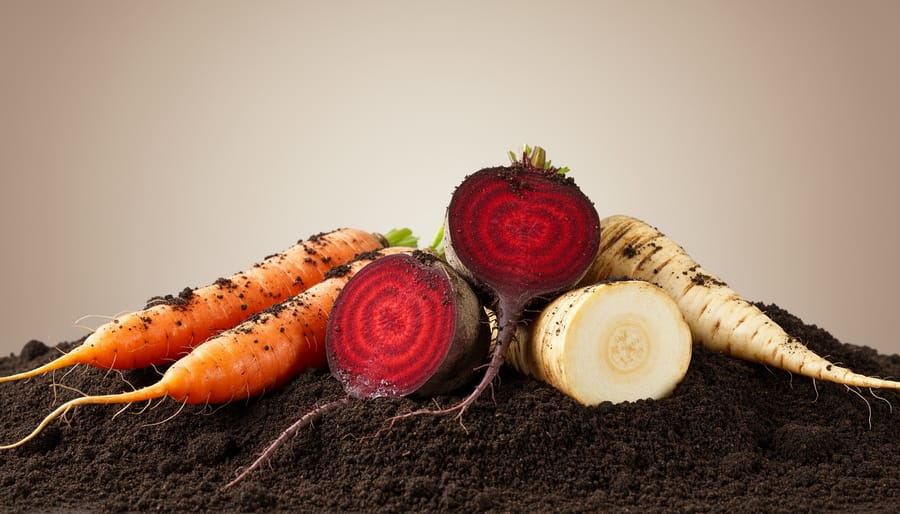
When you bite into a crunchy carrot or enjoy mashed sweet potatoes, you’re consuming the underground storage systems of plants. Roots anchor plants in soil while storing essential nutrients and energy, making them nutritional powerhouses for our diets.
Root vegetables are excellent sources of dietary fiber, which supports digestive health and helps maintain steady blood sugar levels. A single medium carrot provides over 200% of your daily vitamin A needs, crucial for eye health and immune function. Beets offer folate and manganese, while radishes deliver vitamin C and potassium. Sweet potatoes stand out with their rich orange color, indicating high beta-carotene content alongside vitamin B6 and potassium.
These vegetables store complex carbohydrates that provide sustained energy without rapid blood sugar spikes, making them ideal for managing weight and preventing type 2 diabetes. Their fiber content also promotes feelings of fullness, supporting healthy eating patterns.
Root vegetables adapt well to Canadian growing seasons and store excellently through winter months, making them practical year-round nutrition staples. They’re incredibly versatile in the kitchen—roast them for natural sweetness, spiralize them for creative salads, or mash them as comforting side dishes.
The mineral content in root vegetables, including iron, calcium, and magnesium, supports bone health, energy production, and muscle function. By incorporating a variety of colorful root vegetables into your weekly meals, you’re building a foundation for long-term wellness through evidence-based nutrition choices that our bodies recognize and utilize efficiently.
Stems: More Than Just Celery Sticks
When you bite into crisp celery, you’re enjoying one of the most recognizable edible stems. But celery isn’t alone in this category. Asparagus spears, with their tender tips and firm stalks, are nutrient-packed stems that emerge from underground crowns. These spring vegetables deliver folate, vitamins A, C, and K, plus beneficial antioxidants that support your immune system.
Rhubarb presents an interesting case. While often used in desserts alongside strawberries, those tart pink and green stalks are technically stems, not fruit. Remember to discard the leaves, as they contain toxic compounds. The stems, however, offer vitamin K and calcium to support bone health.
Kohlrabi, less common but increasingly available in Canadian markets, grows as a bulbous stem above ground. Its mild, slightly sweet flavour works well both raw and cooked, providing vitamin C and fiber to support digestive wellness.
Here’s a helpful tip: many vegetables we consider stalks or stems still retain their leaves, which are often edible and nutrient-dense. Celery leaves add flavour to soups, while kohlrabi greens can be sautéed like other leafy vegetables, reducing food waste while boosting your nutrient intake. These versatile stems contribute important minerals and vitamins to a balanced diet, making them valuable additions to your weekly meal planning.
Leaves: The Green Giants of Nutrition
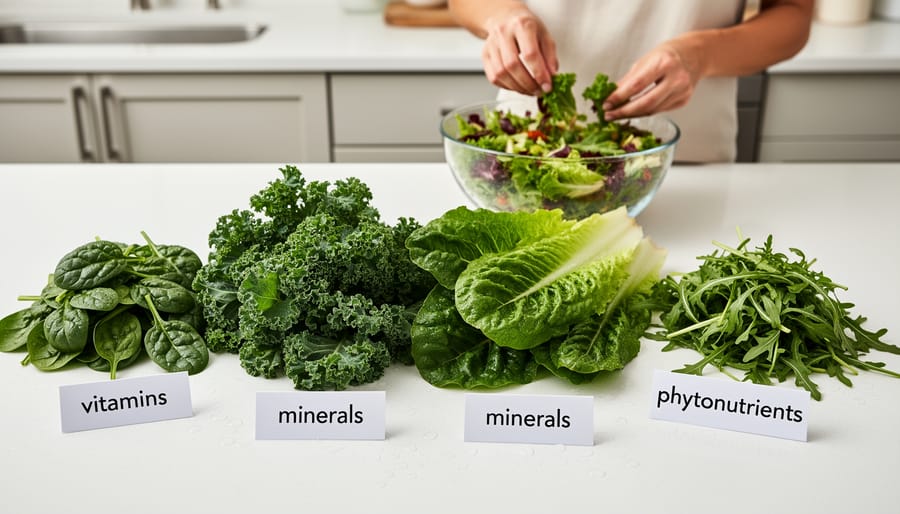
Leafy greens are nutritional powerhouses that deserve a prominent place on your plate. When we eat lettuce, spinach, kale, cabbage, and herbs like parsley or cilantro, we’re consuming the photosynthesis factories of plants—the leaves that capture sunlight and convert it into energy.
These green giants pack an impressive nutritional punch with relatively few calories. Leafy greens are rich in vitamins A, C, and K, along with folate, iron, calcium, and fiber. Dark leafy greens like kale and Swiss chard contain beneficial plant compounds called antioxidants that help protect your cells from damage.
Research consistently shows that regular consumption of leafy greens supports chronic disease prevention. These vegetables may help reduce your risk of heart disease, type 2 diabetes, and certain cancers. The fiber content aids digestion and helps maintain healthy blood sugar levels, while the potassium supports cardiovascular health.
Canadian gardens and grocery stores offer abundant variety year-round. Try incorporating different types into your meals: add spinach to smoothies, toss arugula into salads, sauté Swiss chard as a side dish, or use romaine lettuce for wraps. Fresh herbs not only enhance flavor but also contribute additional nutrients and beneficial compounds.
Aim to include at least one serving of leafy greens daily. Whether raw in salads or lightly cooked, these nutritional champions make it easy to support your health with every bite.
Flowers: The Beautiful and Edible
When you enjoy broccoli, cauliflower, or artichokes, you might be surprised to learn you’re eating flowers! More specifically, these popular vegetables are actually unopened flower buds that we harvest before they bloom.
Broccoli and cauliflower are perhaps the most common edible flowers in Canadian kitchens. The tight green clusters of broccoli and the white florets of cauliflower are both immature flower buds. If left to grow, they would open into yellow flowers. These cruciferous vegetables offer impressive nutritional benefits, packed with vitamin C, vitamin K, and powerful antioxidants that support immune function and may help reduce inflammation.
Artichokes present an even more dramatic example. The entire edible portion is an unopened flower bud, with the prized “heart” being the flower’s base. The fuzzy choke that you discard is actually the beginning of the flower’s bloom.
Capers, those tangy additions to pasta and fish dishes, are pickled flower buds from the caper bush. They add flavour while providing quercetin, an antioxidant with anti-inflammatory properties.
Including these edible flowers in your meals adds variety to your diet while delivering essential nutrients. Try steaming broccoli, roasting cauliflower, or experimenting with fresh artichokes to expand your vegetable repertoire.
Fruits: Not What You’d Expect
The word “fruit” means something quite different in botany than it does at the grocery store. Botanically speaking, a fruit is simply the seed-bearing structure that develops from a plant’s ovary after flowering. This scientific definition includes many foods we commonly call vegetables.
Tomatoes, cucumbers, bell peppers, zucchini, and eggplant are all fruits in the botanical sense. These foods develop from flowers and contain seeds, which makes them fruits regardless of how we prepare them. We typically treat them as vegetables in cooking because of their savoury flavour profiles and how they complement meals. Squash, including pumpkins and butternut varieties, also fall into this category.
On the nutrition front, these botanical fruits offer impressive health benefits. Tomatoes provide lycopene, a powerful antioxidant linked to heart health. Bell peppers deliver more vitamin C than many citrus fruits, supporting immune function. Cucumbers offer hydration and contain beneficial plant compounds that may help reduce inflammation.
Traditional fruits like apples, berries, oranges, and bananas align with both botanical and culinary definitions. These naturally sweet options provide essential vitamins, minerals, fibre, and antioxidants that support overall wellness. Berries, in particular, contain compounds that may help protect brain health and reduce the risk of chronic diseases.
Understanding this distinction helps you appreciate the diverse nutritional benefits across your produce choices. Whether botanically classified as fruits or following culinary tradition, incorporating a colourful variety into your meals ensures you receive a broad spectrum of health-promoting nutrients.
Seeds: Small But Mighty Nutrition
Seeds are nutritional powerhouses that pack impressive amounts of protein, healthy fats, and fiber into small packages. When you enjoy foods like peas, beans, lentils, corn kernels, nuts, pumpkin seeds, or sunflower seeds, you’re eating the plant’s seed – the part designed to nourish new plant growth.
Legumes, which include beans, lentils, chickpeas, and peas, stand out as exceptional protein sources, making them valuable for Canadians following plant-based diets or looking to reduce meat consumption. A single cup of cooked lentils provides about 18 grams of protein along with substantial fiber that supports digestive health and helps maintain stable blood sugar levels throughout the day.
Nuts and seeds offer different nutritional benefits. While they contain protein, they’re particularly rich in healthy unsaturated fats that support heart health and brain function. Almonds, walnuts, pumpkin seeds, and sunflower seeds also provide important minerals like magnesium and zinc, plus vitamin E, an antioxidant that protects your cells from damage.
For fitness enthusiasts, seeds support muscle recovery and sustained energy. The combination of protein, complex carbohydrates, and healthy fats makes them ideal pre- or post-workout snacks. Try adding hemp seeds to smoothies, sprinkling sunflower seeds on salads, or enjoying hummus made from chickpeas.
Keep portions mindful with nuts and seeds since they’re calorie-dense. A small handful (about 30 grams) provides substantial nutrition without excessive calories. Incorporating various seeds into your daily meals ensures you benefit from their diverse nutrient profiles while supporting your overall wellness goals.
Why This Knowledge Matters for Your Health
Understanding which plant parts you’re eating can transform your approach to nutrition and help you create more balanced, varied meals. When you recognize that carrots are roots, spinach consists of leaves, and broccoli is flower buds, you can intentionally diversify your plate to ensure you’re benefiting from the unique nutrients each plant part offers.
This knowledge directly supports your ability to follow Canada’s Food Guide recommendations for filling half your plate with vegetables and fruit. By consciously choosing different plant parts throughout the day—adding root vegetables at lunch, leafy greens at dinner, and fruit for snacks—you naturally increase your intake of various vitamins, minerals, and phytochemicals that support overall health.
Effective meal planning becomes easier when you think about plant diversity. Try this practical approach: each week, aim to include at least one food from each major plant category. Choose a root vegetable like sweet potatoes, a stem vegetable such as celery, leafy greens like kale, flowering parts like cauliflower, fruits like tomatoes, and seeds or legumes like chickpeas.
This intentional variety helps prevent nutrition gaps and keeps meals interesting. Different plant parts contain complementary nutrients—roots often provide sustained energy through complex carbohydrates, leaves deliver folate and iron, and seeds offer protein and healthy fats. By understanding these distinctions, you can make informed choices that support your health goals, whether you’re managing weight, boosting energy levels, or reducing chronic disease risk.
Understanding which plant parts nourish your body opens up exciting possibilities for creating varied, nutrient-rich meals. From crunchy carrot roots to tender broccoli florets, each plant structure offers unique vitamins, minerals, and phytochemicals that support your overall wellness. By intentionally including different plant parts in your weekly meal planning, you naturally diversify your nutrient intake and may reduce your risk of chronic diseases. This week, challenge yourself to eat from at least five different plant parts. Notice how this simple practice adds colour, texture, and nutrition to your plate while making healthy eating more enjoyable and sustainable for the long term.