

Track your sleep patterns throughout your entire cycle to identify when disruptions occur most frequently. Most women experience their worst sleep during the luteal phase (the two weeks before menstruation) and during the first few days of their period, when hormonal fluctuations are most dramatic.
Lower your bedroom temperature by 2-3 degrees during the week before your period. Your body temperature naturally rises during the luteal phase due to increased progesterone, making it harder to fall asleep and stay asleep comfortably.
Schedule intense workouts for the first half of your cycle and switch to gentler activities like yoga or walking during the premenstrual week. This alignment with your natural energy levels helps prevent the sleep-disrupting cortisol spikes that can worsen when you push too hard during low-energy phases.
Limit caffeine intake to before noon starting seven days before your expected period. Your body metabolizes caffeine more slowly during the luteal phase, meaning that afternoon coffee can still disrupt your sleep twelve hours later.
Understanding how your menstrual cycle affects sleep empowers you to work with your body’s natural rhythms rather than against them. The hormonal shifts that occur throughout your cycle—particularly the rise and fall of estrogen and progesterone—directly impact your sleep architecture, body temperature, and even your sensitivity to pain and discomfort. By recognizing these patterns and implementing cycle-specific strategies, you can significantly improve your sleep quality and wake up feeling more rested, regardless of where you are in your cycle.
How Your Menstrual Cycle Disrupts Your Sleep
The Hormone-Sleep Connection
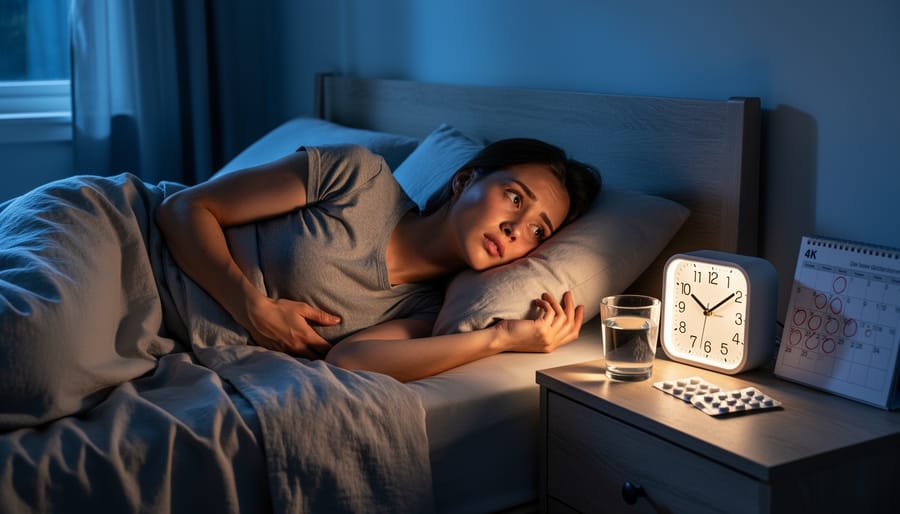
Your menstrual cycle involves a carefully choreographed dance of hormones that doesn’t just affect your reproductive system—it directly influences how well you sleep. Understanding this connection can help explain why you might toss and turn during certain times of the month.
Estrogen and progesterone are the primary players affecting women’s sleep patterns throughout your cycle. During the first half of your cycle (the follicular phase), estrogen rises steadily, which generally supports good sleep quality. Estrogen promotes REM sleep—the restorative stage where dreaming occurs—and helps maintain stable sleep patterns.
After ovulation, progesterone takes center stage during the luteal phase. While progesterone has natural sedative properties that can initially make you feel drowsy, it also raises your core body temperature by about 0.5 degrees Celsius. This temperature increase can fragment your sleep and reduce deep sleep stages, even though you might fall asleep more easily.
These hormonal shifts also affect your circadian rhythm, your body’s internal clock that regulates sleep-wake cycles. The relationship between hormones and sleep quality becomes especially noticeable in the days before menstruation, when progesterone drops rapidly. This sudden decline can trigger insomnia, night wakings, and less refreshing sleep—the same time when you’re also dealing with other premenstrual symptoms.
Recognizing these natural hormonal fluctuations is the first step toward managing their impact on your rest.
When Sleep Problems Peak
If you’ve noticed your sleep getting worse at certain times of the month, you’re not imagining things. Research shows that sleep problems cluster during two specific phases of your menstrual cycle.
The late luteal phase, which spans the week before your period starts, is when most people experience the worst sleep disruption. During these days, progesterone levels drop sharply after reaching their monthly peak. This hormonal crash affects your body’s temperature regulation, making it harder to cool down enough for deep sleep. You might find yourself waking up feeling too warm or sweating more than usual. Additionally, progesterone’s calming effects on your brain diminish, which can increase nighttime anxiety and racing thoughts.
The early menstrual phase, when bleeding begins, brings its own sleep challenges. Physical discomfort from cramps, bloating, and heavy flow can wake you throughout the night. Many people also experience headaches or migraines during these first few days, further disrupting rest. The combination of low estrogen and progesterone during menstruation means you’re missing both hormones’ sleep-supporting benefits simultaneously.
Studies indicate that up to 70 percent of menstruating individuals report some sleep disturbance during these phases. For those with premenstrual syndrome or premenstrual dysphoric disorder, sleep problems tend to be even more pronounced. Understanding when your personal sleep challenges peak allows you to plan ahead with targeted strategies during these vulnerable windows of your cycle.
Common Sleep Issues During Your Period
If you’ve noticed your sleep quality takes a nosedive around your period, you’re definitely not alone. Many Canadian women experience predictable sleep disruptions tied to their menstrual cycle, and understanding these patterns is the first step toward better rest.
The most common sleep issue is difficulty falling asleep, especially in the days leading up to menstruation. You might find yourself lying awake, mind racing, unable to get comfortable even though you’re exhausted. This often stems from hormonal shifts that affect your body’s natural sleep-wake cycle.
Night sweats are another frequent complaint, particularly during the luteal phase and early menstruation. You may wake up feeling overheated, throwing off covers only to feel chilled moments later. These temperature fluctuations disrupt your sleep cycles and prevent you from reaching the deeper, restorative stages of sleep your body needs.
Restless sleep is also widespread during menstruation. Instead of sleeping soundly through the night, you might toss and turn, experience vivid dreams, or feel like you’re only half-asleep. Many women describe feeling like they never fully rest, even after spending eight hours in bed.
Frequent nighttime waking is particularly frustrating. Whether it’s due to cramps, the need to change menstrual products, or simply unexplained wakings, these interruptions fragment your sleep and leave you feeling groggy the next day. Some women report waking every few hours during their period, making it nearly impossible to feel refreshed in the morning.
Insomnia can strike during any phase of your cycle but tends to worsen premenstrually. You might experience both trouble falling asleep initially and difficulty staying asleep throughout the night. This combination leaves you exhausted yet unable to rest properly.
Recognizing these patterns in your own sleep can help you prepare and implement strategies to minimize their impact, rather than simply accepting poor sleep as inevitable.
Practical Sleep Strategies for Each Phase of Your Cycle
Week 1-2: Follicular Phase Sleep Tips
The follicular phase, which begins after your period ends, is when you’ll likely feel your most energized and sleep comes more easily. Estrogen levels gradually rise during this time, promoting better sleep quality and deeper rest. Take advantage of this natural energy boost by establishing healthy sleep habits that will support you throughout your entire cycle.
This is the ideal time to dial in your sleep schedule. Aim for consistent bed and wake times, even on weekends, to strengthen your body’s natural circadian rhythm. Your body temperature regulation is more stable during this phase, so experiment with your bedroom environment to find your optimal sleep temperature, typically between 16-19°C.
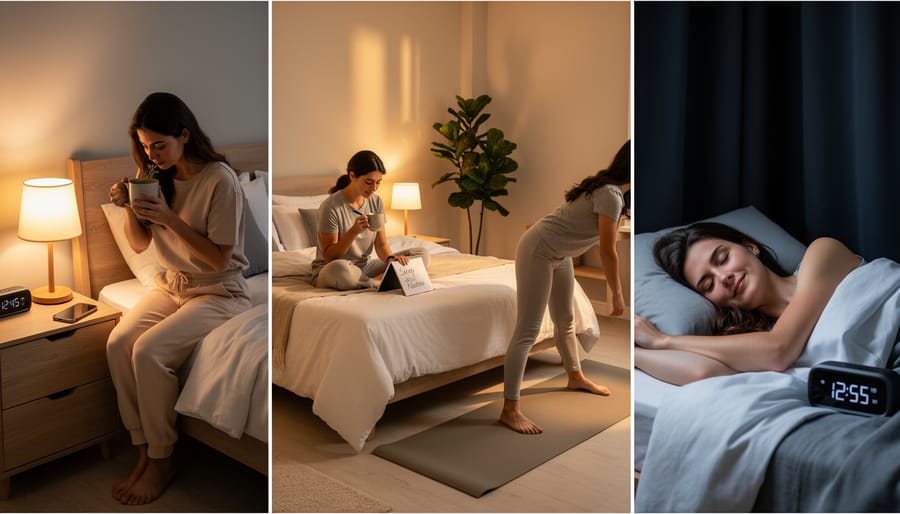
Since you’re feeling more energetic, you can handle more intense evening workouts during this phase without disrupting sleep. However, still aim to finish vigorous exercise at least three hours before bedtime. Use this time to build a relaxing bedtime routine that includes dimming lights, limiting screen time an hour before bed, and perhaps trying some gentle stretching or reading. These positive habits you establish now will become especially valuable during the more challenging luteal and menstrual phases.
Week 2: Ovulation Sleep Adjustments
During ovulation, typically around day 14 of your cycle, you may experience your best sleep quality of the month. Estrogen peaks during this phase, which can promote deeper, more restorative sleep and boost your energy levels. However, this window is brief, lasting only 3-5 days.
To maximize sleep quality during ovulation, maintain consistent sleep and wake times to support your body’s natural rhythm. Since you may feel more energized during this phase, channel that energy into daytime physical activity rather than late evening workouts, which could make it harder to wind down. Keep your bedroom cool, as your body temperature may fluctuate slightly during ovulation.
This is an ideal time to establish healthy sleep habits that you can carry through the rest of your cycle. Practice good sleep hygiene by limiting screen time before bed and creating a relaxing bedtime routine. While you might feel tempted to stay up later due to increased energy, prioritize 7-9 hours of sleep to prepare your body for the upcoming luteal phase when sleep challenges typically increase.
Week 3-4: Luteal Phase Sleep Solutions
During the luteal phase, rising progesterone levels act as a natural sedative while also increasing your core body temperature by about half a degree. This temperature shift can fragment your sleep and trigger night sweats, even though you might fall asleep more easily.
To work with these changes rather than against them, focus on keeping your bedroom cooler than usual. Set your thermostat between 16-18°C (60-65°F) and consider using breathable, moisture-wicking bedding. A cooling pillow or light layers you can easily remove help you adjust to temperature fluctuations throughout the night.
Many women experience increased sleepiness during this phase, so listen to your body’s signals. Moving your bedtime 30-60 minutes earlier can accommodate your natural sleep drive while ensuring you get enough rest. Light exercise earlier in the day helps regulate body temperature and supports better sleep quality, but avoid intense workouts within three hours of bedtime as they can further elevate your already-raised core temperature.
Bloating and digestive discomfort are common during this phase, so eat your last substantial meal at least three hours before bed and choose lighter, easily digestible foods in the evening. If anxiety or restlessness disrupts your sleep during these two weeks, gentle stretching or breathing exercises before bed can help calm your nervous system without overheating your body.
During Your Period: Managing Sleep Through Discomfort
Period symptoms can significantly disrupt your sleep, but several evidence-based strategies can help. For cramps, take an over-the-counter pain reliever like ibuprofen about 30 minutes before bed to prevent nighttime discomfort from waking you. A heating pad on your lower abdomen for 15-20 minutes before sleep can also ease muscle tension and promote relaxation.
To manage heavy flow anxiety, use overnight protection products designed for maximum absorption and consider placing a waterproof mattress protector on your bed for peace of mind. Keeping extra supplies on your nightstand prevents disruptive middle-of-the-night searches.
Combat bloating by avoiding salty foods in the evening and trying gentle stretches before bed to reduce abdominal pressure. Sleep in loose, breathable cotton pajamas to stay comfortable if you experience night sweats or temperature fluctuations.
If nausea is an issue, try sipping ginger tea an hour before bedtime and keep plain crackers nearby. Creating a cooler bedroom environment between 16-19 degrees Celsius can also help counteract period-related temperature sensitivity and promote deeper sleep.
Lifestyle Changes That Support Better Menstrual Sleep

Foods and Nutrients That Help
What you eat can significantly influence both your hormonal balance and sleep quality throughout your menstrual cycle. Certain nutrients play key roles in supporting these interconnected systems.
Magnesium is particularly helpful, as it promotes muscle relaxation and supports the production of melatonin, your sleep hormone. During menstruation, when magnesium levels naturally drop, include foods like leafy greens, pumpkin seeds, almonds, and dark chocolate in your diet.
Vitamin B6 helps regulate mood and supports the production of serotonin, which converts to melatonin. Good sources include chickpeas, salmon, chicken, bananas, and potatoes.
Complex carbohydrates like whole grains, sweet potatoes, and oats can help stabilize blood sugar levels and promote better sleep. They also support serotonin production, especially beneficial during the luteal phase when sleep disruptions are common.
Omega-3 fatty acids found in fatty fish, walnuts, and flaxseeds can help reduce inflammation and cramping while supporting overall hormonal health. Calcium-rich foods like dairy products, fortified plant milks, and leafy greens may also ease PMS symptoms that interfere with sleep.
Consider enjoying a small portion of these sleep-supportive foods as an evening snack to promote restful sleep throughout your cycle.
Exercise Timing Across Your Cycle
Timing your workouts strategically can make a significant difference in how well you sleep throughout your cycle. During the follicular phase (days 1-14), your energy levels are typically higher, making morning or afternoon exercise ideal. These earlier workouts give your body time to wind down before bed while taking advantage of your natural vitality.
As you approach ovulation, feel free to maintain higher-intensity workouts, but try to finish at least three hours before bedtime. The adrenaline and elevated core temperature from vigorous exercise need time to decrease for quality sleep.
During the luteal phase (days 15-28), when progesterone rises and sleep may already feel disrupted, shift toward gentler movement like yoga, walking, or swimming. Schedule these activities in the morning or early afternoon rather than evening. Late-day intense workouts during this phase can further raise your already-elevated body temperature and make falling asleep even harder.
If you experience significant fatigue or cramping during menstruation, listen to your body. Light stretching or restorative yoga can help without compromising your sleep quality.
Creating a Cycle-Friendly Sleep Environment
Your bedroom environment plays a crucial role in managing hormone-related sleep disruptions throughout your cycle. Since body temperature naturally fluctuates with hormonal changes, keeping your bedroom cool (between 15-19°C) helps counteract the warming effect of progesterone during the luteal phase. Consider using breathable, moisture-wicking bedding materials like cotton or bamboo to manage night sweats.
Invest in layers you can easily adjust—a lighter duvet with an extra blanket allows flexibility as your temperature needs change. Blackout curtains help maintain your circadian rhythm, which can be sensitive during menstruation. If cramps or breast tenderness disrupt your sleep position, try supportive pillows between your knees or under your abdomen.
Meeting your unique sleep requirements for women means creating an adaptable space. Keep your bedroom clutter-free and reserve it exclusively for sleep and relaxation. A comfortable sleep environment helps your body work with hormonal changes rather than fighting against them, improving both sleep quality and menstrual symptoms.
When to Talk to Your Doctor
While some sleep disruption during your menstrual cycle is normal, certain symptoms indicate it’s time to seek medical attention. Knowing when to reach out to your healthcare provider can help you address underlying conditions early and improve your quality of life.
Consider booking an appointment with your doctor if you experience severe insomnia lasting more than three nights per week for several months, or if poor sleep during your cycle significantly impacts your daily functioning, work performance, or relationships. These could be signs of premenstrual dysphoric disorder (PMDD), a more severe form of PMS that affects about 5% of menstruating individuals and requires specialized treatment.
You should also consult a healthcare provider if you notice heavy snoring, gasping for air during sleep, or excessive daytime sleepiness regardless of menstrual phase. These symptoms may indicate sleep apnea or other sleep disorders that require professional sleep disorder evaluation. Additionally, seek medical advice if you experience severe mood changes, anxiety, or depression alongside sleep problems, particularly during the luteal phase of your cycle.
Canadian healthcare providers can offer various solutions, including hormone therapy, prescription sleep aids when appropriate, referrals to sleep specialists, or mental health support through provincial health plans. Many provinces also provide access to reproductive health clinics that specialize in menstrual-related concerns.
Don’t hesitate to advocate for yourself. If your initial concerns aren’t addressed adequately, consider seeking a second opinion. Your sleep health is integral to your overall wellbeing, and effective treatments are available through Canada’s healthcare system to help you rest better throughout your entire menstrual cycle.
If you’ve been struggling with sleep during your menstrual cycle, you’re not alone. Research shows that up to 70% of women experience some form of sleep disruption related to their cycle, whether it’s premenstrual insomnia, period-related discomfort, or daytime fatigue. The good news is that these challenges are both common and manageable.
You don’t have to accept poor sleep as an unavoidable part of being a woman. The strategies outlined in this article, from tracking your cycle patterns to adjusting your sleep environment and managing symptoms proactively, are evidence-based approaches that can make a real difference. Start by implementing one or two changes that feel most relevant to your experience. Perhaps that’s cooling down your bedroom during the luteal phase, adjusting your exercise routine, or simply being more mindful about caffeine intake before your period.
Remember that improving your sleep quality may take some experimentation to find what works best for your body. Be patient with yourself as you try different approaches, and consider keeping a simple sleep diary to track what helps. Better sleep throughout your entire menstrual cycle is achievable, and taking steps to prioritize your rest is an important form of self-care that supports your overall health and wellbeing.