

Your gut houses trillions of bacteria that do far more than digest food—they actively communicate with your brain through what scientists call the gut-brain axis. This biological highway influences your mood, anxiety levels, and even your ability to handle stress, making your digestive system a surprisingly powerful player in your mental wellness.
Research shows that approximately 90% of your body’s serotonin, the neurotransmitter responsible for regulating mood, is actually produced in your gut. When your gut bacteria become imbalanced—whether from poor diet, chronic stress, or antibiotic use—this communication network falters, potentially contributing to depression, anxiety, and brain fog. The connection runs both ways: stress and emotions can also disrupt your digestive health, creating a cycle that affects your overall well-being.
The encouraging news is that you have significant control over this relationship. Unlike genetic factors you cannot change, your gut microbiome responds quickly to lifestyle modifications. Small, consistent adjustments to what you eat, how you manage stress, and your daily habits can reshape your gut bacteria composition within weeks, potentially improving both your digestive comfort and mental clarity.
Understanding this connection empowers you to take a whole-body approach to mental wellness. Rather than viewing your mind and gut as separate systems, recognizing their intimate relationship opens new pathways for supporting your mental health through nutrition, movement, and evidence-based lifestyle strategies that work with your body’s natural design.
The Gut-Brain Connection: How Your Digestive System Talks to Your Mind
What Exactly Is the Gut-Brain Axis?
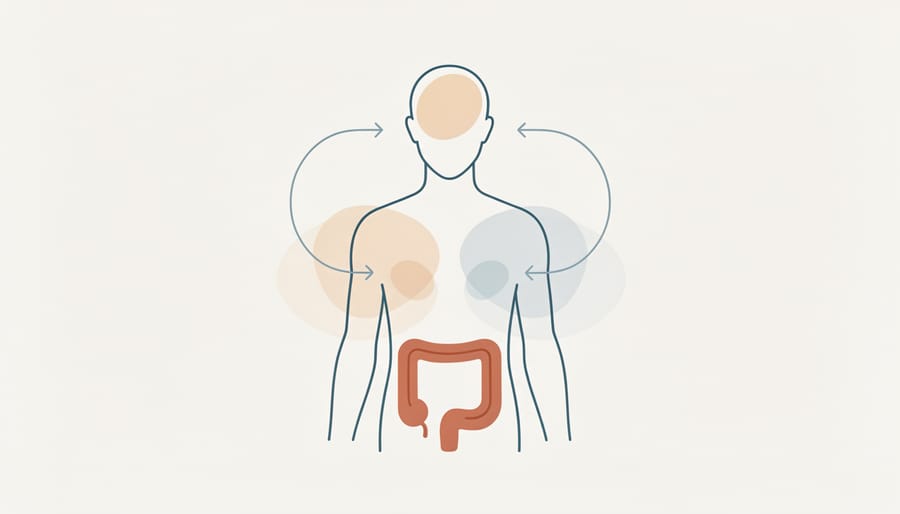
The gut-brain axis is the sophisticated communication highway that connects your digestive system with your brain. Think of it as a two-way conversation happening constantly in your body. Your brain sends signals to your gut, which is why you might feel butterflies when nervous or lose your appetite during stressful times. At the same time, your gut sends messages back to your brain through multiple channels, including the vagus nerve, immune system signals, and hormones produced by the trillions of bacteria living in your digestive tract.
This connection is so powerful that scientists often call the gut your “second brain.” Your intestinal lining contains over 100 million nerve cells, forming what’s known as the enteric nervous system. These cells don’t just digest food—they produce neurotransmitters like serotonin and dopamine, the same chemicals that influence your mood, sleep, and emotional well-being. In fact, about 90% of your body’s serotonin is made in your gut. Understanding this connection is the first step toward supporting both your digestive and mental health, as explored in our essential guide to gut health.
Your Second Brain: The Enteric Nervous System
You’ve probably heard someone say “I have a gut feeling about this” or “trust your gut.” These phrases are more scientifically accurate than you might think. Deep within your digestive system lies a sophisticated network called the enteric nervous system, often referred to as your “second brain.”
This remarkable system contains approximately 500 million neurons embedded in the walls of your digestive tract, stretching from your esophagus to your rectum. To put this in perspective, that’s more neurons than in your spinal cord. These neurons can function independently, controlling digestion without any input from your brain. This means your gut can make decisions on its own about how to process food, absorb nutrients, and eliminate waste.
What makes the enteric nervous system truly fascinating is its two-way communication with your brain. Through the vagus nerve and chemical messengers in your bloodstream, your gut and brain constantly exchange information. This explains why you might feel butterflies in your stomach when you’re nervous or lose your appetite when you’re stressed. Your digestive system isn’t just receiving signals from your brain—it’s actively sending messages back.
Research shows that about 90 percent of the signals traveling along the vagus nerve actually flow from your gut to your brain, not the other way around. This ongoing conversation influences your mood, stress levels, and even how you think. Understanding this connection is the first step toward harnessing your gut health to support better mental wellbeing.
How Poor Gut Health Affects Your Mental Wellbeing
The Anxiety-Gut Health Connection
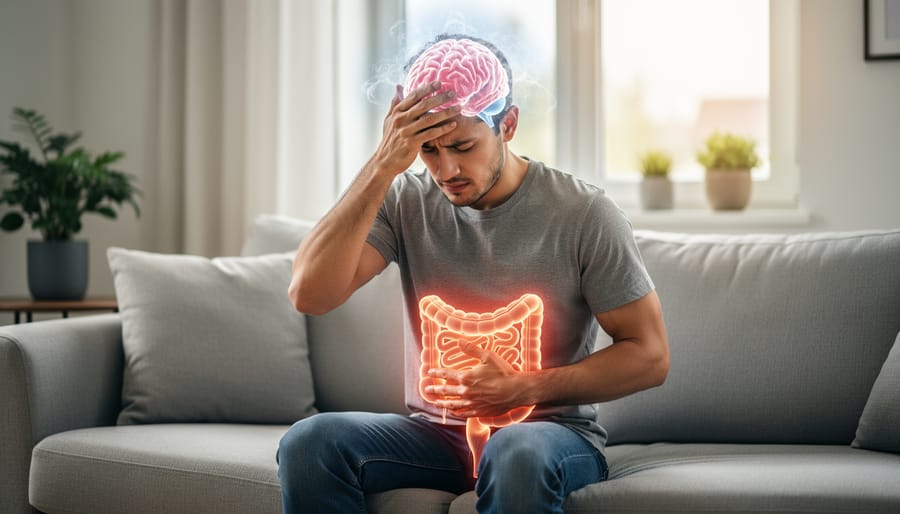
Your gut’s health plays a significant role in how you experience anxiety. When your gut microbiome becomes imbalanced or inflamed, it can send distress signals to your brain through the gut-brain axis. This connection between inflammation and mental health is particularly important for anxiety sufferers.
Research shows that gut inflammation triggers the release of inflammatory markers called cytokines, which can cross into your brain and affect mood regulation. An unhealthy gut microbiome may also produce fewer calming neurotransmitters like GABA while increasing stress hormones. Studies have found that people with anxiety disorders often have different gut bacteria compositions compared to those without anxiety.
The good news is that this connection works both ways. By reducing gut inflammation and supporting beneficial bacteria through dietary changes and stress management, many people experience noticeable improvements in their anxiety symptoms. Simple steps like eating more fiber-rich foods, limiting processed foods, and incorporating fermented foods can help restore balance to your gut and potentially ease anxious feelings.
Depression and Your Microbiome
Research shows a strong connection between the types and diversity of bacteria in your gut and depression. People experiencing depression often have less variety in their gut bacteria compared to those without depression, and certain beneficial bacteria strains appear to be missing or reduced.
Here’s something that might surprise you: approximately 90% of your body’s serotonin, the neurotransmitter often called the “feel-good chemical,” is actually produced in your gut, not your brain. Gut bacteria play a crucial role in this production process. They help manufacture serotonin and other important brain chemicals that regulate your mood, sleep, and overall emotional well-being.
When your gut bacteria are out of balance, it can affect how much serotonin and other mood-regulating chemicals your body produces. This imbalance may contribute to symptoms of depression, including low mood, fatigue, and difficulty concentrating.
The encouraging news is that supporting your gut health through diet and lifestyle changes may help improve your mood and mental well-being. Small, positive steps toward a healthier gut microbiome could make a meaningful difference in how you feel each day.
Brain Fog and Cognitive Function
Have you ever felt like your thoughts are moving through molasses, struggling to recall words or focus on simple tasks? This mental cloudiness, often called brain fog, might be connected to what’s happening in your gut.
When your digestive system isn’t functioning properly, it can trigger widespread inflammation throughout your body, including your brain. This inflammation interferes with the communication between brain cells, making it harder to think clearly, remember information, and maintain focus. Research shows that people with digestive conditions like irritable bowel syndrome or inflammatory bowel disease frequently report difficulties with concentration and mental clarity.
Your gut also plays a crucial role in absorbing essential nutrients that your brain needs to function optimally. B vitamins, omega-3 fatty acids, iron, and zinc are all vital for cognitive performance. When digestive issues prevent proper absorption of these nutrients, your brain doesn’t get the fuel it needs. For instance, B12 deficiency, common in people with certain gut conditions, can directly impair memory and mental sharpness.
The good news is that improving your gut health may help clear that mental fog. Many Canadians notice better concentration and sharper thinking when they address underlying digestive issues. Simple steps like eating a diverse range of whole foods, staying hydrated, managing stress, and getting enough sleep can support both your gut and cognitive function. If brain fog persists, consider speaking with a healthcare provider to rule out nutrient deficiencies or other digestive concerns.
Signs Your Gut Health May Be Affecting Your Mental Health
Understanding whether your gut health might be influencing your mental wellbeing starts with recognizing patterns between your digestive and emotional symptoms. Many Canadians experience these connections without realizing they’re related.
One of the most common signs is experiencing mood changes alongside digestive issues. If you notice increased anxiety, low mood, or irritability during periods of bloating, constipation, or diarrhea, this could indicate a gut-brain connection at work. Similarly, you might observe that digestive discomfort worsens during stressful times, creating a cycle between your gut and emotions.
Brain fog and concentration difficulties that coincide with digestive problems can also signal this connection. Many people report feeling mentally unclear or having trouble focusing when their digestion is off, particularly after certain meals or during flare-ups of digestive symptoms.
Sleep disturbances paired with gut issues represent another important indicator. Since your gut produces much of your body’s serotonin, which helps regulate sleep, digestive problems may disrupt your sleep patterns. If you’re experiencing both poor sleep quality and ongoing digestive concerns, they may be connected.
Food sensitivities that affect your mood deserve attention too. Notice if certain foods trigger both physical discomfort and emotional changes like increased anxiety, fatigue, or mood swings within hours of eating them.
Chronic fatigue occurring alongside digestive symptoms might reflect how gut inflammation and nutrient absorption issues can drain your energy and affect mental clarity.
Finally, if you’ve been managing ongoing stress, anxiety, or depression while also dealing with persistent digestive problems like irritable bowel syndrome, inflammatory conditions, or frequent stomach upset, the two are likely influencing each other.
The good news is that recognizing these patterns represents an important first step. If several of these signs resonate with you, addressing your gut health through evidence-based strategies may offer meaningful improvements in both your digestive comfort and mental wellbeing.
Science-Backed Ways to Improve Your Gut for Better Mental Health
Eat More Fiber and Fermented Foods
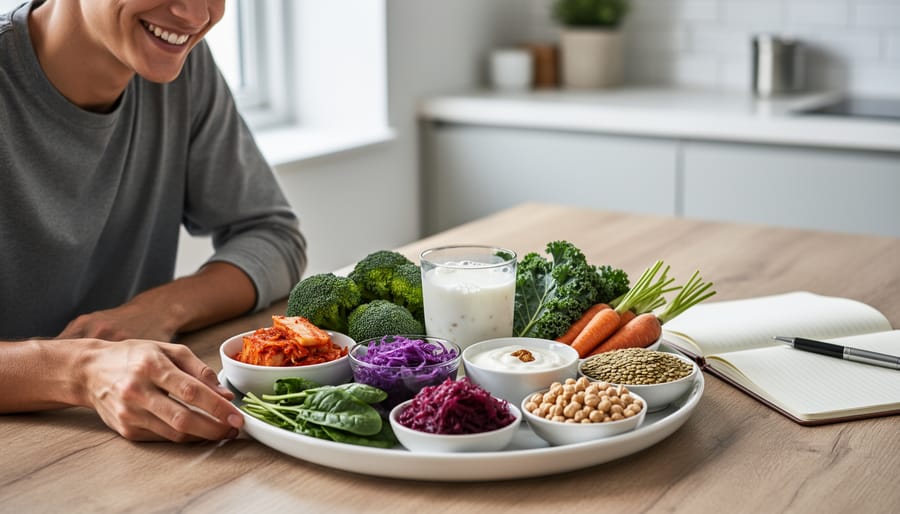
Boosting your fiber intake and adding fermented foods to your diet are two powerful ways nutrition impacts mental health through gut health. Aim for 25-35 grams of fiber daily from sources like oats, lentils, chickpeas, apples, carrots, and broccoli. These foods feed beneficial gut bacteria and promote regular digestion.
Fermented foods introduce probiotics that support a healthy gut microbiome. Try incorporating plain yogurt or kefir into your breakfast, aiming for at least 2-3 servings weekly. Look for products with “live active cultures” on the label. Sauerkraut, kimchi, and pickles (naturally fermented, not vinegar-based) are excellent options to add to sandwiches or as side dishes. Start with small portions, like a tablespoon of sauerkraut daily, and gradually increase as your digestive system adjusts.
Canadian grocery stores widely stock these items, making them accessible and affordable. A simple starting point: add berries and ground flaxseed to your morning yogurt, or enjoy a lentil soup with whole grain bread for lunch. These small, consistent changes can meaningfully support both your gut and mental wellness.
Reduce Inflammation Through Diet
What you eat directly influences inflammation levels throughout your body, including your gut and brain. Chronic inflammation can disrupt the gut-brain connection and worsen mental health symptoms, but simple dietary shifts can help.
Foods that tend to increase inflammation include highly processed items, refined sugars, excessive alcohol, and fried foods. You don’t need to eliminate these completely, but reducing their frequency makes a real difference. Start by swapping one processed snack daily with a whole food alternative.
Focus on adding anti-inflammatory foods rather than restricting everything. Fatty fish like salmon and mackerel provide omega-3s that combat inflammation. Colourful vegetables and fruits offer antioxidants and fibre that support your gut lining. Olive oil, nuts, seeds, and whole grains also have protective effects.
Small, sustainable changes work best. Try adding berries to your breakfast, choosing whole grain bread, or having fish twice weekly. These realistic adjustments reduce inflammation without requiring a complete dietary overhaul. Remember, improving gut health is about progress, not perfection. Even modest improvements in your diet can positively influence both inflammation and mood over time.
Consider Probiotic and Prebiotic Supplements
Probiotics and prebiotics can be valuable tools for supporting your gut-brain connection. Probiotics are beneficial bacteria that help maintain a healthy gut microbiome, while prebiotics are dietary fibers that feed these good bacteria.
Research suggests certain probiotic strains may support mental wellness. Lactobacillus and Bifidobacterium strains have shown promise in studies for reducing symptoms of anxiety and depression. These are sometimes called “psychobiotics” due to their potential mental health benefits. Prebiotics, found in foods like garlic, onions, and bananas, help these beneficial bacteria thrive.
If you’re considering supplements, quality matters. Look for products with multiple strains and at least 10 billion CFUs (colony-forming units). Keep them refrigerated unless the label states otherwise.
However, supplements aren’t one-size-fits-all. What works for one person may not work for another, and some people may experience digestive discomfort initially. It’s essential to consult with your healthcare provider before starting any new supplement regimen, especially if you have existing health conditions or take medications. Your doctor can recommend appropriate strains and dosages based on your individual needs and help you monitor your progress safely.
Manage Stress to Protect Your Gut
Stress and gut health share a powerful two-way relationship. When you’re stressed, your body releases hormones that can disrupt the balance of bacteria in your gut, increase inflammation, and affect how your digestive system functions. At the same time, an unhealthy gut can send signals to your brain that increase feelings of anxiety and stress, creating a challenging cycle.
The good news is that managing stress can significantly improve your gut health, which in turn supports better mental wellbeing. Regular physical activity is one of the most effective ways to reduce stress while promoting healthy gut bacteria. Aim for at least 30 minutes of moderate exercise most days of the week, whether that’s walking, cycling, or dancing to your favourite music.
Meditation and deep breathing exercises can also calm your nervous system and reduce the impact of stress on your digestive tract. Even five minutes of mindful breathing daily can make a difference. You might explore various stress management techniques to find what works best for you.
Quality sleep is equally important. Establish a consistent bedtime routine, keep your bedroom cool and dark, and aim for seven to nine hours of sleep each night to support both gut and mental health.
Avoid Unnecessary Antibiotics and Medications
While antibiotics are sometimes necessary and life-saving, they can disrupt the balance of beneficial gut bacteria. Antibiotics work by killing bacteria, but they don’t distinguish between harmful and helpful microbes. This disruption may affect your mood and mental clarity. If your doctor prescribes antibiotics, take them as directed, but discuss whether they’re truly necessary. Ask about alternatives when appropriate, and consider taking probiotics during and after treatment to help restore healthy gut bacteria. Never stop prescribed medications without consulting your healthcare provider. Instead, work together to find the best approach that protects both your physical health and gut microbiome.
When to Seek Professional Help
While improving your gut health through diet and lifestyle changes can support mental wellness, there are times when professional guidance becomes essential. If you’re experiencing persistent sadness, anxiety, mood changes, or digestive issues that interfere with your daily life, reaching out for help is a sign of strength, not weakness.
Consider consulting a healthcare provider if you notice symptoms lasting more than two weeks, significant changes in appetite or sleep patterns, or if digestive problems don’t improve with basic dietary adjustments. A registered dietitian can create a personalized nutrition plan that supports both your gut and mental health, while a mental health professional can help you explore strategies for mental wellness alongside your physical health journey.
Many Canadians benefit from an integrated approach, working with a team that might include their family doctor, a gastroenterologist, a dietitian, and a therapist or counselor. This collaborative care ensures all aspects of your wellbeing are addressed comprehensively.
Remember that seeking professional help doesn’t mean you’ve failed at self-care. Sometimes our bodies and minds need extra support, especially when dealing with complex conditions or when symptoms significantly impact our quality of life. Healthcare providers are there to partner with you, offering evidence-based treatments and personalized guidance that complements your self-care efforts. Taking this step demonstrates commitment to your overall health and wellbeing.

The connection between your gut and mental health isn’t just fascinating science—it’s a powerful opportunity to take meaningful action toward feeling better. While the gut-brain axis may sound complex, the encouraging truth is that small, sustainable changes to your diet and lifestyle can make a real difference in how you feel mentally and emotionally.
Start where you are. You don’t need to overhaul your entire life overnight. Choose one simple step: maybe it’s adding a serving of fermented foods to your weekly routine, taking a short daily walk, or practicing five minutes of deep breathing before bed. These modest changes can begin supporting your gut microbiome and, in turn, your mental wellness.
Remember that meaningful improvements take time. Your gut microbiome didn’t develop overnight, and neither will the changes you’re making. Be patient and compassionate with yourself as you experiment with what works best for your body. Pay attention to how different foods, stress management techniques, and lifestyle habits affect both your digestion and your mood.
The research is clear: nurturing your gut health is a legitimate, evidence-based way to support your mental health. You have more control than you might think. By caring for the trillions of microbes in your digestive system, you’re also caring for your mind. That’s not just empowering—it’s a pathway to wellness that’s entirely within your reach.