

Suicide claims more than 4,500 Canadian lives each year, and the statistics reveal a striking gender pattern: men die by suicide at rates three to four times higher than women, while women attempt suicide more frequently. This paradox defines one of the most critical yet misunderstood aspects of mental health in Canada.
Understanding these differences goes beyond numbers. Men tend to use more lethal methods and are less likely to seek help before a crisis, partly due to societal expectations around masculinity that discourage emotional expression. Women, while attempting suicide at higher rates, more often reach out for support and use methods with greater opportunity for intervention. Both patterns point to systemic issues in how we address mental health across genders.
The gap between male deaths and female attempts reflects deeper concerns: access to mental health resources, social isolation, economic pressures, relationship breakdowns, and untreated depression all contribute differently based on gender norms and expectations. Men over 40, Indigenous peoples, and LGBTQ2S+ individuals face particularly elevated risk, highlighting how suicide intersects with multiple identity factors.
These statistics represent preventable tragedies. Recognizing warning signs early, creating environments where asking for help is normalized for everyone, and understanding that suicide risk looks different across genders can save lives. The path forward requires both individual awareness and collective action to dismantle the barriers preventing people from accessing support.
This article examines the current evidence on gender-specific suicide patterns in Canada, explores the underlying factors driving these differences, and provides practical strategies for prevention that acknowledge the unique challenges each gender faces. Knowledge combined with compassion creates the foundation for meaningful change.
The Numbers Behind Gender and Suicide in Canada

Suicide Completion Rates: The Male-Female Gap
In Canada, suicide completion rates reveal a significant gender disparity that has remained consistent over time. Men account for approximately three out of every four suicide deaths, representing about 75% of all completed suicides nationwide. This translates to a rate roughly three times higher than women, making suicide one of the leading causes of death among Canadian men, particularly those under 50.
Recent data from Statistics Canada shows that middle-aged men (ages 40-59) face elevated risk, though concerning trends appear across all adult age groups. Among youth aged 15-24, males complete suicide at rates nearly four times higher than their female peers. Senior men over 70 also demonstrate higher completion rates compared to women in the same age range.
While women attempt suicide more frequently than men, the methods chosen differ significantly between genders, contributing to the completion rate gap. Men tend to select more lethal means, which reduces the opportunity for intervention and survival.
These statistics reflect a complex public health challenge requiring targeted prevention efforts. Understanding these numbers helps identify at-risk populations and guides resource allocation for mental health services. The gender gap in suicide completion underscores the importance of developing prevention strategies that address the specific barriers men face in seeking help, alongside continued support for all Canadians experiencing mental health struggles.
Suicide Attempts and Self-Harm Patterns
A significant paradox exists in suicide statistics: women attempt suicide approximately three to four times more frequently than men, yet men die by suicide at rates three to four times higher than women. This difference, known as the gender paradox of suicidal behavior, relates primarily to the methods chosen and the intent behind attempts.
Women tend to choose less immediately lethal methods, such as medication overdose or poisoning, which allow more time for intervention and medical treatment. Men more frequently select highly lethal methods like firearms or hanging, which often result in immediate death with little opportunity for rescue.
Research suggests women are more likely to engage in suicidal behavior during acute distress or crisis moments, while men’s attempts often follow prolonged periods of untreated depression or substance use. Women also generally have stronger social support networks and are more willing to communicate their distress, which can lead to earlier intervention.
Self-harm without suicidal intent is also more common among women, particularly younger women, often serving as a coping mechanism for emotional pain. Understanding these patterns helps tailor prevention strategies to address the specific needs and risk factors affecting different genders, ultimately saving more lives through targeted, compassionate intervention.
Why the Gender Gap Exists: Understanding the Differences
Method Selection and Lethality
Understanding why men complete suicide at higher rates involves examining the methods chosen. Research consistently shows that men are more likely to select highly lethal methods such as firearms or hanging, while women more often choose methods like medication overdose, which allow more time for intervention and have higher survival rates.
This difference in method selection significantly impacts survival outcomes. When someone uses a highly lethal method, there’s often no opportunity for rescue or medical intervention. Statistics Canada data confirms that method choice is a critical factor in the gender gap in completed suicides.
For prevention strategies, this knowledge is crucial. It means that limiting access to lethal means can save lives, particularly for men. Secure firearm storage, reduced access to dangerous locations, and medication safety measures all serve as important barriers between a suicidal crisis and a fatal outcome.
Since suicidal crises are often temporary, creating even brief delays can be life-saving. Most people who survive a suicide attempt do not go on to die by suicide later. This underscores why means restriction, combined with mental health support and crisis intervention services, forms an essential part of comprehensive suicide prevention. Recognizing that method access matters helps families, communities, and policymakers implement practical safeguards that protect vulnerable individuals during their darkest moments.
Mental Health Stigma and Help-Seeking Behavior
Traditional masculinity norms create significant barriers to men’s mental health support. Canadian men often face cultural expectations to be self-reliant, emotionally stoic, and avoid appearing vulnerable. These gender expectations and mental health pressures mean many men delay or completely avoid seeking professional help, viewing it as admitting weakness.
Research shows men are less likely to recognize mental health symptoms in themselves, discuss emotional struggles with friends or family, or visit healthcare providers for psychological concerns. This reluctance contributes to the higher completion rates of suicide attempts among men, as they often reach crisis points without having established support networks or coping strategies.
Women, conversely, tend to seek help earlier and more frequently. They’re more likely to talk openly about mental health challenges, maintain supportive social connections, and utilize therapy or counseling services. While women attempt suicide more often, earlier intervention and established support systems often prevent fatal outcomes.
Breaking down stigma requires normalizing help-seeking as a sign of strength, not weakness, and creating accessible, judgment-free mental health resources for all Canadians.

Social Connection and Support Networks
Research consistently shows that women typically maintain larger, more emotionally connected social networks than men, which serves as a crucial protective factor against suicide. Women are generally more likely to seek support from friends, family, and healthcare professionals when experiencing distress, creating multiple safety nets during difficult times.
Men, conversely, often have smaller support circles and may rely heavily on a single relationship, typically a romantic partner. When that relationship ends or becomes strained, men can find themselves isolated without alternative sources of emotional support. Cultural expectations around masculinity may discourage men from openly discussing their struggles or asking for help, leading to what researchers call “silent suffering.”
Building and maintaining meaningful connections is vital for everyone’s mental health. Simple, practical steps can strengthen your support network: schedule regular check-ins with friends or family members, join community groups aligned with your interests, or participate in team sports or volunteer activities. For men specifically, activities that combine socializing with shared tasks or hobbies can provide easier pathways to connection.
If you’re concerned about someone withdrawing from social activities or appearing isolated, reaching out with consistent, non-judgmental support can make a life-saving difference. Sometimes simply being present and listening without trying to fix everything creates the safety someone needs.
Gender-Specific Risk Factors and Warning Signs
Warning Signs in Men
Recognizing warning signs in men requires understanding that they often express distress differently than women. Due to social expectations around masculinity, men may mask their emotional pain in ways that appear as anger, irritability, or reckless behavior rather than traditional signs of sadness or depression.
Men experiencing suicidal thoughts frequently increase their use of alcohol or drugs as a coping mechanism. This substance use can escalate quickly and may represent an attempt to numb emotional pain. Watch for sudden changes in drinking patterns or new drug use, particularly if these behaviors seem out of character.
Social withdrawal is another critical warning sign. Men may pull away from friends, family, and activities they once enjoyed. Unlike typical isolation associated with depression, men might maintain surface-level functioning at work while completely disconnecting from personal relationships and hobbies.
Increased risk-taking behavior can signal distress in men. This might include reckless driving, dangerous physical activities, or engaging in situations that could result in harm. Some experts view this as “indirect self-harm” where men place themselves in potentially lethal situations.
Other important warning signs include giving away prized possessions, making final arrangements, expressing feelings of being a burden, talking about having no reason to live, and displaying extreme mood swings between anger and calm. Men may also research methods of suicide or suddenly acquire means to harm themselves.
Sleep disturbances, changes in work performance, and increased aggression or irritability should not be dismissed as simply stress-related. These behavioral changes, especially when appearing together, warrant serious attention and compassionate conversation about mental health support.
Warning Signs in Women
While women attempt suicide more frequently than men, recognizing their warning signs can save lives. Women often express distress differently, making it essential to understand these specific indicators.
Verbal expressions of distress are particularly important warning signs in women. These may include direct statements like “I can’t do this anymore” or “Everyone would be better off without me.” Women are generally more likely than men to verbally communicate their emotional pain, discuss feelings of worthlessness, or express hopelessness about the future. Taking these statements seriously, even if they seem subtle, is crucial.
Relationship challenges and interpersonal conflicts often precede suicidal behaviour in women. Major relationship breakdowns, divorce, loss of child custody, or conflicts with close family members can trigger intense distress. Women may also experience heightened vulnerability following experiences of domestic violence, sexual assault, or significant social isolation.
Mood changes warrant careful attention. Look for persistent sadness, increased anxiety, noticeable withdrawal from friends and family, or sudden calmness after a period of depression (which may indicate a decision has been made). Changes in sleep patterns, appetite, or energy levels that last more than two weeks should raise concern.
Women experiencing postpartum depression face elevated risk and may show signs including difficulty bonding with their baby, severe mood swings, or intrusive thoughts about harming themselves or their child.
If you notice these warning signs in someone you care about, reach out with compassion and connect them with professional support. Early intervention makes a significant difference in preventing tragedy and supporting recovery.

Effective Gender-Specific Prevention Strategies
Prevention Approaches for Men’s Mental Health
Reducing male suicide requires targeted approaches that acknowledge how men typically engage with mental health support. Research shows men respond better to action-oriented interventions rather than traditional talk therapy alone.
Male-friendly mental health services are reshaping how care is delivered. Drop-in clinics in familiar settings like barber shops, gyms, and workplaces remove barriers that prevent men from seeking help. Programs like Men’s Sheds across Canada provide informal environments where men connect through hands-on activities while naturally discussing personal challenges. These settings feel less clinical and more comfortable for many men.
Peer support programs specifically designed for men show promising results. Veterans supporting veterans, fathers connecting with other dads, and workplace peer networks create safe spaces where men feel understood. When men see others like themselves opening up, it normalizes help-seeking behaviour and reduces isolation.
Workplace initiatives play a crucial role since many men strongly identify with their careers. Forward-thinking Canadian employers now offer mental health training for managers, flexible work arrangements during difficult times, and employee assistance programs with male-focused resources. Creating workplace cultures where taking mental health days is as acceptable as sick days helps break down stigma.
Building mental resilience through practical skills training gives men tools they can actively use. Programs teaching stress management, emotional regulation, and healthy coping strategies appeal to men’s preference for problem-solving approaches.
Community education campaigns challenging outdated masculine stereotypes are essential. Messages that reframe help-seeking as strength rather than weakness, featuring relatable male role models who share their mental health journeys, gradually shift cultural attitudes. When sports figures, business leaders, and everyday men speak openly about their struggles, it gives others permission to do the same.
Prevention Approaches for Women’s Mental Health
Effective prevention for women requires addressing the unique risk factors they face. Research shows that targeted interventions can significantly reduce suicide risk when they acknowledge women’s specific experiences and needs.
Trauma-informed care forms the foundation of effective prevention. Since women experience higher rates of sexual violence and childhood abuse, mental health services must recognize how trauma affects emotional wellbeing. Healthcare providers trained in trauma-informed approaches create safer environments where women feel comfortable discussing their experiences without fear of judgment or re-traumatization.
Postpartum mental health support represents another critical prevention area. Approximately one in seven Canadian women experience postpartum depression, yet many suffer in silence due to stigma or lack of awareness. Screening programs during pregnancy and after birth help identify at-risk mothers early. Community-based support groups, home visiting programs, and accessible psychiatric care provide essential lifelines during this vulnerable period.
Addressing relationship violence requires coordinated intervention. Women experiencing intimate partner violence face substantially elevated suicide risk. Safety planning, crisis shelters, legal advocacy, and counseling services work together to protect women and address the psychological impact of abuse. Healthcare providers should routinely screen for domestic violence and connect women with specialized women’s mental health resources.
Prevention also includes addressing eating disorders, body image concerns, and the unique stressors women face balancing multiple roles. Workplace mental health programs, accessible childcare, and flexible healthcare options remove barriers to seeking help. By creating comprehensive support systems that acknowledge women’s lived experiences, communities can effectively reduce suicide risk and promote lasting mental wellness.
How to Help Someone at Risk
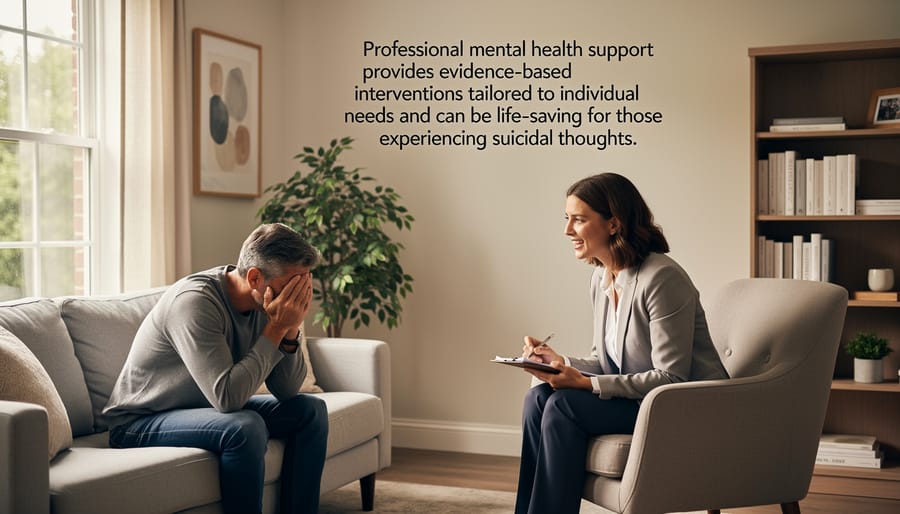
If you’re concerned about someone who may be at risk of suicide, taking action can save a life. Research shows that asking directly about suicidal thoughts does not plant ideas—instead, it opens the door to supportive conversation and can provide immense relief to someone who is struggling.
Start the conversation in a private, comfortable setting when you have time to listen without distractions. Use direct, compassionate language such as “I’ve noticed you seem really down lately, and I’m worried about you. Are you having thoughts of suicide?” or “You’ve been going through a lot. Are you thinking about ending your life?” While these questions may feel uncomfortable, they communicate care and create space for honesty.
Practice active listening by giving your full attention, maintaining eye contact, and avoiding the urge to immediately fix the problem or minimize their feelings. Resist the temptation to say “you have so much to live for” or “others have it worse.” Instead, validate their pain with responses like “That sounds incredibly difficult” or “I’m here for you, and I want to help.”
Men may be particularly hesitant to discuss emotional struggles due to social expectations around masculinity. If you’re supporting a man at risk, acknowledge that reaching out takes courage and emphasize that seeking help is a sign of strength, not weakness. Women may more readily discuss feelings but still need reassurance that professional support can make a real difference.
Never leave someone in immediate danger alone. If they have a specific plan or means to harm themselves, call 911 or take them to the nearest emergency department. Remove any immediate means of self-harm if it’s safe to do so.
Connect them with professional help by offering to assist them in making an appointment with their doctor or calling a crisis line together. The Canada Suicide Prevention Service (1-833-456-4566) provides 24/7 support in English and French. Talk Suicide Canada (1-833-456-4566) offers text support as well.
Follow up regularly after your initial conversation. Check in frequently, continue offering support, and remind them that recovery is possible with proper help.
Resources and Support Available in Canada
If you or someone you know is in crisis, help is available right now. Canada has established a comprehensive network of mental health resources designed to support people of all genders during difficult times.
The 988 Suicide Crisis Helpline is Canada’s primary resource, available 24/7 in English and French. Simply dial 988 from anywhere in Canada to speak with trained crisis responders who provide immediate support without judgment. This service is confidential and free.
The Crisis Text Line offers support through text messaging for those who prefer written communication. Text TALK to 686868 anytime to connect with a crisis responder. This option can be particularly helpful for younger individuals or anyone uncomfortable with phone calls.
Kids Help Phone (1-800-668-6868) serves young people up to age 29 through phone counseling, text support (text CONNECT to 686868), and online chat services. Their counselors understand the unique challenges facing youth and young adults.
For gender-specific support, the Canadian Association for Suicide Prevention maintains a directory of provincial resources at suicideprevention.ca. Many communities offer specialized programs recognizing that men and women may experience mental health challenges differently and benefit from tailored approaches.
Online resources include Wellness Together Canada (wellnesstogether.ca), which provides free mental health and substance use support, including self-assessment tools, one-on-one counseling, and community support groups.
Indigenous peoples can access culturally sensitive support through the Hope for Wellness Helpline (1-855-242-3310) and online chat, available in English, French, and Indigenous languages.
Trans Lifeline (1-877-330-6366) provides peer support specifically for transgender and questioning individuals, staffed by transgender people who understand unique community challenges.
Remember that reaching out is a sign of strength, not weakness. These services exist because your life matters, and recovery is possible with the right support.
Understanding the differences in how suicide affects men and women isn’t just about knowing the numbers—it’s about saving lives. When we recognize that men and women experience suicidal thoughts, seek help, and attempt suicide in different ways, we can create more effective prevention strategies that reach everyone who needs support.
The most important message is this: suicide is preventable. With the right support, intervention, and access to mental health resources, lives can be saved. Every conversation about mental health, every person who learns the warning signs, and every community that reduces stigma around asking for help contributes to prevention efforts that work.
If you or someone you know is struggling with thoughts of suicide, reaching out is a sign of strength, not weakness. Speaking with a trusted friend, family member, healthcare provider, or trained counselor can be the first step toward healing. Many Canadians have found hope and recovery through support services designed to meet them where they are.
Remember, you don’t have to face this alone. Help is available 24/7 through the 988 Suicide Crisis Helpline—simply call or text 988 to connect with someone who cares and wants to help. Additional support is available through Talk Suicide Canada at 1-833-456-4566 or by texting 45645.
By understanding gender differences in suicide, supporting those around us, and knowing where to turn for help, we can all play a role in preventing tragedy and fostering hope.