
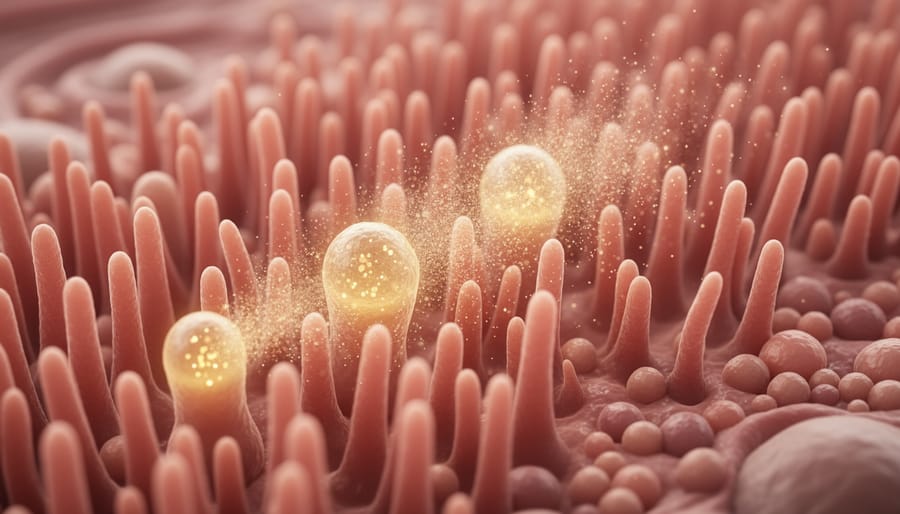
Deep in your intestinal lining, specialized cells called enteroendocrine L cells act as metabolic command centers, releasing powerful hormones that regulate your blood sugar, control your appetite, and influence your body weight. These microscopic sensors detect nutrients from your meals and respond by secreting GLP-1 and PYY—two hormones that signal fullness, slow digestion, and prompt your pancreas to release insulin at precisely the right moments.
Understanding the gut-hormone connection offers a scientifically-backed pathway to better metabolic health. When L cells function optimally, they create a cascade of benefits: improved blood sugar control, reduced food cravings, enhanced satiety after meals, and better long-term weight management. For Canadians concerned about preventing type 2 diabetes or managing their weight, these cells represent a natural internal system you can learn to support through everyday choices.
Research shows that L cells are concentrated primarily in your lower small intestine and colon, where they respond to specific nutrients—particularly fiber, protein, and certain fats. When you eat foods that reach these areas intact, you activate L cell hormone release, triggering the metabolic benefits that matter for your health.
The promising news is that L cell function isn’t fixed. Your dietary patterns, meal timing, gut microbiome composition, and lifestyle habits all influence how effectively these cells operate. By making evidence-based adjustments to support L cell activity, you can harness your body’s own hormonal signals to improve blood sugar stability, reduce unnecessary snacking, and support your overall metabolic wellness. This article will explain exactly how L cells work and provide practical, actionable strategies to optimize their function for lasting health benefits.
What Are Enteroendocrine L Cells?
Deep within your intestinal lining live specialized cells that function as powerful metabolic messengers, quietly orchestrating how your body responds to the food you eat. These are enteroendocrine L cells, and they play a remarkably important role in your overall health.
L cells are hormone-producing cells strategically positioned throughout your digestive tract, with the highest concentrations found in the lower part of your small intestine (the ileum) and throughout your colon. Think of them as tiny communication hubs embedded in your gut wall, constantly monitoring what’s passing through your digestive system.
When you eat, particularly when nutrients like fiber and certain fats reach these cells, L cells spring into action. They respond by releasing hormones directly into your bloodstream, sending messages to various organs and tissues throughout your body. The most important hormones produced by L cells include GLP-1 (glucagon-like peptide-1) and PYY (peptide YY). These hormones have far-reaching effects on your metabolism, appetite, and blood sugar control.
What makes L cells so significant for your health is their role as metabolic gatekeepers. They help regulate how much insulin your pancreas releases, how hungry you feel after eating, how quickly food moves through your digestive system, and even how your body stores or burns energy. Essentially, they’re communicating critical information about your nutritional status to the rest of your body.
For Canadians concerned about preventing type 2 diabetes, managing weight, or improving overall metabolic health, understanding L cells is particularly valuable. When these cells function optimally, they help maintain stable blood sugar levels, reduce excessive hunger, and support healthy body weight. The good news is that your dietary choices directly influence how effectively these cells work, meaning you have considerable power to support their function through the foods you choose to eat.
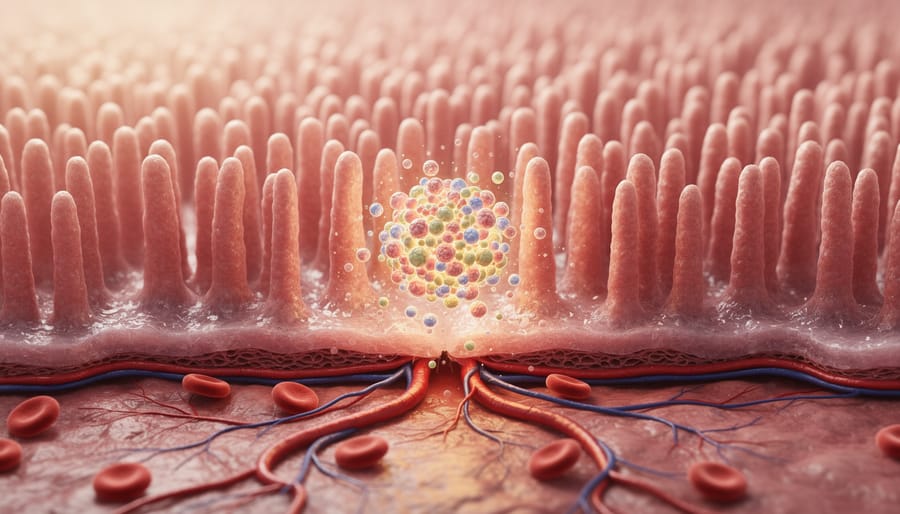
The Powerful Hormones L Cells Produce
GLP-1: Your Natural Blood Sugar Manager
GLP-1, or glucagon-like peptide-1, is one of the most important hormones your L cells produce. Think of it as your body’s natural blood sugar manager, working behind the scenes to keep your metabolism balanced and healthy.
When you eat, L cells release GLP-1 into your bloodstream. This hormone then signals your pancreas to produce insulin, but only when your blood sugar is elevated. This smart response helps prevent dangerous blood sugar spikes after meals. GLP-1 also slows down how quickly food leaves your stomach, giving your body more time to process nutrients efficiently.
Beyond blood sugar control, GLP-1 plays a significant role in appetite regulation. It sends signals to your brain that promote feelings of fullness and satisfaction, which naturally helps you eat less without feeling deprived. This is why GLP-1 has become central to understanding weight management and metabolic health.
For diabetes prevention, GLP-1’s ability to enhance insulin release while preventing blood sugar spikes is particularly valuable. It helps your body maintain steady glucose levels throughout the day, reducing the strain on your pancreas over time. This protective effect is one reason why supporting your L cells’ natural GLP-1 production through diet and lifestyle choices can be a powerful strategy for long-term metabolic health.
The good news is that you can naturally boost your GLP-1 levels through specific foods and eating patterns, giving you practical tools to support your body’s own blood sugar management system.
PYY: The Satiety Signal
Peptide YY, commonly known as PYY, is a powerful hormone released by your enteroendocrine L cells when food reaches your small intestine and colon. Think of PYY as your body’s natural portion control mechanism. After you eat, especially meals containing protein and fibre, your L cells release PYY into your bloodstream. This hormone travels to your brain, specifically targeting the appetite control centres, where it signals that you’ve had enough to eat.
PYY works by slowing down the movement of food through your digestive system, helping you feel satisfied for longer periods after meals. This extended feeling of fullness, called satiety, naturally reduces your desire to snack between meals and helps prevent overeating. Research shows that people with higher PYY levels after eating tend to consume fewer calories throughout the day without feeling deprived.
The good news is that you can support healthy PYY production through your food choices. Protein-rich foods like fish, chicken, eggs, and legumes are particularly effective at triggering PYY release. Fibre from vegetables, whole grains, and fruits also stimulates your L cells to produce more of this helpful hormone. By choosing meals that naturally boost PYY, you’re working with your body’s own signals to maintain a healthy weight and support balanced eating patterns.
Other Important Hormones
Beyond GLP-1, L cells produce several other beneficial hormones. GLP-2 plays a key role in maintaining the health of your intestinal lining, helping to repair and protect the gut barrier. This is important for nutrient absorption and preventing inflammation that can affect your overall health. Oxyntomodulin works similarly to GLP-1 by helping to regulate appetite and energy use, contributing to feelings of fullness after meals. These hormones work together as part of your body’s natural system for managing digestion, blood sugar control, and weight regulation. While GLP-1 gets most of the attention, understanding that L cells produce multiple hormones highlights just how important these cells are for your metabolic health. The good news is that the same healthy eating patterns that boost GLP-1, such as consuming fiber-rich foods and fermented products, also support the production of these other helpful hormones.
How L Cells Impact Your Metabolic Health
Blood Sugar Control and Diabetes Prevention
L cells play a crucial role in managing your blood sugar levels by producing glucagon-like peptide-1 (GLP-1), a hormone that acts as your body’s natural blood sugar regulator. When you eat, nutrients in your digestive tract trigger L cells to release GLP-1 into your bloodstream. This hormone then signals your pancreas to produce insulin, which helps move sugar from your blood into your cells where it can be used for energy.
What makes this process so important for diabetes prevention is that GLP-1 does more than just trigger insulin release. It also slows down how quickly food leaves your stomach, helping prevent sharp spikes in blood sugar after meals. Additionally, GLP-1 signals your brain to reduce appetite, which can support healthy weight management—a key factor in preventing type 2 diabetes.
For people already living with type 2 diabetes, understanding L cells offers hope. Many modern diabetes medications work by mimicking GLP-1 or preventing its breakdown, essentially supporting your body’s natural blood sugar regulation system. The good news is that you can naturally support your L cells through dietary choices. Foods high in fibre, protein, and healthy fats are particularly effective at stimulating GLP-1 release.
Research shows that maintaining healthy L cell function through proper nutrition and lifestyle habits can significantly reduce your risk of developing type 2 diabetes and help manage existing blood sugar concerns more effectively.
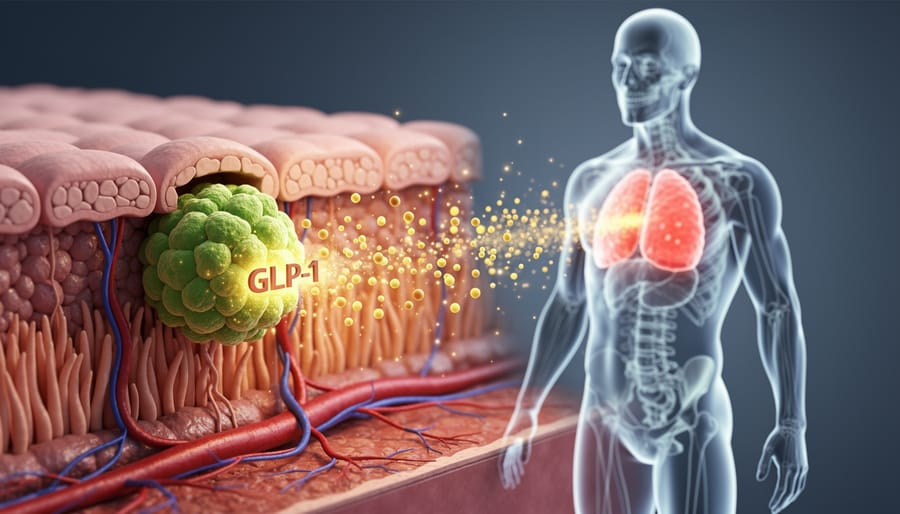
Weight Management and Appetite Regulation
L cells play a remarkable role in helping your body manage weight naturally through appetite regulation. When these specialized intestinal cells detect nutrients from your meals, they release hormones like GLP-1 and PYY that send powerful signals to your brain. These signals help you feel satisfied after eating and reduce the urge to snack between meals.
GLP-1, in particular, slows down how quickly food leaves your stomach, which extends that comfortable feeling of fullness. This natural process helps prevent overeating without requiring strict willpower or constant calorie counting. PYY works alongside GLP-1 to reduce appetite and food intake, creating a coordinated system that supports healthy portion control.
Beyond managing hunger, L cell hormones also influence your metabolism. They help regulate how your body uses and stores energy from food, supporting a healthy metabolic rate. This connection explains why keeping your L cells functioning well can be valuable for maintaining a healthy weight over time.
Research shows that people with higher natural levels of these hormones tend to find it easier to manage their weight. The good news is that you can support your L cells through dietary choices. Eating foods rich in fibre, protein, and healthy fats naturally stimulates L cell hormone release, helping your body’s own weight management systems work more effectively. This approach focuses on working with your body’s natural mechanisms rather than against them.
Gut Health and Beyond
L cells play a vital role far beyond blood sugar control. These specialized cells contribute to digestive health by supporting the gut barrier and promoting healthy digestion through hormones like GLP-2, which helps repair and maintain intestinal lining. When your gut lining is strong, it reduces inflammation throughout your body, which is linked to numerous chronic conditions including heart disease and autoimmune disorders. Research shows that well-functioning L cells may help calm systemic inflammation, supporting your immune system and overall wellness. By producing hormones that regulate appetite, energy use, and nutrient absorption, L cells act as master coordinators of metabolic function. Supporting these cells through fiber-rich foods, regular physical activity, and stress management creates positive ripple effects across multiple body systems, reinforcing why gut health truly is foundational to your overall well-being and disease prevention efforts.
How to Support Your L Cells Through Diet
Fiber-Rich Foods That Activate L Cells
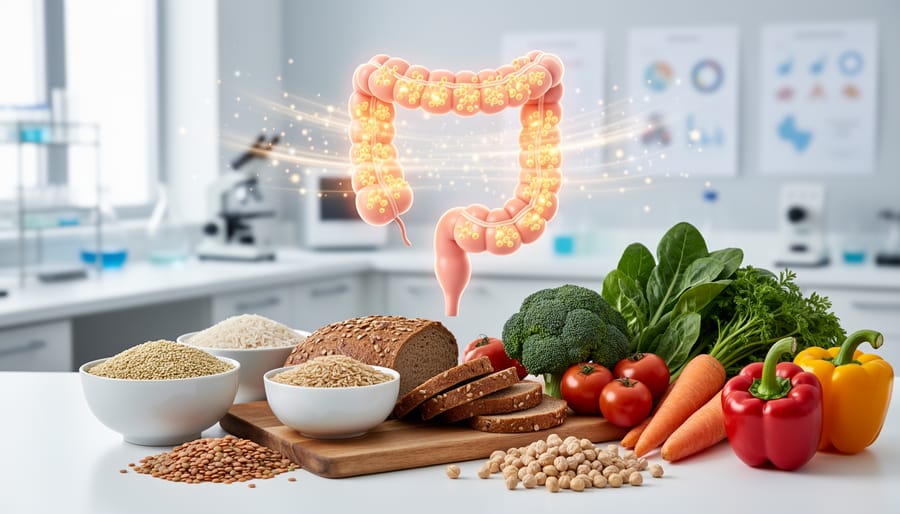
Dietary fiber plays a powerful role in activating L cells, particularly fermentable fibers that your gut bacteria break down into beneficial compounds called short-chain fatty acids. When these fatty acids reach L cells in your intestinal lining, they trigger the release of hormones like GLP-1 and PYY that help regulate blood sugar, appetite, and metabolism. Understanding how food choices shape hormones empowers you to make decisions that support your metabolic health.
Canadians have easy access to numerous fiber-rich foods that stimulate L cells effectively. Whole grains like oats, barley, and quinoa contain soluble fiber that feeds beneficial gut bacteria. Legumes such as lentils, chickpeas, black beans, and split peas are excellent choices readily available at any grocery store. These provide both fermentable fiber and plant-based protein.
Vegetables particularly beneficial for L cell activation include asparagus, Brussels sprouts, broccoli, carrots, and artichokes. Leafy greens like kale and Swiss chard also contribute valuable fiber. Among fruits, apples, pears, berries, and bananas offer good amounts of fermentable fiber, with the added benefit of being locally grown during Canadian harvest seasons.
To maximize L cell stimulation, aim for 25-38 grams of fiber daily from diverse sources. Start gradually if you’re increasing fiber intake, and drink plenty of water to support digestion. This practical approach helps your body naturally produce the hormones needed for better metabolic health.
The Role of Protein
Protein is one of the most powerful dietary triggers for L cell activation. When protein-containing foods reach your intestines, they stimulate L cells to release GLP-1 and PYY, hormones that help regulate appetite and blood sugar levels. Research shows that meals with adequate protein create a stronger and longer-lasting hormone response compared to meals dominated by carbohydrates or fats alone.
The good news is that incorporating protein doesn’t require complicated meal planning. Aim to include a protein source at each meal, such as eggs or Greek yogurt at breakfast, chicken or legumes at lunch, and fish or tofu at dinner. Canadian dietary guidelines suggest most adults need about 0.8 grams of protein per kilogram of body weight daily, though individual needs vary based on age, activity level, and health goals.
For optimal L cell stimulation, distribute your protein intake throughout the day rather than consuming most of it at one meal. This steady approach keeps your L cells actively producing beneficial hormones, helping you feel satisfied between meals and maintaining stable blood sugar levels. Plant-based proteins like lentils, chickpeas, and quinoa also work effectively, making this strategy accessible whether you follow an omnivorous or plant-based eating pattern.
Healthy Fats for Hormone Production
Not all fats are created equal when it comes to supporting your metabolic health, and choosing the right ones can actually help activate your L cells. Research shows that certain healthy fats trigger these important cells to release beneficial hormones that regulate appetite and blood sugar.
Omega-3 fatty acids, found abundantly in fatty fish like salmon, mackerel, and sardines, are particularly effective at stimulating L cell activity. These essential fats not only support hormone production but also help reduce inflammation throughout your body. If you’re not a fish lover, consider incorporating ground flaxseeds or walnuts into your daily routine.
Extra virgin olive oil is another excellent choice for L cell activation. This Mediterranean staple contains beneficial compounds that encourage hormone release while providing heart-healthy monounsaturated fats. Use it as your primary cooking oil or drizzle it over salads and vegetables.
Nuts and seeds like almonds, cashews, and chia seeds offer a convenient way to include L cell-supporting fats in your diet. A small handful as a snack or added to meals provides sustained energy while promoting healthy hormone signaling.
The key is consistency. Aim to include these healthy fats in your meals regularly rather than relying on processed or trans fats, which can actually impair L cell function and worsen metabolic health.
Simple Meal Timing Tips
Timing your meals can support L cell activity naturally. Try eating regular meals rather than constant snacking throughout the day, which gives your L cells time to respond effectively to food. Including protein and fiber at each meal triggers stronger L cell hormone release. Consider having your largest meals earlier in the day when your metabolism is most active. Avoid eating late at night, as this pattern may reduce L cell responsiveness. Remember, consistency matters more than perfection—find an eating rhythm that fits your lifestyle while supporting your digestive health.
Lifestyle Factors That Support L Cell Function
Exercise and Physical Activity
Regular physical activity offers powerful benefits for L cell function and overall metabolic health. When you move your body, whether through walking, cycling, or strength training, you stimulate your gut cells to produce more GLP-1 and other beneficial hormones. Studies show that exercise improves hormone function throughout your body, including enhancing L cell sensitivity and secretion.
For beginners, start with 20-30 minutes of moderate activity like brisk walking, swimming, or gardening on most days. If you’re more active, consider adding interval training or resistance exercises to further boost metabolic benefits. Even short movement breaks throughout the day can activate your L cells and improve blood sugar control.
The key is consistency rather than intensity. Choose activities you genuinely enjoy, whether that’s dancing, hiking Canadian trails, or playing with your children. Combining aerobic exercise with strength training twice weekly provides optimal results for metabolic health. Remember, any movement is better than none, so start where you are and gradually build your routine to support your L cells and overall wellness.

Sleep and Stress Management
Your sleep quality and stress levels play a surprisingly important role in how well your L cells function. Research shows that chronic sleep deprivation and ongoing stress can disrupt the production of GLP-1 and other gut hormones, creating a ripple effect throughout your metabolic health.
When you’re sleep-deprived, your body produces less GLP-1, which can lead to increased appetite and poorer blood sugar control the next day. Studies suggest that getting 7-9 hours of quality sleep supports optimal gut hormone production and helps maintain healthy eating patterns.
Chronic stress also impacts L cell function through the gut-brain connection. High cortisol levels from ongoing stress can alter your gut environment and reduce beneficial hormone signals that regulate appetite and metabolism. This connection helps explain why stress often triggers cravings and digestive issues.
The good news? Managing stress through practices like deep breathing, meditation, regular physical activity, or connecting with loved ones can support better gut hormone balance. Even small improvements in sleep habits—like maintaining a consistent bedtime or limiting screen time before bed—can positively influence your L cells and overall metabolic health. Remember, taking care of your mental wellbeing is taking care of your gut health too.
Gut Microbiome Health
Your gut bacteria play a vital role in activating L cells. Beneficial microbes produce short-chain fatty acids when they ferment dietary fiber, which directly stimulates L cells to release GLP-1 and other helpful hormones. To support a healthy microbiome, focus on eating a variety of fiber-rich foods like vegetables, fruits, whole grains, and legumes. Fermented foods such as yogurt, kefir, and sauerkraut can also promote beneficial bacteria. Aim for at least 25-30 grams of fiber daily and include diverse plant foods in your meals to nourish the gut bacteria that keep your L cells functioning optimally.
The Future: L Cells and Medical Treatments
The exciting research into L cells is opening new doors for treating metabolic conditions like type 2 diabetes and obesity. Scientists have discovered that the hormones these cells produce, particularly GLP-1, play such important roles in regulating blood sugar and appetite that they’ve become the foundation for a new generation of medical treatments.
These medications work by mimicking the natural hormones your L cells produce, helping your body better control blood sugar levels and manage hunger signals. For people with type 2 diabetes, this means improved glucose control without some of the drawbacks of older treatments. The weight management benefits have also shown promise for individuals struggling with obesity, offering an additional tool alongside lifestyle changes.
What makes this research particularly hopeful is that it’s teaching us more about how our bodies naturally regulate metabolism. By understanding exactly how L cells respond to different foods and nutrients, researchers are developing treatments that work with your body’s existing systems rather than against them. This approach tends to have fewer side effects and can be more effective long-term.
Beyond medications, this knowledge is helping healthcare providers give better advice about diet and lifestyle choices. Understanding that certain foods directly stimulate your L cells to release beneficial hormones gives scientific backing to recommendations about fiber-rich vegetables, whole grains, and healthy fats.
The future looks bright as researchers continue uncovering how these remarkable cells function. Each discovery brings us closer to more effective, personalized treatments for metabolic conditions that affect millions of Canadians. While medications aren’t necessary for everyone, knowing they exist as options provides reassurance. Combined with evidence-based lifestyle strategies, this research is genuinely changing how we prevent and manage metabolic diseases.
Your enteroendocrine L cells are remarkable allies in your journey toward better metabolic health. These specialized cells in your gut work around the clock, releasing powerful hormones that help regulate your blood sugar, manage your appetite, and support your overall well-being. The encouraging news is that you have more control over their function than you might think.
Every meal you eat, every movement you make, and even the quality of your sleep sends signals to these cells, influencing how effectively they support your metabolism. By choosing fibre-rich foods, incorporating fermented options into your diet, staying physically active, and managing stress, you’re giving your L cells the tools they need to work optimally for you.
You don’t need to make drastic changes overnight. Start with one small step today—perhaps adding an extra serving of vegetables to your dinner, taking a walk after meals, or trying a new whole grain. These simple actions activate your L cells and begin creating positive metabolic changes in your body.
Your body has an incredible natural capacity to support your health, and your enteroendocrine L cells are proof of that built-in wisdom. By making informed, sustainable lifestyle choices, you’re working with your biology, not against it. Remember, improving your metabolic health is a journey, and every positive choice you make today is an investment in your long-term wellness. You’ve got this.