
The transition to an empty nest represents a pivotal opportunity to reclaim personal wellness through intentional travel experiences. Research consistently shows that travel reduces cortisol levels, improves cognitive function, and strengthens relationship bonds—benefits particularly valuable during this emotionally complex life stage.
Reframe this moment not as loss, but as liberation. You’ve invested decades nurturing others; travel now becomes a legitimate tool for your mental and physical health, not an indulgence requiring justification. Studies confirm that adults who engage in regular leisure travel report 20% lower stress levels and enhanced life satisfaction compared to those who don’t.
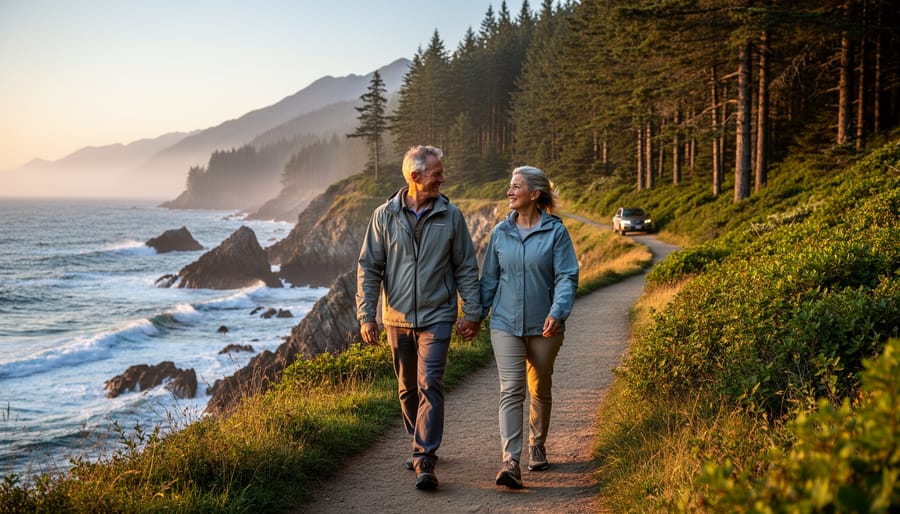
Start with a single weekend getaway within driving distance to build confidence and establish new routines together. This low-stakes approach allows you to navigate traveling as a couple again without the pressure of international logistics or significant financial commitment. Choose destinations offering physical activity—hiking trails, cycling routes, or coastal walks—to maximize both fitness and stress reduction benefits.
Address guilt directly by recognizing that modeling self-care teaches adult children healthy boundaries and personal growth. Your wellbeing directly impacts your capacity to support family members long-term, making travel a strategic investment in sustained health rather than selfish escape.
Canadian travelers benefit from accessible natural wellness destinations across provinces, from British Columbia’s coastal retreats to Quebec’s spa towns, offering therapeutic environments without passport requirements. This proximity reduces both costs and planning barriers, making the transition to regular travel achievable for most budgets and comfort levels.
Understanding the Empty Nest Transition

The Emotional Impact on Mental Health
The empty nest transition affects parents emotionally in ways many don’t anticipate. Research shows that approximately 25% of parents experience significant feelings of sadness, loss of purpose, or anxiety when their children leave home. According to psychologists specializing in life transitions, this response is completely normal and reflects the profound identity shift that occurs when active parenting responsibilities decrease.
Some parents report feeling a sense of grief as daily routines change dramatically. The home feels quieter, mealtimes are different, and the constant caregiving role that defined decades suddenly disappears. This can lead to questions about personal identity and purpose moving forward.
Mental health professionals note that these feelings can sometimes develop into depression or heightened anxiety if left unaddressed. However, experts emphasize that acknowledging these emotions is the first step toward healthy adjustment. Dr. Karen Fingerman, a gerontology researcher, explains that parents who actively seek new experiences and social connections during this period tend to adapt more successfully.
The key is recognizing that feeling both sadness about this life change and excitement about new possibilities can coexist. Travel emerges as one evidence-based strategy that helps parents process these emotions while creating positive momentum for this next chapter.
Physical Health Changes During This Life Stage
The empty nest years often coincide with significant physical changes that can impact your ability to enjoy travel. Understanding these shifts helps you plan trips that support rather than strain your wellness.
During this life stage, many Canadians experience midlife health transitions that affect energy levels and sleep patterns. Hormonal changes, particularly for women going through perimenopause or menopause, can disrupt rest and create fatigue. Reduced household responsibilities may initially seem energizing, but the emotional adjustment can actually increase stress hormones that interfere with quality sleep.
These aging and lifestyle changes don’t mean you should avoid travel. In fact, travel can positively influence your physical health by encouraging more movement, breaking sedentary routines, and reducing chronic stress. The key is recognizing your body’s current needs and choosing travel experiences that align with them. Walking tours, active adventures, or restorative retreats can all offer health benefits when matched to your energy levels and fitness capacity. Consulting with your healthcare provider before planning significant trips ensures any health considerations are addressed proactively.
Why Travel Works as a Wellness Tool
Mental Health Benefits of Changing Your Environment
Stepping into unfamiliar environments offers powerful mental health advantages during the empty nest transition. Research shows that novel experiences activate different neural pathways in the brain, effectively interrupting patterns of rumination and helping you move beyond repetitive worrying about your changing family dynamics. When you’re navigating a new city, trying unfamiliar cuisine, or learning about different cultures, your brain shifts from dwelling on what you’ve lost to engaging with what you’re discovering.
Travel provides natural distance from daily routines and familiar settings that can trigger sadness or feelings of emptiness. This physical separation creates mental space for processing emotions more objectively and developing healthier perspectives on this life stage. Many parents find that exploring new places reminds them of their own identity beyond the parenting role, reconnecting with interests and aspects of themselves that may have been set aside during child-rearing years.
The cognitive stimulation from travel also supports brain health as we age. Planning trips, problem-solving in new situations, and adapting to different environments all exercise mental flexibility and resilience. If you’re finding the adjustment particularly challenging, combining travel with mental health support can provide additional tools for navigating this transition positively.
Rebuilding Identity and Purpose Through Exploration
After years of prioritizing your children’s activities, interests, and schedules, travel offers a valuable opportunity to reconnect with yourself and explore who you are beyond the parenting role. Research from Canadian mental health experts suggests that engaging in new experiences supports psychological well-being during major life transitions.
When you travel, you create space to ask important questions: What truly interests you now? What activities bring you joy independent of your family responsibilities? Whether you’re drawn to cultural museums, hiking trails, culinary experiences, or wellness retreats, exploration helps you identify passions that may have been set aside during busy parenting years.
Travel also encourages personal growth through challenge and novelty. Navigating unfamiliar cities, trying new activities, or learning about different cultures builds confidence and reminds you of your capability. These experiences contribute to a renewed sense of purpose and identity.
Consider starting with destinations that align with emerging interests. If you’ve always been curious about photography, plan trips to visually stunning locations. If wellness appeals to you, explore spa towns or yoga retreats across Canada. Each journey becomes an investment in understanding and developing the person you’re becoming in this new life chapter.

Strengthening Your Partnership
The intensive parenting years often mean couples operate as a coordinated team focused primarily on children’s schedules, activities, and needs. While this partnership is essential, it can gradually shift attention away from your relationship as a couple. Travel offers a valuable opportunity to reconnect with your partner and rediscover shared interests beyond parenting responsibilities.
Research shows that couples who engage in novel experiences together report increased relationship satisfaction and emotional connection. When you travel, you’re creating space for meaningful conversations, shared decision-making, and spontaneous moments that daily routines often don’t allow. Whether exploring a new hiking trail, trying unfamiliar cuisines, or simply enjoying uninterrupted time together, these experiences help partners remember why they chose each other.
Start by discussing your individual travel interests and finding common ground. Perhaps one partner loves cultural experiences while the other prefers outdoor adventures—many destinations can accommodate both preferences. Set aside dedicated time during trips to check in with each other about feelings, goals, and dreams for this next life chapter. The key is approaching travel as a team-building exercise for your relationship, where communication and flexibility strengthen your bond naturally.
Planning Empty Nest Travel That Supports Your Wellness
Start Small: Weekend Getaways and Short Trips
If the thought of international travel feels overwhelming, beginning with weekend getaways is an excellent way to build confidence and rediscover the joy of exploration together. Short trips allow you to test your travel style as a couple without the pressure of lengthy itineraries or significant financial commitments.
Canada offers countless accessible destinations perfect for easing into empty nest travel. Consider exploring nearby provincial parks, charming small towns within a few hours’ drive, or cities you’ve always meant to visit. The Niagara region, the Maritimes’ coastal communities, Quebec’s Eastern Townships, or British Columbia’s Gulf Islands all provide enriching experiences without extensive planning.
Start with a single overnight trip, gradually extending to long weekends as your comfort grows. These shorter journeys help you identify what brings you both joy, whether that’s outdoor activities, cultural experiences, or simply relaxing together in new surroundings.
Research from travel wellness experts confirms that even brief getaways can reduce stress hormones and improve mood for weeks afterward. The key is removing the pressure to make every trip perfect. Weekend adventures serve as valuable practice runs, helping you refine your travel preferences while building positive associations with exploring this new chapter together. Each small trip builds momentum for future adventures.
Active Travel for Physical and Mental Health
Active travel adventures offer empty nesters an ideal way to maintain physical health during life transitions while discovering new destinations. Hiking trips through Canadian national parks like Banff or Gros Morne combine cardiovascular exercise with breathtaking scenery, helping to reduce stress and improve mood naturally. Cycling tours along routes such as the Cabot Trail or Prince Edward County’s wine country provide low-impact workouts suitable for various fitness levels while encouraging social connections with fellow travellers.
Walking vacations through European villages or coastal paths offer gentler options that still deliver substantial health benefits, including improved bone density, better sleep quality, and enhanced mental clarity. These active experiences release endorphins, combat feelings of loneliness that sometimes accompany this life stage, and provide a sense of accomplishment. Starting with shorter trips closer to home helps build confidence and fitness gradually. Many Canadian tour operators offer guided active travel packages specifically designed for mature travellers, ensuring proper pacing and support while you explore new horizons and prioritize your wellbeing.

Mindful and Restorative Travel Experiences
The empty nest phase offers an ideal opportunity to prioritize your wellbeing through mindful travel experiences that nurture both body and mind. Wellness retreats across Canada provide structured environments for reflection, healing, and personal growth during this significant life transition.
Consider destinations like British Columbia’s spa resorts nestled in mountain settings, where you can combine therapeutic treatments with forest bathing and gentle hiking. Quebec’s Eastern Townships offer charming wellness centres featuring Nordic spa experiences, yoga sessions, and healthy cuisine that support both physical and emotional restoration.
Research shows that taking time for restorative activities can reduce stress hormones and improve sleep quality, both particularly beneficial when adjusting to life changes. Quiet destinations focused on mindfulness practices, such as meditation retreats or wellness-focused bed and breakfasts, create space for processing emotions and rediscovering personal interests outside of parenting responsibilities.
Many wellness programs specifically address midlife transitions, offering workshops on stress management, nutrition, and lifestyle redesign. These experiences validate your feelings while providing practical tools for moving forward. Whether choosing a weekend digital detox retreat in Ontario’s cottage country or a week-long wellness program in Nova Scotia, these intentional travel experiences support your mental health journey while helping you reconnect with yourself and your partner if traveling together.
Overcoming Common Barriers to Empty Nest Travel
Dealing with Guilt and Permission
Many empty nesters struggle with guilt about prioritizing travel, believing they should remain constantly available for adult children or aging parents. These feelings are common but often unproductive. Research shows that maintaining your own well-being actually enhances your ability to support loved ones when genuinely needed.
Consider that your adult children benefit from seeing you model healthy self-care and personal growth. Setting boundaries around your time demonstrates emotional maturity and encourages their independence. Most family situations don’t require constant physical presence, especially with today’s communication technology.
Start by reframing travel as wellness maintenance rather than indulgence. Just as you wouldn’t feel guilty about attending medical appointments, recognize that activities supporting your mental and emotional health are equally valid. Discuss your plans openly with family members, establishing clear communication protocols for emergencies.
Give yourself permission to enjoy this earned life stage. Decades of caregiving have prepared you for this transition. Embracing new experiences now isn’t selfish; it’s essential for preventing isolation, maintaining cognitive health, and entering your next life chapter with vitality and purpose.
Budget-Friendly Travel Options for Canadians
Exploring the world as empty nesters doesn’t have to strain your finances. Start by traveling during shoulder seasons—late spring and early fall—when flights and accommodations are significantly cheaper and destinations less crowded. Consider using travel rewards credit cards to accumulate points on everyday purchases, which can offset flight costs within Canada and internationally.
Package deals through Canadian travel agencies often provide better value than booking separately, especially for all-inclusive resorts. Look into house-swapping services or vacation rental platforms for affordable accommodation alternatives that offer kitchen facilities, reducing dining expenses.
VIA Rail offers senior discounts for travelers 60 and over, making cross-country train journeys more accessible. Many provinces also provide tourism tax credits for stays within Canada—check with your provincial government for eligibility.
Traveling with other empty nester couples allows you to share accommodation costs while enjoying social connections. Consider volunteer tourism or slow travel, staying longer in one destination to reduce transportation costs and deepen cultural experiences. These budget-conscious approaches ensure travel remains a sustainable wellness practice during this exciting life transition.
Traveling Solo vs. With a Partner
Both solo travel and traveling with your partner offer unique wellness benefits during this life transition. Solo adventures provide valuable opportunities for self-discovery, independence, and personal growth. You’ll make decisions entirely on your own schedule, which can boost confidence and help you reconnect with individual interests that may have taken a backseat during active parenting years.
Traveling as a couple allows you to strengthen your relationship and rediscover shared interests beyond parenting responsibilities. It provides dedicated time for meaningful conversations and creating new memories together, supporting emotional wellness and relationship satisfaction.
Consider alternating between both approaches to address different wellness needs. A solo weekend retreat might help you process emotions about this life change, while a couple’s getaway can reinvigorate your partnership. Many Canadian empty nesters find that trying both styles helps them understand what brings them the greatest sense of fulfillment and mental well-being during this transition.
Making Travel Part of Your Long-Term Wellness Strategy
Creating a Travel Routine That Fits Your Life
The key to successful empty nest travel is building a rhythm that works within your lifestyle and budget. Start by honestly assessing your financial situation, available vacation time, and energy levels. Some couples thrive on quarterly weekend getaways, while others prefer one or two longer annual adventures.
Consider blocking travel dates in your calendar at the start of each year, treating them as important wellness appointments. This approach, similar to other wellness strategies, helps ensure travel becomes a priority rather than an afterthought.
Mix up your travel style to maintain sustainability. Alternate between budget-friendly road trips exploring Canadian destinations and occasional splurge experiences. Take advantage of shoulder season pricing and loyalty programs offered by Canadian airlines and hotel chains.
Create a dedicated travel fund by automating small monthly transfers, making it easier to afford trips without financial stress. Even setting aside fifty dollars per paycheck adds up over time.
Remember that consistency matters more than extravagance. Regular smaller trips often provide more cumulative wellness benefits than waiting years for one perfect vacation, helping you maintain connections and create ongoing memories together.

Building Community Through Travel
The empty nest transition often coincides with changing social dynamics as children move away and friend groups evolve. Travel offers a meaningful opportunity to expand your social network during this pivotal time. Research indicates that shared travel experiences create strong bonds between people, making group tours, wellness retreats, and adventure travel particularly valuable for building new friendships.
Consider joining travel groups designed for your age demographic or interests. Organizations like Eldertreks and Road Scholar offer Canadian-focused itineraries where you’ll naturally connect with like-minded individuals. Walking tours, cooking classes, and local cultural experiences provide natural conversation starters and shared memories that often lead to lasting friendships.
Many Canadians find that volunteering abroad through programs like Habitat for Holidays combines meaningful work with community building. The collaborative nature of these experiences fosters deep connections quickly.
Solo travel shouldn’t mean lonely travel. Staying in boutique hotels with communal spaces, attending local events, or using apps designed to connect travelers creates opportunities for authentic interactions. These new connections often provide fresh perspectives and emotional support as you navigate this life transition, contributing to improved mental wellbeing and a renewed sense of purpose.
The empty nest phase isn’t about loss—it’s about possibility. Travel during this transition isn’t a luxury or an escape from reality; it’s a meaningful wellness strategy with real, measurable benefits for your mental and physical health. Research consistently shows that travel reduces stress, strengthens relationships, builds cognitive resilience, and creates the kind of positive experiences that contribute to long-term well-being.
If you’ve been hesitating to book that trip, wondering if it’s selfish or premature, let this be your permission to move forward. The emotional adjustment that comes with your children leaving home is significant, and actively investing in experiences that bring joy and growth is one of the healthiest ways you can navigate this change. You’re not running away from anything—you’re running toward a new chapter that deserves your attention and energy.
Start small if a major trip feels overwhelming. A weekend getaway within your province can provide many of the same mental health benefits as an extended international journey. What matters most is that you’re prioritizing connection, novelty, and self-care during a time when many parents forget to focus on themselves.
This transition period offers something precious: time to rediscover who you are beyond your parenting role. Travel provides the perfect container for that exploration, combining physical movement with emotional growth. The vitality and renewed sense of purpose that many empty nesters discover through travel isn’t accidental—it’s the natural result of stepping outside your comfort zone and investing in experiences that nourish your whole self.
Your next adventure is waiting. Take that first step.