

Replace processed foods with whole plant options like leafy greens, berries, and legumes to directly support neurotransmitter production in your brain. These foods provide essential nutrients including folate, magnesium, and omega-3 fatty acids that regulate mood-stabilizing chemicals like serotonin and dopamine.
Add fermented plant foods such as sauerkraut, kimchi, and tempeh to your daily meals to strengthen your gut microbiome, which produces up to 90% of your body’s serotonin. The gut-brain axis represents a direct communication pathway where beneficial bacteria influence emotional regulation and stress response.
Include colorful vegetables and fruits at every meal to combat inflammation, a key contributor to depression and anxiety. Anthocyanins in blueberries, polyphenols in dark leafy greens, and carotenoids in orange vegetables reduce inflammatory markers that interfere with healthy brain function.
The connection between nutrition and mental health continues to gain scientific validation as researchers identify specific mechanisms through which plant compounds influence brain chemistry. Studies show that individuals following plant-based eating patterns report lower rates of depression and improved overall psychological well-being compared to those consuming standard Western diets high in processed foods and animal products.
Start by crowding out rather than eliminating foods. Focus on adding more plants to your plate before removing other items. This positive approach reduces the stress of dietary change while naturally decreasing room for less beneficial options. Even small shifts toward more plant-based meals create measurable improvements in mood, energy levels, and mental clarity within weeks.
The Science Behind Plants and Your Brain
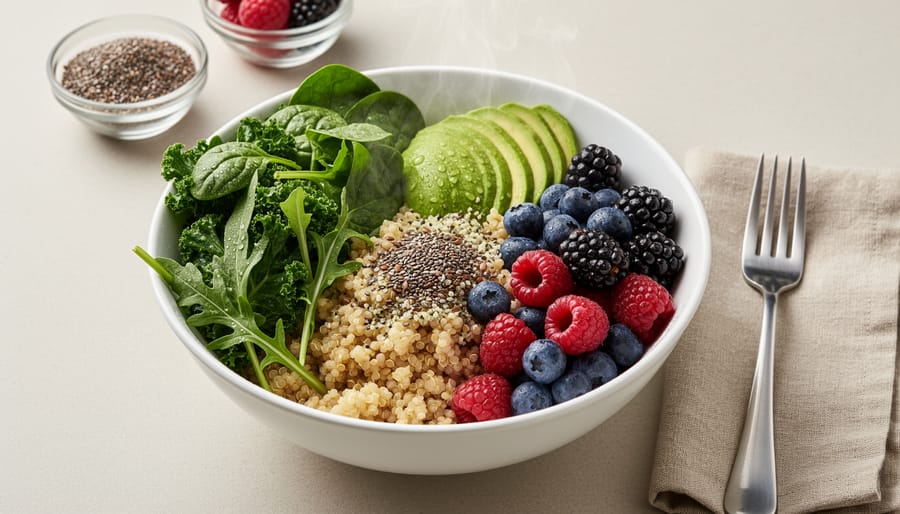
How Plant Nutrients Affect Brain Chemistry
Plant-based foods contain powerful nutrients that directly influence how your brain produces and regulates mood-related chemicals. Understanding these connections can help you make informed choices about supporting your mental wellness through diet.
Folate, abundant in leafy greens, lentils, and chickpeas, plays a crucial role in producing serotonin, often called your “feel-good” neurotransmitter. Research shows that people with low folate levels have higher rates of depression. Canadian adults can easily meet their folate needs by incorporating dark leafy vegetables and legumes into daily meals.
B vitamins, particularly B6 and B12, work alongside folate to support neurotransmitter production. While B12 is primarily found in animal products, fortified plant milks, nutritional yeast, and breakfast cereals provide reliable sources for those following plant-based diets. B6 is plentiful in bananas, potatoes, and whole grains.
Plant-based omega-3 fatty acids from sources like ground flaxseed, chia seeds, walnuts, and hemp hearts support brain cell membrane health and reduce inflammation linked to mood disorders. While these provide ALA omega-3s, your body converts some to the active forms EPA and DHA that benefit brain function.
Antioxidants found in colourful fruits, vegetables, and berries protect brain cells from oxidative stress that can contribute to anxiety and depression. Blueberries, strawberries, and dark leafy greens are particularly rich in these protective compounds.
By choosing a variety of whole plant foods daily, you provide your brain with the raw materials it needs to maintain balanced chemistry and optimal mental wellness.
The Gut-Brain Connection
Your gut and brain communicate constantly through what scientists call the gut-brain axis, and this connection plays a significant role in your mental health. The trillions of beneficial bacteria living in your digestive system produce neurotransmitters like serotonin and dopamine, the same chemicals that regulate your mood, anxiety levels, and overall sense of wellbeing. In fact, approximately 90% of your body’s serotonin is produced in your gut.
Plant-based foods provide the essential nutrients these beneficial bacteria need to thrive. Dietary fiber, found abundantly in fruits, vegetables, whole grains, and legumes, acts as fuel for your gut microbiome. When these bacteria break down fiber, they produce short-chain fatty acids that reduce inflammation throughout your body, including in your brain. This anti-inflammatory effect is particularly important because chronic inflammation has been linked to depression and anxiety.
Phytonutrients, the natural compounds that give plants their vibrant colors, also support gut health while protecting your brain cells from oxidative stress. Berries, leafy greens, and legumes are especially rich in these protective compounds.
Research shows that people who eat more plant-based foods tend to have greater microbial diversity in their gut, which correlates with better mental health outcomes. By nourishing your gut microbiome with plant fiber and phytonutrients, you’re directly supporting the diet-emotion connection and giving your body the tools it needs to regulate mood naturally.
Mental Health Benefits You Can Expect
Reduced Anxiety and Depression Symptoms
Research suggests that adopting a plant-based diet may help reduce symptoms of anxiety and depression. A comprehensive review published in the journal Nutritional Neuroscience found that individuals following plant-based eating patterns reported lower depression scores compared to those consuming omnivorous diets. The connection appears to stem from several factors, including reduced inflammation, improved gut bacteria diversity, and higher intake of mood-supporting nutrients like folate, magnesium, and omega-3 fatty acids from plant sources.
Studies show that fruits, vegetables, whole grains, and legumes contain antioxidants that protect brain cells from oxidative stress, which has been linked to mood disorders. The high fiber content in plant foods also supports a healthy gut microbiome, increasingly recognized as vital for mental health through the gut-brain connection.
While Canadian-specific research in this area is still emerging, mental health experts recommend incorporating more plant-based meals as part of a comprehensive approach to managing anxiety and depression. It’s important to note that dietary changes work best alongside other treatments like therapy and medication when needed. If you’re experiencing persistent mental health challenges, consult with your healthcare provider to develop a personalized treatment plan that may include nutrition as one supportive component.
Better Stress Management
When you’re facing stress, your food choices can make a real difference in how your body responds. Plant-based diets naturally support your stress management systems through several key mechanisms.
First, whole plant foods are rich in magnesium, a mineral that plays a crucial role in regulating cortisol, your body’s primary stress hormone. Foods like leafy greens, pumpkin seeds, and black beans help maintain healthy cortisol levels throughout the day. Research shows that adequate magnesium intake can reduce feelings of anxiety and promote a calmer nervous system response.
Plant-based diets also provide abundant B vitamins, particularly folate and B6, which support your adrenal glands in managing stress responses. These nutrients help your body produce neurotransmitters that regulate mood and stress perception.
The antioxidants found in colourful fruits and vegetables combat oxidative stress caused by chronic worry and tension. Berries, sweet potatoes, and bell peppers contain compounds that protect your cells from stress-related damage.
Additionally, the complex carbohydrates in whole grains and legumes provide steady energy without the blood sugar spikes that can trigger stress responses. This stability helps you feel more balanced and better equipped to handle daily challenges, creating a foundation for improved mental resilience.
Improved Focus and Cognitive Function
A plant-based diet can significantly enhance your mental clarity and concentration throughout the day. The brain-boosting nutrients found in whole plant foods provide steady energy to your brain, helping you maintain focus without the crashes that often follow processed foods or high-sugar meals.
Leafy greens, berries, nuts, and seeds are particularly rich in antioxidants and omega-3 fatty acids that support optimal brain function. These nutrients help protect brain cells from oxidative stress and inflammation, which can impair concentration and memory. Research suggests that plant-based eating patterns may also reduce the risk of cognitive decline as you age.
The high fiber content in plant foods helps stabilize blood sugar levels, preventing the mental fog and energy dips that interfere with productivity. Many Canadians report experiencing sharper thinking and better problem-solving abilities after transitioning to a plant-based diet.
For long-term brain health, the anti-inflammatory properties of plant foods may help protect against age-related cognitive conditions. By nourishing your brain with nutrient-dense whole foods today, you’re investing in clearer thinking and mental sharpness for years to come.
Key Plant Foods for Mental Wellness
Omega-3 Rich Plants
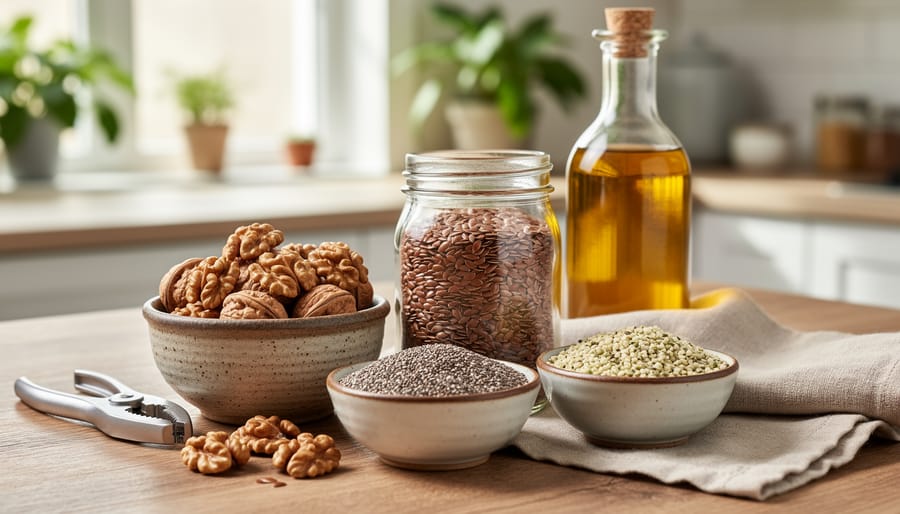
Plant-based sources of omega-3 fatty acids play a crucial role in supporting mental health and emotional balance. While many people associate omega-3s with fish, several plant foods provide alpha-linolenic acid (ALA), which your body converts into the mood-stabilizing compounds EPA and DHA.
Ground flaxseeds and flaxseed oil are among the richest plant sources, offering about 2.5 grams of ALA per tablespoon. Chia seeds provide similar benefits and can be easily added to smoothies or oatmeal. Walnuts make an excellent snack, delivering omega-3s along with other brain-supporting nutrients like vitamin E and folate. Hemp seeds and hemp hearts offer a complete protein package alongside their omega-3 content.
Research suggests that adequate omega-3 intake helps reduce inflammation in the brain, supports neurotransmitter function, and may help stabilize mood fluctuations. To maximize absorption, pair these foods with healthy fats and consider grinding flax and chia seeds before consuming them. Aim to include one to two tablespoons of ground flaxseeds or chia seeds daily, or enjoy a handful of walnuts as part of your routine to support your mental wellness naturally.
Folate-Rich Leafy Greens
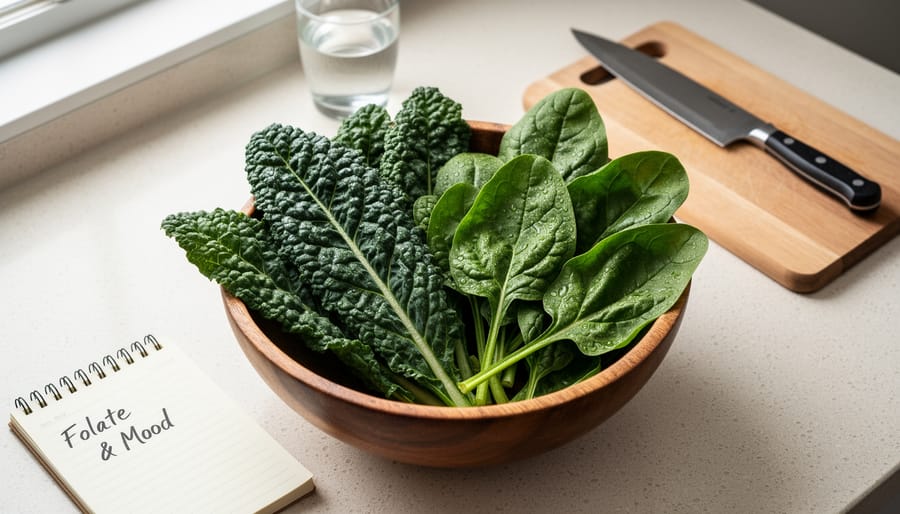
Leafy greens like spinach, kale, Swiss chard, and romaine lettuce are exceptional sources of folate, a B-vitamin essential for brain health. Folate plays a crucial role in producing neurotransmitters, including serotonin and dopamine, which regulate mood and emotional well-being. Research suggests that people with depression often have lower folate levels, and adequate intake may help reduce depression risk.
Your brain needs folate to create and maintain new cells, including those responsible for chemical messaging between neurons. When folate levels drop, neurotransmitter production can become impaired, potentially affecting your mental state. Canadian studies have shown that increasing dietary folate through whole foods may be more beneficial than supplementation alone.
Aim for at least two cups of leafy greens daily. Add fresh spinach to smoothies, create nutrient-dense salads with mixed greens, or sauté kale as a side dish. The good news for Canadians is that these vegetables are widely available year-round in grocery stores and farmers’ markets, making them an accessible addition to your mental health nutrition plan.
Whole Grains for Steady Energy
Complex carbohydrates found in whole grains like oats, quinoa, brown rice, and whole wheat bread play a vital role in maintaining stable moods and supporting mental wellness. These foods help your brain produce serotonin, often called the “feel-good” neurotransmitter that regulates mood, sleep, and appetite. Unlike refined carbohydrates that cause blood sugar spikes and crashes, whole grains provide steady glucose release, keeping your energy and emotions balanced throughout the day. Research shows that people who regularly consume whole grains experience fewer mood swings and reduced anxiety symptoms. Aim to include at least three servings of whole grains daily. Try starting your morning with steel-cut oats topped with berries, enjoying quinoa bowls for lunch, or choosing whole grain pasta for dinner. This simple dietary shift provides your brain with the consistent fuel it needs to function optimally while supporting the production of mood-regulating brain chemicals.
Berries and Antioxidant-Rich Foods
Berries stand out as exceptional brain-protecting foods, packed with powerful antioxidants called flavonoids that shield your brain cells from oxidative stress and inflammation. Research shows that blueberries, strawberries, and blackberries can help reduce symptoms of depression and anxiety while supporting better cognitive function. These colourful fruits contain anthocyanins, which improve communication between brain cells and may slow age-related mental decline.
Beyond berries, other antioxidant-rich plant foods like dark leafy greens, sweet potatoes, and red bell peppers provide essential nutrients that protect your mental health. Aim to fill half your plate with a rainbow of colourful vegetables and fruits at each meal. Frozen berries are an affordable, convenient option available year-round at Canadian grocery stores, making it easy to add a handful to your morning oatmeal, smoothies, or yogurt. The protective effects build over time, so consistency matters more than perfection in your daily choices.
Getting Started: Practical Tips for Canadians
Start Small and Build Gradually
Transforming your eating habits doesn’t require a complete dietary overhaul overnight. Starting with small, manageable changes increases your chances of long-term success and prevents feelings of overwhelm that can negatively impact your mental health.
Begin by adding one plant-based meal per week, such as Meatless Mondays featuring lentil soup or chickpea curry. Once comfortable, gradually increase to two or three plant-based days. You might also start by simply adding more vegetables to meals you already enjoy, like tossing spinach into pasta or adding mushrooms to your morning omelet.
Another gentle approach involves swapping one animal product at a time. Try plant-based milk in your coffee for a week, then experiment with hummus instead of cheese on sandwiches. These incremental adjustments allow your taste preferences and cooking skills to develop naturally while supporting your mental wellness journey without added stress.

Meal Planning Made Simple
Start with batch cooking on weekends to save time during busy weekdays. Prepare staples like quinoa, brown rice, lentils, and roasted vegetables that you can mix and match throughout the week. Keep your pantry stocked with affordable plant-based essentials including canned beans, oats, nuts, seeds, and frozen fruits and vegetables, which are just as nutritious as fresh options.
Plan simple meals around the “plate method”: fill half your plate with colourful vegetables, one quarter with whole grains, and one quarter with plant proteins like beans or tofu. This approach supports both physical and mental wellness while removing the guesswork from meal preparation.
Embrace mindful eating practices by preparing meals without distractions and savouring each bite. Consider using meal planning apps or simple weekly templates to organize your shopping lists and reduce decision fatigue. Start with just three plant-based dinners per week and gradually increase as you discover new favourite recipes that work for your schedule and budget.
Navigating Canadian Seasons
Canadian winters needn’t compromise your plant-based mental health journey. Focus on hearty root vegetables like sweet potatoes, carrots, and beets, which store well and provide essential nutrients year-round. Frozen fruits and vegetables are flash-frozen at peak ripeness, preserving their nutritional value and offering convenient options when fresh produce is limited.
Stock your pantry with dried legumes, canned beans, whole grains, nuts, and seeds—these shelf-stable staples ensure you always have nutritious options available. During summer and fall, visit local farmers’ markets to buy seasonal produce at its freshest and most affordable. Consider batch cooking and freezing soups, stews, and casseroles during abundant harvest months.
Winter squash, cabbage, and dark leafy greens thrive in cooler Canadian climates and remain available through colder months. Sprouting seeds indoors provides fresh greens year-round, while many grocery stores now offer diverse plant-based options regardless of season, making it easier than ever to maintain consistent nutrition for optimal mental wellness.
What to Watch For: Nutrients and Considerations
Essential Nutrients to Monitor
When following a plant-based diet, paying attention to specific nutrients becomes essential for maintaining optimal mental health. Vitamin B12, which is naturally found only in animal products, plays a crucial role in brain function and mood regulation. Canadians eating plant-based should take a B12 supplement or consume fortified foods like plant milks and nutritional yeast.
Iron deficiency can contribute to fatigue and poor concentration. While plant foods like lentils, spinach, and pumpkin seeds contain iron, pairing them with vitamin C-rich foods like bell peppers or citrus fruits enhances absorption. Zinc, important for neurotransmitter function, can be obtained from whole grains, legumes, nuts, and seeds, though cooking methods like soaking can improve availability.
Vitamin D deserves special attention in Canada, where limited sunlight exposure during fall and winter months makes deficiency common. This vitamin influences serotonin production and mood stability. Health Canada recommends supplementation for most Canadians, particularly those following plant-based diets, as few plant foods naturally contain vitamin D. Regular blood tests can help you monitor these levels and work with your healthcare provider to adjust your intake accordingly, ensuring your plant-based approach supports both physical and mental wellness.
When to Consult Healthcare Professionals
While a plant-based diet can support mental wellness, it’s important to work closely with healthcare professionals, especially if you’re managing existing mental health conditions or taking medications. Before making significant dietary changes, consult your doctor or a registered dietitian who can assess your individual nutritional needs and ensure you’re getting adequate nutrients like vitamin B12, omega-3 fatty acids, and iron. This is particularly crucial if you take antidepressants or other psychiatric medications, as some nutrients can interact with these treatments. A qualified healthcare provider can help you create a personalized nutrition plan that complements your current treatment approach. They can also monitor your progress and adjust recommendations as needed to support your mental health journey safely and effectively.
The connection between plant-based eating and mental health offers genuine hope for many Canadians seeking to support their emotional wellness through nutrition. Research consistently shows that diets rich in vegetables, fruits, whole grains, legumes, nuts, and seeds provide essential nutrients that support brain function, reduce inflammation, and promote a healthier gut microbiome—all factors that influence mood and mental clarity.
The good news is that you don’t need to make dramatic overnight changes to experience benefits. Even modest increases in plant foods can positively impact your mental wellness. Start where you are, add what you can, and build gradually at a pace that feels sustainable for you.
Remember that dietary changes are most effective when they complement comprehensive mental health care. If you’re experiencing mental health challenges, continue working with your healthcare provider, therapist, or counselor. A plant-based diet can be a valuable part of your wellness toolkit, but it’s not a replacement for professional mental health support.
Your journey toward better mental health through nutrition is deeply personal. Be patient with yourself, celebrate small wins, and trust that every plant-based meal is a positive step toward supporting your mind and body. You have the power to nourish both.