

Your mental and emotional health operates like a complex ecosystem where biological, environmental, and behavioral factors continuously interact. Understanding these influences empowers you to make informed decisions about your wellbeing and recognize when professional support becomes necessary.
The foundation begins in your brain’s neurochemistry. Neurotransmitters like serotonin, dopamine, and norepinephrine regulate mood, motivation, and stress responses. When these chemical messengers fall out of balance due to genetics, hormonal changes, or chronic stress, your emotional stability suffers. For men specifically, declining testosterone levels after age 30 can significantly impact mood, energy, and cognitive function, creating vulnerability to depression and anxiety.
Beyond biology, your daily choices shape your mental landscape profoundly. Sleep quality directly affects emotional regulation and stress tolerance. Regular physical activity releases endorphins and reduces cortisol, your body’s primary stress hormone. Nutrition matters too, as deficiencies in omega-3 fatty acids, B vitamins, and magnesium compromise brain function and mood stability.
Social connections serve as protective factors against mental health challenges. Strong relationships buffer stress, provide emotional support, and create purpose. Conversely, isolation and toxic relationships drain psychological resources and increase vulnerability to mental illness.
Environmental stressors, including financial pressure, workplace demands, and major life transitions, tax your coping capacity. Chronic exposure without adequate recovery time depletes resilience and triggers mental health symptoms.
Recognizing these interconnected factors helps you distinguish between temporary struggles and persistent patterns requiring professional intervention. This comprehensive approach ensures you address both immediate lifestyle modifications and deeper issues affecting your psychological wellbeing.
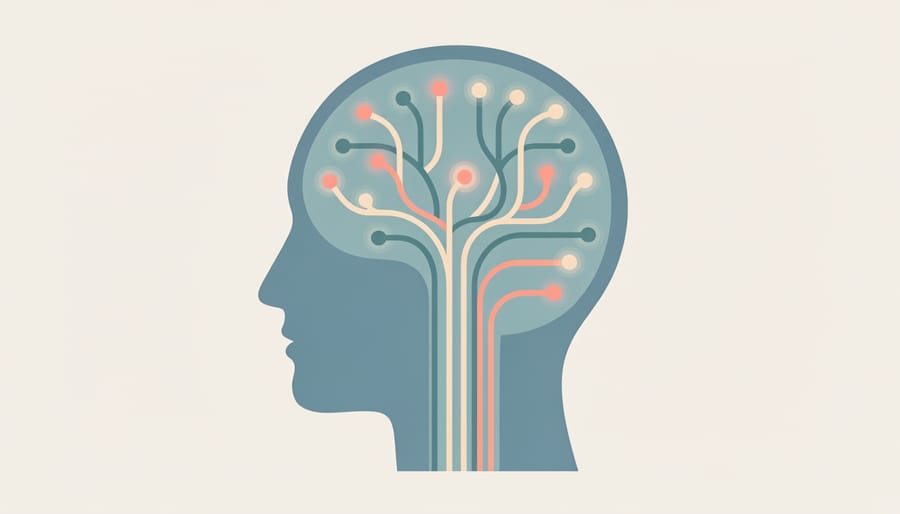
The Neurophysiological Foundation: How Your Brain Shapes Your Mental Health
Brain Chemistry and Neurotransmitter Balance
Your brain relies on chemical messengers called neurotransmitters to regulate your mood, emotions, and overall mental wellbeing. Three key neurotransmitters play particularly important roles in how you feel day-to-day.
Serotonin acts as your brain’s mood stabilizer, helping you feel calm, focused, and emotionally balanced. When serotonin levels are optimal, you’re better able to manage stress and maintain a positive outlook. Low serotonin is associated with depression, anxiety, and difficulty sleeping. Your body produces serotonin from the amino acid tryptophan, which comes from foods like turkey, eggs, and nuts.
Dopamine functions as your brain’s reward chemical, driving motivation, pleasure, and satisfaction. It influences your ability to feel enjoyment, pursue goals, and experience interest in activities. When dopamine levels are healthy, you feel motivated and engaged with life. Imbalances can contribute to lack of motivation, difficulty experiencing pleasure, or conversely, addictive behaviours.
Norepinephrine works as both a neurotransmitter and stress hormone, affecting alertness, energy, and your ability to focus. It helps you respond to challenges and stay attentive. Proper norepinephrine levels support healthy stress responses, while imbalances may contribute to anxiety, attention difficulties, or low energy.
These neurotransmitters don’t work in isolation. They interact constantly, creating the complex emotional experiences you have each day. Factors like sleep quality, nutrition, physical activity, chronic stress, and certain medical conditions can all influence your neurotransmitter balance, which is why lifestyle choices matter significantly for mental health.
Testosterone and Mental Wellbeing in Men
Testosterone plays a significant role in men’s mental and emotional wellbeing, influencing everything from mood stability to cognitive function. While this hormone is often associated with physical characteristics, research shows it has profound effects on psychological health throughout a man’s life.
Normal testosterone levels support mental clarity, motivation, and emotional resilience. When levels decline—whether due to aging, stress, or health conditions—many men experience mood changes, including increased irritability, anxiety, and depressive symptoms. Hormonal fluctuations can also affect energy levels and drive, making daily tasks feel more challenging and reducing overall life satisfaction.
Low testosterone has been linked to difficulties with concentration, memory problems, and decreased confidence. Men may notice reduced enthusiasm for activities they once enjoyed or feel less capable of handling stress. These changes can create a cycle where declining hormone levels lead to reduced physical activity and poor sleep, which further impacts testosterone production.
The good news is that lifestyle modifications can make a meaningful difference. Regular exercise, particularly strength training, quality sleep, stress management, and proper nutrition all support healthy testosterone levels. For some men, these changes alone can restore hormonal balance and improve mental wellbeing.
If you’re experiencing persistent mood changes, low energy, or emotional difficulties, speak with your healthcare provider. They can assess whether hormonal factors are contributing and recommend appropriate interventions, which may include lifestyle changes or medical treatment when necessary.
Stress Response and the HPA Axis
When you encounter stress, your body activates the hypothalamic-pituitary-adrenal (HPA) axis, a complex communication system between your brain and adrenal glands. This system triggers the release of cortisol, commonly known as the stress hormone, which helps you respond to challenges by increasing alertness and energy.
While short-term cortisol spikes are normal and protective, chronic stress keeps your HPA axis constantly activated, leading to prolonged elevated cortisol levels. Over time, this can significantly impact your mental health. Research shows that excessive cortisol can affect brain regions responsible for mood regulation, memory, and decision-making, particularly the hippocampus and prefrontal cortex.
In men specifically, chronic stress and elevated cortisol can also reduce testosterone levels, potentially contributing to mood changes, decreased motivation, and increased vulnerability to depression and anxiety. This creates a cycle where stress affects hormones, which in turn impacts mental wellbeing.
The good news is that you can support healthy HPA axis function through regular exercise, adequate sleep, mindfulness practices, and maintaining strong social connections. Recognizing the signs of chronic stress early allows you to take steps to protect your mental health before long-term changes occur.
Lifestyle Factors That Transform Your Mental Health
Sleep Quality and Mental Resilience
The connection between sleep and mental health works both ways: poor sleep can trigger mental health challenges, while stress and anxiety often disrupt sleep patterns. When you consistently miss quality sleep, your brain struggles to regulate emotions effectively, making you more vulnerable to mood swings, irritability, and difficulty managing stress.
Your circadian rhythm, the internal clock that guides your sleep-wake cycle, plays a crucial role in mental resilience. Disruptions from irregular schedules, excessive screen time before bed, or shift work can throw this rhythm off balance. This affects your brain’s ability to produce mood-regulating neurotransmitters like serotonin and dopamine, directly impacting your emotional wellbeing.
During deep sleep, your brain processes emotions and consolidates memories, essentially performing essential maintenance work. Without adequate rest, typically seven to nine hours for most adults, this critical process gets interrupted. The result? Reduced capacity to handle daily challenges, decreased concentration, and heightened emotional reactivity.
Prioritizing consistent sleep schedules, creating a relaxing bedtime routine, and limiting caffeine intake in the afternoon can significantly improve both sleep quality and mental resilience.
Physical Activity and Brain Function
Regular physical activity does more than strengthen your muscles—it fundamentally changes your brain. Exercise promotes neuroplasticity, your brain’s ability to form new neural connections and adapt throughout life. This process supports better learning, memory, and emotional regulation, which is particularly important for managing stress and maintaining mental wellness.
When you exercise, your body releases endorphins—natural chemicals that reduce pain perception and trigger positive feelings. This “runner’s high” isn’t just temporary; consistent physical activity helps regulate your body’s stress response system by lowering cortisol levels and improving your ability to cope with daily pressures.
Research shows men who engage in regular exercise experience significant reductions in symptoms of depression and anxiety. Even moderate activities like brisk walking for 30 minutes most days can improve mood and cognitive function. Physical activity also enhances sleep quality, increases self-esteem, and provides opportunities for social connection when done in group settings.
The benefits extend beyond mental health. Exercise improves cardiovascular health, which ensures better blood flow to the brain, delivering essential oxygen and nutrients. Starting small and building consistency matters more than intensity—find activities you enjoy to make movement a sustainable part of your routine.

Nutrition and Brain Health
What you eat directly influences how you feel. Your brain requires specific nutrients to produce neurotransmitters like serotonin and dopamine, which regulate mood and emotional balance. When your diet lacks these essential building blocks, mental wellness can suffer.
Omega-3 fatty acids, found in salmon, walnuts, and flax seeds, support brain cell structure and reduce inflammation linked to depression and anxiety. Research shows that people who consume adequate omega-3s experience better emotional regulation and lower rates of mood disorders.
B vitamins, particularly B12, B6, and folate, play crucial roles in neurotransmitter production and energy metabolism in the brain. Good sources include leafy greens, legumes, eggs, and fortified cereals. Deficiencies in these vitamins can contribute to fatigue, low mood, and cognitive difficulties.
Adequate protein intake ensures your body has the amino acids needed to create neurotransmitters. Include lean meats, fish, beans, and dairy in your meals throughout the day.
The connection between gut health and mental wellness is also significant, as your digestive system produces many of the same neurotransmitters found in your brain. A balanced diet rich in whole foods, fruits, vegetables, and fermented foods supports both digestive and mental health.
Substance Use and Mental Health
Substance use significantly influences mental and emotional wellbeing by altering brain chemistry and disrupting the balance of neurotransmitters that regulate mood. Alcohol, while initially creating relaxation, depresses the central nervous system and interferes with serotonin and dopamine production, often worsening anxiety and depression with regular use. Research shows that Canadian men are particularly vulnerable to using alcohol as a coping mechanism, which can create a harmful cycle affecting emotional regulation.
Cannabis affects the endocannabinoid system, which plays a role in mood regulation. While some users report short-term stress relief, frequent use may impair emotional processing and increase anxiety symptoms, especially in younger adults whose brains are still developing.
Even caffeine, though socially acceptable and widely consumed, can impact mental health when used excessively. High caffeine intake may trigger anxiety symptoms, disrupt sleep quality, and create dependency that affects mood stability.
The key is moderation and awareness. If you’re using substances to manage stress or difficult emotions, this may signal underlying concerns worth addressing with a healthcare provider. Small adjustments in substance use can lead to noticeable improvements in emotional balance and mental clarity.
Social and Environmental Influences on Mental Wellbeing
Social Connection and Isolation
Human connection plays a fundamental role in mental and emotional wellbeing. Research consistently shows that strong social support networks help buffer against stress, reduce anxiety and depression, and contribute to longer, healthier lives. Conversely, social isolation and loneliness can negatively impact mental health as significantly as smoking or obesity.
Many Canadian men face particular challenges when it comes to building and maintaining emotional connections. Traditional social conditioning often discourages men from expressing vulnerability or seeking emotional support, leading to smaller support networks and fewer close friendships as they age. This can create a cycle where isolation deepens mental health struggles, yet reaching out feels uncomfortable or unfamiliar.
Quality matters more than quantity when it comes to relationships. Having even one or two trusted people you can talk openly with provides substantial mental health benefits. Simple steps like joining community groups, participating in team sports, volunteering, or reconnecting with old friends can help strengthen your social network. If you find yourself struggling with loneliness, consider this a valid reason to speak with a healthcare provider or counselor who can suggest strategies tailored to your situation.

Work-Related Stress and Identity
Work environments significantly shape emotional wellbeing, particularly for men who often tie their self-worth to career achievements. According to research from Statistics Canada, workplace stress contributes to increased rates of anxiety and depression, with deadline pressures, job insecurity, and long hours taking substantial tolls on mental health.
For many men, professional identity becomes deeply intertwined with personal value. When careers face setbacks like job loss, demotions, or stagnation, the emotional impact can be profound. This connection between work and self-worth may prevent men from seeking support, as acknowledging struggles can feel like admitting failure.
Common workplace stressors include unclear expectations, lack of control over work demands, poor work-life balance, and difficult workplace relationships. These pressures activate stress responses that, when chronic, contribute to burnout, irritability, and emotional exhaustion.
The solution involves redefining success beyond professional achievements and establishing healthy boundaries. Regular breaks, clear communication with supervisors about workload, and cultivating interests outside work help create emotional resilience. Recognizing that your value extends beyond job title or salary is essential for maintaining emotional health. If workplace stress becomes overwhelming, speaking with a mental health professional can provide strategies for managing career pressures while protecting your wellbeing.
Cultural and Gender Expectations
In Canada, traditional masculine norms continue to shape how men experience and express their mental health challenges. The cultural expectation that men should be stoic, self-reliant, and emotionally reserved creates significant barriers to seeking help when struggling with anxiety, depression, or stress. Research shows that Canadian men are less likely than women to talk about their feelings or visit healthcare professionals for mental health concerns, largely due to fears of appearing weak or vulnerable.
These societal pressures can lead men to internalize their emotional distress, which may manifest as physical symptoms, substance use, or anger rather than sadness. The “tough it out” mentality remains prevalent in many communities, workplaces, and families across Canada, despite growing awareness about mental health. This reluctance to reach out contributes to higher rates of completed suicide among men, particularly in middle-aged and older populations.
Breaking down these barriers requires challenging outdated stereotypes about masculinity and creating safe spaces where emotional expression is normalized. Encouraging open conversations about mental health within families, friend groups, and workplaces helps reduce stigma. Recognizing that seeking support demonstrates strength, not weakness, is essential for improving mental health outcomes among Canadian men.
Psychological and Emotional Factors
Thought Patterns and Cognitive Distortions
The way you think directly impacts your emotional wellbeing. Cognitive distortions are inaccurate thought patterns that reinforce negative emotions and behaviors, often working alongside neurological factors to influence mental health.
Common distortions include all-or-nothing thinking, where situations are viewed as entirely good or bad with no middle ground. For example, missing one workout might lead to thoughts like “I’ve completely ruined my fitness progress.” This type of thinking is particularly prevalent among men who feel pressure to maintain constant productivity and achievement.
Catastrophizing involves expecting the worst possible outcome. A man might interpret a minor work criticism as evidence of imminent job loss, triggering unnecessary anxiety. Overgeneralization takes one negative experience and applies it broadly, such as thinking “I always fail at relationships” after a single breakup.
The good news is that recognizing these patterns is the first step toward change. Cognitive behavioral therapy and mindfulness practices can help you identify distorted thoughts and replace them with more balanced, realistic perspectives. When you notice negative thought spirals, pause and ask yourself if there’s evidence supporting alternative interpretations. This simple practice can significantly improve your emotional resilience over time.
Emotional Regulation and Coping Skills
How you process and respond to emotions plays a crucial role in your mental and emotional wellbeing. Emotional regulation refers to your ability to recognize, understand, and manage your feelings in healthy ways. When you develop strong coping skills, you’re better equipped to handle life’s challenges without becoming overwhelmed.
Many people, particularly men, grow up with limited tools for emotional expression. Cultural expectations around masculinity often discourage vulnerability and emotional openness, leading to underdeveloped coping mechanisms. This can result in suppressed emotions that manifest as irritability, anger, or withdrawal—patterns that strain relationships and increase mental health risks.
Healthy emotional regulation involves acknowledging your feelings without judgment and responding thoughtfully rather than reactively. This might include taking time to pause before reacting, identifying what triggered an emotional response, or expressing yourself through conversation or creative outlets.
When coping skills are limited, people may turn to unhealthy alternatives like substance use, social isolation, or emotional avoidance. These strategies provide temporary relief but ultimately worsen mental health over time. Research shows that men who struggle with emotional expression face higher risks of depression, anxiety, and relationship difficulties.
Building better emotional regulation skills is possible at any age. This includes learning to name your emotions accurately, practicing stress management techniques, seeking support when needed, and challenging beliefs that prevent healthy expression. Developing these skills strengthens resilience and improves your overall quality of life, helping you navigate both everyday stressors and significant life challenges more effectively.
Practical Steps to Support Your Mental Health
When to Seek Professional Help
Recognizing when to reach out for professional support is a sign of strength, not weakness. If you’re experiencing persistent sadness, anxiety, or mood changes lasting more than two weeks, difficulty managing daily activities, changes in sleep or appetite patterns, or thoughts of self-harm, it’s important to seek help promptly.
Other warning signs include withdrawing from relationships, losing interest in activities you once enjoyed, increased substance use, or feeling overwhelmed by stress. Trust your instincts—if something feels off with your mental health, it’s worth discussing with a professional.
Canadians have access to various mental health resources. Start by speaking with your family doctor, who can provide referrals to counselors, psychologists, or psychiatrists. Many employers offer Employee Assistance Programs with free confidential counseling. Crisis Support Service of Canada (1-833-456-4566) provides 24/7 support, while Kids Help Phone serves youth nationwide.
Provincial health services also offer mental health programs, and some offer virtual care options for convenient access. Community health centers frequently provide sliding-scale fees based on income, making support accessible to everyone. Remember, seeking professional help demonstrates self-awareness and commitment to your wellbeing—it’s a positive, proactive step toward better mental and emotional health.

Building Your Personal Mental Health Plan
Creating your personal mental health plan starts with understanding which factors you can influence and taking small, manageable steps toward positive change. Begin by assessing your current lifestyle habits across key areas: sleep quality, physical activity, nutrition, and social connections. Keep a simple journal for one week to identify patterns and areas needing attention.
Next, set realistic goals that address your neurophysiological needs. Aim for 7-9 hours of sleep nightly, incorporate 30 minutes of movement most days, and include brain-supporting nutrients like omega-3 fatty acids in your meals. These evidence-based changes directly impact your brain chemistry and emotional regulation.
Don’t overlook your social wellbeing. Schedule regular contact with supportive friends or family members, even if it’s just a quick phone call. If you’re struggling with isolation or persistent low mood, consider connecting with a mental health professional who can provide personalized guidance.
Remember that building mental resilience is a gradual process. Start with one or two changes rather than overhauling everything at once. Track your progress, celebrate small wins, and adjust your approach as needed. Your mental health plan should be flexible and evolve with your changing needs and circumstances.
Your mental and emotional health is shaped by a complex web of interconnected factors, from the biological processes occurring in your brain to the relationships you nurture and the daily choices you make. Understanding that genetics, brain chemistry, hormonal balance, sleep patterns, nutrition, physical activity, social connections, stress levels, and past experiences all work together helps remove the mystery around mental wellbeing. More importantly, this knowledge empowers you to take meaningful action.
While you cannot change your genetic makeup or rewrite your past, you have considerable influence over many factors that affect your mental health. Simple adjustments to your daily routine, like improving sleep quality, eating nutritious foods, moving your body regularly, and building supportive relationships, can create positive ripple effects throughout your mental and emotional landscape. Recognizing when professional support is needed is equally important and represents strength rather than weakness.
Mental health exists on a spectrum that shifts throughout life, and experiencing challenges is a normal part of the human experience. There is no judgment in acknowledging struggles or seeking help. By prioritizing your mental wellbeing with the same attention you give to physical health, you invest in your overall quality of life. Start where you are, focus on factors within your control, and remember that small, consistent steps often lead to meaningful improvements. Your mental health matters, and understanding these influencing factors is your first step toward positive change.