
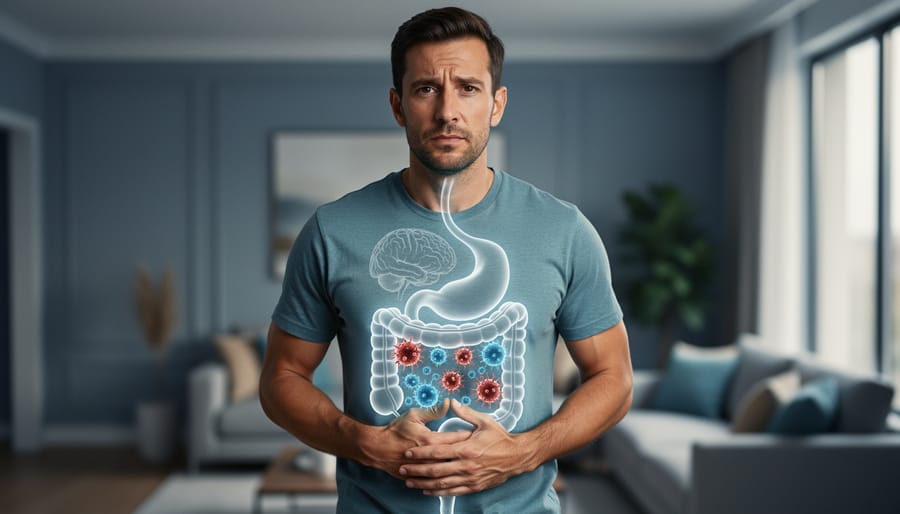
Your gut hosts trillions of bacteria working around the clock, but not all of them have your best interests at heart. Harmful bacteria in your digestive system actively undermine your health through several damaging mechanisms: they produce toxic byproducts that trigger inflammation throughout your body, compete with beneficial bacteria for nutrients and space along your intestinal walls, compromise your gut barrier allowing harmful substances to leak into your bloodstream, and interfere with essential processes like nutrient absorption and hormone regulation. Understanding how the gut microbiome affects men’s health starts with recognizing these bacterial troublemakers and their specific actions.
When bad bacteria gain the upper hand in your gut, the consequences extend far beyond digestive discomfort. These microorganisms can disrupt your mental clarity, drain your energy levels, weaken your immune defenses, and even influence your risk for chronic diseases. The good news? You have more control over your gut bacteria than you might think, and understanding what harmful bacteria actually do is your first step toward restoring balance and protecting your long-term health.
What Makes Bacteria ‘Harmful’ in Your Gut
Not all bacteria in your gut are inherently bad. In fact, the distinction between helpful and harmful bacteria isn’t always clear-cut. The key to understanding gut health lies in recognizing that problems typically arise not from the presence of certain bacteria, but from imbalance.
Your gut microbiome thrives on diversity and balance. When beneficial bacteria outnumber potentially problematic ones and keep them in check, your digestive system functions smoothly. This balanced state supports everything from nutrient absorption to immune function. However, when this equilibrium tips, even normally harmless bacteria can become troublesome—a condition known as dysbiosis.
Context matters significantly when determining whether bacteria are harmful. Some bacterial strains are perfectly fine in small numbers or in specific locations. For example, certain bacteria naturally present in your colon can cause serious problems if they migrate to your small intestine, leading to conditions like small intestinal bacterial overgrowth (SIBO). Similarly, bacteria that exist peacefully alongside abundant beneficial species can become problematic when they multiply excessively.
Think of your gut like a well-functioning ecosystem. Just as a forest needs various species in proper proportions to stay healthy, your gut requires bacterial diversity and balance. When one species overgrows—whether due to antibiotic use, poor diet, chronic stress, or illness—it can crowd out beneficial bacteria and produce compounds that irritate your gut lining, trigger inflammation, or interfere with normal digestion.
The good news is that understanding this balance helps you take practical steps to maintain it. Rather than trying to eliminate all potentially harmful bacteria (which is impossible and unnecessary), focus on supporting overall microbial diversity through evidence-based lifestyle choices that favour beneficial species.
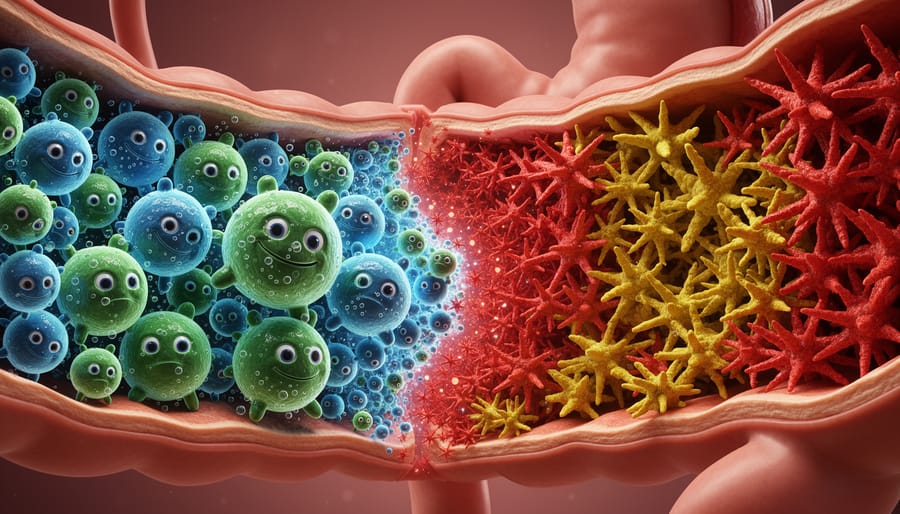
The Main Culprits: Common Harmful Bacteria in Men’s Guts
Clostridium difficile (C. diff)
Clostridium difficile, commonly called C. diff, is a harmful bacteria that typically causes problems when your gut’s protective bacterial balance gets disrupted. This most often happens after taking antibiotics, which kill both good and bad bacteria in your digestive system. When beneficial bacteria are wiped out, C. diff can multiply rapidly and release toxins that damage your intestinal lining.
The result is often severe diarrhea, abdominal cramping, fever, and inflammation of the colon. In serious cases, C. diff infection can lead to life-threatening complications requiring hospitalization. Men taking antibiotics for infections are particularly vulnerable, especially if they’ve had previous C. diff infections or spend time in healthcare settings.
The good news is you can reduce your risk by only using antibiotics when truly necessary, completing probiotic supplementation during and after antibiotic treatment, and practicing good hand hygiene. If you develop persistent diarrhea during or after antibiotic use, contact your healthcare provider promptly for testing and treatment.
Pathogenic E. coli Strains
While most E. coli strains live peacefully in your intestines and even help produce vitamin K, certain pathogenic varieties can wreak havoc on your digestive system. These harmful strains produce toxins that damage your intestinal lining, triggering inflammation and disrupting normal gut function.
The most common troublemakers include enterotoxigenic E. coli (often responsible for traveler’s diarrhea) and enterohemorrhagic E. coli like O157:H7. These bacteria attach to your intestinal walls and release substances that cause cramping, diarrhea, and sometimes severe complications. When pathogenic E. coli colonize your gut, they compete with beneficial bacteria for space and nutrients, throwing your microbiome balance off track.
You typically encounter these strains through contaminated food or water. Symptoms can range from mild digestive upset to severe inflammation requiring medical attention. Supporting your gut health with proper food safety practices and maintaining a diverse microbiome through fermented foods and fiber can help your beneficial bacteria outcompete these harmful invaders naturally.
Helicobacter pylori
Helicobacter pylori is a spiral-shaped bacterium that specifically targets the stomach lining, where it can survive the harsh acidic environment. This harmful bacteria affects approximately 20-30% of Canadians, though many don’t experience symptoms. When H. pylori burrows into the protective mucus layer of your stomach, it triggers inflammation and can directly damage the tissue beneath. This bacterial infection is responsible for up to 90% of duodenal ulcers and 80% of gastric ulcers. The bacteria produces an enzyme called urease that neutralizes stomach acid around it, creating a safer environment for its survival while simultaneously irritating your stomach lining. Beyond ulcers, H. pylori infection increases your risk of stomach cancer and can interfere with nutrient absorption, particularly vitamin B12 and iron. If you experience persistent stomach pain, bloating, or nausea, consult your healthcare provider about testing for H. pylori, as antibiotic treatment combined with acid-reducing medications can effectively eliminate the infection and allow your stomach lining to heal.
How Harmful Bacteria Disrupt Your Body’s Systems
Digestive Problems and Nutrient Absorption
When harmful bacteria outnumber beneficial ones in your gut, they disrupt your digestive system’s normal functioning. These unwelcome microbes can damage the intestinal lining, reducing your body’s ability to break down food properly and absorb vital nutrients. This interference means you might not be getting the full benefit from the essential nutrients for men in your diet, even when eating healthy foods.
Harmful bacteria produce gases and inflammatory compounds that trigger uncomfortable symptoms like bloating, cramping, excessive gas, and irregular bowel movements. Some species release toxins that irritate the intestinal walls, leading to diarrhea or alternating constipation. When your gut struggles with this bacterial imbalance, you may experience frequent indigestion after meals or notice food sensitivities developing.
The damage extends beyond immediate discomfort. Poor nutrient absorption can lead to deficiencies in vitamins B12, D, iron, and magnesium, affecting your energy levels, immune function, and overall health. This is particularly concerning for Canadian men who already face challenges getting adequate nutrition during long winter months when fresh produce availability decreases.
Immune System Interference
Harmful bacteria in your gut don’t just sit quietly—they actively interfere with your immune system’s ability to protect you. When bad bacteria outnumber the beneficial ones, they release toxins and inflammatory compounds that trigger your immune system to stay on high alert. This constant activation leads to chronic, low-grade inflammation throughout your body, which over time can weaken your immune defenses rather than strengthen them.
This ongoing inflammation creates a problematic cycle. Your immune cells become overworked and less responsive to real threats like viruses and infections. Research shows that people with gut dysbiosis—an imbalance favoring harmful bacteria—experience more frequent illnesses and longer recovery times. The inflammatory signals produced by bad bacteria can also cause your immune system to mistakenly attack your own tissues, potentially contributing to autoimmune conditions.
Additionally, harmful bacteria compete with beneficial microbes that normally help train and regulate your immune system. Without enough good bacteria producing protective compounds, your body becomes more vulnerable to pathogens. This interference affects your entire body’s defense network, making it harder to fight off common colds, infections, and even more serious diseases. Supporting your gut health through proper nutrition and lifestyle choices helps maintain the bacterial balance your immune system needs to function optimally.
Mental Health and Mood Impact
The connection between your gut and brain is more powerful than you might think. Through what scientists call the gut-brain axis, harmful bacteria can significantly influence your mood, mental clarity, and emotional well-being. This communication highway runs both ways through your vagus nerve and the production of important chemical messengers.
Here’s where it gets particularly interesting for men’s mental health: approximately 90% of your body’s serotonin—often called the “feel-good” neurotransmitter—is actually produced in your gut, not your brain. When harmful bacteria outnumber beneficial ones, they can disrupt this delicate production process. These problematic microbes create inflammatory compounds and toxic byproducts that interfere with serotonin synthesis and reduce the availability of its building blocks.
Research shows that men with imbalanced gut bacteria often experience higher rates of anxiety, depression, and brain fog. Harmful bacteria also produce substances that trigger inflammation throughout your body, including your brain, which can worsen mood disorders and cognitive function.
The good news? Supporting your gut health through diet, stress management, and lifestyle choices can positively impact your mental state. Eating fiber-rich foods, fermented products, and limiting processed foods helps crowd out harmful bacteria while encouraging beneficial strains. Regular exercise and adequate sleep also strengthen the gut-brain connection, creating a foundation for better mental and emotional resilience.
Warning Signs Your Gut Bacteria May Be Out of Balance
Your body often sends clear signals when harmful bacteria have gained the upper hand in your gut. Recognizing these warning signs early can help you take action before minor imbalances become more serious health concerns.
Digestive troubles are usually the most obvious indicators. You might experience frequent bloating, gas, constipation, or diarrhea that doesn’t seem connected to specific foods. Persistent stomach discomfort, cramping, or heartburn that occurs regularly can also point to bacterial imbalance.
Beyond your digestive system, watch for unexplained fatigue that doesn’t improve with adequate sleep. When harmful bacteria dominate your microbiome, they can interfere with nutrient absorption and energy production, leaving you feeling drained throughout the day.
Mental and emotional changes deserve attention too. Increased anxiety, mood swings, difficulty concentrating, or brain fog can all stem from gut bacteria imbalances. The gut-brain connection means that what’s happening in your digestive system directly affects your mental state.
Skin problems often reflect internal gut health. New or worsening acne, eczema, rashes, or unexplained inflammation may indicate your gut bacteria need rebalancing. Your skin is essentially a mirror of your internal health.
Food intolerances that develop suddenly are another red flag. If you notice you’re suddenly reacting poorly to foods you previously tolerated well, your gut bacteria composition may have shifted unfavorably.
Frequent infections or colds suggest your immune system isn’t functioning optimally, which often connects back to gut health since roughly 70 percent of your immune system resides in your digestive tract.
If you’re experiencing several of these symptoms simultaneously, it’s worth discussing gut health with your healthcare provider. They can help determine whether bacterial imbalance is contributing to your symptoms and recommend appropriate testing or treatment options.
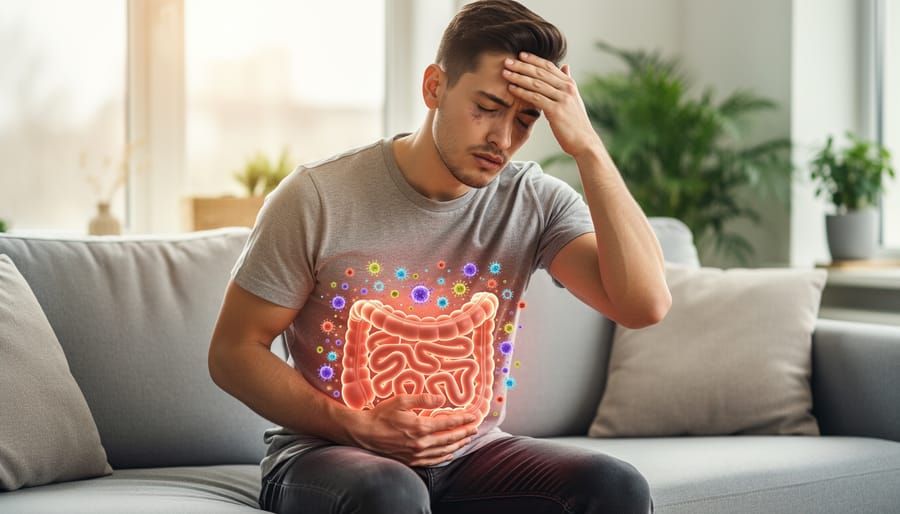
What Causes Harmful Bacteria to Take Over
Diet and Lifestyle Factors
Your daily food choices play a significant role in determining which bacteria thrive in your gut. Diets high in sugar and processed foods feed harmful bacteria while starving beneficial ones, creating an imbalance that can lead to digestive issues and inflammation. These foods lack the nutrients your good bacteria need to flourish.
Excessive alcohol consumption damages the intestinal lining and disrupts bacterial balance, allowing harmful species to overgrow. Meanwhile, a diet low in fiber deprives beneficial bacteria of their primary fuel source. Fiber from vegetables, fruits, whole grains, and legumes acts as a prebiotic, nourishing the good bacteria that protect your gut health.
The good news is that you can shift your bacterial balance relatively quickly by making better choices. Reducing processed foods and adding more fiber-rich whole foods supports beneficial bacteria growth. Even small dietary improvements, like swapping sugary snacks for fruit or choosing whole grains over refined options, can positively impact your gut microbiome within days. Staying hydrated and limiting alcohol further supports this healthy balance.
Medications and Antibiotics
Antibiotics are lifesaving medications, but they don’t distinguish between harmful and beneficial bacteria. When you take antibiotics, they can wipe out large portions of your gut microbiome, creating space for harmful bacteria to multiply unchecked. This disruption may last weeks or even months after treatment ends.
Beyond antibiotics, other common medications can also affect your gut balance. Proton pump inhibitors for heartburn, NSAIDs like ibuprofen, and some antidepressants can alter the gut environment, making it easier for harmful bacteria to thrive. These changes may reduce the diversity of beneficial bacteria that protect against disease and support mental health.
To minimize disruption, take antibiotics only when medically necessary and consider discussing probiotic supplementation with your healthcare provider during and after treatment. Eating fermented foods like yogurt, kefir, and sauerkraut can also help rebuild beneficial bacteria populations once medication is complete.
Stress and Sleep Deprivation
Your body’s stress response and sleep patterns directly influence which bacteria thrive in your gut. When you experience chronic stress or consistently sleep less than seven hours nightly, your body produces cortisol and other stress hormones that alter gut conditions. These changes create an environment where harmful bacteria flourish while beneficial strains struggle to survive.
Research shows that chronic stress damages health partly by disrupting your microbiome balance. Sleep deprivation compounds this problem by weakening your intestinal barrier, allowing harmful bacteria to multiply unchecked. This creates a problematic cycle: stress and poor sleep fuel bacterial overgrowth, which then triggers inflammation that further disrupts sleep quality and increases stress hormones. Breaking this cycle requires prioritizing consistent sleep schedules and implementing stress-reduction techniques like regular exercise, mindfulness practices, or speaking with a healthcare provider about stress management strategies.
Practical Steps to Keep Harmful Bacteria in Check
Dietary Changes That Work
Making dietary changes can significantly improve your gut microbiome and reduce harmful bacteria. Focus on adding prebiotic-rich foods like garlic, onions, oats, and Canadian-grown barley, which feed beneficial bacteria. Incorporate fermented foods such as yogurt, kefir, kimchi, and sauerkraut that contain probiotics to crowd out harmful microbes. Aim for 25-38 grams of daily fiber from sources like lentils, chickpeas, apples, and whole grain products readily available at Canadian grocery stores.
Reduce your intake of processed foods, added sugars, and artificial sweeteners, which promote harmful bacterial growth. Limiting red meat consumption and avoiding excessive alcohol also helps maintain microbial balance. Include omega-3 rich foods like wild-caught salmon and flaxseeds grown in the Prairies.
Start gradually by adding one new prebiotic or probiotic food weekly to avoid digestive discomfort. Choose plain yogurt with live cultures rather than sugar-laden varieties, and swap white bread for whole grain alternatives. These simple, practical changes create an environment where beneficial bacteria thrive while harmful species struggle to survive, supporting better digestive health, immunity, and mental wellness.

Lifestyle Modifications
Protecting your gut microbiome from harmful bacteria requires consistent attention to several key lifestyle factors. Managing stress is essential, as chronic stress weakens your immune system and disrupts the delicate bacterial balance in your digestive tract. Try incorporating daily relaxation techniques like deep breathing, meditation, or regular physical activity to keep stress levels in check.
Quality sleep plays a vital role in maintaining healthy gut bacteria. Aim for seven to nine hours of sleep each night by establishing a consistent bedtime routine, limiting screen time before bed, and keeping your bedroom cool and dark. Poor sleep patterns can promote the growth of harmful bacteria while reducing beneficial strains.
Regular exercise supports gut health by increasing bacterial diversity and strengthening your intestinal barrier. Moderate activity like brisk walking, cycling, or swimming for 30 minutes most days can make a significant difference.
Finally, be mindful about antibiotic use. While sometimes necessary, antibiotics eliminate both harmful and beneficial bacteria. Only take antibiotics when prescribed by your healthcare provider, complete the full course as directed, and consider discussing probiotic supplementation with your doctor to help restore bacterial balance afterward.
When to Seek Professional Help
Contact your healthcare provider if you experience persistent digestive symptoms lasting more than two weeks, including severe diarrhea, bloody stools, ongoing abdominal pain, or unexplained weight loss. Canadians can start with their family doctor or visit a walk-in clinic for initial assessment. Seek immediate medical attention for high fever, signs of dehydration, or intense abdominal cramping. If you notice connections between gut symptoms and mental health changes like anxiety or depression, discuss this with your doctor. Many provinces offer telehealth services for initial consultations, making it easier to determine if in-person care is needed. Don’t hesitate to seek help—early intervention often prevents complications.
Understanding what harmful bacteria do in your gut microbiome is the first step toward taking meaningful control of your health. When you know how these microorganisms operate—disrupting your intestinal barrier, triggering inflammation, competing for nutrients, and even influencing your mood through the gut-brain connection—you gain the power to make informed decisions that protect your wellbeing.
The good news is that your gut microbiome responds remarkably well to positive changes. Whether it’s choosing more fiber-rich vegetables, reducing processed foods, managing stress through mindfulness, or getting better sleep, each small adjustment can shift the bacterial balance in your favor. These aren’t drastic overhauls requiring perfection—they’re practical, achievable steps that fit into your daily routine.
Your mental wellness, energy levels, immune strength, and long-term disease prevention all connect back to the microscopic ecosystem in your digestive system. By supporting beneficial bacteria and limiting conditions where harmful ones thrive, you’re investing in every aspect of your vitality.
Start today with just one action from this article. Perhaps you’ll add a probiotic-rich food like yogurt or sauerkraut to your meals, increase your water intake, or commit to seven hours of sleep tonight. That single choice creates a ripple effect, supporting the beneficial bacteria that work tirelessly to keep you healthy. Remember, sustainable health improvements happen through consistency, not perfection. Your gut—and your future self—will thank you for taking that first step.