
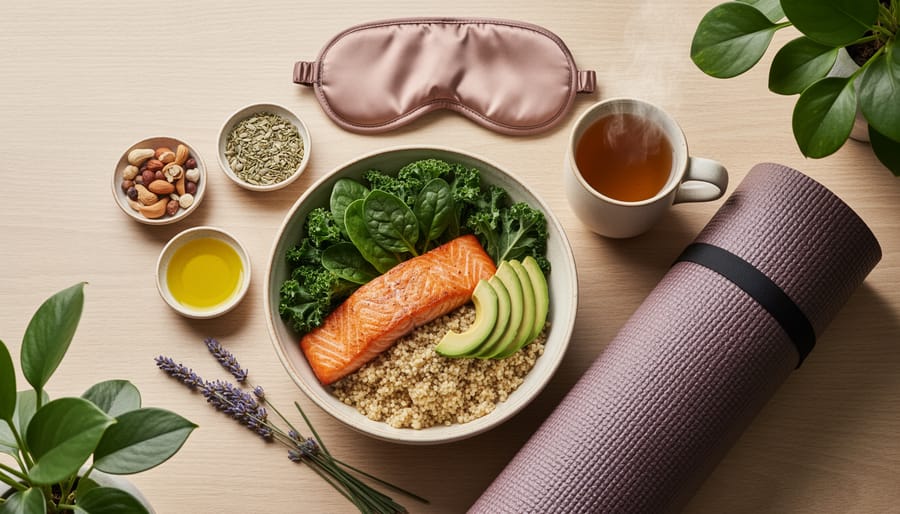
Track your menstrual cycle patterns, energy fluctuations, and mood changes for at least three months to identify your unique hormonal rhythm. This simple practice reveals how estrogen, progesterone, and other hormones shift throughout your cycle, allowing you to anticipate symptoms and adjust your self-care accordingly.
Balance your blood sugar by eating protein and healthy fats with every meal and snack. When blood sugar spikes and crashes, it triggers cortisol release that disrupts your entire hormonal cascade, worsening PMS, irregular periods, and menopausal symptoms. Aim for meals containing 20-30 grams of protein combined with sources like avocados, nuts, or olive oil.
Prioritize seven to nine hours of quality sleep in a cool, dark room, going to bed before 11 PM when possible. During deep sleep, your body produces and regulates crucial hormones including melatonin, growth hormone, and leptin. Poor sleep elevates cortisol and insulin, creating a domino effect that throws estrogen and progesterone out of balance.
Incorporate daily stress management through practices like deep breathing, gentle movement, or spending time in nature. Chronic stress keeps cortisol elevated, which steals progesterone (your calming hormone) to make more stress hormones. This progesterone deficiency contributes to heavy periods, anxiety, sleep problems, and difficulty losing weight.
Women’s hormonal health operates as an interconnected system where nutrition, sleep, stress, and lifestyle choices constantly influence your wellbeing. Understanding these connections empowers you to make informed decisions that support your body’s natural balance rather than fighting against it.
Understanding Women’s Hormonal Health
The Key Hormones That Shape Your Health
Your body’s hormone system works like an intricate communication network, with each hormone playing a specific role in your overall wellbeing. Understanding these key players can help you recognize when something feels off and take steps to restore balance.
Estrogen is often called the primary female hormone, supporting reproductive health, bone strength, heart function, and mood regulation. Progesterone works alongside estrogen, particularly important for menstrual cycles, pregnancy, and sleep quality. While testosterone is present in smaller amounts in women, it’s essential for energy levels, muscle strength, libido, and mental clarity.
Your thyroid hormones act as your body’s metabolic thermostat, controlling energy production, body temperature, weight management, and how quickly your cells work. When thyroid function is disrupted, you might feel exhausted, gain weight unexpectedly, or struggle with brain fog.
Cortisol, your primary stress hormone, helps you respond to challenges and maintain blood sugar levels. However, chronic stress can lead to consistently elevated cortisol, affecting sleep, immunity, and weight distribution. Insulin regulates blood sugar by helping cells absorb glucose for energy. When insulin function becomes impaired, it can lead to energy crashes, increased fat storage, and heightened risk for chronic conditions.
These hormones rarely work in isolation. They constantly influence each other, which is why addressing hormonal health requires a holistic approach that considers your entire lifestyle, from nutrition and movement to stress management and sleep quality.
Signs Your Hormones Need Attention
Your body sends clear signals when your hormones need support. Recognizing these signs early can help you take action before symptoms worsen. Irregular or absent periods often indicate hormonal imbalance, as do unexplained changes in cycle length or flow intensity. Many women experience sudden mood swings, anxiety, or persistent low mood when hormones are out of balance.
Chronic fatigue that doesn’t improve with rest is another common indicator, often accompanied by difficulty concentrating or brain fog. Unexplained weight gain or difficulty losing weight despite healthy habits can point to thyroid or insulin-related hormonal issues. Sleep disturbances, including trouble falling asleep or waking frequently during the night, frequently stem from imbalanced cortisol or progesterone levels.
Physical symptoms like persistent acne, hair thinning, or unwanted hair growth also suggest hormonal concerns. Hot flashes, night sweats, and changes in libido are additional signs your endocrine system needs attention. If you’re experiencing several of these symptoms together, it’s worth exploring a holistic approach to restore balance. Remember, these signs are your body’s way of communicating—listening and responding with supportive lifestyle changes can make a meaningful difference in how you feel.
Why Conventional Treatment Isn’t Always Enough
Conventional treatments often focus on managing symptoms rather than identifying underlying imbalances. For example, birth control pills may regulate irregular periods, but they don’t address why hormones became imbalanced in the first place. A holistic approach examines the whole picture: nutrition, stress levels, sleep quality, environmental factors, and lifestyle habits that influence hormonal health.
Research shows that chronic stress, poor diet, and inadequate sleep can disrupt the delicate balance of hormones like cortisol, estrogen, and progesterone. By addressing these root causes through evidence-based strategies, many women experience lasting improvements in energy, mood, and menstrual regularity. While medication has its place, combining conventional care with holistic methods often yields better long-term outcomes and empowers you to take an active role in your health journey.
Nutrition for Hormonal Balance

Foods That Support Hormone Production
The foods you eat provide the essential building blocks your body needs to produce and balance hormones naturally. By focusing on nutrient-dense whole foods, you can support your endocrine system and improve hormonal health.
Healthy fats are crucial for hormone production since many hormones are made from cholesterol and fatty acids. Include sources like wild-caught salmon, sardines, avocados, extra virgin olive oil, nuts, and seeds in your daily diet. These foods provide omega-3 fatty acids that reduce inflammation and support the production of reproductive hormones.
Quality proteins supply amino acids necessary for hormone synthesis and help stabilize blood sugar levels, which directly impacts hormone balance. Choose organic eggs, grass-fed meats, legumes, and Greek yogurt. Aim for 20-30 grams of protein at each meal to support steady hormone production throughout the day.
Fiber-rich foods help eliminate excess hormones, particularly estrogen, through your digestive system. Load up on vegetables like broccoli, Brussels sprouts, and leafy greens, along with whole grains, flaxseeds, and beans. Canadian nutrition experts recommend 25-35 grams of fiber daily for optimal hormone metabolism.
Specific nutrients play targeted roles in hormone health. Zinc from pumpkin seeds and shellfish supports progesterone production. Magnesium from dark chocolate and spinach helps manage cortisol levels. B vitamins from whole grains and leafy greens are essential for thyroid function. Selenium from Brazil nuts supports thyroid hormone conversion, with just two nuts daily providing your recommended intake.
What to Limit or Avoid
While no foods need to be completely off-limits, being mindful of certain choices can support your hormonal balance. Foods that cause rapid blood sugar spikes, like refined carbohydrates and sugary snacks, can trigger insulin imbalances that affect reproductive hormones. Instead of strict elimination, focus on pairing carbohydrates with protein and fiber to stabilize your response.
Inflammatory foods such as processed oils, fried foods, and excess added sugars may worsen hormonal symptoms when consumed regularly. Many women find relief by reducing these while increasing anti-inflammatory options like colorful vegetables and omega-3 rich foods.
Alcohol can interfere with liver function, which plays a key role in processing hormones. If you choose to drink, moderation is important. Consider limiting intake to special occasions and staying well-hydrated.
Endocrine disruptors found in plastics, pesticides, and certain personal care products can mimic hormones in your body. Simple swaps like choosing glass storage containers, selecting organic produce when possible for the “dirty dozen,” and reading cosmetic labels can reduce exposure without feeling overwhelming.
Remember, small, sustainable changes matter more than perfection. Focus on progress and what makes you feel your best.
Practical Meal Planning Tips
Building hormone-supportive meals doesn’t require complicated recipes or expensive ingredients. Start by planning your weekly meals around whole, unprocessed foods available at your local grocery store or farmers’ market. Include protein at each meal—Canadian options like wild Pacific salmon, Ontario-raised chicken, eggs, or plant-based choices like hemp hearts and lentils help stabilize blood sugar and support hormone production.
Prep vegetables in advance to make healthy choices easier during busy weekdays. Roast root vegetables like sweet potatoes, carrots, and beets on Sunday for quick meal additions throughout the week. Keep frozen Canadian berries, spinach, and broccoli on hand for convenient nutrient-dense options.
Create balanced plates using the quarter method: one-quarter protein, one-quarter complex carbohydrates like quinoa or brown rice, and half non-starchy vegetables. This simple approach naturally supports nutrition and hormone balance without counting calories or following restrictive rules.
Stock your pantry with hormone-friendly staples including extra virgin olive oil, ground flaxseed, nuts, and seeds. These healthy fats are essential for hormone production and can easily be added to smoothies, salads, or oatmeal.
Consider batch cooking soups, stews, or casseroles that incorporate multiple food groups. Freeze portions in individual containers for convenient meals during hectic days when hormone-supportive eating might otherwise feel challenging. Remember, consistency matters more than perfection—small, sustainable changes build lasting results for hormonal health.
Natural Therapies and Supplements
Evidence-Based Herbal Support
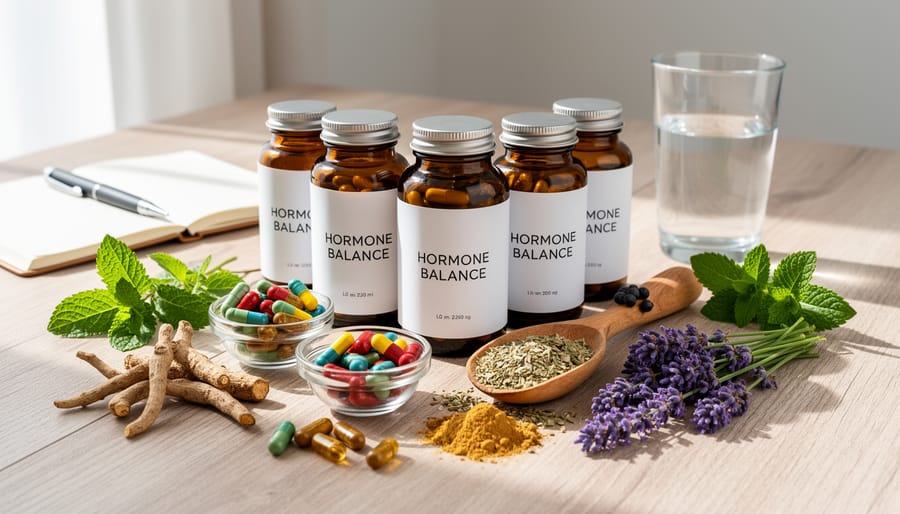
Several herbs have shown promise in supporting women’s hormonal health, though it’s important to approach them thoughtfully and ideally under professional guidance.
Vitex (chasteberry) has been studied for premenstrual symptoms and irregular cycles. Research suggests it may help balance prolactin levels and ease breast tenderness, mood changes, and cycle irregularities. Studies typically use 20-40 mg daily, with benefits appearing after three months of consistent use.
Black cohosh has demonstrated effectiveness for managing hot flashes and night sweats during perimenopause and menopause. Multiple studies show it can reduce the frequency and intensity of these symptoms without affecting hormone levels directly. The standard dose ranges from 40-80 mg daily of standardized extract.
Maca, a Peruvian root vegetable, shows promise for supporting energy, mood, and sexual function during hormonal transitions. Unlike hormone-containing herbs, maca appears to work by supporting the body’s natural hormone production. Research indicates 1.5-3 grams daily may benefit menopausal symptoms.
Adaptogenic herbs like ashwagandha and rhodiola help your body manage stress, which directly impacts hormone balance. Studies on ashwagandha show it can lower cortisol levels and reduce stress-related symptoms affecting hormone health.
Safety considerations are essential. While generally well-tolerated, these herbs can interact with medications, particularly hormonal contraceptives and hormone replacement therapy. Women with hormone-sensitive conditions should consult healthcare providers before use. Quality matters significantly, so choose products from reputable Canadian suppliers with third-party testing. Start with lower doses and monitor your response carefully.
Essential Vitamins and Minerals
Certain vitamins and minerals play crucial roles in supporting your hormonal balance and overall wellbeing. Vitamin D acts almost like a hormone itself, helping regulate mood, immune function, and reproductive health. Many Canadians experience deficiency during our long winter months, so having your levels checked is a practical first step. The B vitamin family, particularly B6 and B12, supports energy production and helps your body manage stress while maintaining healthy nervous system function.
Magnesium deserves special attention as it’s involved in over 300 bodily processes, including hormone production and stress response. It can help ease PMS symptoms, improve sleep quality, and support healthy blood sugar levels. Zinc plays a vital role in immune function and helps regulate your menstrual cycle, while also supporting skin health.
Omega-3 fatty acids, found in fatty fish, flaxseeds, and walnuts, provide anti-inflammatory benefits that support brain health, mood stability, and cardiovascular function. These healthy fats are essential building blocks for hormone production.
While a nutrient-rich diet should be your foundation, some women benefit from supplementation. Consider working with a healthcare provider or registered dietitian to assess your individual needs through blood tests and dietary analysis, ensuring you’re getting optimal amounts without overdoing it.
Working Safely with Natural Therapies
While natural therapies can offer valuable support for hormonal health, it’s essential to approach them safely and thoughtfully. Always consult with your healthcare provider before starting any new supplements or making significant changes to your health routine, especially if you’re taking medications, pregnant, nursing, or managing existing health conditions.
Quality matters significantly when choosing supplements and herbal products. Look for products that have been third-party tested for purity and potency, and select reputable brands that follow good manufacturing practices. In Canada, check for Natural Product Numbers (NPNs) on labels, which indicate Health Canada approval.
Be aware that natural doesn’t always mean safe or free from side effects. Some herbs and supplements can interact with prescription medications, including birth control pills, blood thinners, and thyroid medications. For example, St. John’s Wort can reduce the effectiveness of various medications, while certain supplements may affect hormone levels or blood clotting.
Keep your healthcare team informed about all therapies you’re using, including vitamins, herbs, and over-the-counter products. This transparency helps them provide you with the safest, most effective care and monitor for potential interactions or complications.
Lifestyle Practices for Hormonal Wellness

Stress Management and Cortisol Control
Chronic stress triggers elevated cortisol levels, which can disrupt your menstrual cycle, worsen PMS symptoms, and contribute to weight gain around the midsection. Managing stress is essential for hormonal balance and overall wellbeing.
Start with mindfulness practices like meditation or yoga, which research shows can significantly lower cortisol levels. Even five minutes of deep breathing exercises daily can activate your parasympathetic nervous system and reduce stress hormones. Try the 4-7-8 technique: inhale for four counts, hold for seven, and exhale for eight.
Time management strategies help prevent stress before it builds. Schedule regular breaks throughout your day, set realistic boundaries around work and personal commitments, and learn to say no when necessary. Creating a consistent sleep schedule also supports healthy cortisol rhythms.
Connect with nature whenever possible. A 20-minute walk outdoors can reduce cortisol and improve mood. Other proven stress-reduction techniques include journaling, spending time with loved ones, and engaging in activities you enjoy.
Remember that managing stress isn’t about eliminating it completely but developing healthy coping mechanisms that support your hormonal health long-term.
Sleep: Your Hormone Reset Button
Quality sleep acts as your body’s natural hormone reset mechanism, influencing everything from cortisol and insulin to estrogen and progesterone. During deep sleep, your body regulates stress hormones, repairs tissues, and maintains metabolic balance. Research shows that even one night of poor sleep can disrupt insulin sensitivity and increase cortisol levels, creating a cascade effect on your entire hormonal system.
To optimize your sleep for hormone health, aim for 7-9 hours nightly and maintain consistent sleep and wake times, even on weekends. Create a cool, dark bedroom environment (around 18°C is ideal) and establish a relaxing bedtime routine that begins 30-60 minutes before sleep. Limit screen exposure in the evening, as blue light suppresses melatonin production. Consider incorporating mind-body practices like gentle stretching or deep breathing before bed to signal your nervous system that it’s time to wind down. If you struggle with racing thoughts, keep a journal beside your bed to write down concerns, allowing you to mentally release them until morning. These evidence-based practices support your body’s natural hormone regulation overnight.
Movement That Supports, Not Stresses, Your Hormones
Not all exercise benefits your hormones equally. High-intensity workouts every day can actually elevate cortisol levels and disrupt your menstrual cycle, especially if you’re already dealing with stress or hormonal imbalances. The key is finding movement that energizes rather than depletes you.
During the first half of your cycle (follicular phase), your body typically handles higher-intensity activities like strength training, running, or dance classes well. As you move into the second half (luteal phase), consider gentler options like walking, yoga, swimming, or Pilates. Listen to your body’s signals—if you feel exhausted rather than energized after workouts, it’s time to dial back the intensity.
Aim for 30 minutes of moderate movement most days, but remember that rest days are essential for hormone recovery. Walking outdoors combines gentle exercise with stress reduction and vitamin D exposure, making it particularly beneficial. Strength training two to three times weekly helps maintain healthy insulin sensitivity and supports estrogen metabolism.
If you’re experiencing severe fatigue, irregular periods, or other hormonal symptoms, prioritize restorative practices like gentle stretching and breathwork until your body finds better balance. Movement should support your overall well-being, not become another source of stress.
Reducing Endocrine Disruptors in Your Environment
Reduce your exposure to endocrine disruptors by choosing personal care products free from parabens, phthalates, and synthetic fragrances. Look for cleaning products with simple, plant-based ingredients or make your own using vinegar and baking soda. Replace plastic food containers with glass or stainless steel options, and avoid heating food in plastic. Filter your drinking water to remove contaminants, and choose organic produce when possible to minimize pesticide exposure. Check product labels carefully and prioritize items certified as non-toxic. Small swaps in your daily routine can significantly reduce your chemical burden and support balanced hormone function over time.
Supporting Hormones Through Life Stages
Reproductive Years and Menstrual Health
Your reproductive years bring unique hormonal fluctuations that can affect your daily wellbeing. Many women experience PMS symptoms like mood changes, bloating, and fatigue in the days before menstruation. Supporting your body with regular physical activity, particularly during the first half of your cycle, can help reduce these symptoms. Foods rich in magnesium, such as leafy greens, nuts, and seeds, may ease cramping and mood shifts.
For irregular cycles, maintaining consistent sleep schedules and managing stress through mindfulness practices can help regulate hormonal patterns. Tracking your cycle using apps or journals helps you identify patterns and potential triggers.
If you’re focused on fertility, prioritizing whole foods, maintaining a healthy weight, and limiting alcohol consumption creates an optimal environment for conception. Adequate protein intake and healthy fats support hormone production. Consider reducing exposure to endocrine-disrupting chemicals found in certain plastics and personal care products. Remember that underlying conditions affecting menstrual health warrant professional evaluation, so consult your healthcare provider if you experience significant irregularities or concerning symptoms.
Perimenopause and Menopause Transitions
Perimenopause and menopause bring significant hormonal shifts that can affect your daily life, but holistic approaches can ease this transition naturally. Hot flashes, one of the most common symptoms, often respond well to lifestyle adjustments. Dress in layers, keep your bedroom cool, and identify personal triggers like spicy foods, caffeine, or alcohol. Regular physical activity helps regulate body temperature and reduces symptom severity.
Mood changes during this time are closely linked to fluctuating estrogen and progesterone levels. Prioritize stress-reduction techniques such as deep breathing, meditation, or yoga to support emotional balance. Adequate sleep becomes even more crucial—aim for consistent sleep schedules and create a calming bedtime routine.
Nutrition plays a vital role in managing transition symptoms. Focus on phytoestrogen-rich foods like flaxseeds, soy, and legumes, which may help balance hormones naturally. Ensure sufficient calcium and vitamin D intake to protect bone health as estrogen levels decline.
Many women find relief through acupuncture, herbal remedies like black cohosh, or supplements such as evening primrose oil. Always consult with a healthcare provider before starting new supplements to ensure they’re appropriate for your individual situation and won’t interact with medications.
Post-Menopause Hormonal Health
Post-menopause brings unique hormonal changes that require attention to maintain wellness and prevent chronic conditions. As estrogen and progesterone levels stabilize at lower levels, focusing on bone health becomes essential. Incorporate weight-bearing exercises like walking, strength training, and resistance activities at least three times weekly to maintain bone density and reduce osteoporosis risk.
Heart health deserves priority during this stage, as cardiovascular disease risk increases after menopause. A diet rich in omega-3 fatty acids, whole grains, and colourful vegetables supports heart function while helping manage cholesterol levels naturally. Limit processed foods and excess sodium to protect cardiovascular health.
Continue supporting your hormonal balance through adequate protein intake, which helps preserve muscle mass and metabolic function. Aim for lean sources like fish, legumes, and poultry. Stay hydrated and maintain healthy vitamin D levels through sunlight exposure and supplementation if needed, especially during Canadian winters.
Regular health screenings, including bone density tests and cardiovascular assessments, help catch potential issues early. This proactive approach, combined with consistent lifestyle habits established during earlier life stages, supports long-term vitality and quality of life throughout your post-menopausal years.
Creating Your Personal Holistic Hormone Plan

Where to Start: Small Changes, Big Impact
Starting your holistic health journey doesn’t require a complete lifestyle overhaul. Begin by identifying one or two areas where you feel you’ll see the greatest benefit. If stress feels overwhelming, prioritize simple relaxation techniques like five-minute breathing exercises or a short evening walk. If you’re experiencing energy dips, focus first on stabilizing blood sugar through balanced meals with protein, healthy fats, and fiber.
Track your symptoms for two weeks before making changes. Notice patterns between your menstrual cycle, energy levels, sleep quality, and mood. This awareness helps you understand what needs attention most and makes it easier to measure progress.
Choose changes you can realistically maintain. Rather than eliminating entire food groups overnight, gradually increase whole foods while reducing processed options. Instead of committing to daily hour-long workouts, start with three 20-minute sessions weekly. These integrative health practices build momentum without creating additional stress.
Remember that hormonal improvements take time. Most women notice meaningful changes within three to six months of consistent implementation. Be patient with yourself and celebrate small victories along the way.
When to Seek Professional Support
While holistic approaches support hormonal health, certain symptoms require professional medical attention. Seek care if you experience severe pelvic pain, abnormal bleeding lasting more than seven days, sudden unexplained weight changes of more than 10 pounds, persistent fatigue despite adequate rest, or mood changes that interfere with daily functioning.
Several types of practitioners can support your holistic health journey. Naturopathic doctors (NDs) focus on natural treatments and can order lab tests in many Canadian provinces. Functional medicine doctors investigate root causes of hormonal imbalances through comprehensive testing. Integrative physicians combine conventional medicine with evidence-based complementary therapies, offering the best of both approaches.
When choosing a practitioner, verify their credentials through provincial regulatory colleges and ask about their experience with hormonal health. Many Canadians benefit from a collaborative care team including their family doctor, a hormone specialist, and complementary practitioners. Don’t hesitate to seek a second opinion if your concerns aren’t being addressed. Your health concerns are valid, and finding the right professional support is an important step toward achieving hormonal balance and overall wellness.
Supporting your hormonal health doesn’t require dramatic changes or overwhelming lifestyle overhauls. The journey toward hormone balance through holistic approaches is both empowering and achievable when you take it one step at a time. Remember, your body has an incredible capacity to heal and rebalance when given the right support through nutrition, movement, stress management, and quality sleep.
If you’re feeling uncertain about where to begin, start small. Choose just one or two changes that resonate with you and feel manageable in your daily life. Perhaps that means adding more fiber-rich foods to your breakfast, taking a ten-minute walk during lunch, or establishing a consistent bedtime routine. These seemingly simple shifts can create meaningful ripples throughout your hormonal system over time.
Patience is essential on this path. Hormonal changes don’t happen overnight, and you may not notice dramatic differences immediately. Most women begin experiencing improvements within three to six months of implementing consistent lifestyle changes. Trust the process and give your body the time it needs to respond and adjust.
Your hormonal health is deeply connected to your overall wellbeing, and every positive choice you make contributes to that foundation. Whether you’re navigating perimenopause, managing monthly cycle symptoms, or simply wanting to optimize your health, these natural approaches work with your body’s wisdom rather than against it. You have more control over your hormonal health than you might think, and taking that first step today is something to celebrate.