
Your gut houses approximately 70% of your immune system, making digestive health one of the most powerful levers you can pull to reduce illness, fight inflammation, and strengthen your body’s natural defenses. The trillions of bacteria, viruses, and fungi living in your intestinal tract—collectively called your gut microbiome—directly communicate with immune cells, training them to distinguish between harmless substances and genuine threats. When this delicate ecosystem falls out of balance, your immune response suffers, leaving you vulnerable to everything from seasonal colds to chronic inflammatory conditions.
Most Canadians unknowingly compromise their gut health daily through processed foods, unnecessary antibiotic use, chronic stress, and insufficient sleep. These factors deplete beneficial bacteria while allowing harmful microbes to flourish, creating a cascade of immune dysfunction that manifests as frequent infections, allergies, autoimmune flare-ups, and persistent digestive discomfort. The encouraging news: you can rebuild your gut microbiome and restore immune function through targeted nutrition and lifestyle changes, often seeing improvements within weeks.
Understanding the gut-immunity connection empowers you to make informed decisions about your health. This evidence-based guide reveals how your digestive system shapes immune function, identifies signs of gut imbalance, and provides practical strategies—from specific probiotic-rich foods available at Canadian grocery stores to stress management techniques—that support both systems simultaneously. Small, consistent changes to how you eat, move, and manage daily stressors can dramatically enhance your body’s ability to protect itself naturally.
The Gut-Immune System Connection: What’s Really Happening Inside You
Your Gut Microbiome: Your Body’s Defense Team
Your gut is home to trillions of microorganisms, collectively called the gut microbiome, which includes bacteria, viruses, fungi, and other microbes. Think of it as a bustling community living in your digestive tract, particularly your intestines. While the word “bacteria” might sound concerning, most of these microorganisms are actually beneficial and essential for your health.
The key to a healthy microbiome is balance. Your gut contains both helpful bacteria that support your wellbeing and potentially harmful ones that, when kept in check, don’t cause problems. Beneficial bacteria like Lactobacillus and Bifidobacterium help digest food, produce vitamins, and protect against disease-causing invaders. When this balance tips toward harmful bacteria, it can weaken your immune defenses.
Your gut microbiome plays a remarkable role in training your immune system. About 70 percent of your immune cells actually reside in your gut, making it your body’s largest immune organ. From early childhood, gut bacteria help teach your immune system to distinguish between helpful substances and genuine threats. This education process continues throughout your life.
These beneficial microbes support immunity in several ways. They create a protective barrier along your intestinal wall, preventing harmful pathogens from entering your bloodstream. They also produce substances that regulate inflammation and communicate directly with immune cells, helping coordinate your body’s defense responses. When your microbiome thrives, your immune system functions more effectively, helping you fight off infections and maintain overall health.
The Gut Barrier: Your First Line of Defense
Your gut barrier is a remarkable single-cell-thick lining that acts as your body’s gatekeeper, selectively allowing nutrients to pass through while blocking harmful substances like bacteria, toxins, and undigested food particles. Think of it as a security checkpoint that decides what enters your bloodstream and what stays out.
When this barrier is functioning properly, tight junction proteins hold the intestinal cells closely together, maintaining what experts call appropriate intestinal permeability. This protective wall houses approximately 70% of your immune system, constantly monitoring for threats and communicating with immune cells to mount appropriate responses.
However, when the gut barrier becomes compromised—a condition often called “leaky gut”—these tight junctions loosen, creating gaps that allow unwanted substances to slip through. This breach triggers your immune system to go on high alert, leading to inflammation and immune responses that can contribute to frequent infections, food sensitivities, fatigue, and digestive discomfort.
Several factors can weaken your gut barrier, including chronic stress, poor diet (especially one high in processed foods and sugar), certain medications, excessive alcohol consumption, and lack of sleep. The encouraging news is that supporting your gut barrier through evidence-based nutrition and lifestyle choices can help restore its protective function and strengthen your overall immunity.
Signs Your Gut Health Is Weakening Your Immunity
Digestive Red Flags
Your body often signals when your gut needs attention. Persistent bloating or gas, especially after meals, may indicate an imbalance in your gut bacteria or difficulty digesting certain foods. Irregular bowel movements—whether constipation, diarrhea, or alternating between both—suggest your digestive system isn’t functioning optimally. Food sensitivities that develop suddenly, particularly to foods you previously tolerated well, can point to compromised gut lining integrity. Other warning signs include frequent heartburn, unexplained fatigue after eating, and skin issues like eczema or acne. If you experience frequent colds or infections alongside these digestive symptoms, your gut health may be affecting your immune function. Pay attention to sugar cravings too, as harmful bacteria thrive on sugar and can drive these urges. While occasional digestive discomfort is normal, persistent symptoms lasting more than a few weeks warrant attention and may benefit from dietary adjustments or consultation with a healthcare provider.
Beyond the Gut: Whole-Body Symptoms
When your gut microbiome isn’t balanced, the effects often show up throughout your entire body. You might notice you’re catching every cold that goes around your workplace or your children bring home from school. This happens because approximately 70% of your immune cells reside in your gut, so disruption there weakens your body’s first line of defense.
Slow wound healing is another telltale sign. When your gut can’t properly absorb nutrients like zinc, vitamin C, and protein, your body struggles to repair tissues efficiently. You might also experience persistent fatigue that doesn’t improve with rest, as poor gut health interferes with nutrient absorption and can trigger inflammation that drains your energy.
Your skin often reflects what’s happening inside your digestive system. Conditions like eczema, acne, or unexplained rashes may indicate gut inflammation or imbalanced bacteria. Some people also notice increased seasonal allergies or food sensitivities developing, which occur when a compromised gut lining allows particles to enter the bloodstream, triggering immune responses. These whole-body symptoms are your immune system signaling that your gut needs attention and care.
Nutrition Strategies to Strengthen Your Gut and Immunity

Probiotic-Rich Foods: Feeding Your Beneficial Bacteria
Incorporating fermented foods into your daily routine provides live beneficial bacteria that support your gut microbiome and strengthen immune function. These probiotic-rich foods work alongside your existing gut bacteria to maintain a healthy digestive environment.
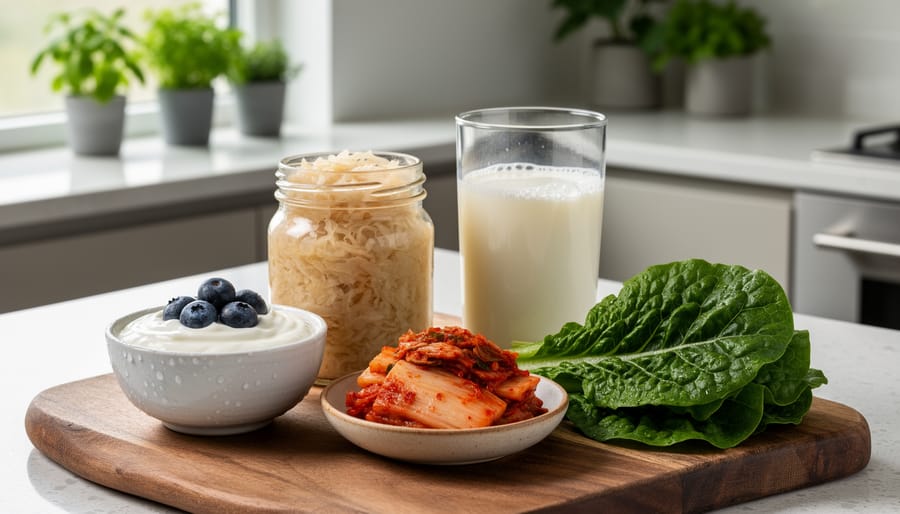
Yogurt and kefir are excellent starting points, with Canadian brands like Liberté and Olympic Krema offering live culture options. Look for labels stating “contains active cultures” and aim for unsweetened varieties to avoid added sugars. Enjoy a serving of plain yogurt with berries at breakfast or blend kefir into smoothies.
Traditional fermented vegetables like sauerkraut and kimchi contain both probiotics and prebiotics (fiber that feeds beneficial bacteria). Many Canadian grocery stores now stock locally-made options in the refrigerated section. Add a tablespoon of sauerkraut to sandwiches or serve kimchi alongside eggs for a flavourful boost.
Kombucha, a fermented tea beverage, has grown in popularity across Canada, with brands like Rise and JRINK available in most health food stores. Start with small amounts (half a cup daily) as you adjust to these foods.
For best results, include different fermented foods throughout your week rather than relying on just one type, providing your gut with diverse bacterial strains.
Prebiotic Foods: Nourishment for Your Microbiome
Prebiotics are specialized plant fibers that act as fertilizer for your gut’s beneficial bacteria. Unlike probiotics, which introduce new bacteria, prebiotics nourish the helpful microbes already living in your digestive system, helping them thrive and multiply. When your gut bacteria digest these fibers, they produce short-chain fatty acids that strengthen your intestinal barrier and support immune function.
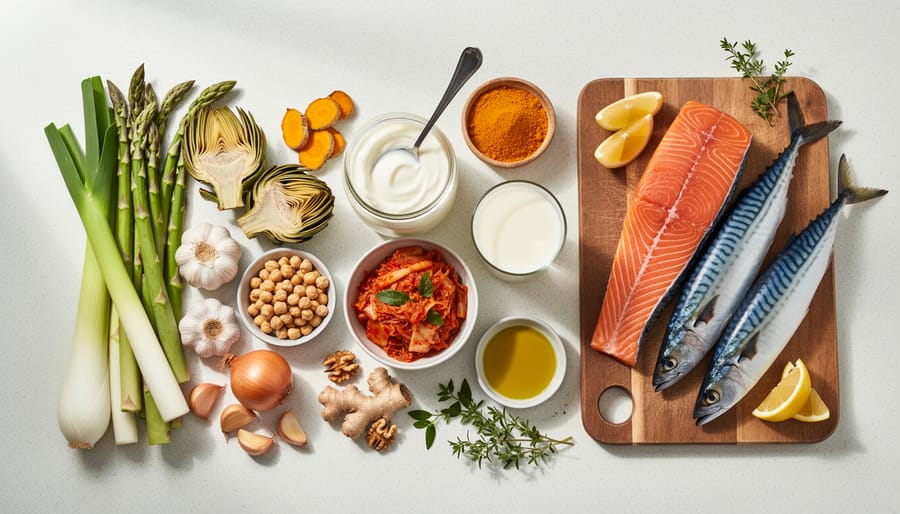
The good news is that many prebiotic-rich foods are already available in Canadian grocery stores and may be sitting in your kitchen. Garlic and onions are excellent sources that add flavor to everyday meals. Bananas, especially when slightly green, provide resistant starch that feeds beneficial bacteria. Oats are a breakfast staple packed with beta-glucan fiber, while legumes like chickpeas, lentils, and black beans offer both prebiotics and protein.
Incorporating these foods is simpler than you might think. Add raw garlic to salad dressings, toss oats into smoothies, or keep bananas on hand for quick snacks. Start with small amounts if you’re not used to high-fiber foods, gradually increasing portions over two to three weeks to prevent digestive discomfort. Aim for a variety of prebiotic sources throughout your week to feed different bacterial strains. Remember, diversity in your diet translates to diversity in your microbiome, which supports stronger immunity.
Anti-Inflammatory Foods That Support Gut Healing
Reducing gut inflammation is essential for strengthening your immune defenses. An integrative nutrition approach emphasizes anti-inflammatory foods that heal your digestive tract while supporting immune function.
Omega-3 rich foods like wild-caught salmon, sardines, and ground flaxseeds help calm intestinal inflammation and strengthen the gut barrier. These healthy fats also support the production of specialized immune cells that protect against infections.
Colorful vegetables provide powerful anti-inflammatory compounds. Leafy greens like spinach and kale, along with cruciferous vegetables such as broccoli and Brussels sprouts, contain antioxidants that reduce oxidative stress in your gut lining. Red and orange vegetables like bell peppers and sweet potatoes offer additional protective benefits.
Polyphenol-rich foods are particularly effective for gut healing. Berries, especially blueberries and raspberries available fresh in Canadian summers or frozen year-round, deliver inflammation-fighting compounds. Green tea, extra virgin olive oil, and dark chocolate (70% cacao or higher) also provide beneficial polyphenols that nourish beneficial gut bacteria while reducing harmful inflammation. Including these foods regularly creates an environment where your gut can heal and your immune system can thrive.
What to Limit or Avoid
Certain foods can disrupt your gut microbiome when consumed regularly. Ultra-processed foods high in added sugars and artificial sweeteners may reduce beneficial bacteria and increase inflammation. These include sugary beverages, packaged snacks, and highly processed meals. Excessive alcohol can also compromise gut barrier function. Rather than complete elimination, focus on moderation and gradual reduction. Choose whole foods most of the time while allowing flexibility for occasional treats. Small, sustainable changes like swapping one processed snack daily for a whole food option can make a meaningful difference in supporting both your digestive health and immune system over time.
Lifestyle Habits That Protect Your Gut-Immune Partnership

Stress Management for Gut Health
Your gut and brain communicate constantly through the gut-brain axis, a two-way highway connecting your digestive system to your central nervous system. When you experience chronic stress, your body releases cortisol and other stress hormones that can disrupt the delicate balance of beneficial bacteria in your gut. This disruption weakens your intestinal barrier, triggers inflammation, and compromises your immune defenses.
Research shows that ongoing stress reduces the diversity of gut microbes and increases intestinal permeability, making you more vulnerable to infections and digestive issues. The good news is that managing stress effectively can restore gut health and strengthen immunity.
For busy Canadians, simple daily practices make a real difference. Try deep breathing exercises for just five minutes during your lunch break, practice mindfulness while commuting, or take short walks in nature on weekends. Many Canadians find relief through stress-reduction techniques like yoga, meditation, or progressive muscle relaxation. Even ensuring seven to eight hours of quality sleep helps regulate stress hormones and supports gut repair.
Start with one stress-management strategy and build from there. Your gut will thank you, and your immune system will grow stronger.
Sleep: Your Gut’s Recovery Time
Your gut and your sleep have a remarkable two-way relationship. The trillions of microbes in your digestive system actually influence your sleep quality by producing neurotransmitters like serotonin and GABA, which regulate your sleep-wake cycle. Meanwhile, quality sleep gives your gut microbiome crucial time to repair and regenerate.
Research shows that people who sleep less than six hours per night have less diverse gut bacteria, which can weaken immune function. To support both your gut and immune health through better sleep, aim for seven to nine hours nightly. Keep a consistent sleep schedule, even on weekends, to help regulate your body’s natural rhythms. Create a calming bedtime routine by dimming lights an hour before bed and avoiding heavy meals within three hours of sleeping. Your bedroom should be cool, dark, and quiet. If you struggle with sleep despite these changes, consider speaking with your healthcare provider, as chronic sleep issues may indicate underlying gut imbalances worth addressing.
Exercise and Movement
Regular physical activity does more than strengthen your muscles—it actively supports your gut microbiome and immune system. Exercise increases the diversity of beneficial bacteria in your digestive tract, which enhances your body’s ability to fight infections and reduce inflammation.
Research shows that moderate exercise, such as 30 minutes of brisk walking five times weekly, can positively alter your gut bacteria composition within just six weeks. Movement helps beneficial microbes thrive while promoting regular bowel movements and reducing gut inflammation.
For beginners, start with gentle activities like walking, swimming, or yoga. These low-impact options still provide gut health benefits without overwhelming your system. If you’re already active, consider mixing cardio with strength training to maximize microbiome diversity.
Aim for at least 150 minutes of moderate activity weekly, as recommended by Canadian physical activity guidelines. Even short 10-minute movement breaks throughout your day contribute to better gut health. Remember that consistency matters more than intensity—find activities you enjoy and can maintain long-term for the greatest immune-boosting benefits.
Medication Awareness
Certain medications can significantly impact your gut microbiome, though they’re sometimes necessary for health. Antibiotics, while life-saving, eliminate both harmful and beneficial bacteria, potentially disrupting your gut balance for months. Nonsteroidal anti-inflammatory drugs (NSAIDs) like ibuprofen can damage the intestinal lining with frequent use, while proton pump inhibitors (PPIs) for acid reflux may reduce stomach acid needed for proper digestion and nutrient absorption. If you take these medications regularly, talk with your healthcare provider about whether they’re still necessary or if alternatives exist. When antibiotics are essential, consider taking probiotics during and after treatment to help restore beneficial bacteria. Never stop prescribed medications without medical guidance, but don’t hesitate to have an open conversation about minimizing their impact on your gut health through timing, dosage adjustments, or exploring other options that work for your specific situation.
Your 7-Day Gut Health Starter Plan
Ready to transform your gut health? This week-long plan gives you simple, manageable steps to support both your digestive system and immunity. Remember, sustainable change happens gradually, so be patient with yourself as you build these new habits.
Days 1-2: Add Fermented Foods
Start small by introducing one serving of fermented foods daily. Try plain yogurt with breakfast, a small portion of sauerkraut with lunch, or kefir as a snack. These probiotic-rich foods begin populating your gut with beneficial bacteria.
Days 3-4: Boost Your Fibre Intake
Aim to include fibre-rich foods at every meal. Add berries to your morning oatmeal, snack on raw vegetables with hummus, or swap white rice for brown rice or quinoa at dinner. Target at least 25-30 grams of fibre daily to feed your good gut bacteria.
Days 5-6: Prioritize Sleep and Stress Management
Set a consistent bedtime and create a relaxing evening routine. Try 10 minutes of deep breathing or gentle stretching before bed. Quality sleep directly influences your gut microbiome and immune function.
Day 7: Hydration and Movement Check-in
Ensure you’re drinking 8-10 glasses of water daily and incorporating 30 minutes of moderate activity. A simple walk after meals can aid digestion and support healthy gut function.
Throughout the week, keep a simple journal noting how you feel. Track your energy levels, digestion, and any changes in your overall wellbeing. This awareness helps you identify which strategies work best for your body. After completing this starter plan, continue these practices while gradually exploring additional gut-supportive foods and habits that fit your lifestyle and preferences.
Your gut health and immune system share a powerful connection that influences your overall wellbeing every day. Understanding this relationship empowers you to make informed choices that support both systems simultaneously. The good news is that improving your gut-immunity connection doesn’t require drastic overhauls or expensive interventions. Small, consistent changes to your daily health habits can create meaningful improvements over time.
Start by incorporating one or two evidence-based strategies from this article, whether that’s adding more fermented foods to your meals, prioritizing sleep, or managing stress through mindfulness practices. Be patient with yourself as your body adapts to these positive changes. Most people notice improvements in digestion within a few weeks, while immune benefits may take several months to become apparent.
If you experience persistent digestive symptoms, frequent infections, or concerns about your immune health, consult with your healthcare provider or a registered dietitian. They can offer personalized guidance and rule out underlying conditions requiring specific treatment. Remember, investing in your gut health is investing in your long-term wellness, and every positive step counts.