
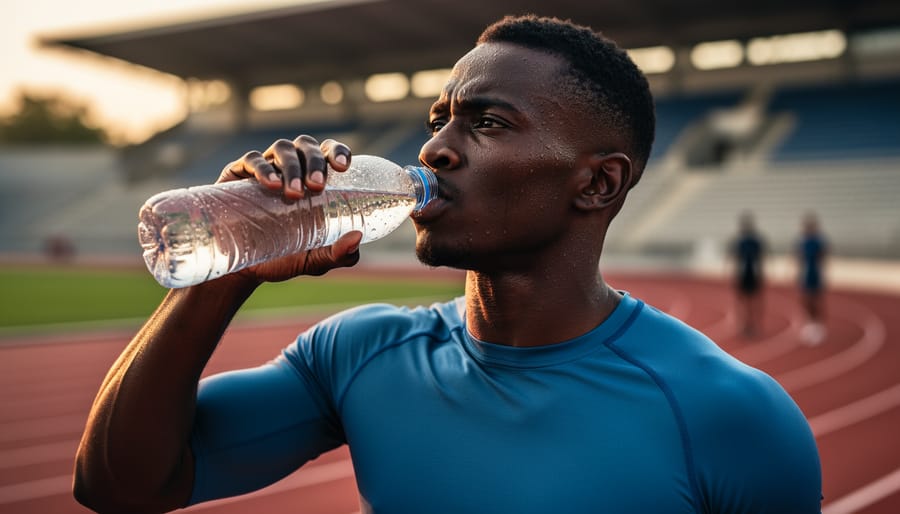
Drink 500-600 milliliters of water two to three hours before exercise, then another 200-300 milliliters 20 minutes before you start. This pre-hydration strategy ensures your body has adequate fluid reserves before you begin sweating, preventing performance decline that can start with as little as 2% body weight loss through dehydration.
Monitor your sweat rate by weighing yourself before and after workouts. For every kilogram lost, consume 1.5 liters of fluid over the next few hours. Athletes training in Canada’s varying climates need different hydration approaches: winter indoor training often requires less fluid than summer outdoor sessions, but heated gyms can increase sweat loss significantly.
Choose water for activities under 60 minutes. For longer or high-intensity sessions, select beverages containing 6-8% carbohydrates and electrolytes, particularly sodium, which helps your body retain fluid and maintain blood volume. Sports drinks become essential during endurance events or when you’re sweating heavily, as they replace both the water and minerals lost through perspiration.
Check your urine color throughout the day. Pale yellow indicates proper hydration, while dark yellow or amber signals you need more fluids. This simple assessment provides immediate feedback about your hydration status and helps you adjust intake before dehydration affects your energy levels, concentration, and physical performance.
Time your fluid intake during exercise by consuming 150-250 milliliters every 15-20 minutes rather than waiting until you feel thirsty. Thirst is a late indicator of dehydration, appearing only after your performance has already begun to suffer.
What Happens to Your Body During Exercise
The Science of Sweat Loss
Understanding how much you sweat during physical activity is essential for developing an effective hydration strategy. The amount of fluid athletes lose varies significantly based on several key factors.
During moderate exercise, most people lose between 0.5 to 2 litres of sweat per hour. However, this range can expand dramatically depending on conditions. Endurance athletes running in hot weather may lose up to 3 litres per hour, while someone doing gentle yoga in an air-conditioned studio might lose less than 0.5 litres during an entire session.
Several factors influence your sweat rate. Temperature and humidity are major players – exercising in hot, humid conditions can double or triple fluid loss compared to cooler environments. This is particularly relevant for Canadians who experience dramatic seasonal temperature shifts, from winter indoor training to summer outdoor activities. Exercise intensity also matters significantly; high-intensity interval training produces more sweat than steady-state activities at lower intensities.
Individual variations are substantial and often overlooked. Body size, genetics, fitness level, and acclimatization all affect how much you sweat. Larger individuals typically sweat more, and surprisingly, fitter athletes often sweat more efficiently, losing more fluid during the same workout than less-trained individuals.
Understanding your personal sweat rate helps you hydrate appropriately. A simple way to estimate this is weighing yourself before and after exercise. Each kilogram lost represents approximately one litre of fluid that needs replenishing. This personalized approach ensures you’re drinking enough without overdoing it.
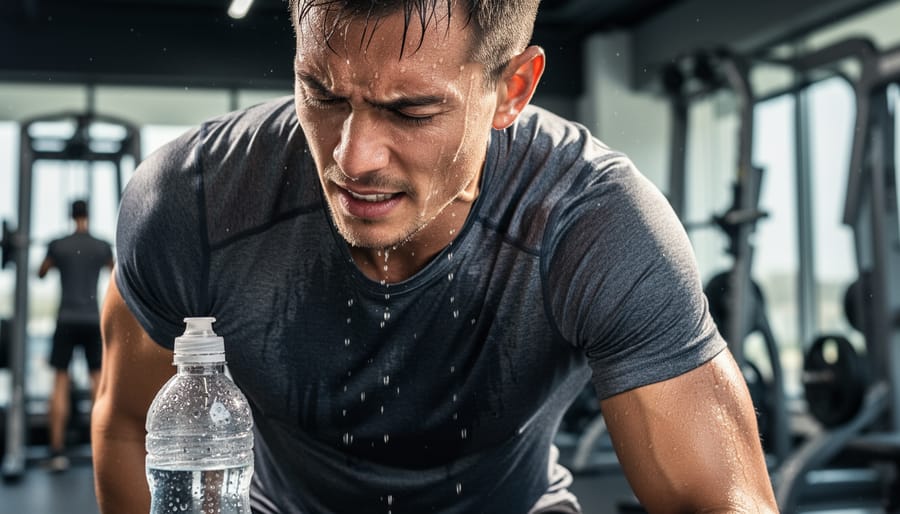
Early Warning Signs Your Body Is Dehydrated
Recognizing dehydration early can protect your performance and keep you safe during physical activity. Your body sends clear signals when it needs more fluids, though many athletes overlook these warning signs in the heat of competition or training.
One of the first indicators is thirst itself. If you feel thirsty during exercise, you’re already experiencing mild dehydration. Other early signs include a dry or sticky mouth, darker yellow urine, and decreased urine output. Pay attention to these cues before they progress.
Performance decline often appears before you realize you’re dehydrated. You might notice reduced endurance, slower reaction times, or difficulty maintaining your usual pace. Even a 2% loss in body weight from fluid loss can significantly impact your athletic abilities.
Physical symptoms become more noticeable as dehydration worsens. Muscle cramps, particularly in your legs, are common warning signs. You may experience unusual fatigue that feels disproportionate to your effort level, along with dizziness or lightheadedness during activity.
Cognitive effects are frequently overlooked but equally important. Dehydration affects concentration, decision-making, and coordination. You might feel irritable, have trouble focusing on your game strategy, or experience headaches that interfere with performance.
Temperature regulation also suffers when you’re dehydrated. If you notice you’ve stopped sweating during intense activity, or your skin feels unusually hot and dry, these are serious warning signs requiring immediate attention.
Check your hydration status by monitoring urine color. Pale yellow indicates good hydration, while dark yellow or amber suggests you need more fluids. Making this simple check part of your routine helps catch dehydration before it impacts your athletic goals.
The Real Impact of Dehydration on Sports Performance
Mental Performance Takes a Hit Too
While many athletes focus on hydration’s physical effects, dehydration significantly impacts mental performance—something equally critical during sports and competition. Research shows that losing just 2% of body weight through fluid loss can impair concentration, slow reaction times, and affect decision-making abilities.
Your brain is approximately 75% water, making it especially vulnerable to dehydration. When fluid levels drop, neural efficiency decreases, affecting how quickly you process information and respond to situations on the field or court. This matters whether you’re making split-second decisions in hockey, maintaining focus during a long-distance run, or coordinating complex movements in team sports.
Studies demonstrate that dehydrated athletes experience reduced cognitive performance, including slower visual and motor processing. You might notice difficulty concentrating, increased perceived effort, or feeling mentally fatigued before your body gives out. These cognitive challenges can lead to poor tactical choices, missed opportunities, and increased injury risk due to lapses in attention.
The connection between hydration and mental clarity extends beyond athletic performance. Just as nutrition and mental health are closely linked, proper hydration supports overall brain function and mood regulation.
For recreational athletes, mental sharpness enhances enjoyment and safety during activity. For competitive athletes, maintaining optimal hydration can be the difference between peak performance and subpar results. Prioritizing fluid intake before, during, and after exercise protects both your physical capabilities and mental edge.
How Much Water Do You Actually Need?
The Simple Sweat Test You Can Do at Home
Understanding your personal sweat rate takes the guesswork out of hydration planning. This simple test helps you determine exactly how much fluid you need to replace during different activities.
To conduct your sweat test, you’ll need a reliable scale and a one-hour workout session. Start by weighing yourself without clothing before exercise, then complete your workout at typical intensity without drinking any fluids. Immediately after, towel off any sweat and weigh yourself again. The difference in weight represents fluid lost through sweat.
Here’s the calculation: For every pound lost, you’ve sweated out approximately 500 millilitres of fluid. For example, if you lost 1.5 pounds during your hour-long run, you lost roughly 750 millilitres of sweat. This becomes your baseline replacement target for similar workouts.
Keep in mind that sweat rates vary depending on exercise intensity, temperature, and humidity. A gentle yoga session in an air-conditioned studio produces far less sweat than outdoor summer cycling. That’s why it’s helpful to test yourself under different conditions that match your regular activities.
For best results, repeat this test several times across different seasons and workout types. Track your findings in a simple notebook or phone app. This practical approach removes uncertainty and helps you create personalized hydration strategies. Remember, individual needs vary significantly, so what works for your training partner may not match your requirements. Testing your own sweat rate ensures you’re replacing fluids based on your body’s actual needs, supporting both performance and recovery.
Beyond Plain Water: What Should You Actually Drink?
Electrolytes: When They Matter and When They Don’t
During most everyday activities and moderate exercise under 60 minutes, you lose primarily water through sweat. Your body can easily handle this without special electrolyte replacement. Plain water works perfectly fine for these situations.
Electrolytes become important during longer, more intense exercise sessions exceeding 90 minutes, particularly in hot conditions. When you sweat heavily, you lose sodium, potassium, magnesium, and chloride alongside water. These minerals help regulate fluid balance, muscle contractions, and nerve signals. Athletes participating in endurance events like marathons, long cycling sessions, or intense team sports may benefit from electrolyte replacement to maintain performance and prevent cramping.
Not everyone needs specialized sports drinks. For most recreational exercisers, a balanced diet provides sufficient electrolytes. A banana contains potassium, while a handful of pretzels or crackers offers sodium. Chocolate milk has become popular among Canadian athletes as an affordable recovery drink with natural electrolytes and protein.
When you do need electrolyte replacement, look for products containing 100-200mg of sodium per serving. Many Canadian brands offer options without excessive sugar or artificial ingredients. Coconut water provides a natural alternative with potassium, though it contains less sodium than commercial sports drinks.
Consider your sweat rate and exercise duration when deciding. If you notice white salt residue on your clothing after workouts or experience frequent cramping despite adequate hydration, you might benefit from electrolyte supplementation. Otherwise, focus on drinking enough water and eating well-balanced meals to meet your body’s needs.
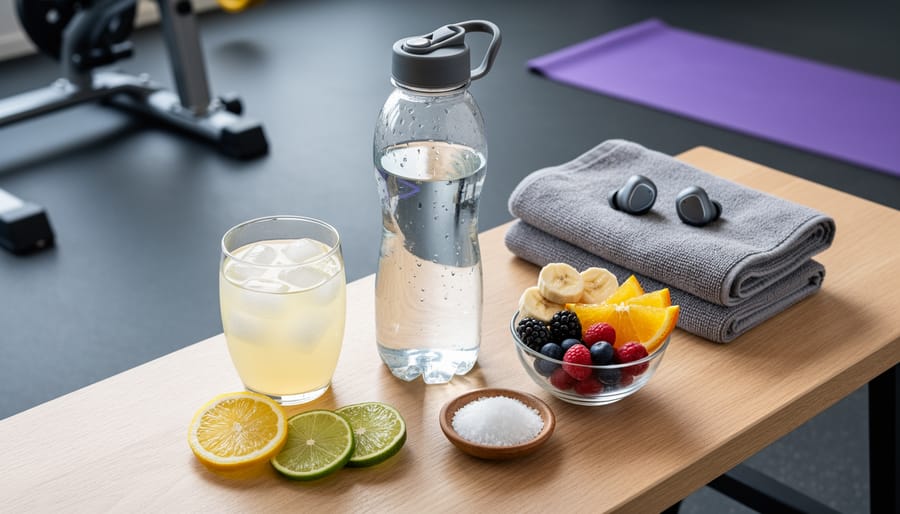
Building Smart Hydration Habits for Canadian Athletes
Canadian athletes face unique hydration challenges that shift dramatically with our seasons and training environments. Whether you’re skating outdoors in minus-twenty weather or cycling through humid summer conditions, understanding how to adjust your hydration strategy is essential for maintaining physical performance.
During cold-weather activities like hockey, skiing, or winter running, many athletes underestimate their fluid needs. Cold air is dry, and heavy winter gear increases sweat production even when you don’t feel hot. Start your outdoor workout well-hydrated and carry an insulated water bottle to prevent freezing. Indoor heated facilities present another challenge, as artificial heat accelerates fluid loss during activities like basketball or swimming.
For summer training, plan workouts during cooler morning or evening hours when possible. Sports like soccer, cycling, and beach volleyball demand extra attention to hydration timing. Begin drinking water two to three hours before activity, consume 200-300 milliliters every 15-20 minutes during exercise, and replace fluids within two hours post-workout.
Sport-specific strategies matter too. Hockey players should drink between periods, not just after games. Runners and cyclists benefit from carrying hydration packs or planning routes near water fountains. Swimmers often forget to hydrate since they’re already surrounded by water, but they lose significant fluids through exertion.
Create simple reminders by setting phone alerts or keeping a water bottle visible at your workout station. Track your hydration by monitoring urine color, aiming for pale yellow. Consider your individual sweat rate by weighing yourself before and after training sessions. Replace each pound lost with 500-750 milliliters of fluid to optimize recovery and prepare for your next performance.
The Dangers of Overhydration
While staying hydrated is essential for athletic performance, drinking too much water can be dangerous. Hyponatremia, also known as water intoxication, occurs when excessive fluid intake dilutes sodium levels in your blood to dangerously low concentrations. This condition can be serious and even life-threatening if not recognized early.
Endurance athletes are at highest risk, particularly those participating in marathons, triathlons, or ultra-distance events lasting several hours. The danger increases when athletes drink large amounts of plain water while losing sodium through sweat, without adequate electrolyte replacement. Smaller athletes and those who sweat less heavily face greater risk because they need less fluid replacement.
Warning signs of hyponatremia include nausea, headache, confusion, fatigue, and muscle weakness. In severe cases, symptoms may progress to vomiting, seizures, or loss of consciousness. These symptoms can sometimes be mistaken for dehydration, making awareness crucial.
To prevent overhydration, drink according to thirst rather than forcing fluids. During events longer than one hour, choose beverages containing sodium and electrolytes. Avoid gaining weight during exercise, as this indicates you’re drinking more than you’re losing through sweat. A practical guideline is limiting fluid intake to no more than 800 millilitres per hour during endurance activities, though individual needs vary based on sweat rate, body size, and exercise intensity.
If you suspect hyponatremia in yourself or another athlete, seek medical attention immediately. Prevention through mindful hydration practices and electrolyte balance keeps you safe while optimizing performance.
Your Personalized Hydration Game Plan
Ready to optimize your hydration for better performance? Start with these evidence-based strategies you can implement today.
Before you exercise, begin hydrating 2-4 hours in advance by drinking 5-7 milliliters per kilogram of body weight. That’s roughly 400-600 milliliters for most adults. Check your urine color—pale yellow indicates good hydration, while dark yellow suggests you need more fluids.
During activity, aim to replace fluid losses by drinking 150-250 milliliters every 15-20 minutes. For workouts lasting less than an hour, water works perfectly. If you’re exercising intensely for over 60 minutes, choose a sports drink containing electrolytes and carbohydrates to maintain energy and replace sodium lost through sweat.
After exercise, focus on recovery by drinking 1.25-1.5 liters of fluid for every kilogram of body weight lost during activity. Weigh yourself before and after workouts to determine your sweat rate and personalize this recommendation. Include sodium-rich foods or beverages to help your body retain fluids more effectively.
Create a simple hydration checklist: keep a reusable water bottle with you throughout the day, set hourly reminders to drink, and establish a pre-workout hydration routine. Monitor your body’s signals—thirst, urine color, and energy levels—to adjust your intake accordingly.
Remember that individual needs vary based on workout intensity, duration, temperature, and your unique sweat rate. Start with these guidelines and adjust based on how your body responds. Consistent hydration habits support both your fitness goals and overall wellness.
Proper hydration is one of the most accessible and powerful tools you have to enhance your athletic performance, support your recovery, and protect your long-term health. The evidence is clear: staying well-hydrated improves endurance, reduces injury risk, supports mental clarity during competition, and helps your body adapt to training stress. Whether you’re a competitive athlete, weekend warrior, or simply someone incorporating more physical activity into your routine, implementing a thoughtful hydration strategy will make a meaningful difference in how you feel and perform.
Remember that your hydration needs are unique to you. Factors like body size, sweat rate, exercise intensity, and Canada’s varying climate conditions all influence how much fluid you require. Start by monitoring your body weight before and after exercise, paying attention to your urine color, and listening to your thirst signals. Aim to begin each workout well-hydrated, replace fluids consistently during longer sessions, and prioritize recovery hydration afterward.
Don’t overcomplicate the process. For most recreational activities under an hour, water is perfectly adequate. For intense or prolonged exercise, consider beverages containing electrolytes and carbohydrates to optimize absorption and maintain energy levels. The goal isn’t perfection but developing sustainable habits that support your active lifestyle.
You now have the knowledge to make informed decisions about hydration. Take what you’ve learned and apply it gradually, adjusting your approach based on how your body responds. Your commitment to proper hydration is an investment in both your immediate performance and your lifelong wellness journey.