

Understand that “neurologic” and “neurological” mean exactly the same thing—both terms describe anything related to the nervous system, including the brain, spinal cord, and nerves throughout your body. Medical professionals and researchers use these words interchangeably, with “neurological” appearing more commonly in Canadian healthcare settings and everyday conversation. Neither term is more correct or medically accurate than the other; the choice simply reflects personal or regional preference, similar to how Canadians might say “colour” while Americans write “color.”
The real value lies not in distinguishing between these identical terms, but in recognizing when neurological symptoms require medical attention. Watch for warning signs like persistent headaches, sudden vision changes, unexplained numbness or tingling, difficulty with balance or coordination, memory problems, or changes in speech patterns. These symptoms may indicate conditions ranging from migraines and pinched nerves to more serious issues requiring immediate evaluation.
Take a proactive approach to brain and nervous system health by maintaining regular physical activity, prioritizing quality sleep, managing stress through evidence-based techniques, and keeping chronic conditions like diabetes and high blood pressure well-controlled. Early recognition of neurological symptoms combined with prompt medical consultation leads to better outcomes, whether you’re dealing with common issues or more complex conditions affecting your nervous system.
The Real Difference Between Neurologic and Neurological
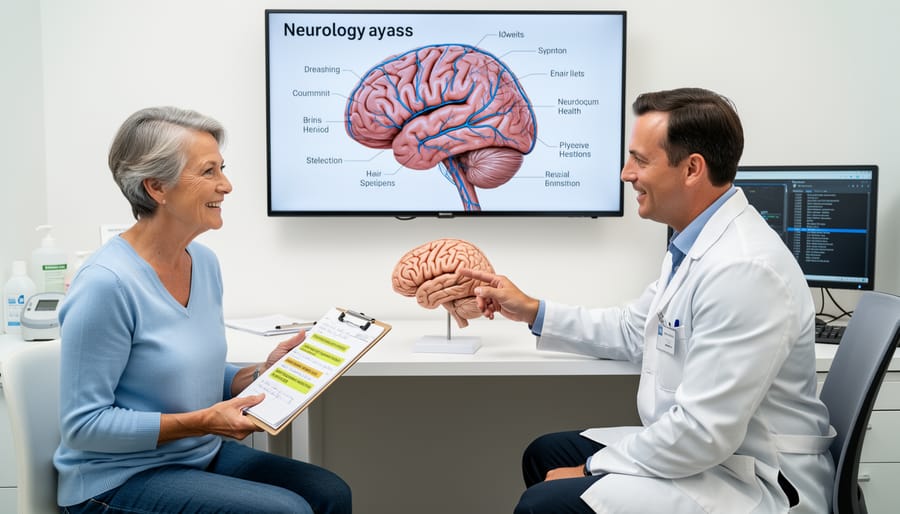
What Medical Experts Say About the Terms
Medical professionals across Canada confirm that “neurologic” and “neurological” are completely interchangeable terms in clinical practice. Both words refer to anything related to the nervous system, including the brain, spinal cord, and nerves throughout your body.
According to healthcare standards used by the Canadian Medical Association and provincial health authorities, you’ll see both terms used in official medical documents, research papers, and patient information materials. The choice between them typically comes down to personal preference or institutional style guides rather than any difference in meaning.
Dr. Sarah Chen, a neurologist practicing in Toronto, explains that “neurological” is slightly more common in Canadian medical literature, but physicians use both terms when discussing conditions like stroke, multiple sclerosis, Parkinson’s disease, and epilepsy. What matters most is understanding the condition itself rather than worrying about which term your healthcare provider uses.
Canadian medical schools teach future doctors using both terms interchangeably, and professional organizations like the Canadian Neurological Sciences Federation use “neurological” in their name while freely incorporating “neurologic” in their publications. The important takeaway is that whichever term you encounter in your medical journey, they mean exactly the same thing and describe the same health conditions and treatments.
Why You See Both Terms in Your Healthcare Journey
As you navigate the Canadian healthcare system, you’ll encounter both terms regularly, and understanding where they appear can help you feel more confident during your medical journey. When you visit a specialist, you might see “neurologist” on their office door or business card—this is the standard professional title. However, their department might be called either the “neurology department” or “neurologic services,” depending on the hospital.
In medical reports and test results, you’ll often see “neurological examination” or “neurological assessment” describing evaluations of your nervous system function. Treatment plans commonly use phrases like “neurological disorder” or “neurologic condition” interchangeably. Insurance forms and referral letters from your family doctor typically use “neurological” when describing symptoms or diagnoses.
Hospital departments across Canada vary in their preference—Toronto General Hospital might label something differently than Vancouver General Hospital—but both terms carry identical meaning. You might receive physiotherapy for a “neurologic injury” or medication for a “neurological condition,” yet the care quality remains the same regardless of which term appears on your paperwork. What matters most isn’t the terminology used, but rather that you receive appropriate, evidence-based care for your specific nervous system health needs.
Common Neurologic Conditions Affecting Canadians
Stroke and Cerebrovascular Conditions
Stroke occurs when blood flow to part of the brain is interrupted or reduced, preventing brain tissue from receiving oxygen and nutrients. There are two main types: ischemic stroke, caused by blocked blood vessels (accounting for about 87% of cases), and hemorrhagic stroke, caused by bleeding in the brain.
In Canada, stroke affects approximately 62,000 people annually, making it a leading cause of death and disability. Recognizing warning signs is crucial for getting immediate medical attention. Remember the acronym FAST: Face drooping on one side, Arm weakness or numbness, Speech difficulty or slurred words, and Time to call 9-1-1 immediately if you notice any of these symptoms. Additional warning signs include sudden severe headache, confusion, vision problems, dizziness, or loss of balance.
Risk factors you can manage include high blood pressure, diabetes, high cholesterol, smoking, physical inactivity, and poor diet. Regular physical activity, maintaining a healthy weight, eating a balanced diet rich in fruits and vegetables, and managing stress can significantly reduce your stroke risk. If you have a family history of stroke or other risk factors, work with your healthcare provider to develop a prevention plan tailored to your needs.

Migraine and Headache Disorders
Migraine and headache disorders represent some of the most common neurologic conditions affecting Canadians, with migraines alone impacting approximately 2.7 million people across the country. These conditions can significantly reduce quality of life, affecting work productivity, social relationships, and daily activities.
Migraines are characterized by intense, throbbing pain, often on one side of the head, and may include sensitivity to light and sound, nausea, and visual disturbances. Tension-type headaches, another prevalent neurologic condition, typically cause a band-like pressure around the head. Cluster headaches, though less common, cause severe pain around one eye and occur in cyclical patterns.
Understanding potential triggers is essential for managing these conditions. Common triggers include stress, certain foods, hormonal changes, poor sleep, and even environmental factors like pillow-related headaches from improper neck support during sleep.
If you experience frequent or severe headaches, consult a healthcare provider. Treatment options may include lifestyle modifications, stress management techniques, adequate hydration, regular sleep schedules, and when necessary, preventive medications. Keeping a headache diary can help identify your specific triggers and support more effective management strategies.
Epilepsy and Seizure Disorders
Seizure disorders affect the brain’s electrical activity, causing temporary disruptions that can range from brief lapses in awareness to full convulsions. Epilepsy, the most common chronic neurologic condition causing recurrent seizures, affects approximately 1 in 100 Canadians. These conditions occur when clusters of nerve cells send abnormal signals, and while the exact cause isn’t always clear, factors like genetics, head injuries, infections, or stroke can contribute.
Management typically combines medication with lifestyle modifications. Anti-seizure medications work for about 70% of people with epilepsy, helping control or reduce seizure frequency. Keeping a consistent sleep schedule, managing stress, and avoiding known triggers are important lifestyle strategies. Regular exercise and maintaining overall health also support seizure management, though it’s essential to discuss safety precautions with your healthcare provider. For those whose seizures don’t respond to medication, other options include specialized diets, nerve stimulation devices, or surgery. With proper treatment and support, most people with seizure disorders lead full, active lives.
Neurodegenerative Conditions
Neurologic conditions affect millions of Canadians, with several having significant demographic impacts. Alzheimer’s disease currently affects approximately 600,000 Canadians, and recognizing the early warning signs of Alzheimer’s can help with earlier intervention. Parkinson’s disease impacts about 100,000 Canadians, with evidence-based Parkinson’s disease treatment options making meaningful differences in quality of life. Multiple sclerosis (MS) affects over 90,000 Canadians, giving Canada one of the highest rates globally. These progressive conditions affect the brain and nervous system, impacting movement, memory, and daily functioning. Understanding these conditions helps individuals recognize symptoms early and seek appropriate medical care, which can significantly improve outcomes and maintain independence longer.
Evidence-Based Treatments for Neurologic Health
Medical Treatments and Interventions
When experiencing neurologic symptoms like persistent headaches, numbness, dizziness, memory problems, or changes in coordination, it’s important to consult with your family doctor or a neurologist. These healthcare providers use evidence-based neurologic care to diagnose and treat conditions affecting your nervous system.
Medical treatment approaches vary depending on the specific neurologic condition. For conditions like migraine headaches, doctors may prescribe preventive medications or pain relievers. Epilepsy often requires anticonvulsant medications to control seizures. Multiple sclerosis treatments include disease-modifying therapies that slow progression. Stroke patients typically receive clot-busting medications when treated quickly, emphasizing the importance of immediate medical attention.
Beyond medications, neurologic care may involve physical therapy to improve movement and balance, occupational therapy to maintain daily functioning, and speech therapy for communication difficulties. Some conditions benefit from surgical interventions, such as deep brain stimulation for Parkinson’s disease.
Seek immediate medical care if you experience sudden severe headaches, vision changes, difficulty speaking, facial drooping, weakness on one side of your body, or loss of consciousness. These could indicate serious conditions requiring urgent treatment.
Regular check-ups help monitor chronic neurologic conditions and adjust treatments as needed. Your healthcare team will work with you to create a personalized treatment plan that addresses your specific symptoms and improves your quality of life. Remember, early intervention often leads to better outcomes for many neurologic conditions.
Lifestyle Modifications That Protect Your Brain
Your daily choices have a powerful impact on your neurologic health. Research consistently shows that certain lifestyle modifications can protect your brain, reduce your risk of neurologic conditions, and even improve symptoms if you’re already managing a condition.
Regular physical activity stands out as one of the most effective brain protectors. Just 30 minutes of moderate exercise most days of the week increases blood flow to your brain, promotes the growth of new brain cells, and reduces inflammation. Activities like brisk walking, swimming, or cycling can lower your risk of stroke and may help slow cognitive decline.
Quality sleep is equally essential for neurologic health. During sleep, your brain clears out toxins, consolidates memories, and repairs itself. Adults should aim for 7-9 hours of consistent, uninterrupted sleep each night. If you’re experiencing sleep difficulties, establishing a regular bedtime routine and limiting screen time before bed can make a significant difference.
Managing stress protects your nervous system from the damaging effects of chronic cortisol elevation. Simple practices like deep breathing exercises, meditation, or spending time in nature can reduce stress levels and support brain health. Even 10 minutes daily can provide measurable benefits.
Your diet matters too. A Mediterranean-style eating pattern rich in vegetables, fruits, whole grains, fish, and healthy fats has been shown to reduce the risk of stroke and support cognitive function. Staying well-hydrated and limiting alcohol consumption further supports your neurologic wellness.
These evidence-based changes work together to create a foundation for long-term brain health.

Nutrition for Neurologic Wellness
Research consistently shows that what you eat directly impacts your neurologic health. The good news? Simple dietary changes can support brain function and may help reduce your risk of neurologic conditions.
The Mediterranean diet stands out as one of the most studied eating patterns for brain health. This approach emphasizes vegetables, fruits, whole grains, olive oil, fish, and nuts while limiting red meat and processed foods. Canadian researchers have found that people who follow this diet pattern tend to have better cognitive function and lower rates of stroke and dementia.
Omega-3 fatty acids deserve special attention for neurologic wellness. Found in fatty fish like salmon, mackerel, and sardines, these healthy fats support brain cell structure and reduce inflammation. If you don’t eat fish regularly, consider adding walnuts, flaxseeds, or chia seeds to your meals. Aim for at least two servings of fatty fish weekly or discuss omega-3 supplements with your healthcare provider.
Other brain-supporting foods include berries rich in antioxidants, leafy greens packed with vitamins, and foods containing B vitamins like eggs and legumes. Dark chocolate in moderation and green tea also show promise for supporting neurologic function.
Start small by adding one or two brain-healthy foods to your daily routine. Replace refined grains with whole grains, snack on nuts instead of chips, or add an extra serving of vegetables to your dinner plate. These manageable changes can make a meaningful difference in supporting your neurologic wellness over time.
When to Seek Help for Neurologic Symptoms
Knowing when to seek medical attention for neurologic symptoms can be challenging, but certain warning signs should never be ignored. Sudden changes in neurologic function require immediate care, including severe headaches that come on quickly, sudden vision changes, difficulty speaking or understanding speech, sudden numbness or weakness (especially on one side of the body), loss of balance or coordination, and unexplained confusion.
If you experience persistent symptoms like recurring headaches, memory problems, ongoing numbness or tingling, tremors, or changes in mood or behavior, schedule an appointment with your family doctor. These symptoms may develop gradually but still warrant professional evaluation to rule out underlying conditions.
In Canada, start by visiting your family physician, who can perform an initial assessment and refer you to a neurologist if needed. For emergencies, call 911 or go to your nearest emergency department immediately. Many provinces also offer telehealth services where nurses can provide guidance on whether your symptoms require urgent attention.
Keep a symptom journal before your appointment, noting when symptoms occur, their duration, and any triggers you notice. This information helps healthcare providers make accurate assessments. Remember that early intervention often leads to better outcomes for neurologic conditions.
While waiting for appointments, which can take time in the Canadian healthcare system, maintain healthy lifestyle habits including regular sleep, balanced nutrition, stress management, and physical activity. These support overall neurologic health and may help manage certain symptoms. Trust your instincts – if something feels seriously wrong, seek help promptly.
Now that you understand neurologic and neurological are simply two forms of the same word, you can focus on what truly matters: protecting and optimizing your brain health. Your nervous system controls everything from movement and sensation to memory and mood, making neurologic wellness essential to your overall quality of life.
The good news is that many neurologic conditions are preventable or manageable through evidence-based lifestyle choices. Regular physical activity improves blood flow to the brain, while a balanced diet rich in omega-3 fatty acids and antioxidants supports nerve function. Quality sleep allows your brain to clear toxins and consolidate memories, and stress management techniques protect against cognitive decline.
If you’re experiencing concerning symptoms like persistent headaches, memory problems, numbness, or changes in coordination, don’t wait to seek medical attention. Early intervention often leads to better outcomes for neurologic conditions. Work with healthcare providers who use evidence-based approaches and stay informed about your diagnosis and treatment options.
Remember, taking care of your neurologic health isn’t complicated or overwhelming. Start with small, sustainable changes to your daily routine. Whether you’re preventing future problems or managing an existing condition, you have the power to support your brain health through informed choices and appropriate medical care.